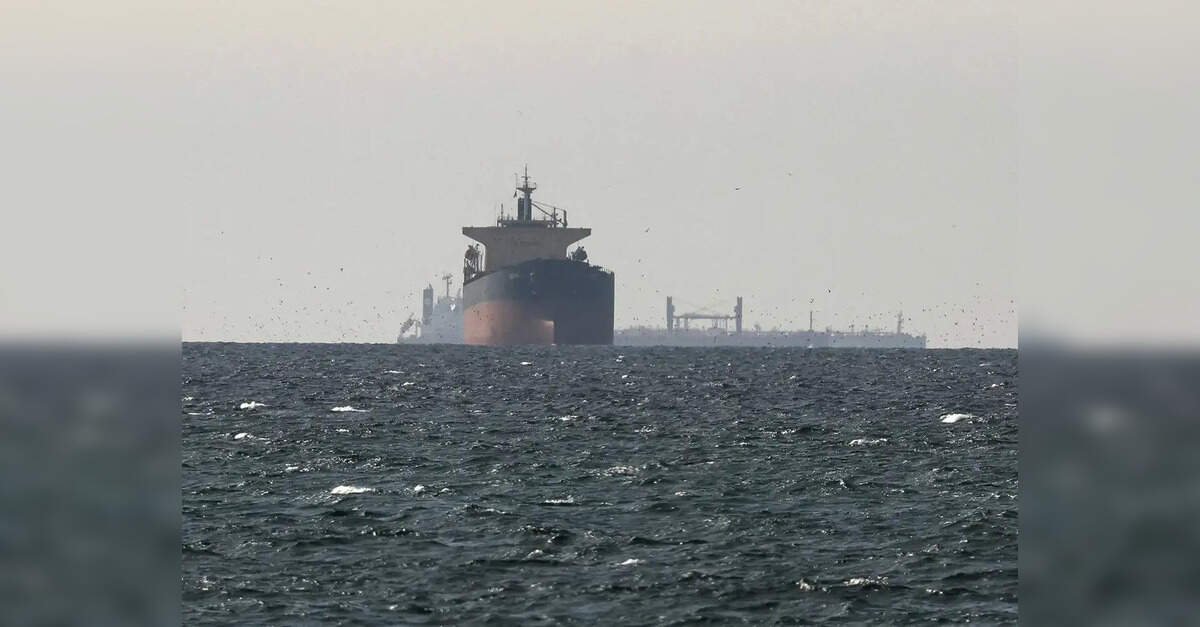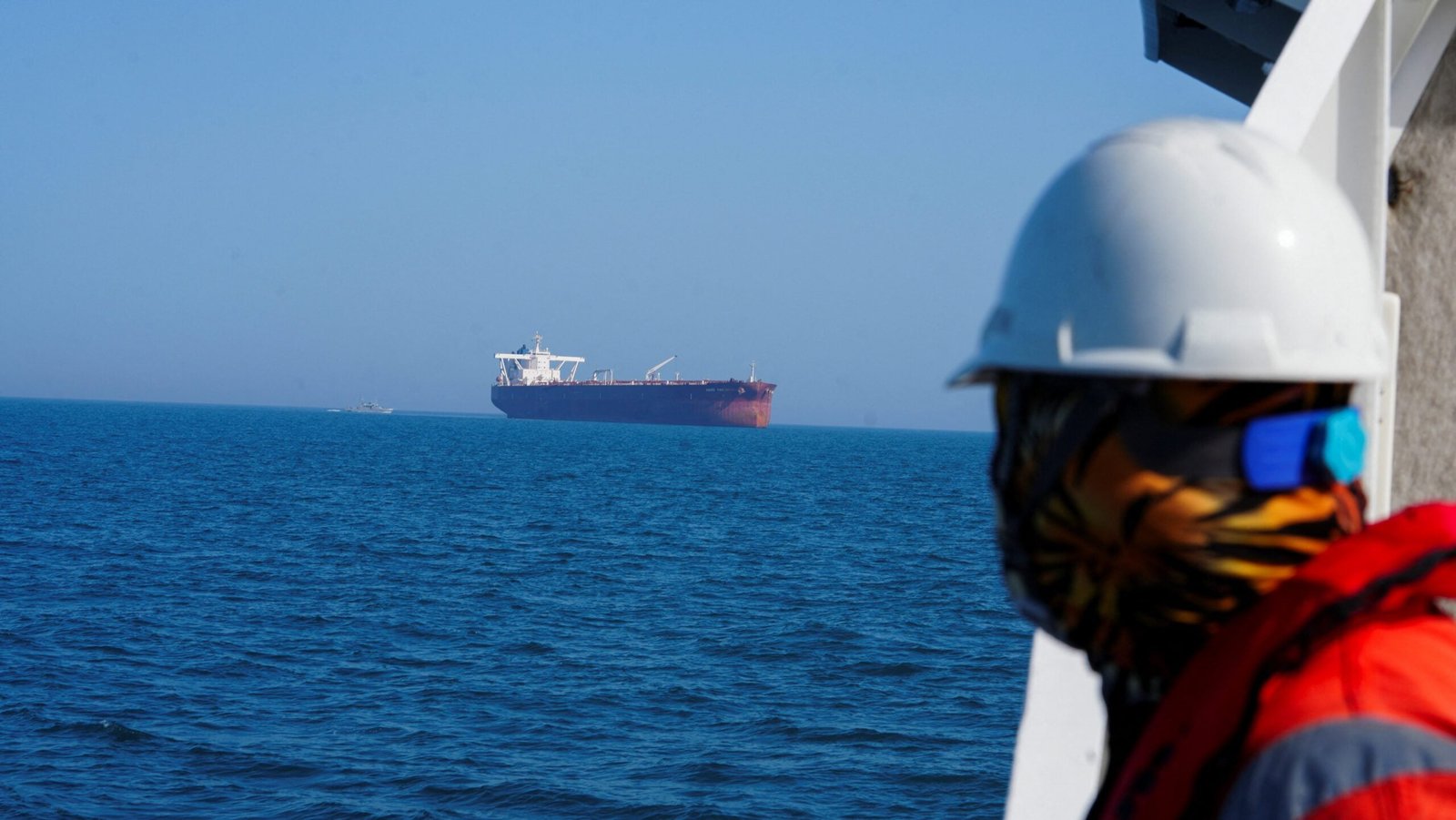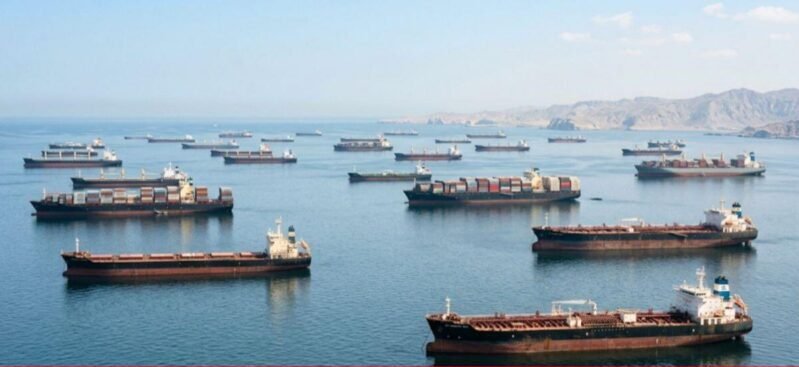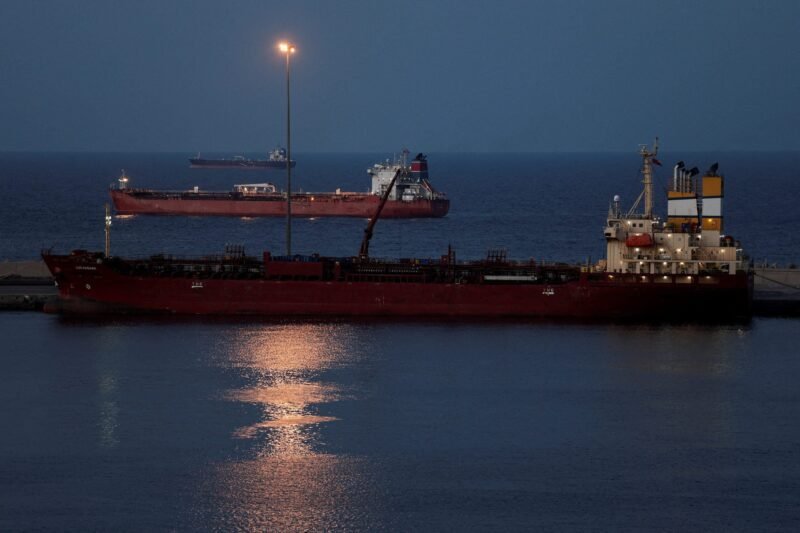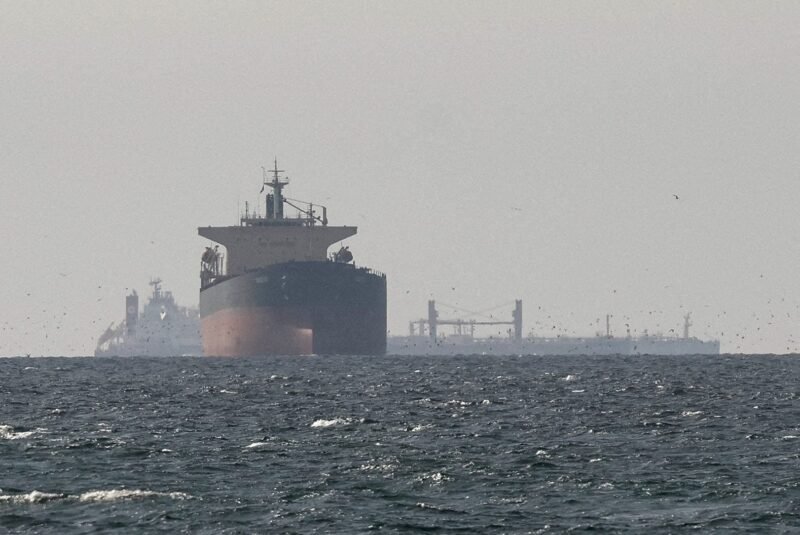
The International Energy Agency (IEA) has issued a stark warning about the ongoing disruption in the Strait of Hormuz, labeling it one of the most significant oil market shocks in recent history. The IEA’s latest Oil Market Report indicates that global oil demand is projected to contract in 2026, falling by 420,000 barrels per day compared to the previous year, reaching an expected total of 104 million barrels per day. This anticipated decline marks a striking deviation from pre-war projections and is one of the rare annual downturns recorded outside of major global crises.
The report highlights that the most significant drop in demand is anticipated in the second quarter of 2026, with expectations of a decline by 2.45 million barrels per day, largely due to reductions in the petrochemical and aviation sectors. Meanwhile, oil supply has sharply fallen as the conflict surrounding Iran hampers exports from the Gulf. In April alone, global supply dropped by 1.8 million barrels per day, contributing to an overall loss of 12.8 million barrels since February, marking production from the Gulf significantly below pre-war levels.
Despite the extensive disruption, the IEA noted that some market balance remains due to pre-existing oversupply and proactive adjustments by both producers and consumers. Countries, including Saudi Arabia and the UAE, have begun redirecting exports away from affected areas, while nations such as the U.S., Brazil, and Canada have increased their exports to Asia. However, emergency reserves and declining observed inventories continue to impact market dynamics, as indicated by the falling global oil inventories observed in March and April.
Moreover, the refining sector is experiencing severe pressure, as throughput is predicted to drop by 4.5 million barrels per day in the second quarter, influenced by infrastructure damage and reduced feedstock availability. The IEA warns that while current refinery output may alleviate some crude market tension temporarily, tightness is shifting towards product markets, particularly jet fuel and middle distillates. With inventory levels depleting rapidly and uncertainty surrounding a potential resolution to the Strait crisis, price volatility is likely as summer demand peaks. The IEA’s base scenario anticipates a gradual resumption of flows through the Strait, but supply recovery may lag, keeping markets in deficit into late 2026.