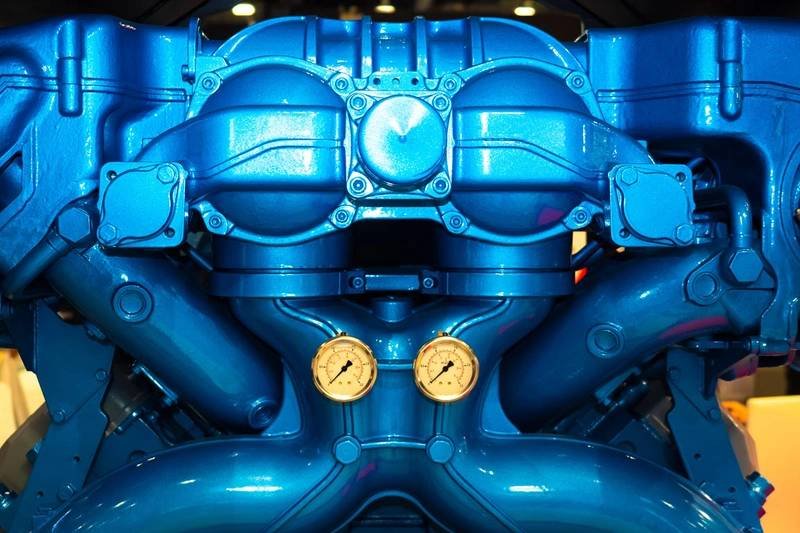
Maritime chief engineers often face challenges due to abrasive “catfines” in marine fuel, which originate from oil refinery catalysts used in Fluid Catalytic Cracking Units (FCCUs). These catalysts, rich in aluminum silicate, can break down into smaller particles that contaminate heavy fuel oils (HSFO and VLSFO). The ISO8217 specification limits aluminum and silicon content to 60 mg/Kg, but the OEM engine limit is much lower at 15 mg/Kg, necessitating effective onboard purification to prevent engine damage.
A recent VPS review revealed that 16% of fuel samples after purification exceeded the OEM limit, indicating inefficiencies in purifiers on approximately 480 vessels. The ongoing military conflict in the Middle East may affect refinery outputs, potentially increasing catfine concentrations in marine fuel. In two-stroke engines, catfines can lead to severe wear, while medium-speed engines are more tolerant but still at risk.
To mitigate damage, ship operators should select reputable fuel suppliers and employ regular fuel system checks. These checks help identify risks, confirm system efficiency, and maintain fuel quality. Key practices include maintaining optimal inlet temperatures for purifiers and ensuring regular maintenance of filters and tanks. By following these guidelines, vessels can enhance engine protection and reduce repair costs.