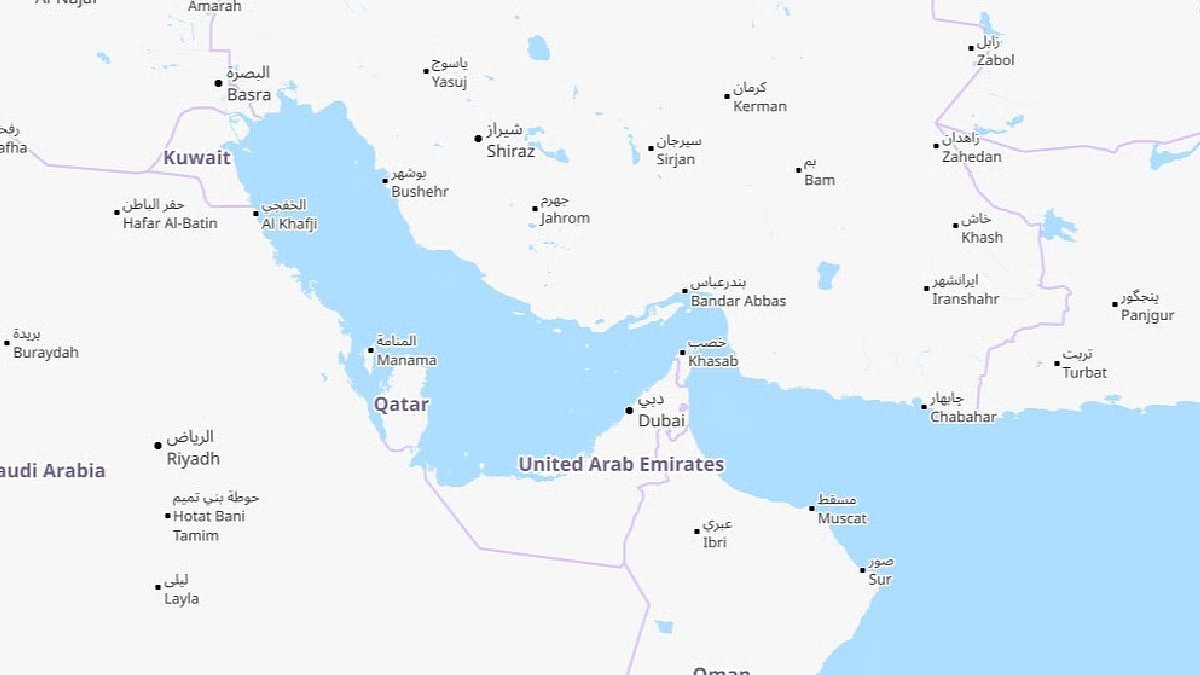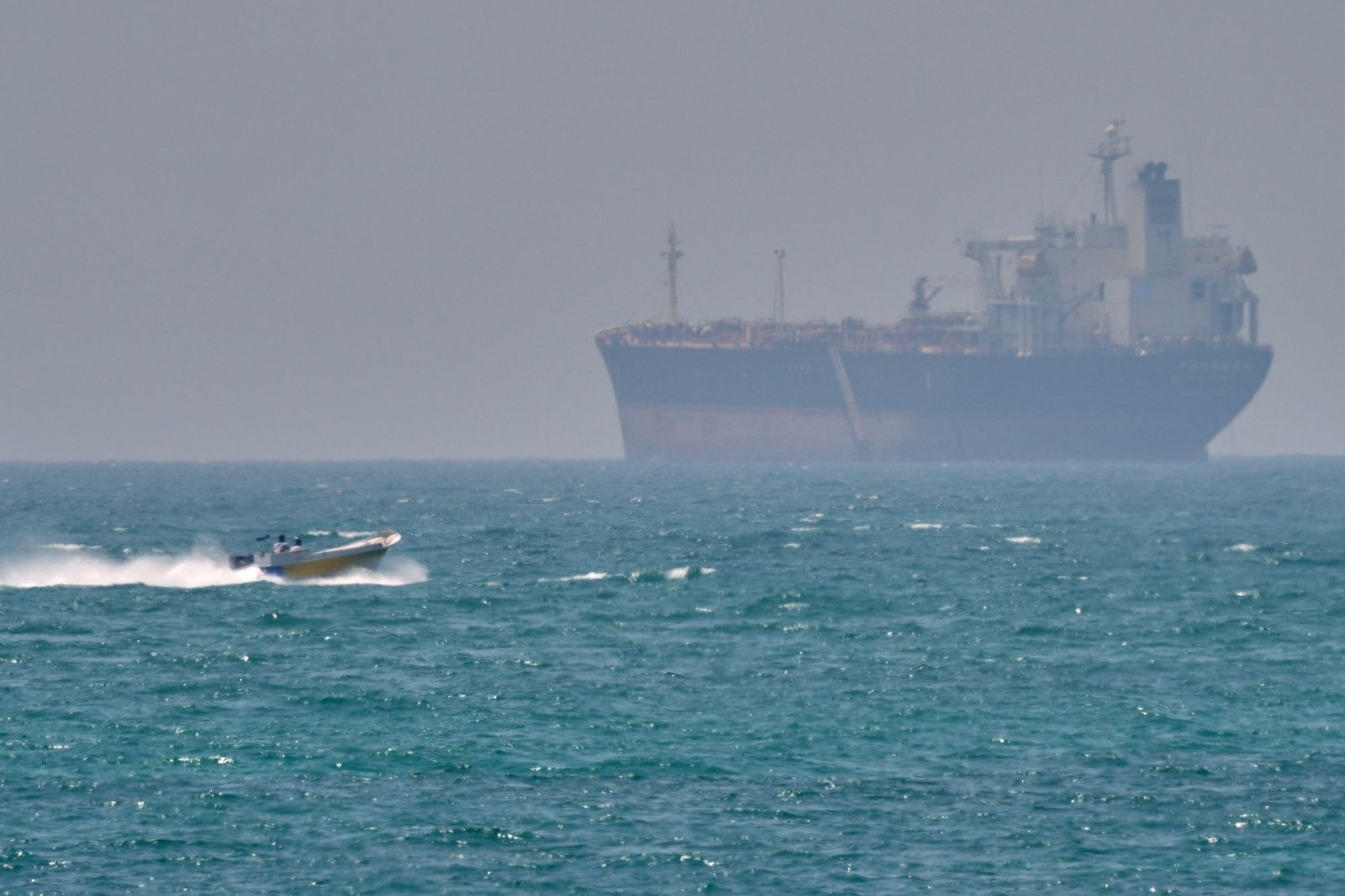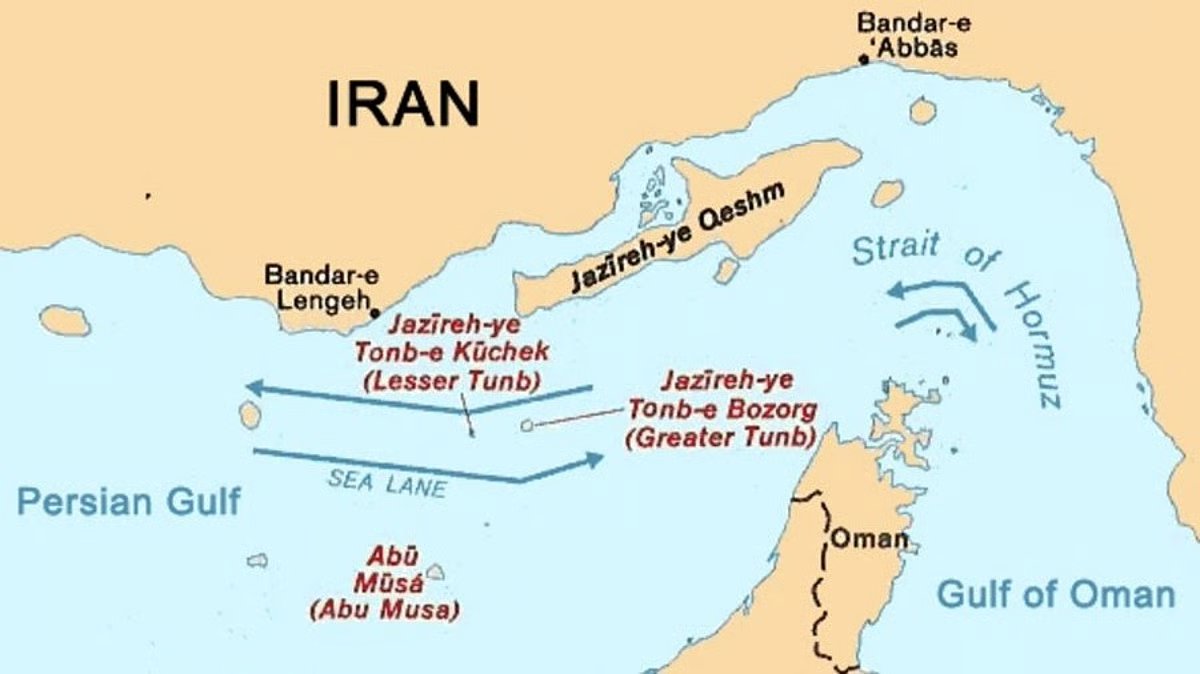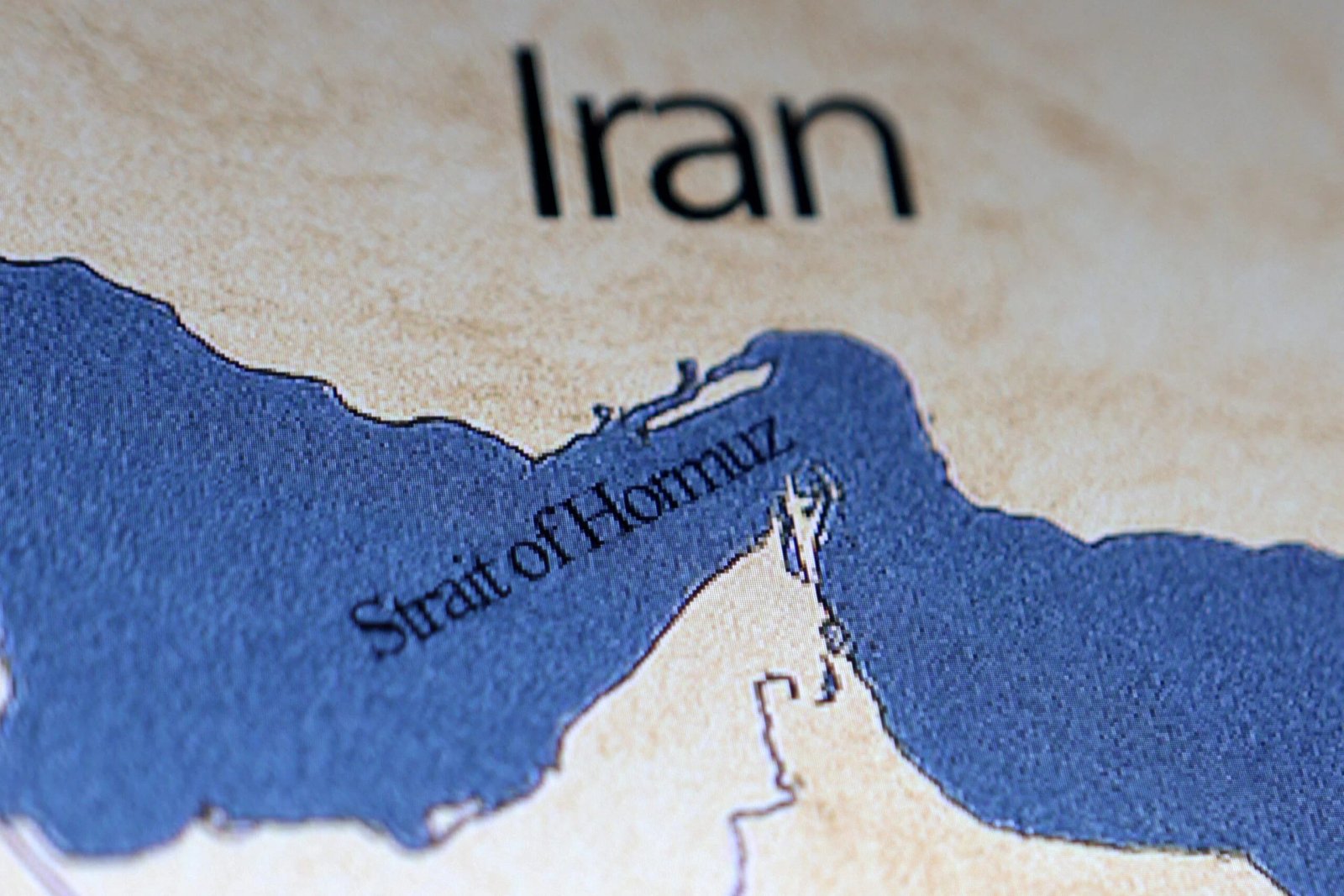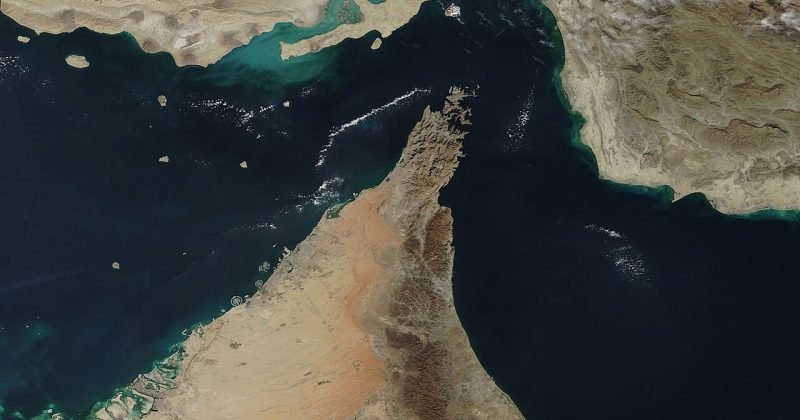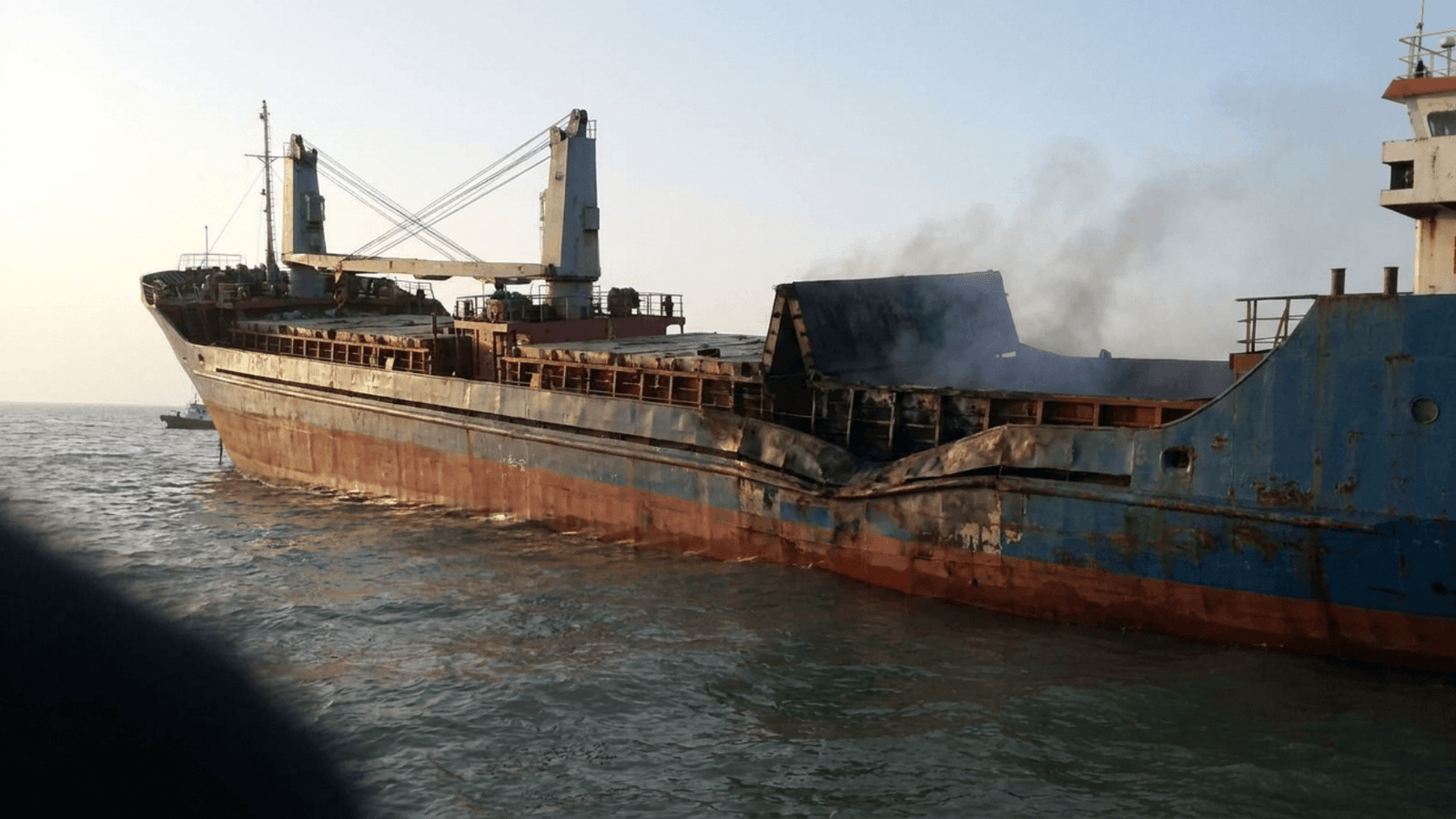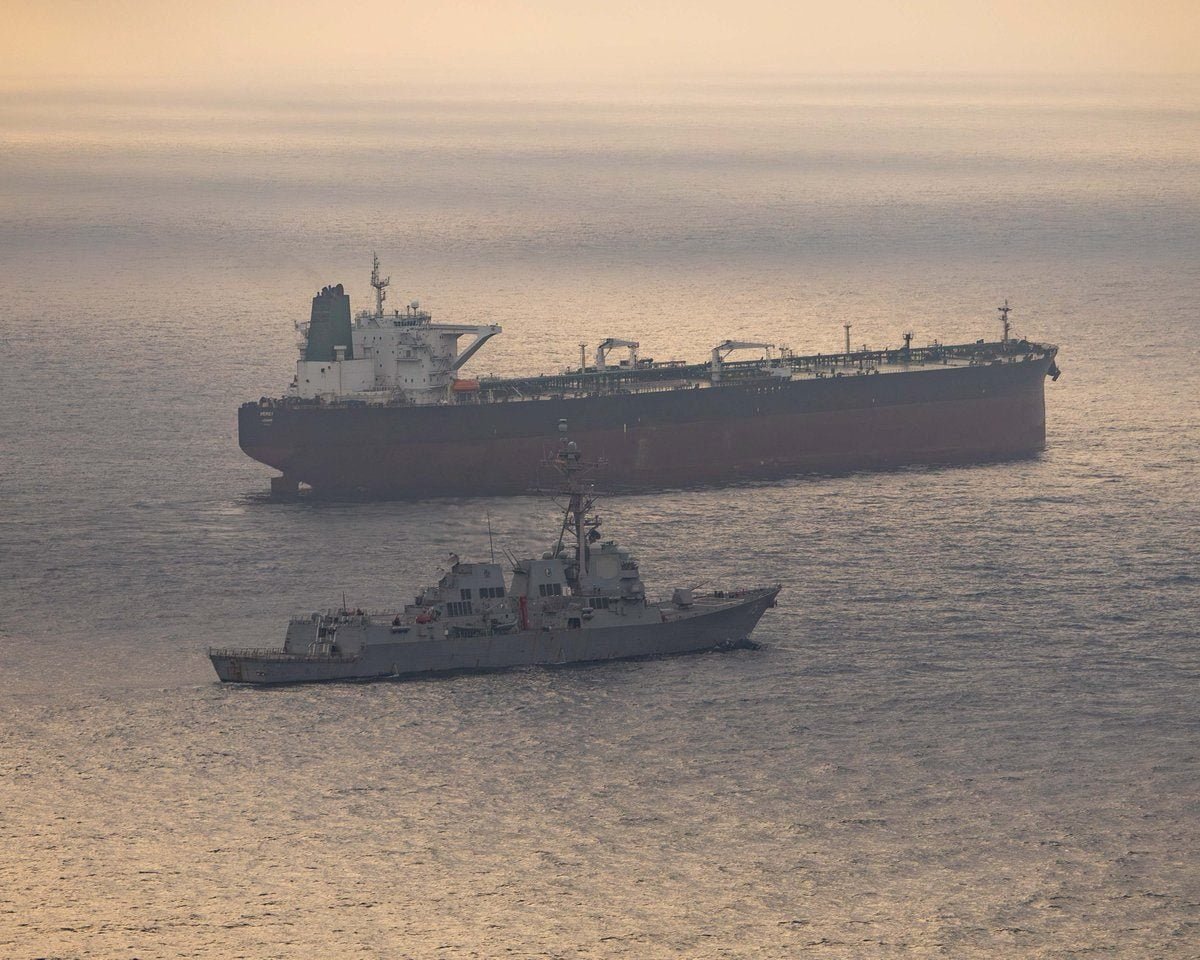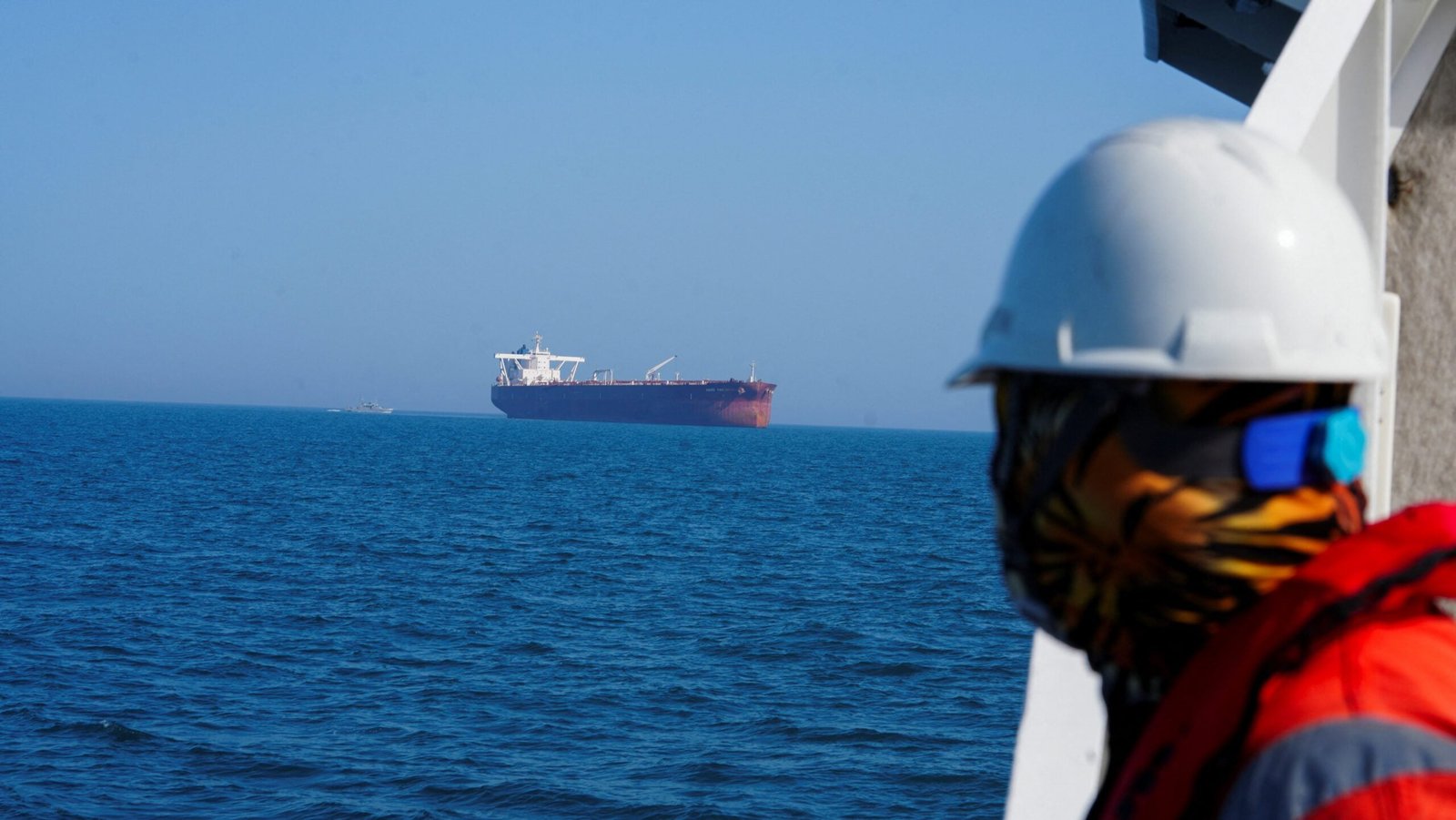
The U.S. Treasury Department has issued new sanctions guidance, explicitly prohibiting payments for “safe passage” through the Strait of Hormuz to Iran or its Islamic Revolutionary Guard Corps (IRGC). This warning, released by the Office of Foreign Assets Control (OFAC) in FAQ 1249, clarifies that both U.S. citizens and institutions, as well as U.S.-owned foreign entities, are not authorized to facilitate such payments. The advisory highlights a significant compliance risk within the already precarious maritime security landscape.
Non-U.S. entities engaged in transactions with sanctioned Iranian parties may also face sanctions, raising concerns about their involvement in such payments. Although OFAC did not confirm the existence of these payments, the guidance transforms the subject from speculation to a clear compliance issue for the global shipping sector. This stance aligns with the larger campaign from maritime regulators against establishing any payment-based transit regime in the strategically crucial waterway, which handles about 20% of the world’s oil trade.
At a recent U.N. Security Council meeting, IMO Secretary-General Arsenio Dominguez emphasized that there are no legal grounds for imposing tolls on transit through the Strait, asserting that freedom of navigation is an essential principle under international law. Industry stakeholders echo these sentiments, voicing that ad hoc arrangements are insufficient; secure navigation routes and guarantees are necessary for restoring commercial confidence in the region.
The complexities surrounding maritime passage are compounded by the OFAC guidance, which adds potential legal exposure for shipowners, who must now navigate not only safety concerns but also the risks tied to payment arrangements. As geopolitical tensions escalate and security incidents increase, the challenges facing shipping operators and insurers in the Strait of Hormuz are only expected to intensify.