This week, the term “US–Iran peace deal” has gained traction, but its significance may be overstated. While markets favor straightforward headlines, the implications of such a deal are complex, particularly for those involved in chartering, trading, or underwriting. A recent Memorandum of Understanding announced on June 14 extends a ceasefire for 60 days but leaves critical issues—like Iran’s nuclear program and sanctions—unresolved. This temporary ceasefire creates a countdown rather than a long-term solution, urging stakeholders to exercise caution rather than commitment.
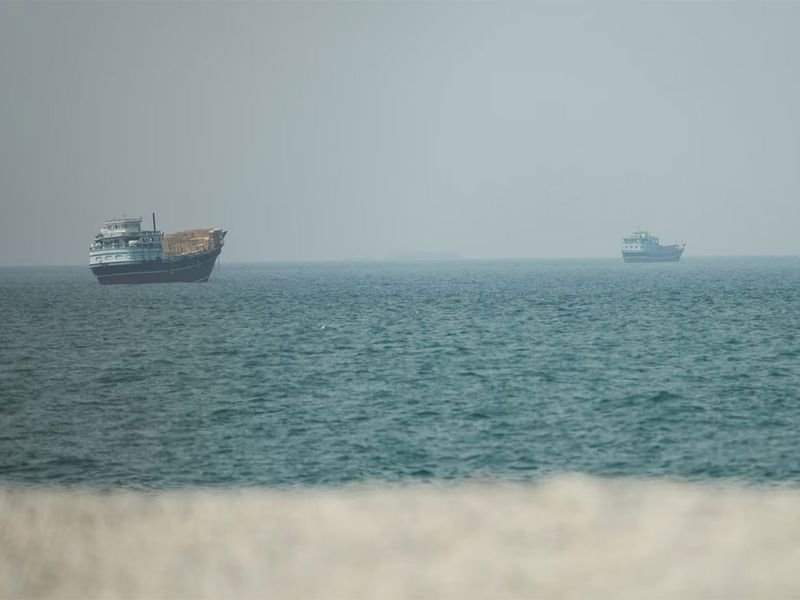
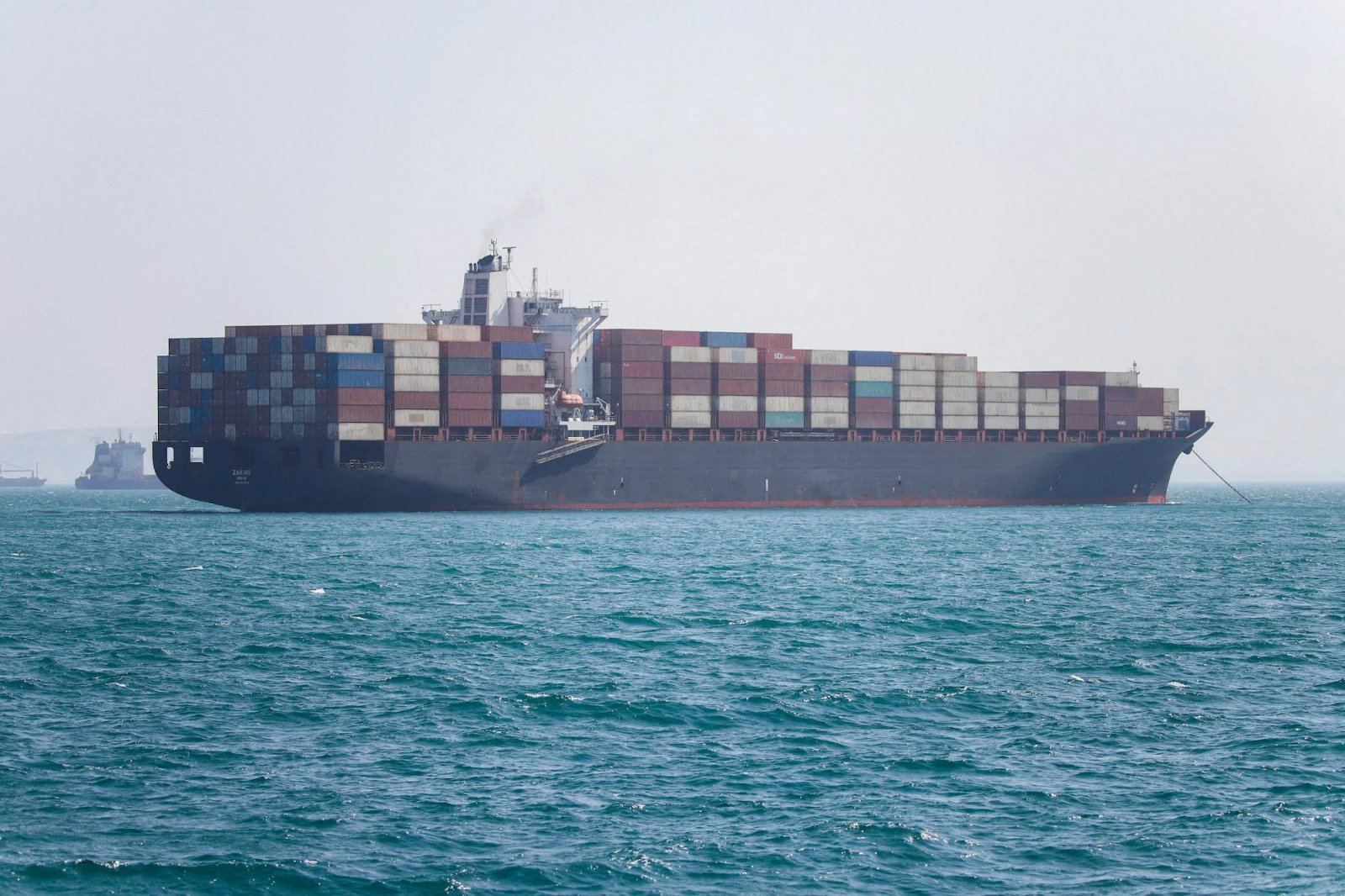
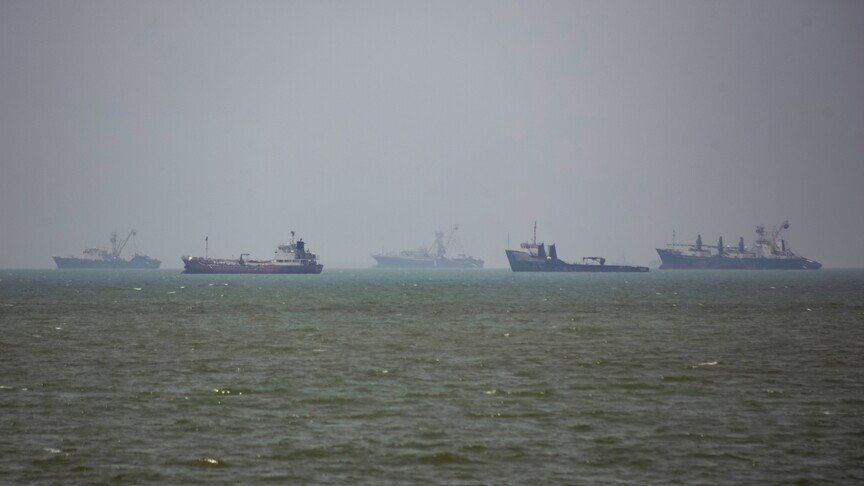
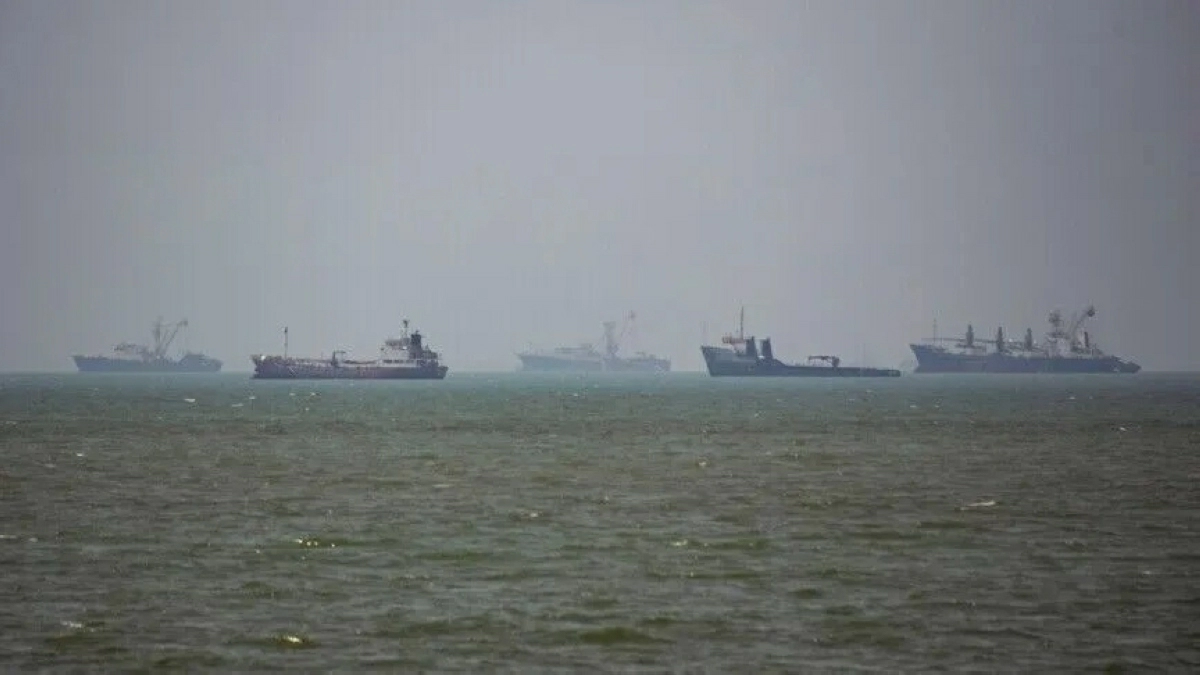
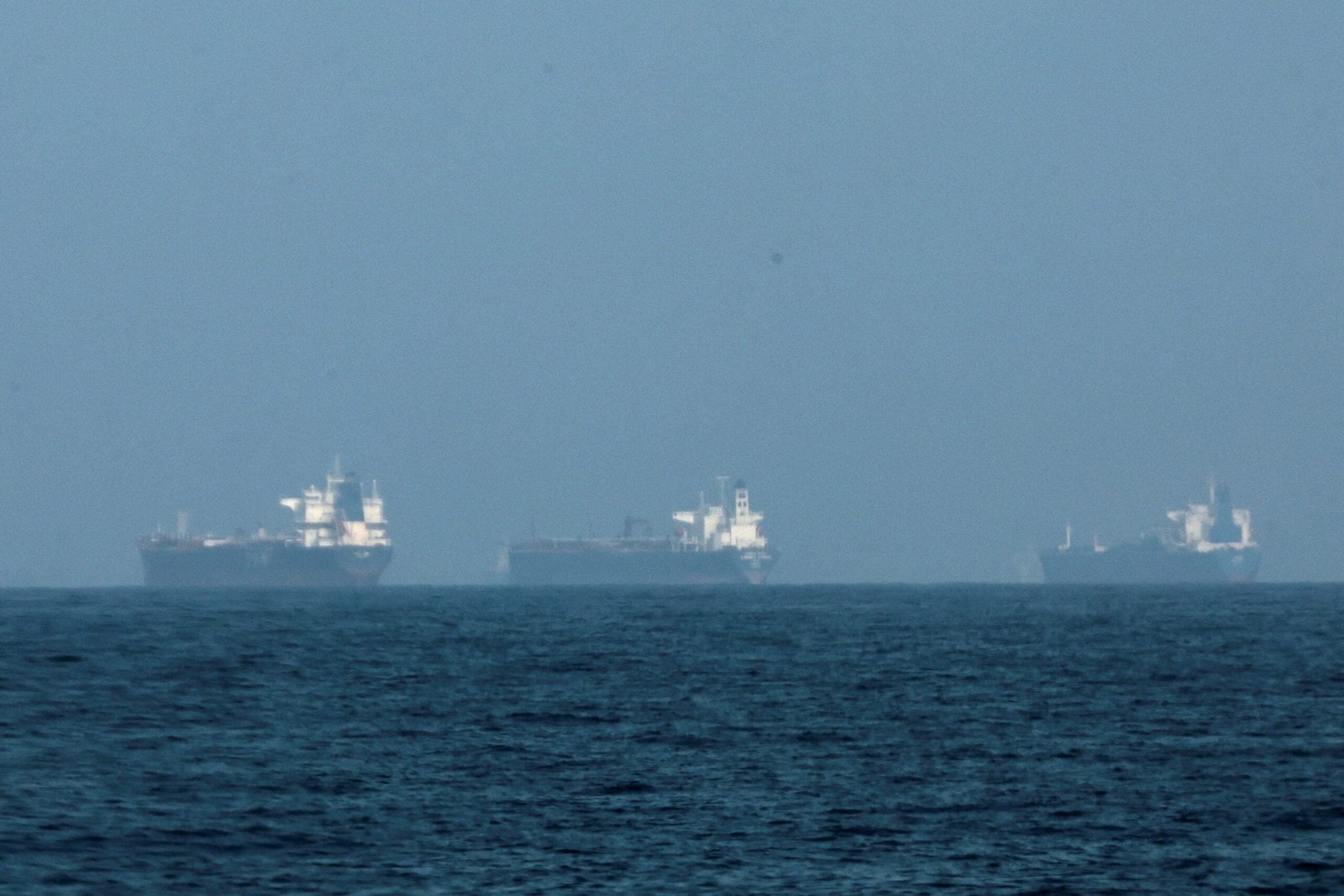
Reopening the Strait of Hormuz, a vital shipping route, is not a guarantee that traffic will return. The strait previously handled a significant portion of global oil and LNG transportation, but confidence among shippers remains a hurdle. The first vessels to navigate the strait will face risks that competitors can learn from without incurring the same costs. As a result, initial traffic is likely to be minimal, with operators opting for short-term exposure while waiting for more substantial proof of safety.
Moreover, the insurance market operates independently of diplomatic agreements. The Joint War Committee assesses risk zones quarterly, meaning a ceasefire does not automatically alter insurance classifications. Even if conditions improve, reinstating previous insurance terms is a lengthy process. Stakeholders should view the current announcement as a temporary measure rather than a definitive resolution, allowing them to maintain flexibility in their operations while closely monitoring both diplomatic developments and insurance market signals.