In 2025, greenhouse gas (GHG) emissions from ships on EU-linked voyages rose, primarily due to the inclusion of new ship categories in the reporting framework, as indicated by EU MRV data. Total emissions increased by 2.1% to 156 million metric tons of carbon dioxide-equivalent (mtCO2eq). Specifically, CO2 emissions grew by 1.8%, while methane emissions surged by 30%, and nitrous oxide emissions saw a 1.2% rise. Notably, 2024 marked the first year that ships were mandated to report methane and nitrous oxide emissions.
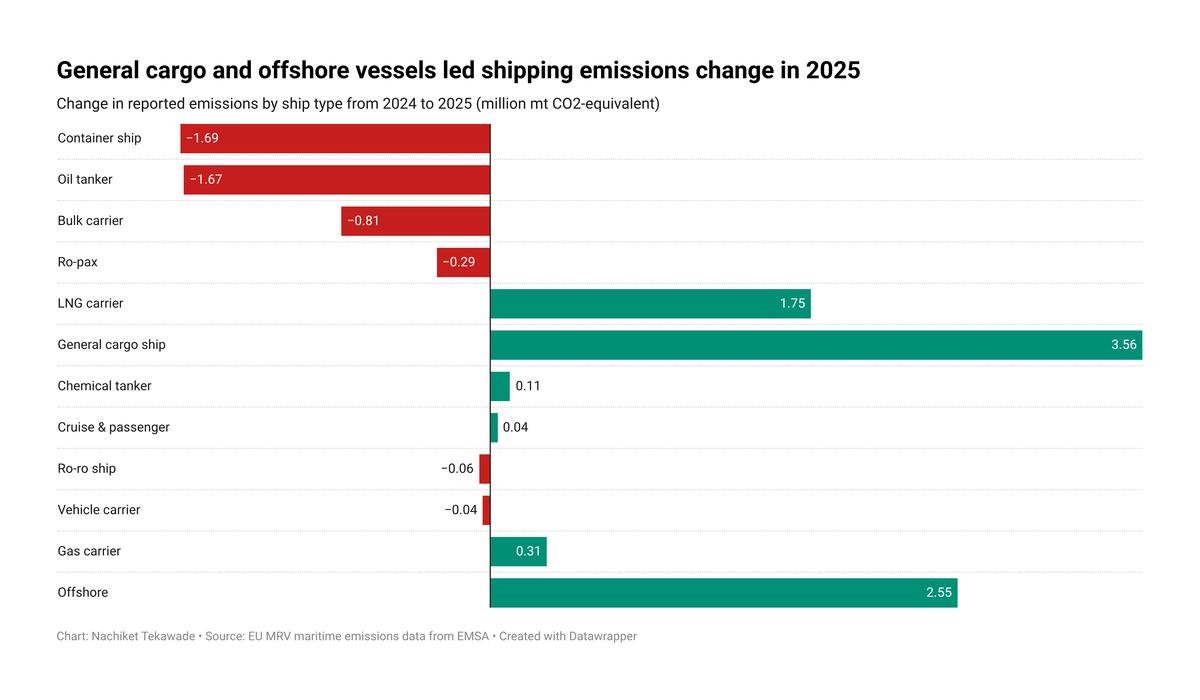
The number of ships reporting emissions rose by approximately 3,000, reaching a total of 17,000, following the expansion of reporting requirements. Starting January 1, 2025, general cargo ships and offshore vessels above certain tonnage thresholds were required to report emissions for the first time. This expansion led to a more than doubling of general cargo vessels in the reporting scope, while offshore vessels saw a significant increase from six to 489.
Newly included vessels contributed an estimated 6 million mtCO2eq to emissions, nearly matching the overall net increase for the year. However, when accounting for larger vessels that did not report in 2024, the actual contribution is likely between 4-6 million mtCO2eq. If these new ships had been excluded, total GHG emissions could have decreased by up to 1.8%, highlighting the impact of expanded reporting.
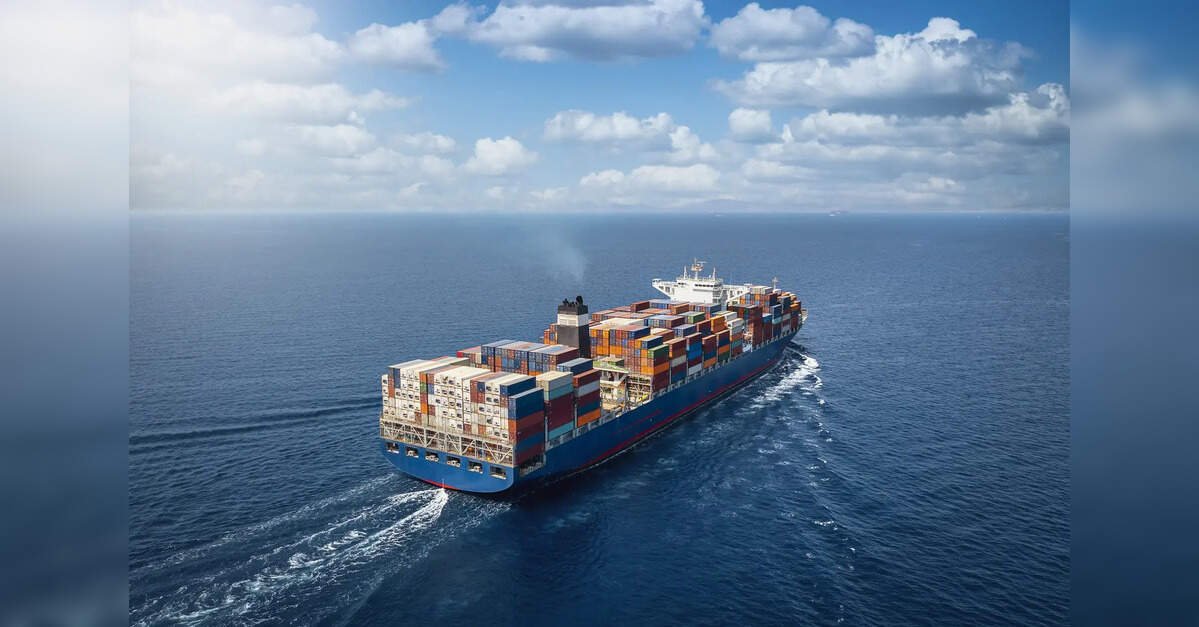
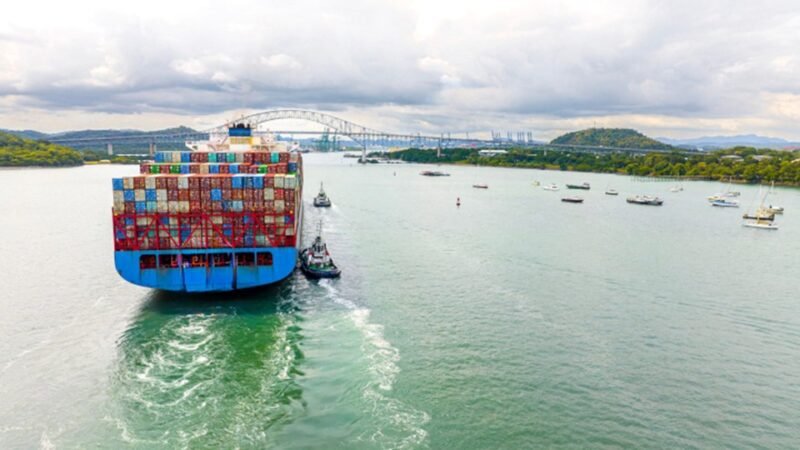
Container ships were the largest contributors, emitting 53 million mtCO2eq in 2025, surpassing oil tankers, bulk carriers, and ro-pax ships combined. Although container ship emissions fell by 3.6% from 2024, they remained significantly higher than in 2023. Oil tankers followed with 17 million mtCO2eq, while emissions from bulk carriers and ro-pax ships also represented considerable shares. Additionally, cruise ships recorded around 15% of their emissions while docked, the highest among all ship types.