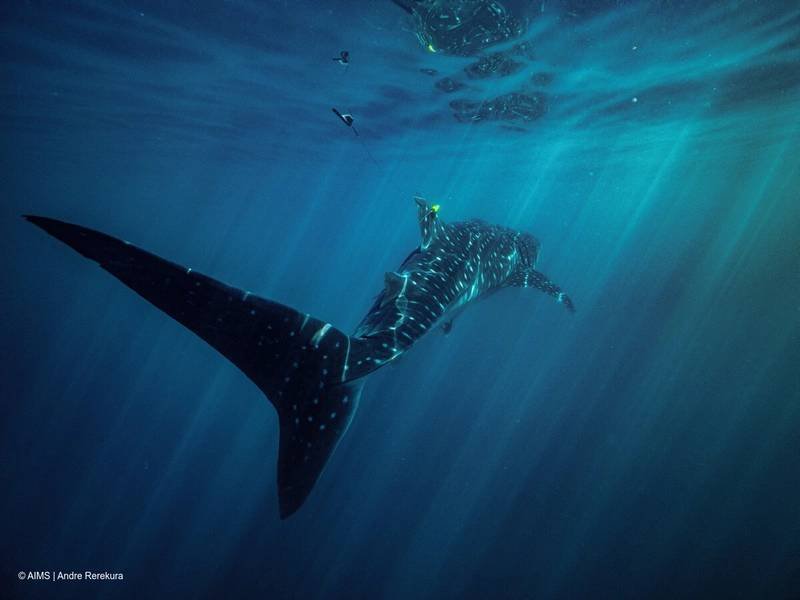
Sharks, long depicted as menacing in films like “Jaws” and “Sharknado,” are now being studied for their potential role in gathering critical ocean data ahead of hurricanes. Researchers at the University of Delaware are investigating whether these marine predators, equipped with sensors, can provide real-time information on ocean conditions to assist in more accurate hurricane modeling.
These sensors, known as CTD tags, measure important metrics such as electrical conductivity, temperature, and depth while the sharks swim. Past studies have effectively utilized animal-borne sensors, notably on elephant seals in remote Arctic regions, but sharks present a novel opportunity for widespread data collection given their abundance and accessibility.
The research team targets specific shark species, such as shortfin mako, blue sharks, and juvenile great whites, known for surfacing frequently enough to transmit data via satellite. The focus is particularly on the ocean’s “mixed layer,” which significantly influences hurricane intensity—warmer water in this layer correlates with stronger storms.
The tagging process is efficient and minimally invasive, conducted under strict animal care guidelines. If successful, this project could provide valuable insights, improving hurricane forecasts and enhancing coastal resilience from North Carolina to Massachusetts, ultimately promoting a better understanding of sharks as allies rather than adversaries.