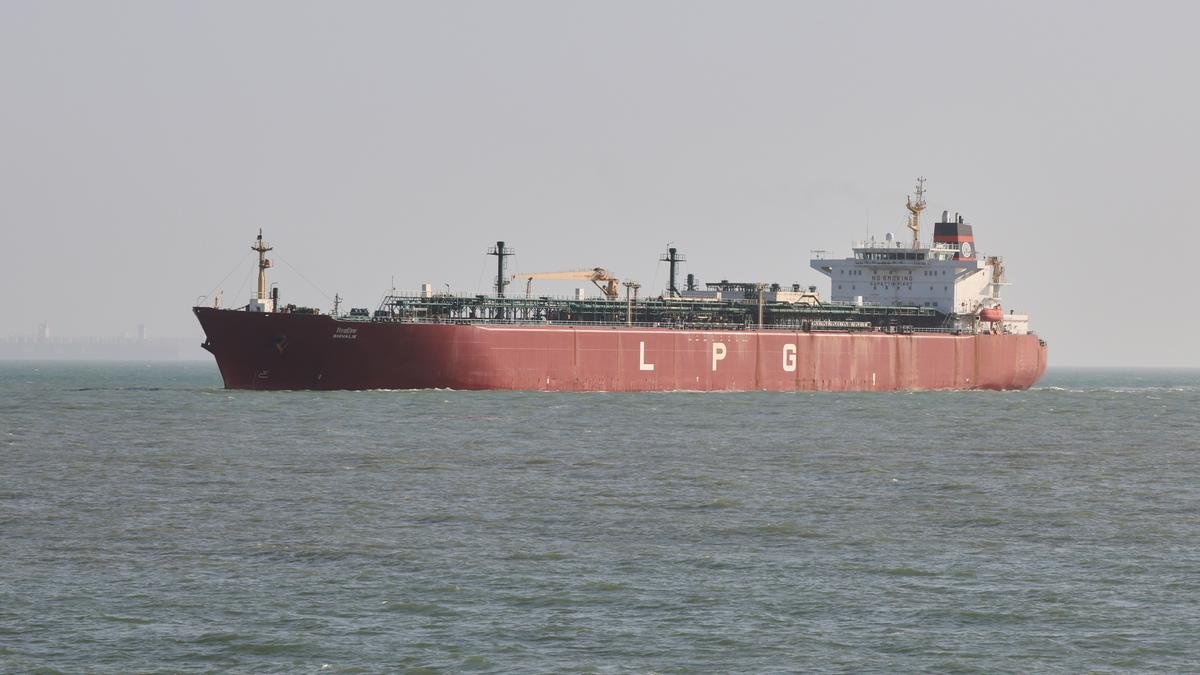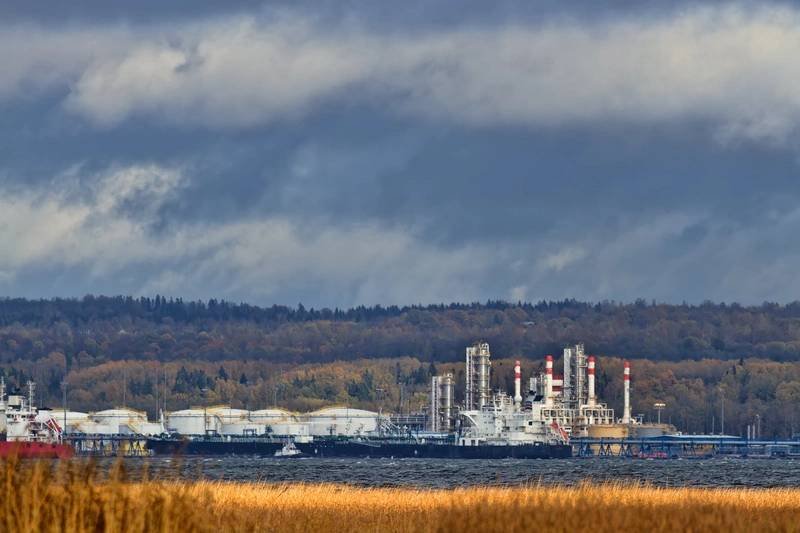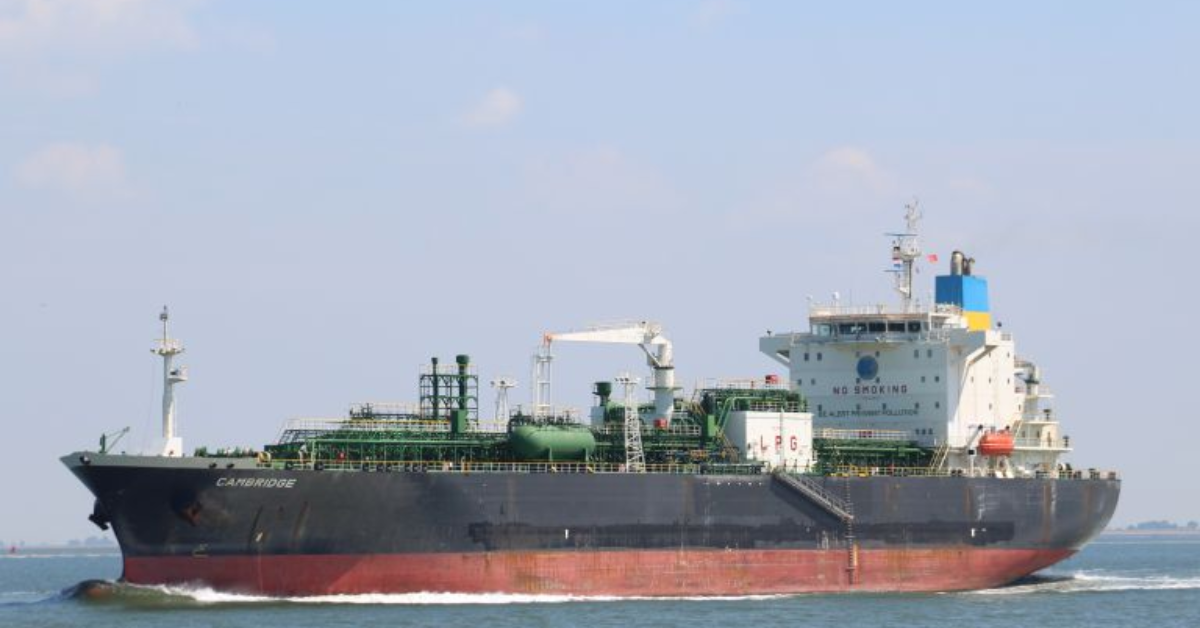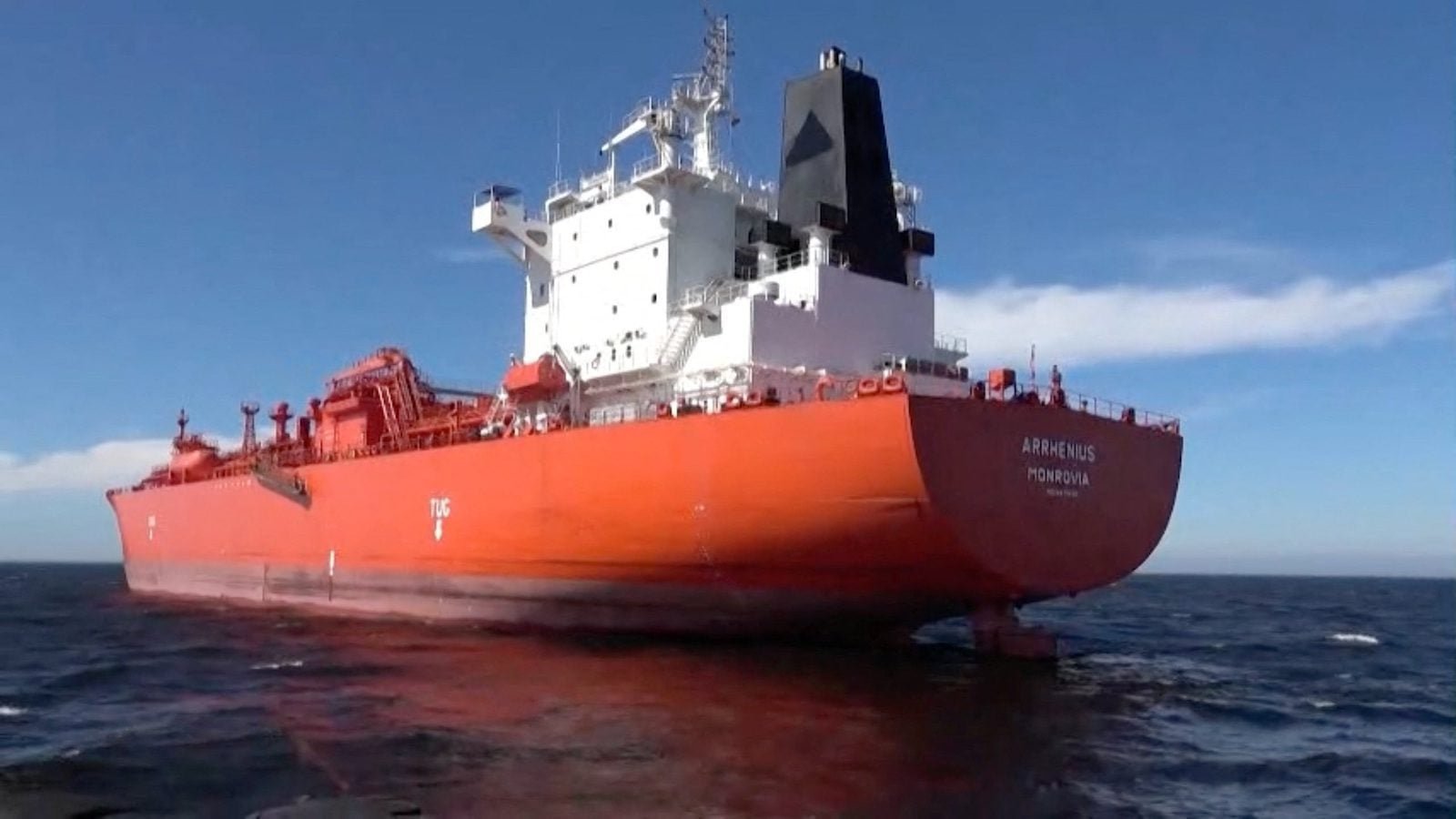
Russia’s Federal Security Service (FSB) reported that divers discovered magnetic explosive devices on the hull of the Liberia-flagged LPG tanker Arrhenius in the Baltic Sea port of Ust-Luga. Authorities characterize this as a thwarted terrorist attack, suggesting potential responsibility lies with an unnamed NATO country, raising concerns about energy transport vulnerabilities and the risk of escalating tensions.
The Arrhenius, which arrived in Ust-Luga from Antwerp, had its explosives neutralized before detonation. Measuring 174 meters and operating under a Liberian flag, the vessel was confirmed to be on schedule to take on LPG cargo before heading to Turkey. Investigators are focusing on its time anchored offshore Antwerp, claiming that external conditions, such as a workers’ strike, could have provided the opportunity for attaching the devices.
This incident underscores a shift in sabotage tactics from aerial drone strikes to more covert underwater methods. With Russia heavily impacted by recent drone campaigns, the successful detection of explosives through routine inspections raises critical questions about the security measures in place for vessels entering ports worldwide. The implications extend beyond this event, prompting re-evaluation of maritime safety protocols.
As speculation grows about potential retaliatory actions by Russia, the broader impact on shipping and energy infrastructure remains uncertain. Moscow’s decision on whether to respond militarily or leverage this situation for political narrative will likely influence future maritime operations amid ongoing tensions.