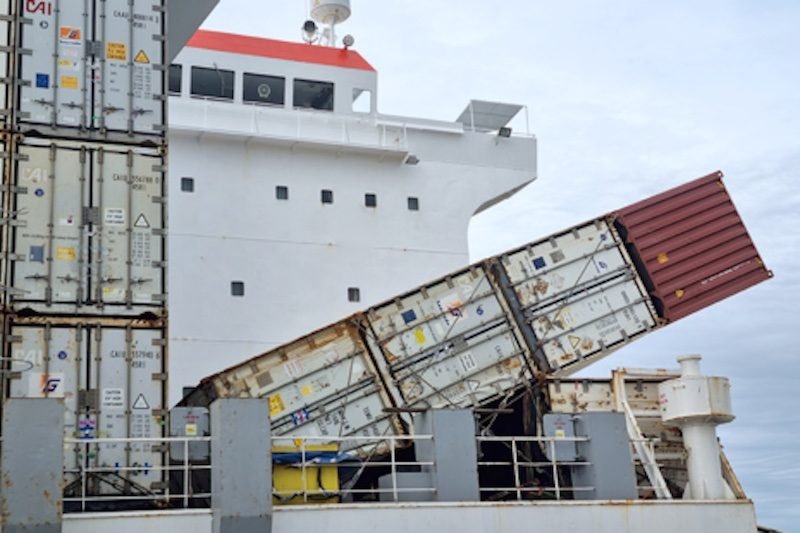
A new analysis by Sofar Ocean reveals that conventional marine forecasts often overlook critical wave conditions that can lead to dangerous vessel rolling and cargo losses. While most forecasts focus on wave height, they fail to account for wave period, direction, and the vessel’s heading, speed, and load, which can significantly affect a ship’s stability at sea.
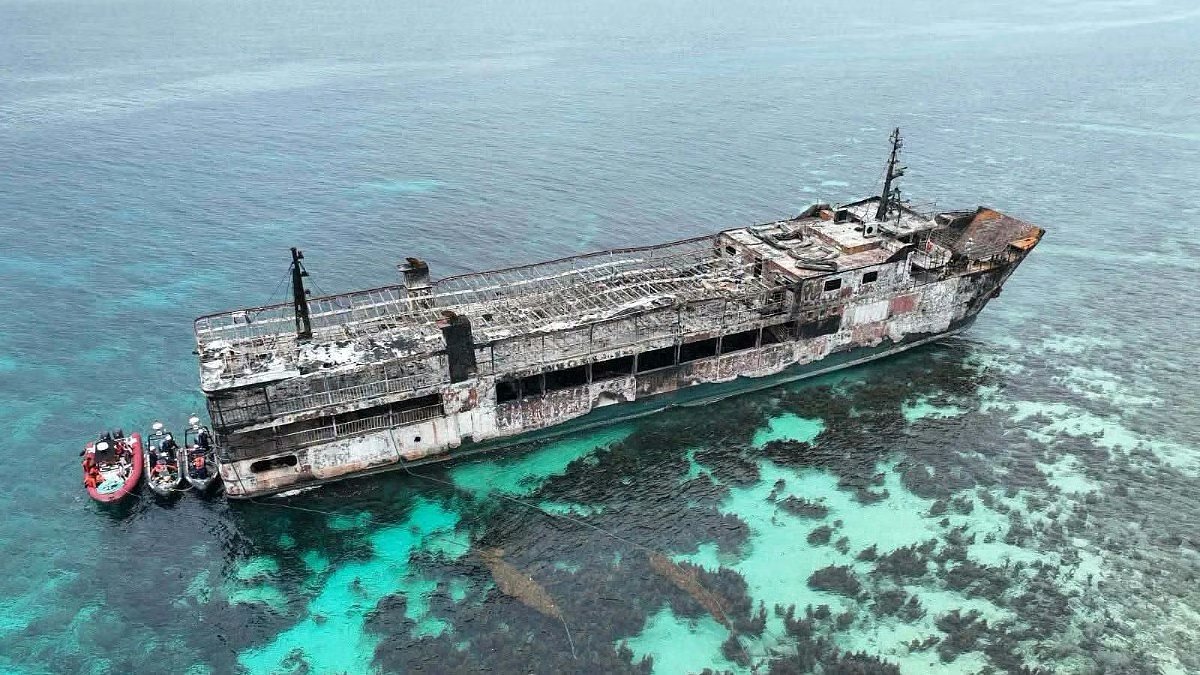
The study highlights the December 2025 incident involving the Baltic Klipper, where the vessel lost cargo near the Isle of Wight. Although wave heights were not extreme, long-period swells exceeded 15 seconds, a risk that standard forecasts did not identify. In contrast, Sofar’s forecast utilized direct measurements of the swell, successfully predicting the risk more than two days in advance.
With an increasing number of vessels navigating through weather-exposed areas like the Cape of Good Hope, there has been a notable rise in heavy-weather claims. Sofar Ocean’s Senior Routing Specialist, Jessica Topal, emphasizes that wave height alone is insufficient for risk assessment; timing and direction are also critical.
The analysis underscores the importance of comprehensive wave field measurements to enhance understanding of wave characteristics, which can help mitigate risks that height alone may not reveal. For further insights, the full white paper is available on Sofar Ocean’s website.