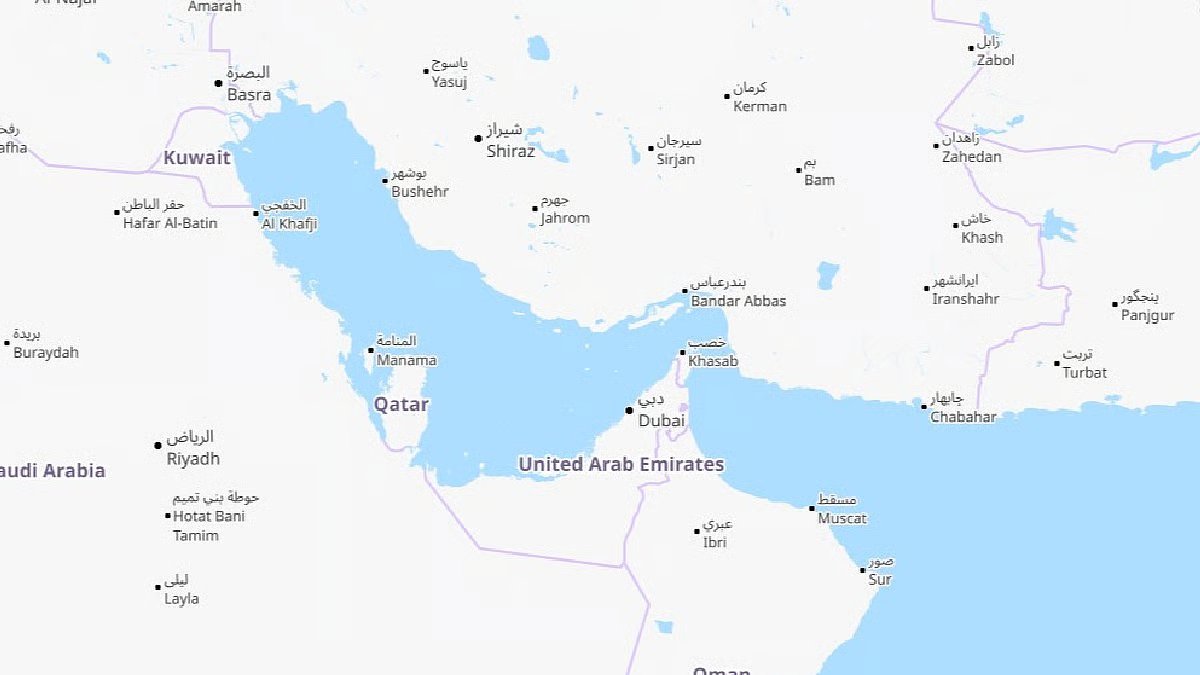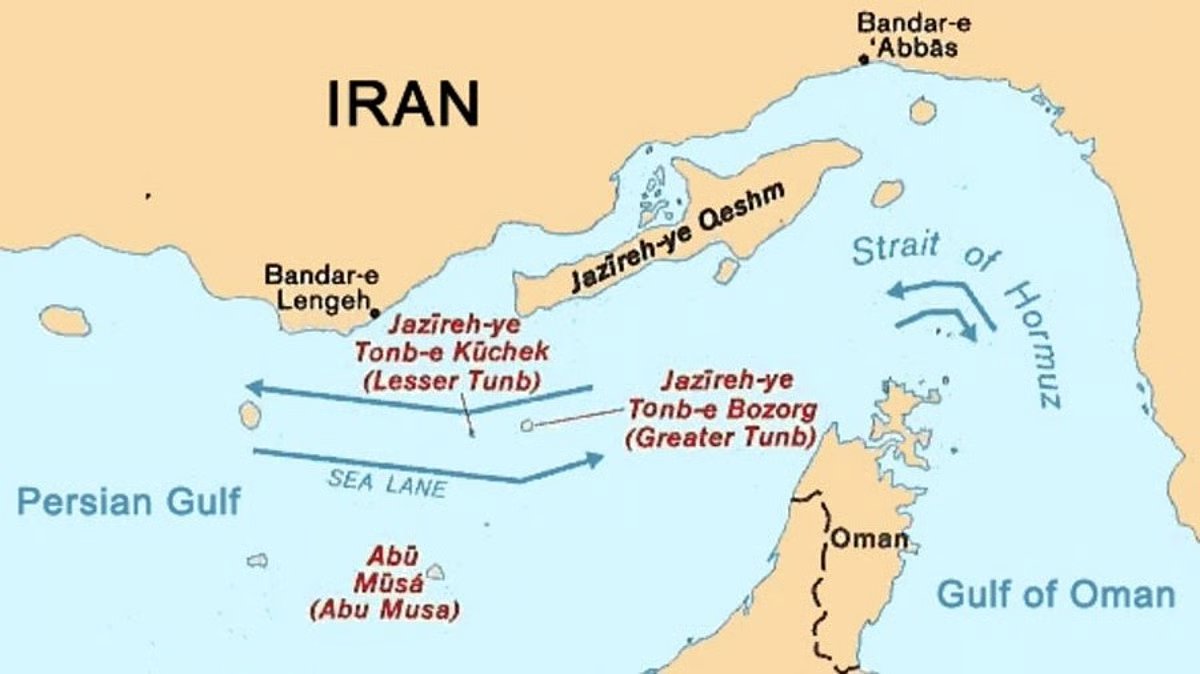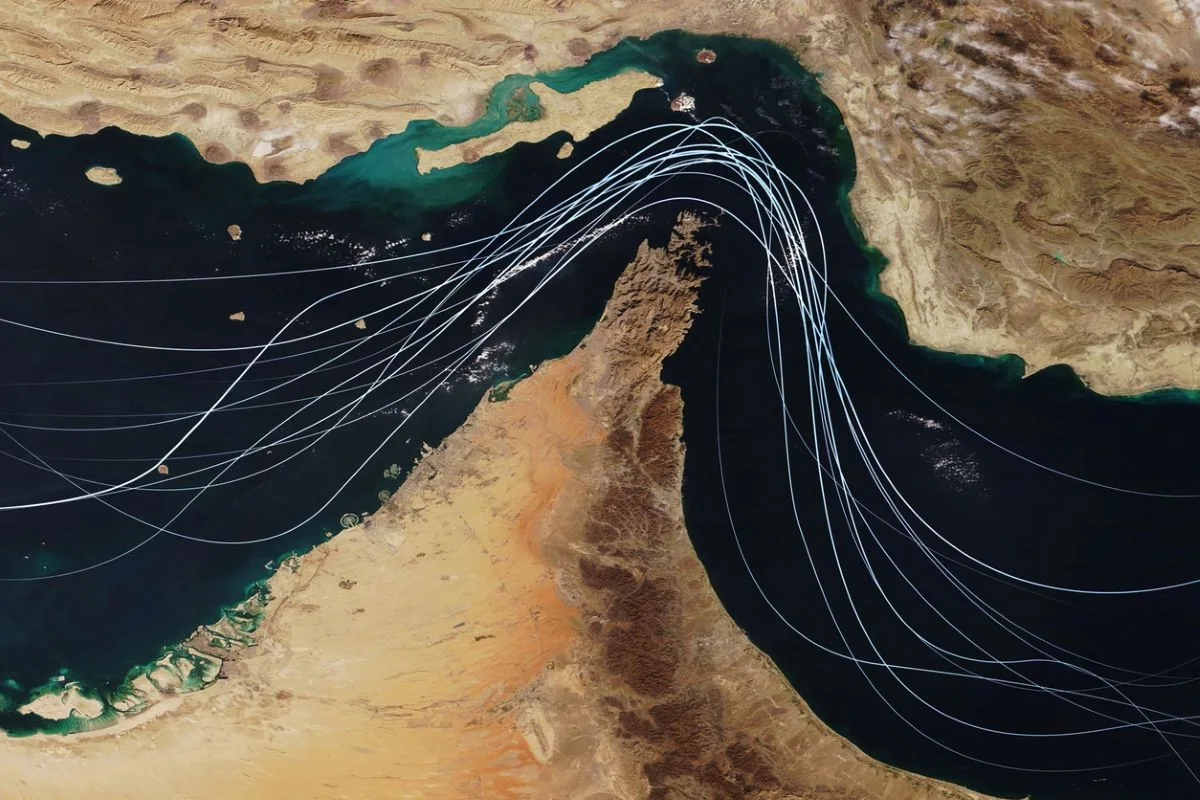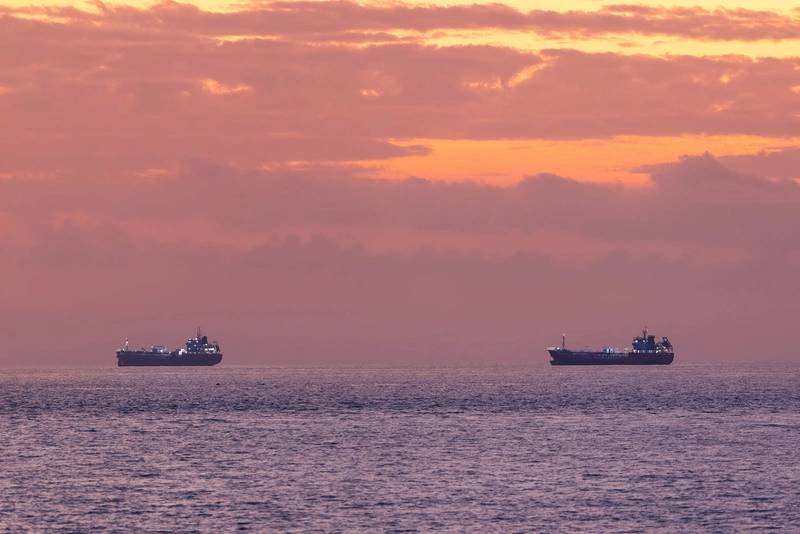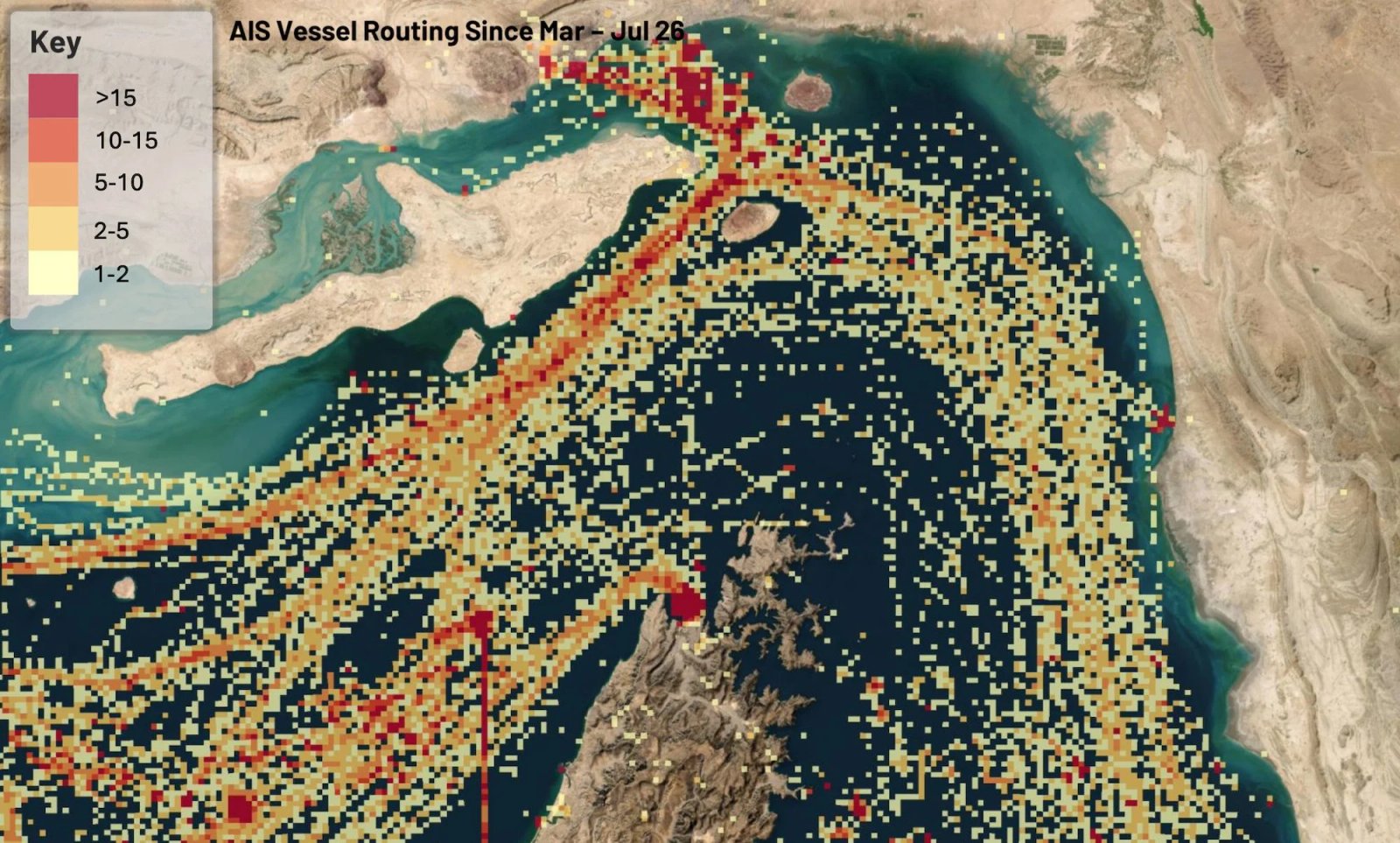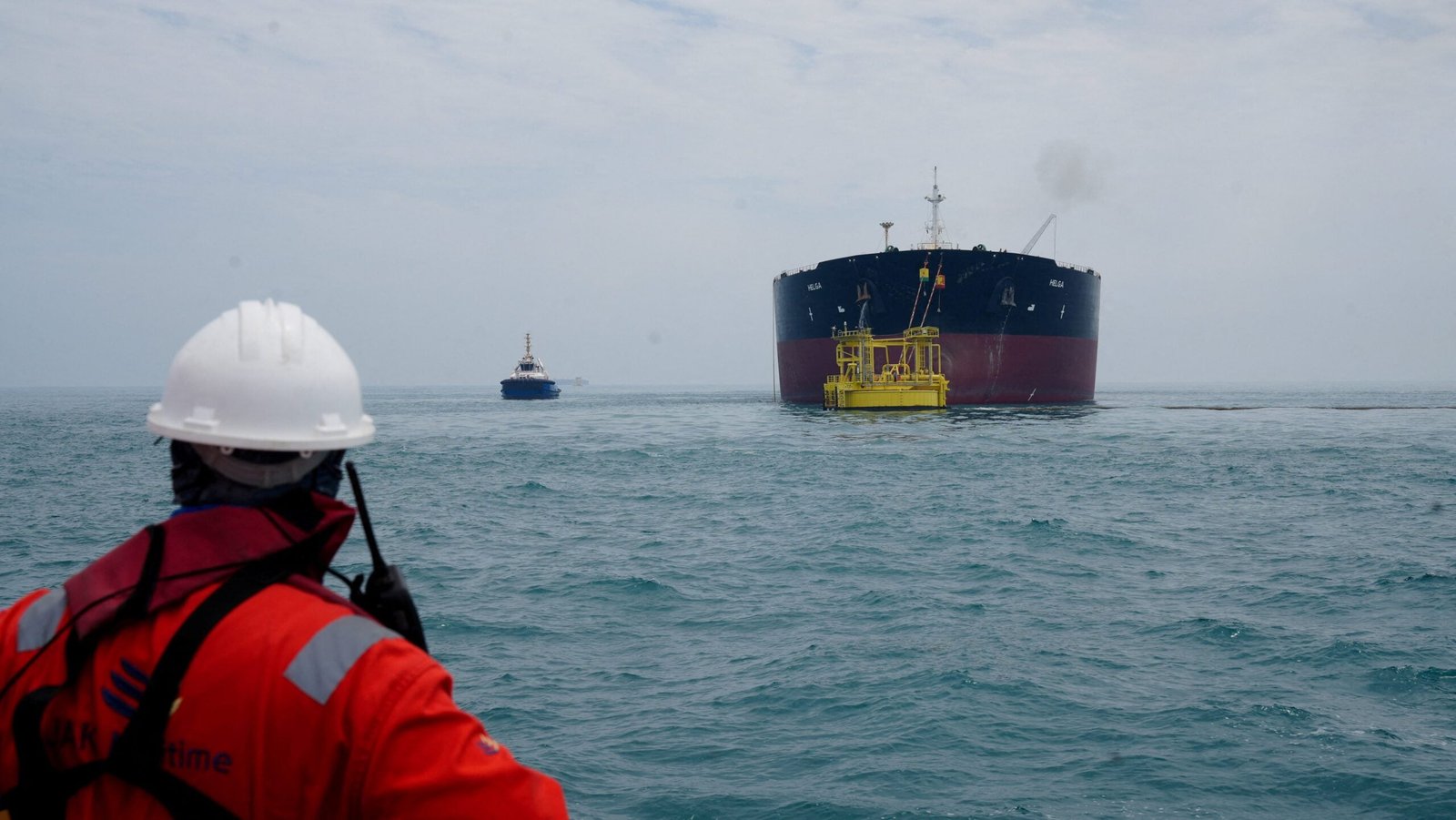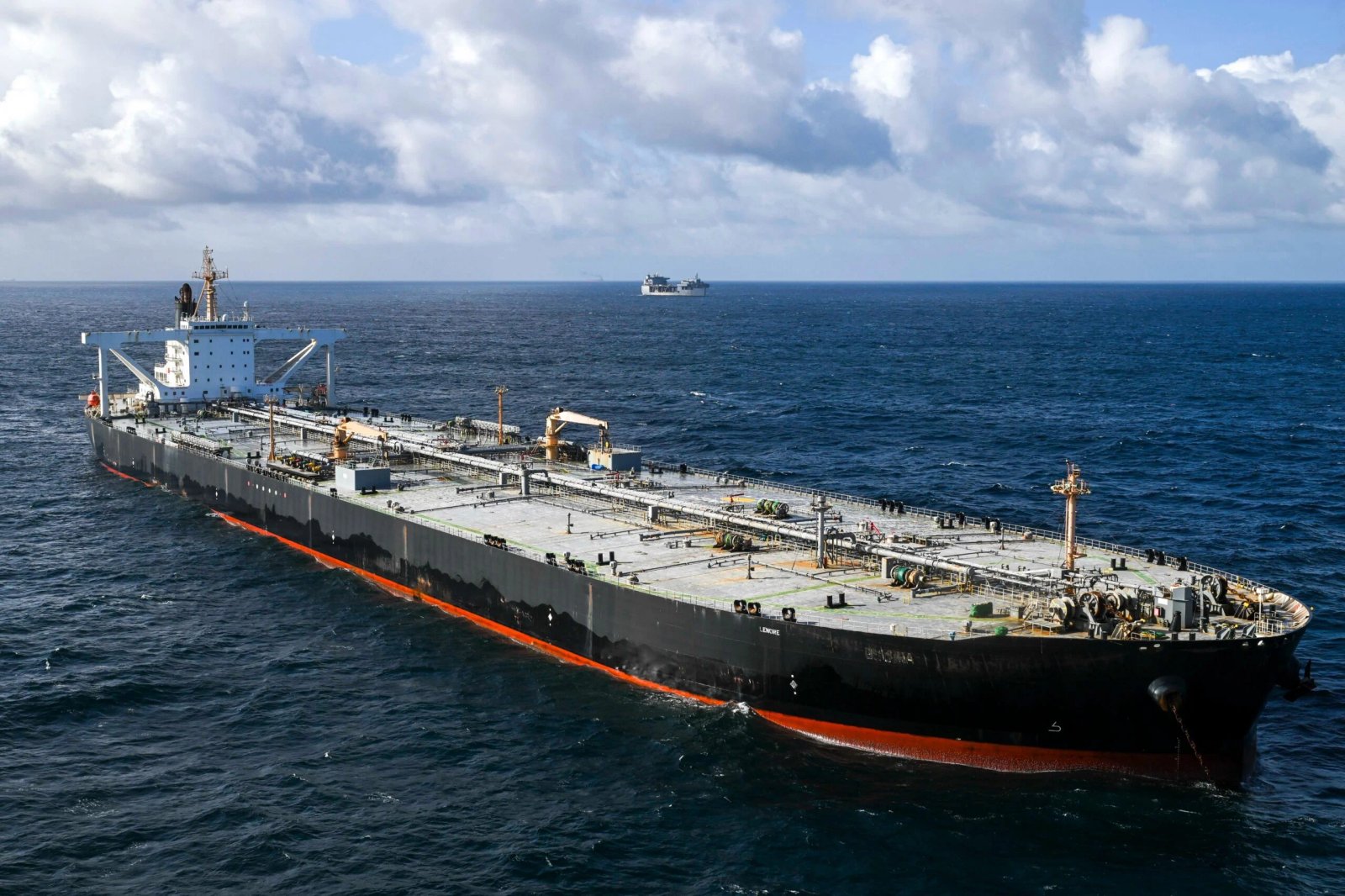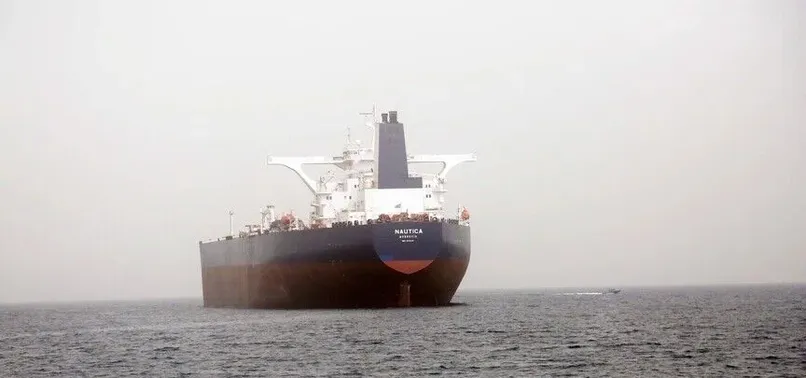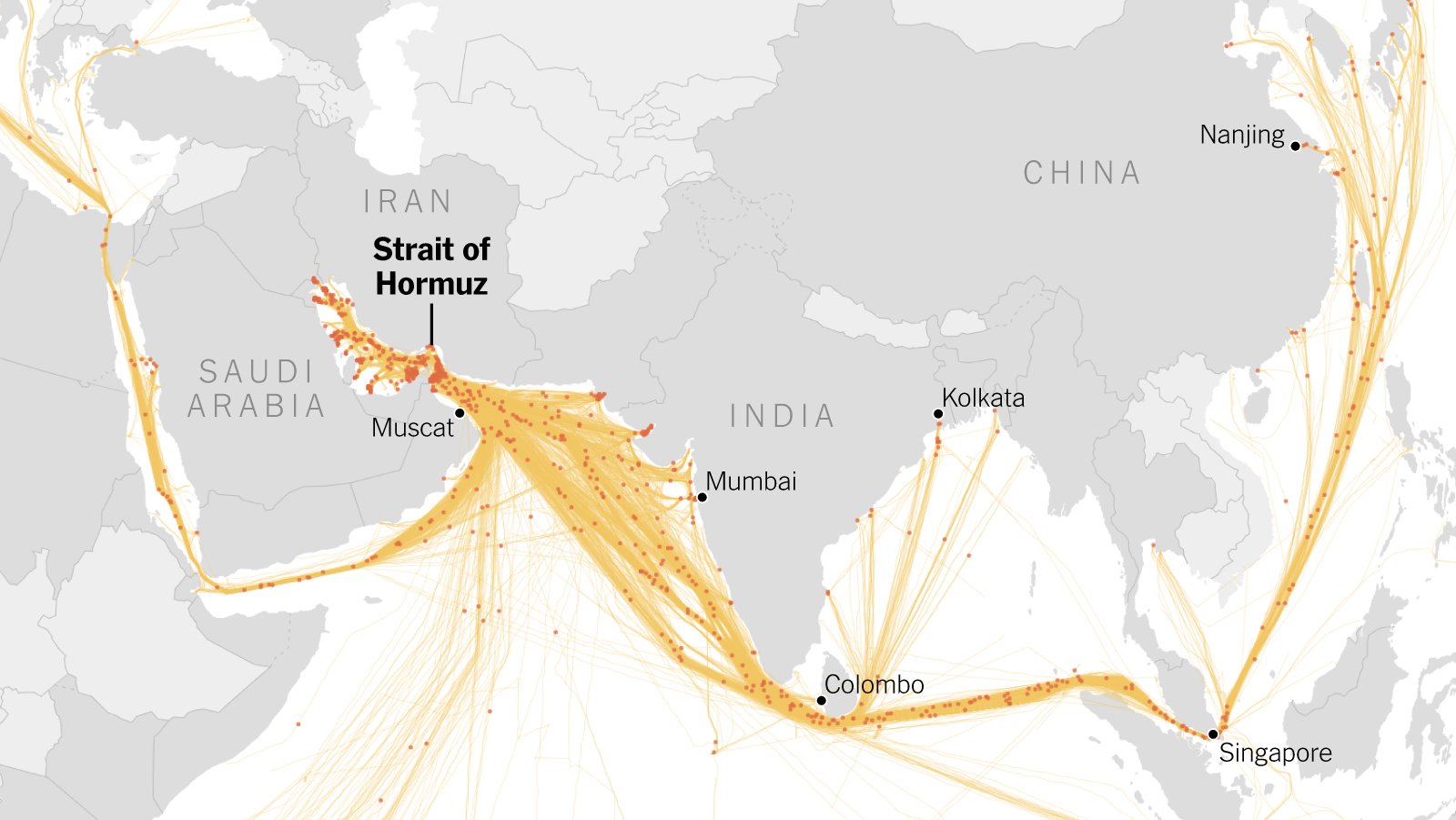
A recovery in tanker traffic through the Strait of Hormuz indicates a fragile situation, further complicated by Iran’s new transit fees. Last week, the passageway, crucial for nearly a fifth of the world’s oil and LNG during peacetime, saw 55 commodity vessels transit, a significant rise from just 19 the previous week. This increase was attributed to the Islamic Revolutionary Guard Corps easing movement restrictions, yet analysts warn that the rebound should be viewed cautiously.
Despite this uptick, overall traffic remains well below pre-conflict levels. Since early March, the average number of vessels crossing has been about 55 per week, contrasting sharply with historical numbers during stable conditions. The cargo mix also raises concerns; while half of the transiting vessels were liquid carriers, only one LNG tanker passed through last week, reflecting major disruptions in LNG trade.
Tehran’s stance adds another layer of uncertainty, as authorities have suggested that shipping will not return to pre-war levels. Additionally, Iranian officials hinted at potential restrictions for vessels from nations adhering to U.S. sanctions, further politicizing access. For India, which relies heavily on Gulf crude imports, the situation is particularly precarious, with refiners closely monitoring developments that could impact energy supplies. The ongoing diplomatic stalemate between Iran and the U.S. is likely to perpetuate this volatility.