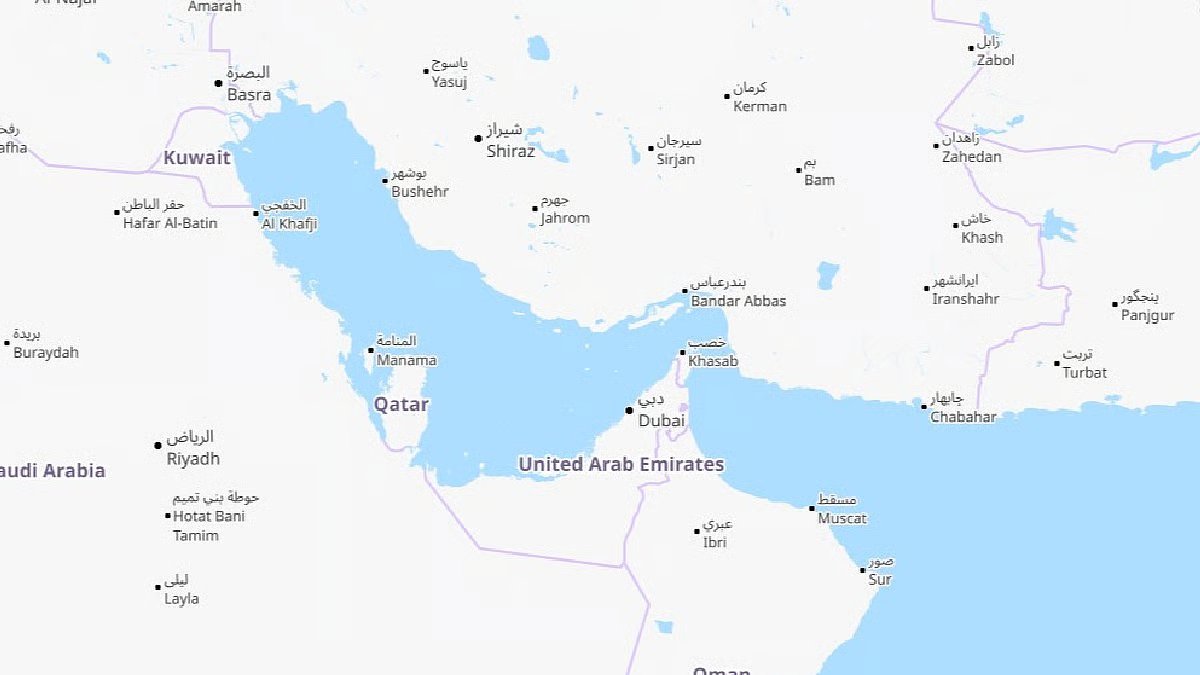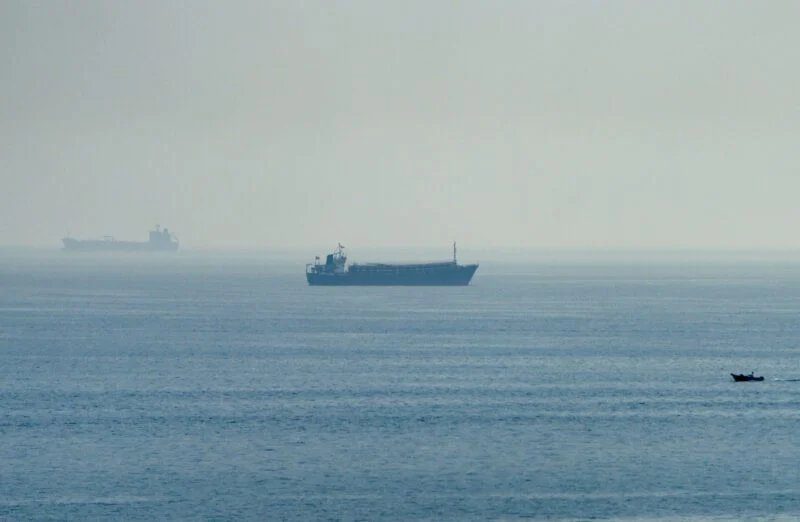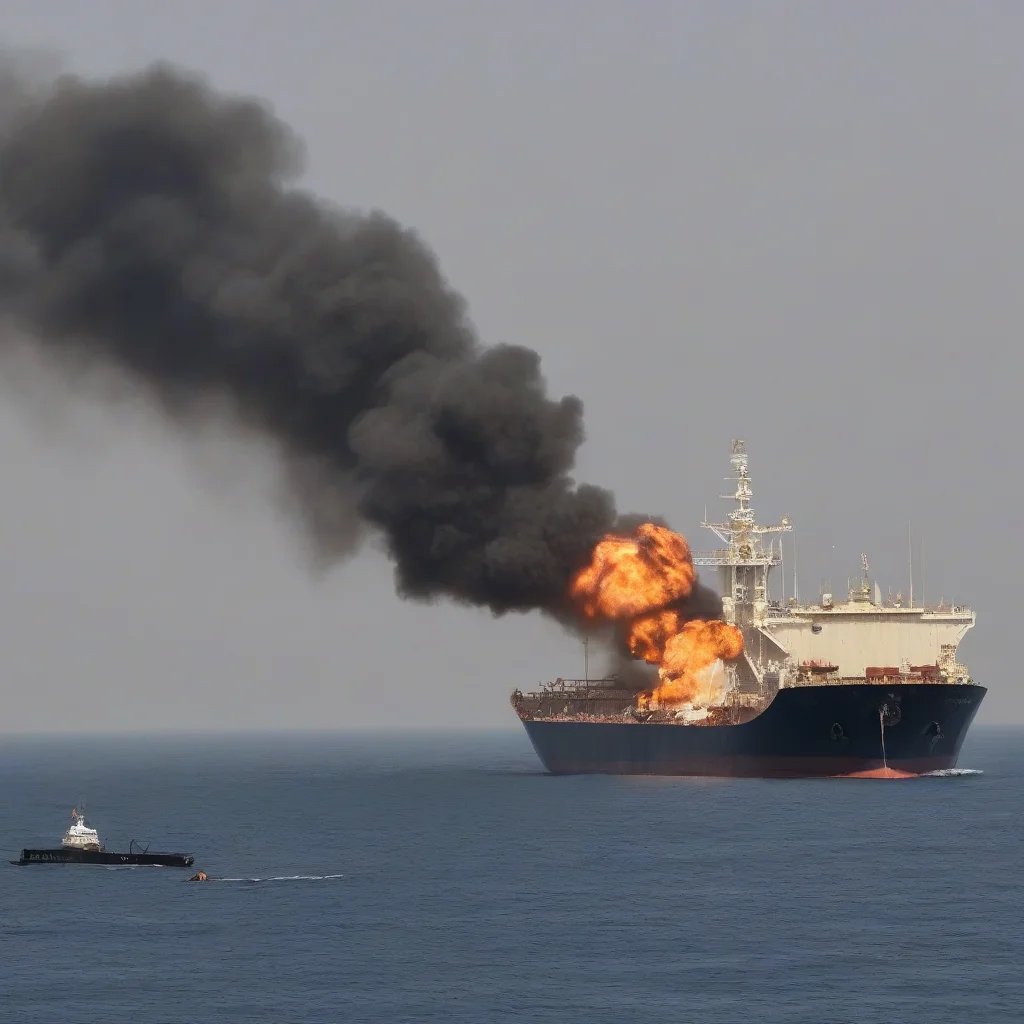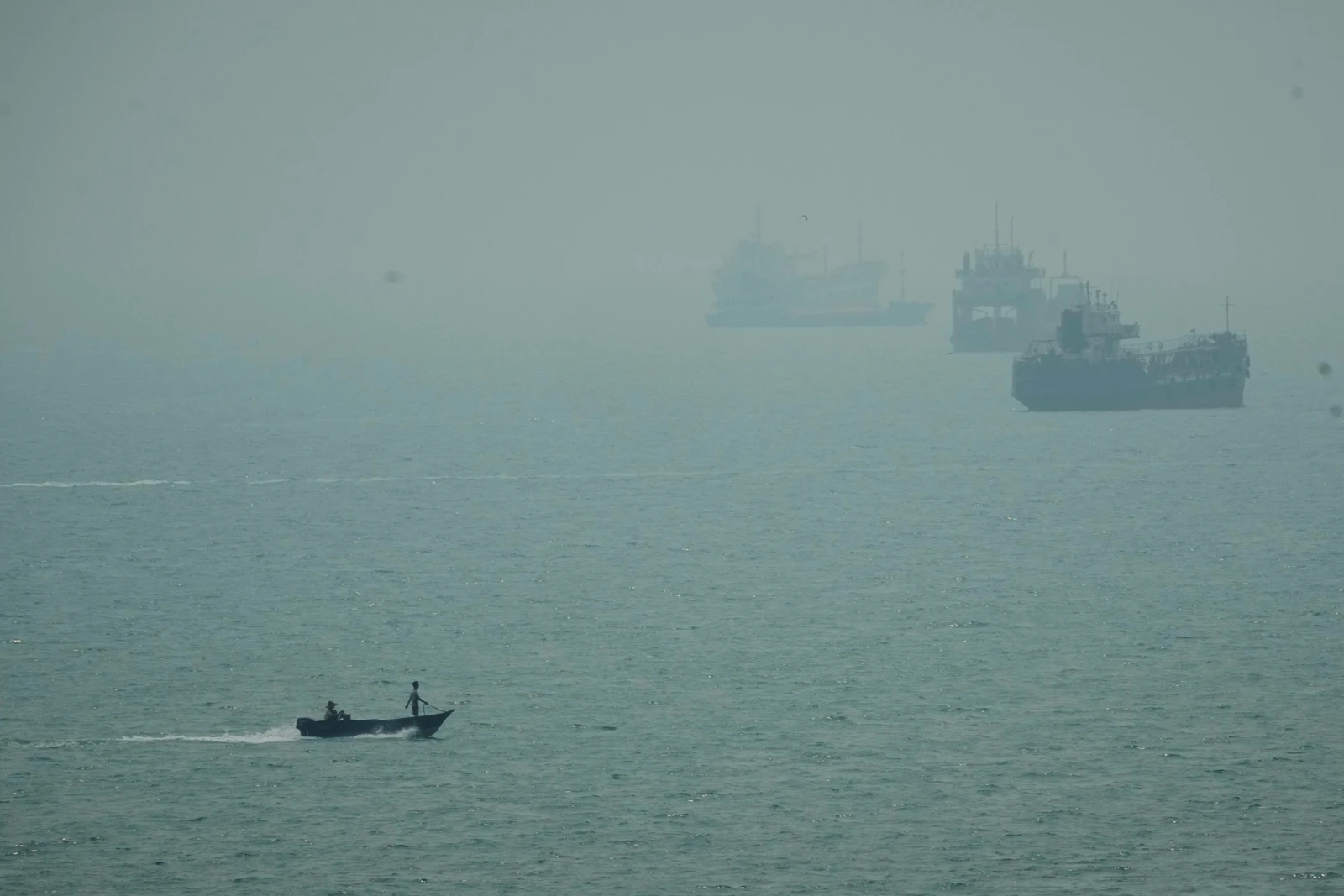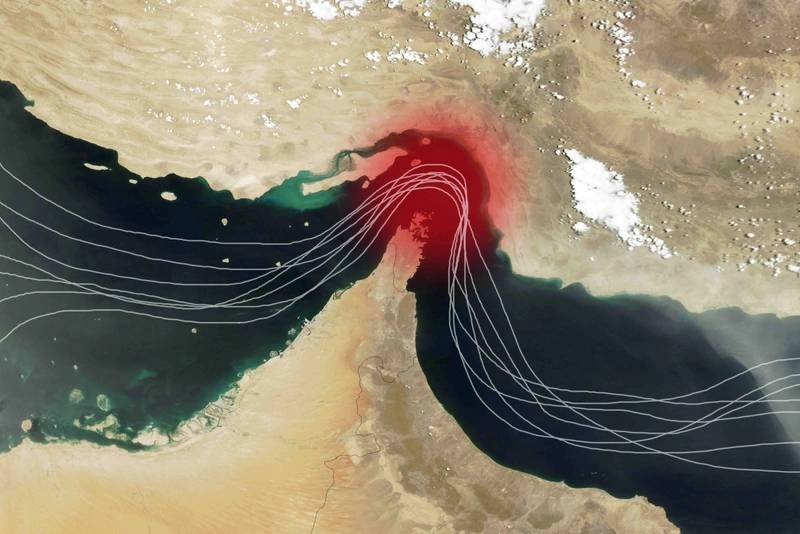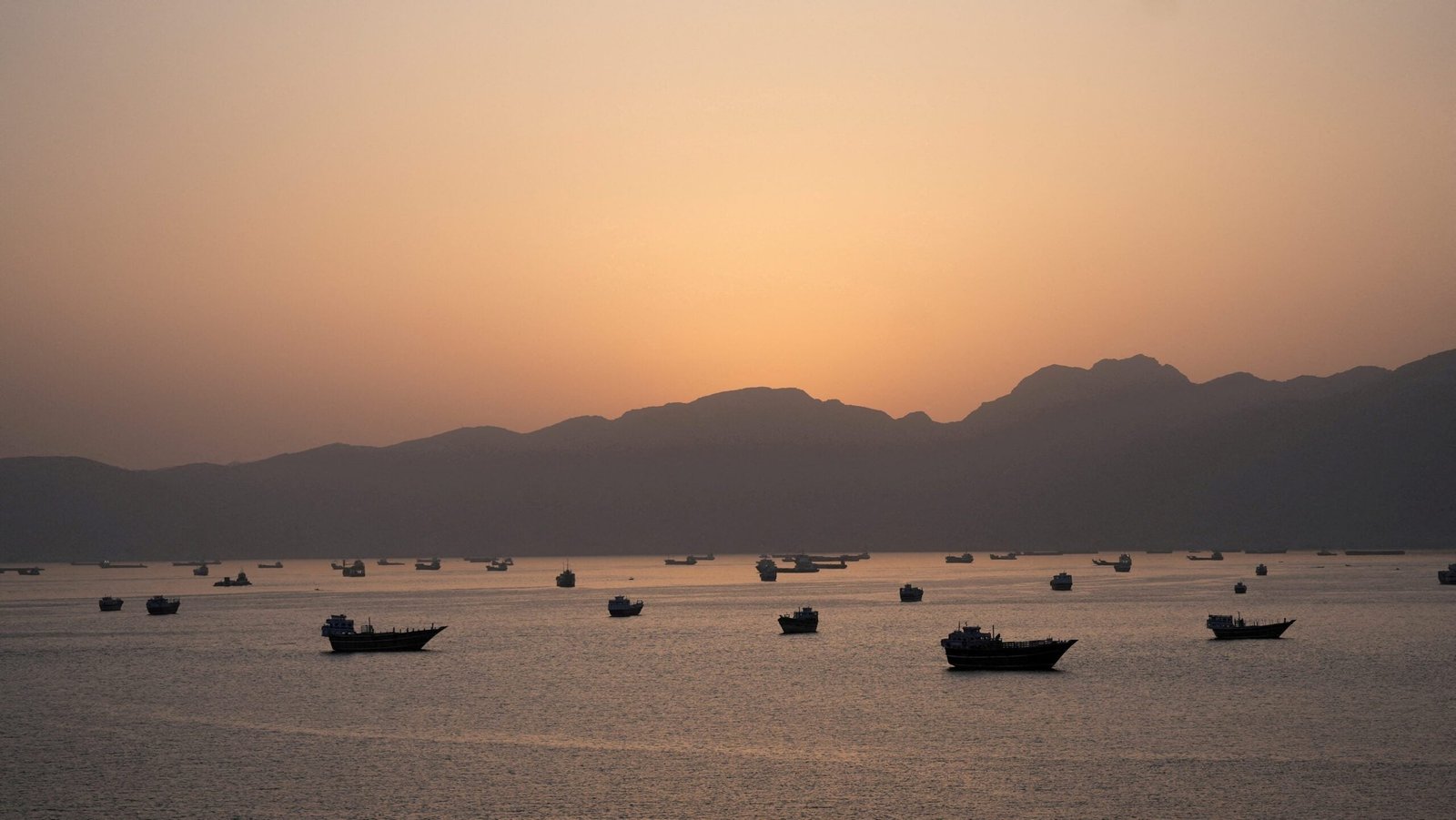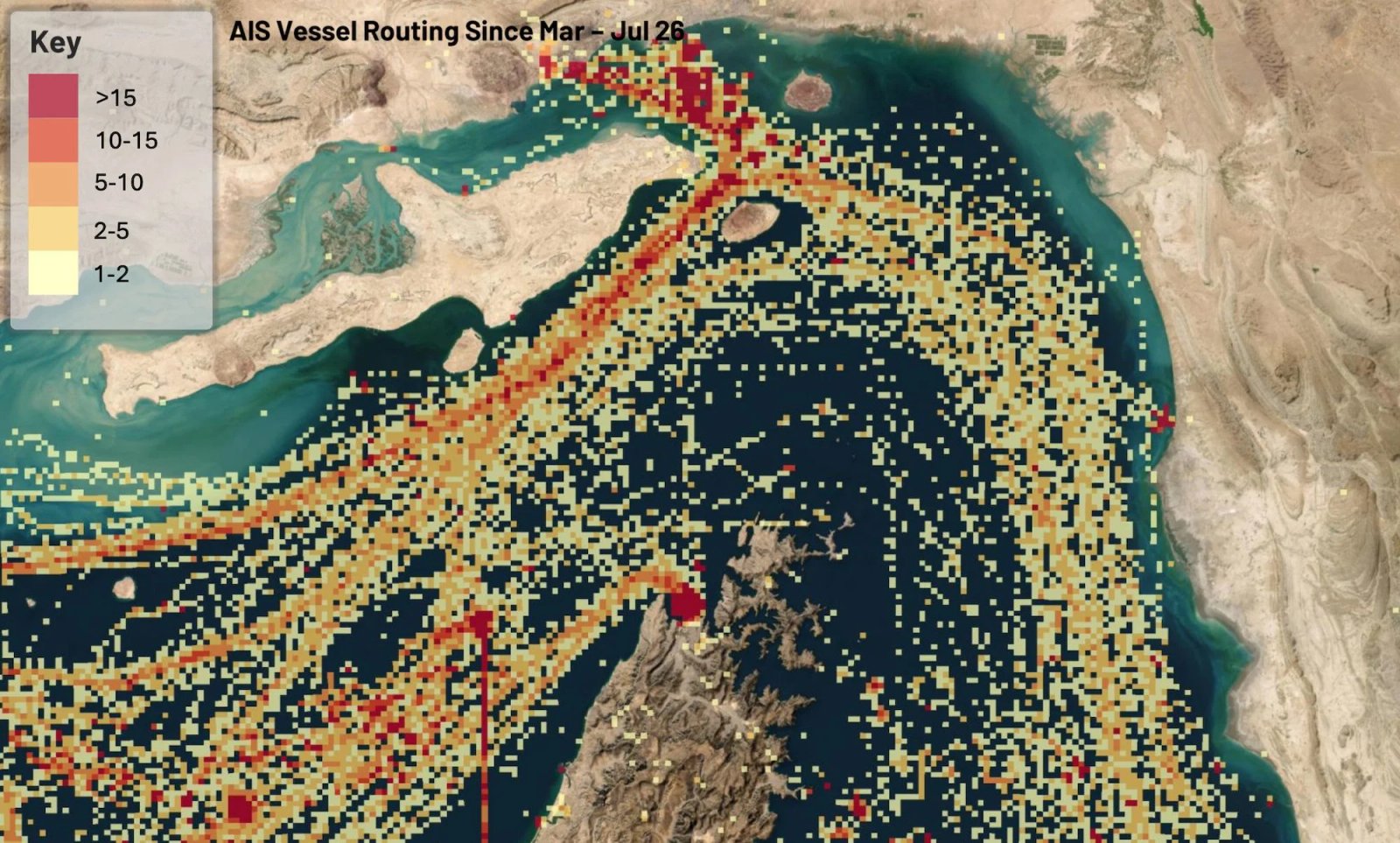
Since the closure of the Strait of Hormuz to most commercial shipping in late February 2026, around 1,550 vessels with approximately 20,000 seafarers have been stranded or anchored in the Arabian Gulf and Gulf of Oman. Daily traffic through the Strait, which typically sees about 138 vessels, has plummeted to nearly zero. The conflict that began on February 28 has left many vessels idle for about 90 days, with no clear timeline for resolution.
For vessel owners, the prolonged inactivity poses significant technical challenges, particularly concerning fuel quality. Extended idling leads to fuel deterioration due to factors like time, temperature, and water ingress, especially in the high temperatures of the Arabian Gulf summer. The UAE has started supplying ISCC-certified marine biofuel blends, which introduce additional risks such as reduced storage stability and increased microbial growth.
Before returning to service, it is crucial to verify fuel quality. Owners should ensure laboratory results are recent, inspect fuel systems, and perform necessary tests, especially for biofuel blends. Vessels already back in service without proper fuel checks may face delayed issues like filter blockages or engine wear. Therefore, immediate sampling and analysis of fuel are essential for risk management.