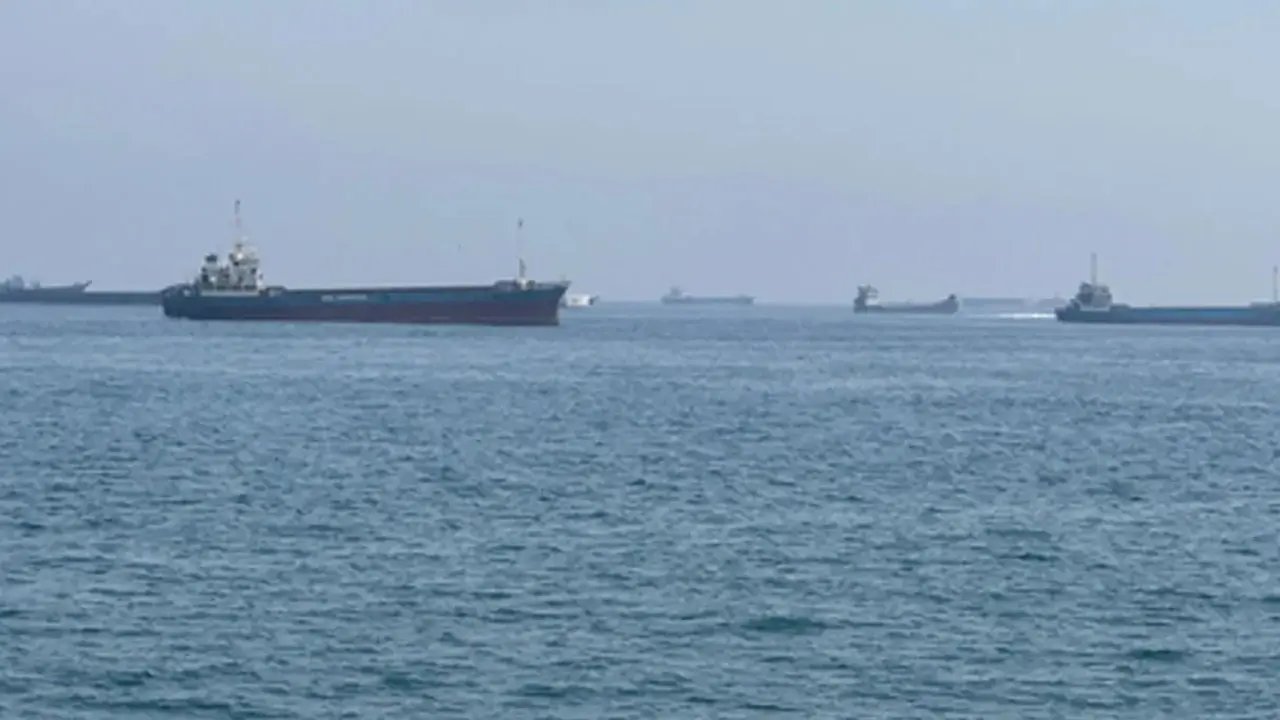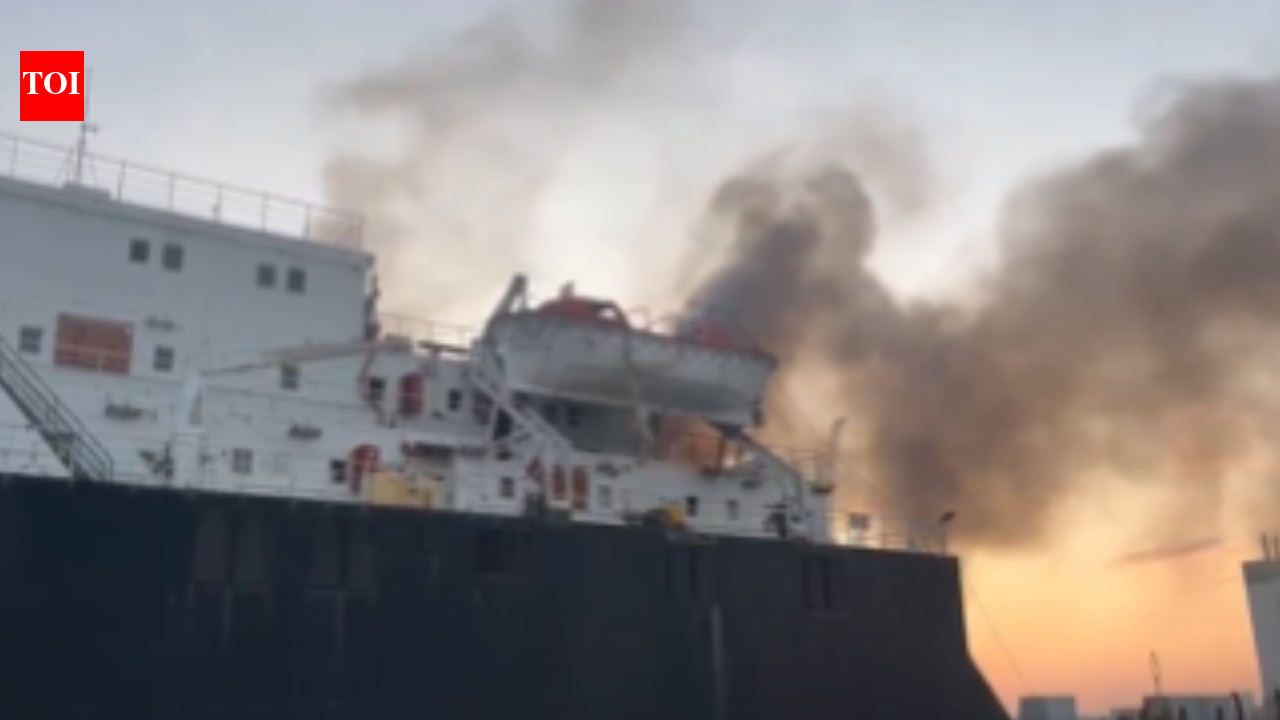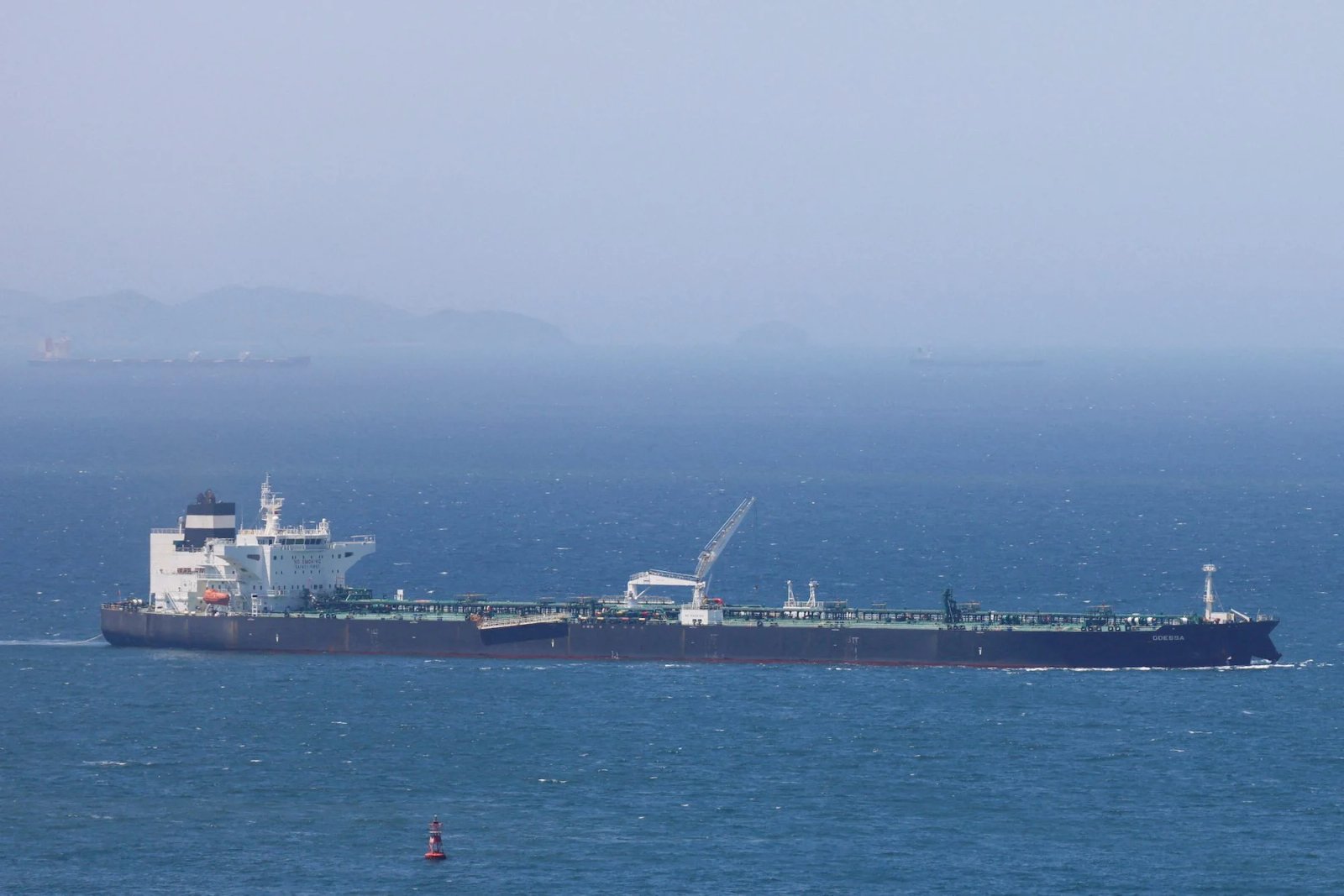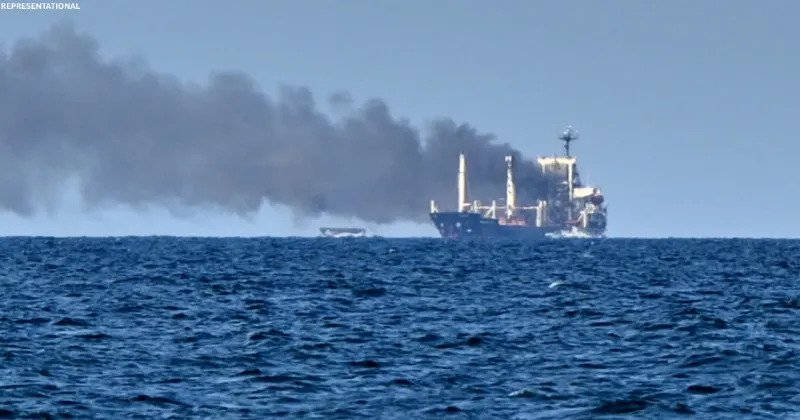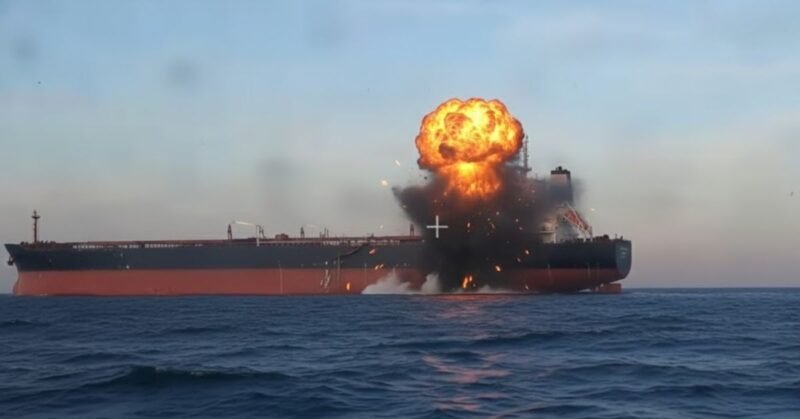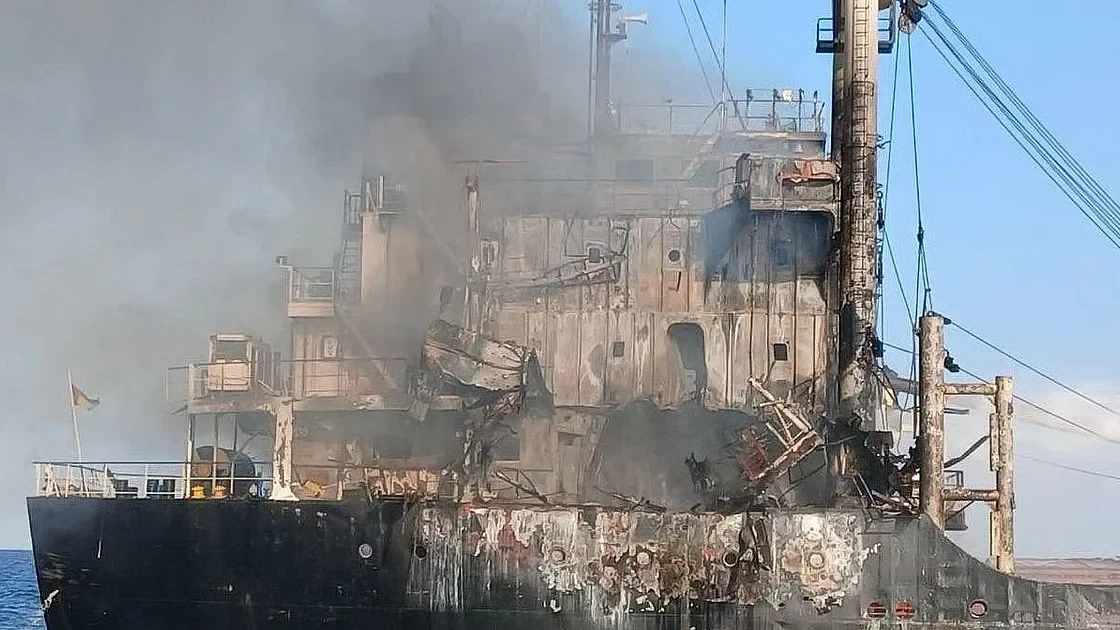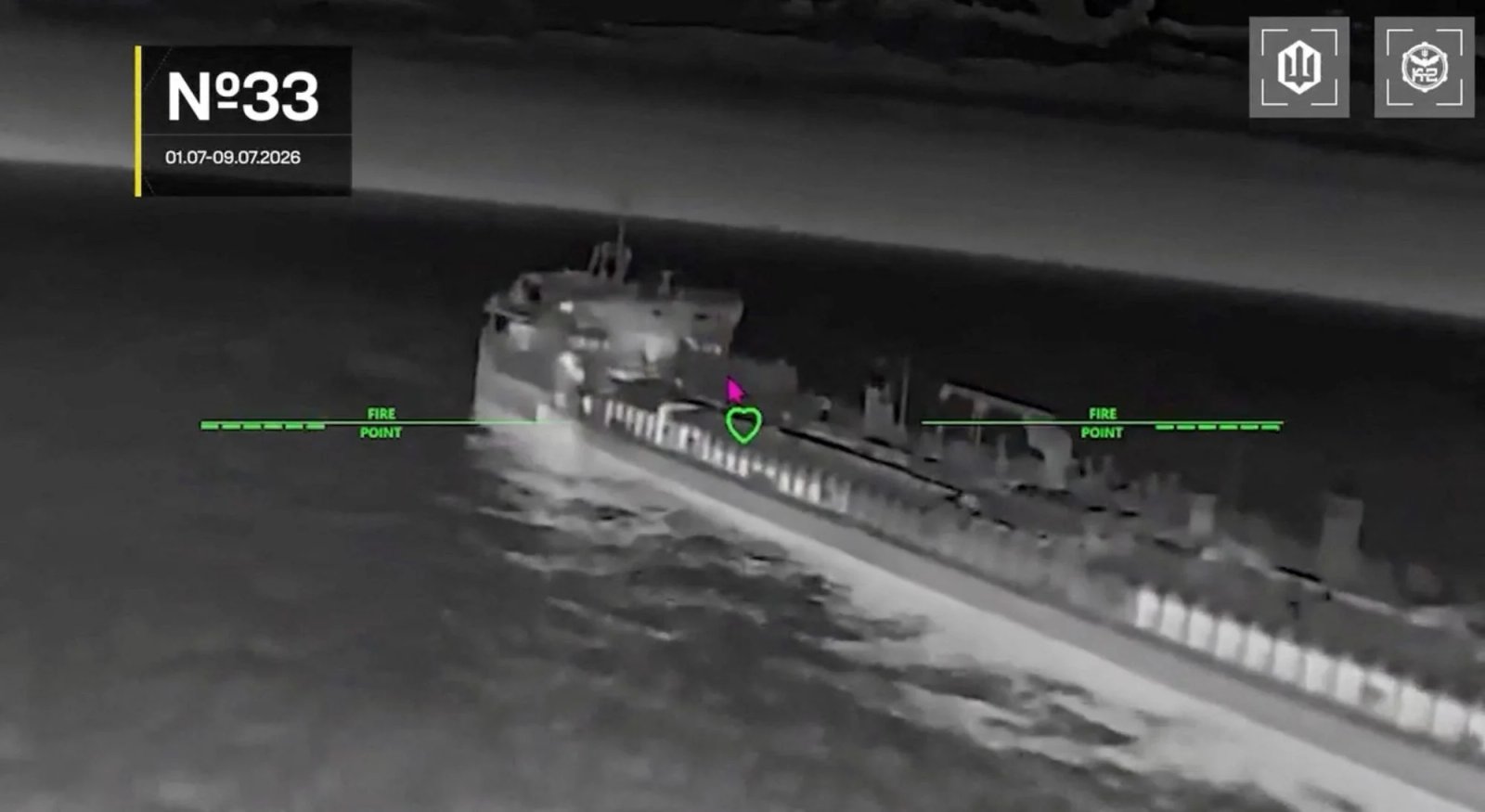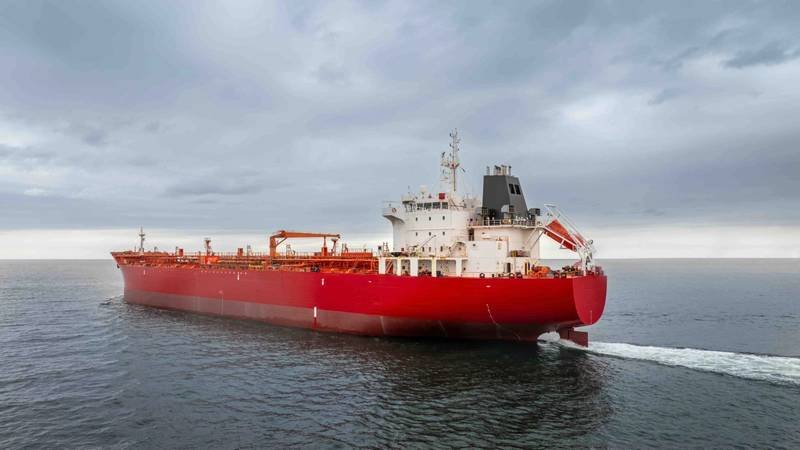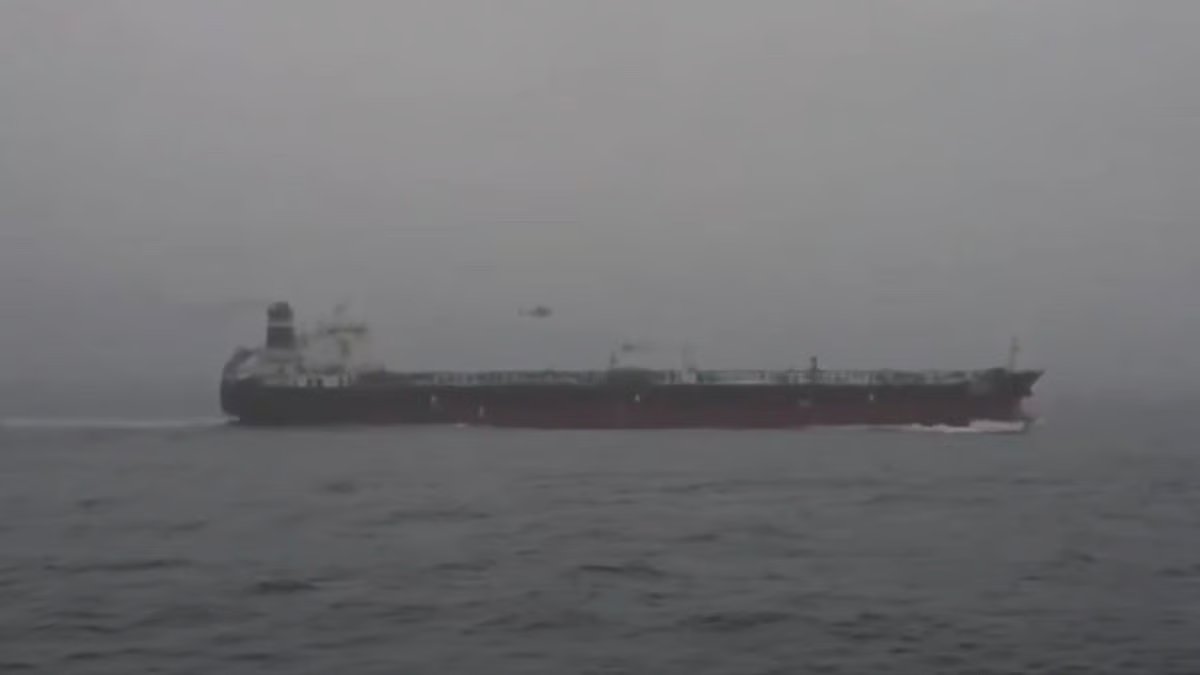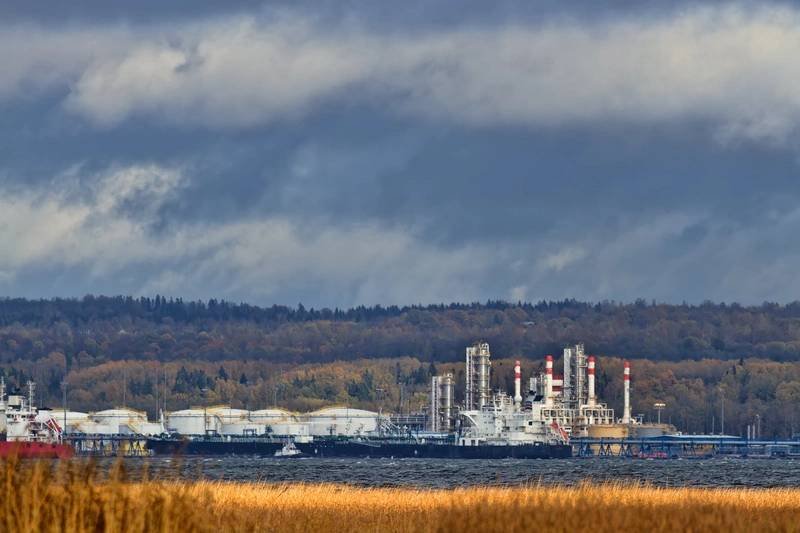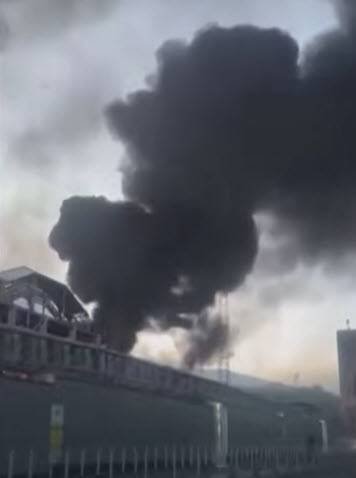
On May 3, Ukraine intensified its drone offensive against Russian targets, notably striking the Baltic Sea port of Primorsk, which resulted in significant damage and a fire at the oil terminal. President Volodymyr Zelenskiy reported that the attacks also affected an oil tanker and military vessels, reinforcing Ukraine’s aim to undermine Russia’s war capabilities. Alexander Drozdenko, the governor of the region hosting the port, confirmed that over 60 drones were intercepted and that the fire was quickly controlled without causing an oil spill.
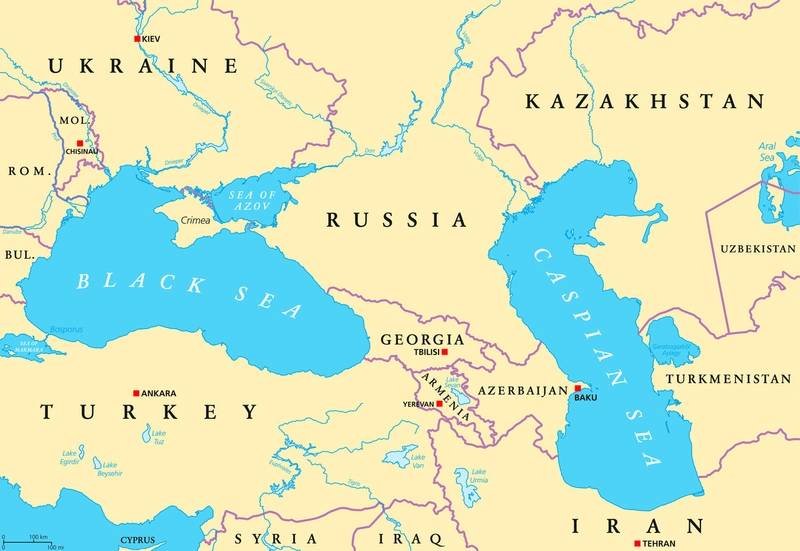
Zelenskiy highlighted Ukraine’s success by targeting two shadow-fleet tankers near Novorossiysk that had been transporting oil, assuring that such long-range military capabilities would continue to evolve across various domains. The ongoing assaults on Primorsk, a major oil exporting hub capable of processing one million barrels daily, come amid stalled peace negotiations mediated by the U.S.
In response, Kremlin spokesman Dmitry Peskov warned that continued attacks on oil infrastructure could elevate global oil prices. Despite these challenges, Russian officials reported drone strikes causing casualties in different regions, including the death of a 77-year-old man and injuries to others, underscoring the conflict’s ongoing violence as Russian forces advanced towards Kostiantynivka in eastern Ukraine.