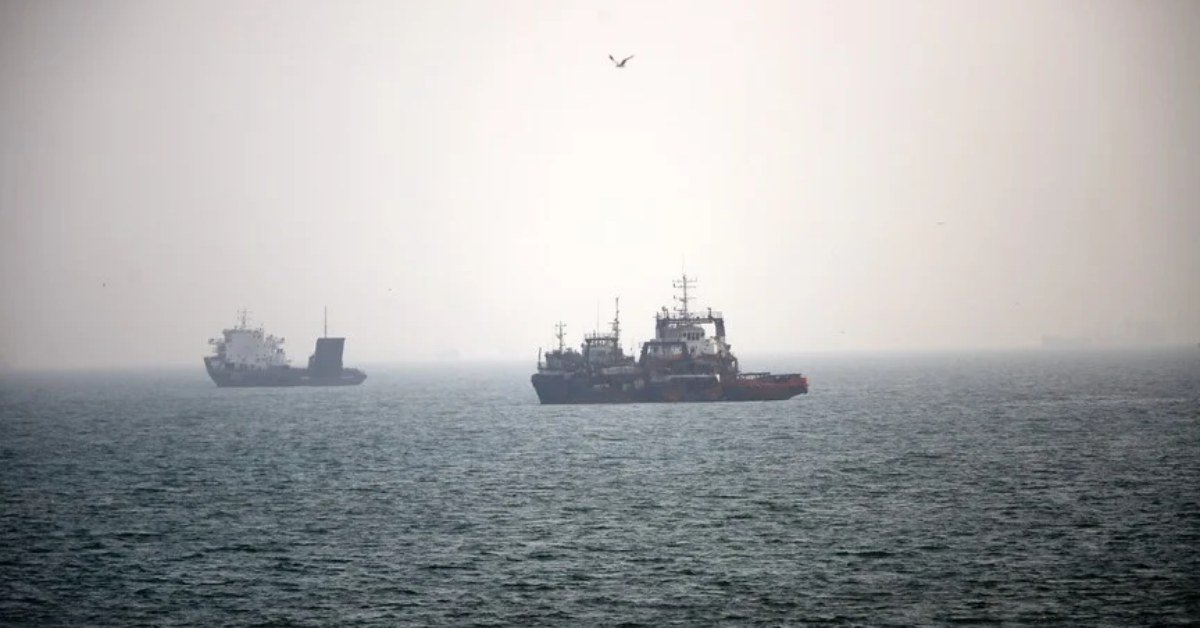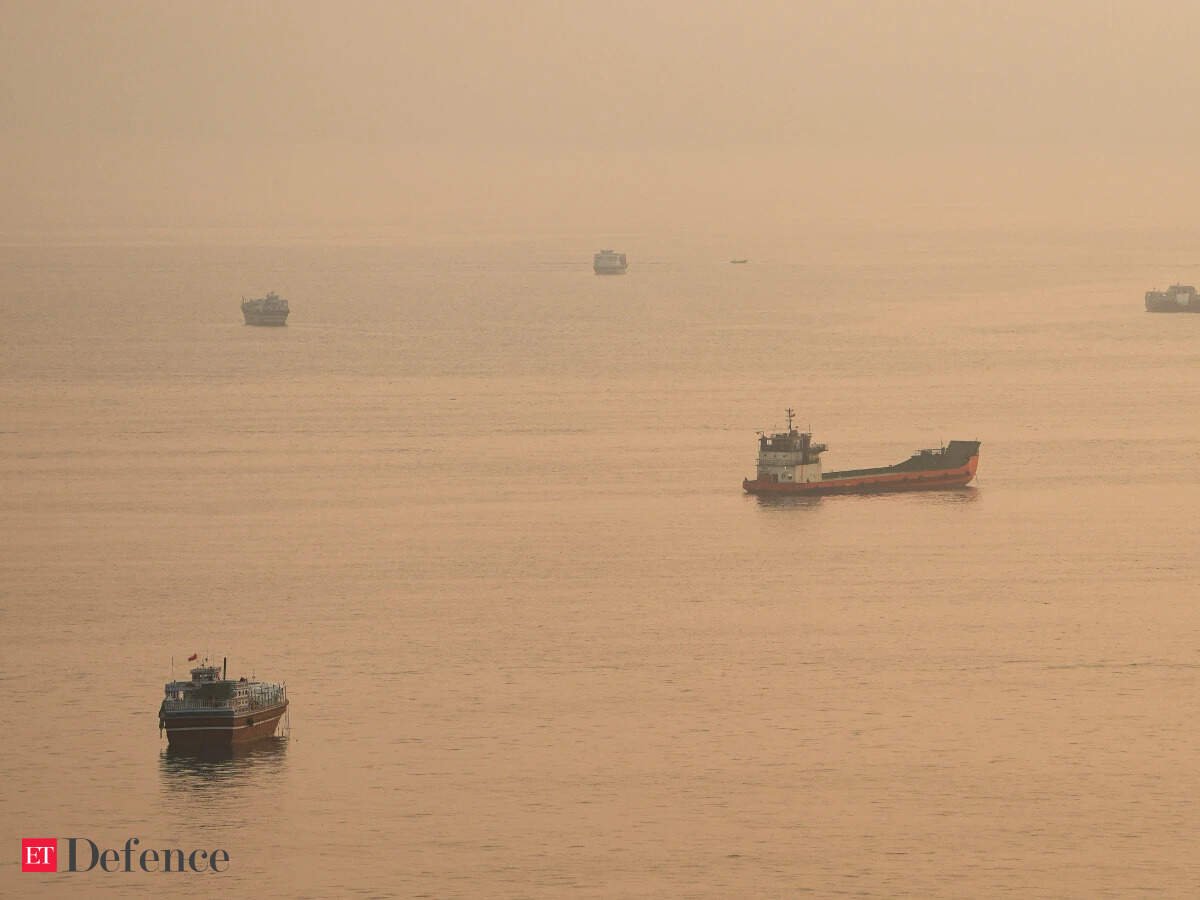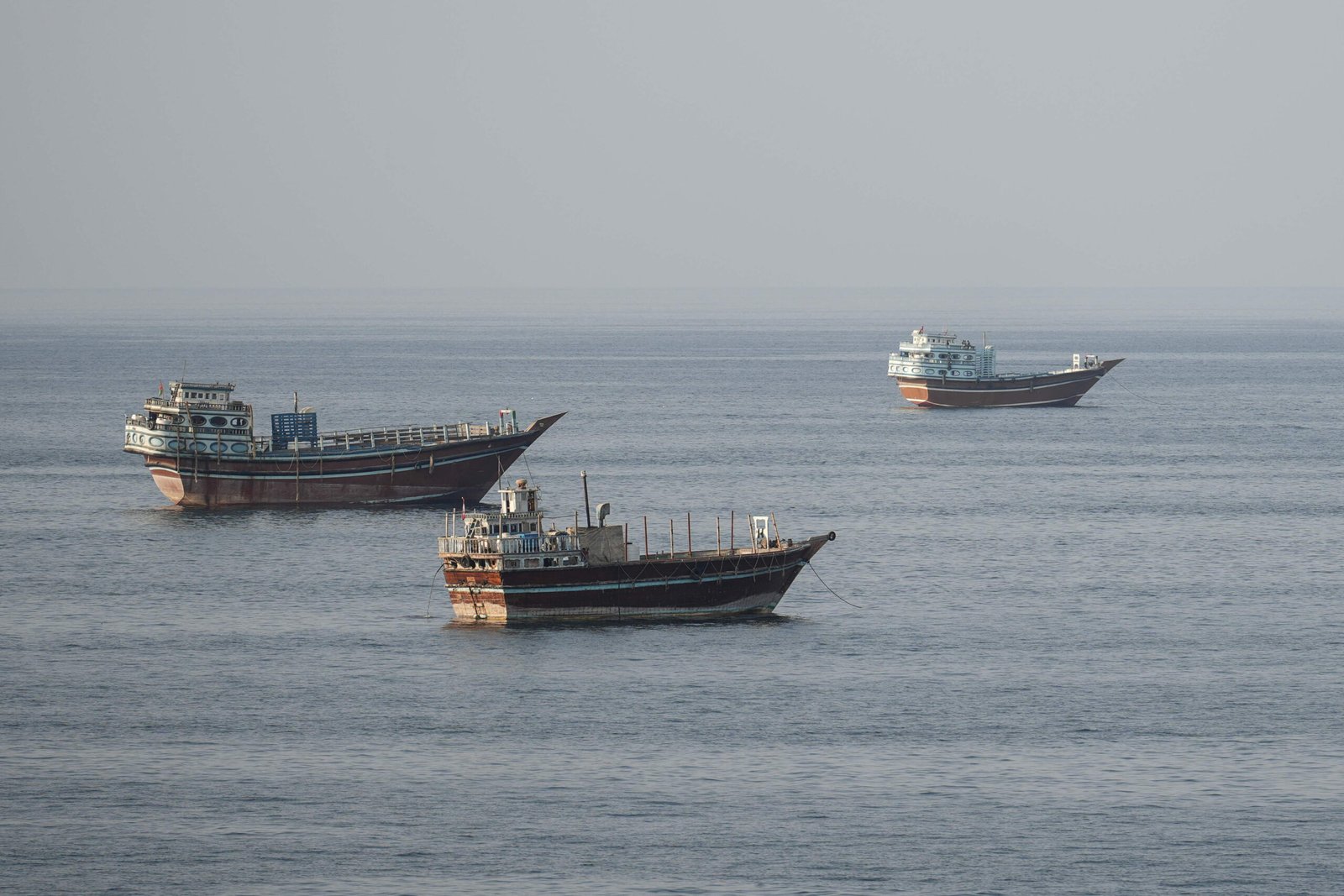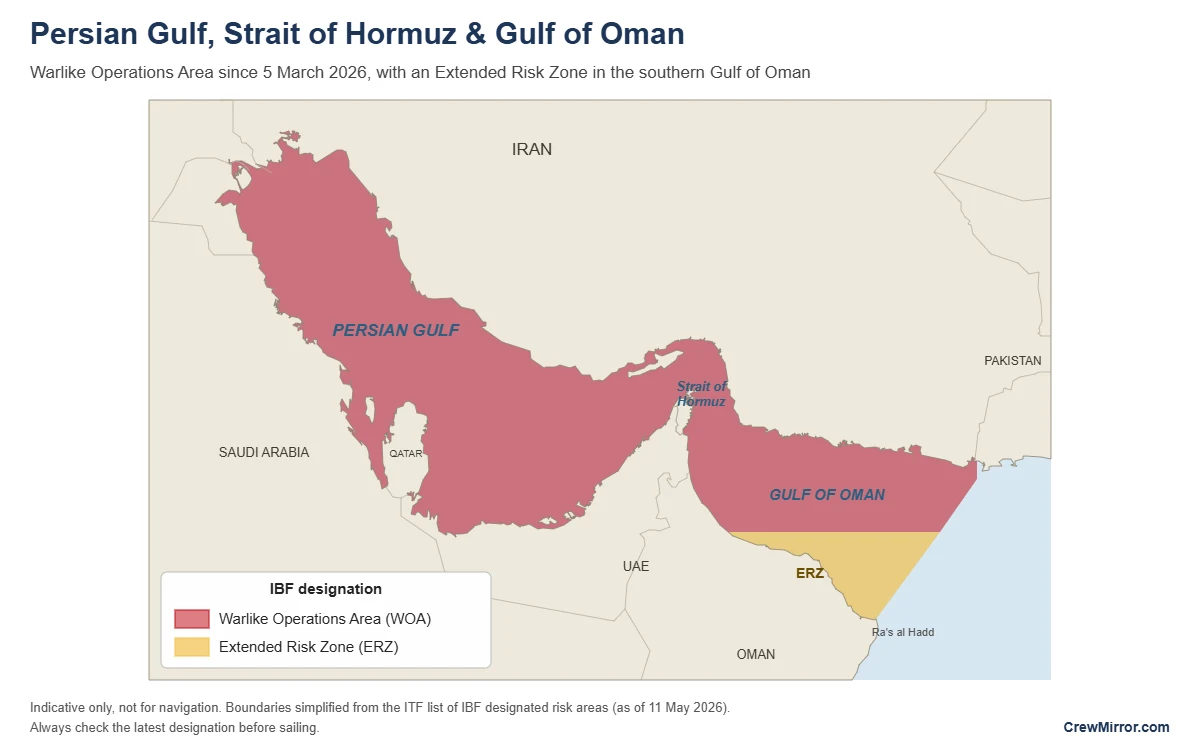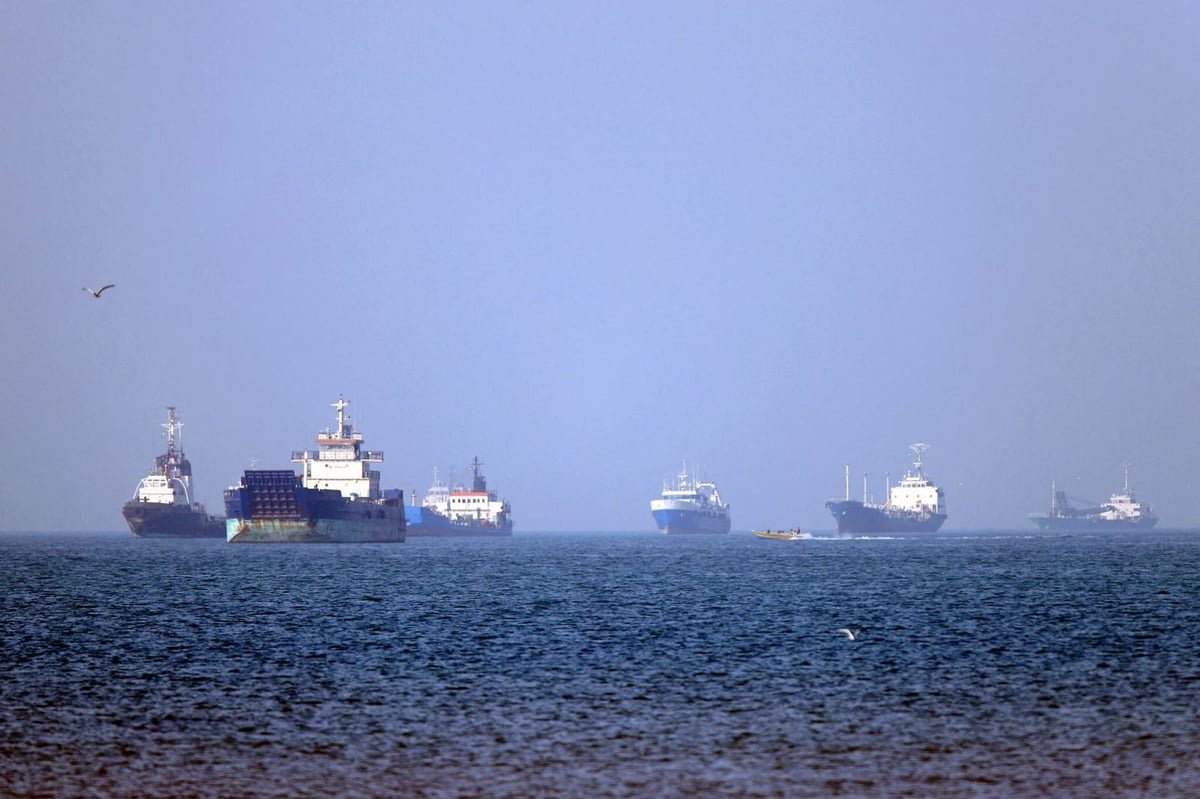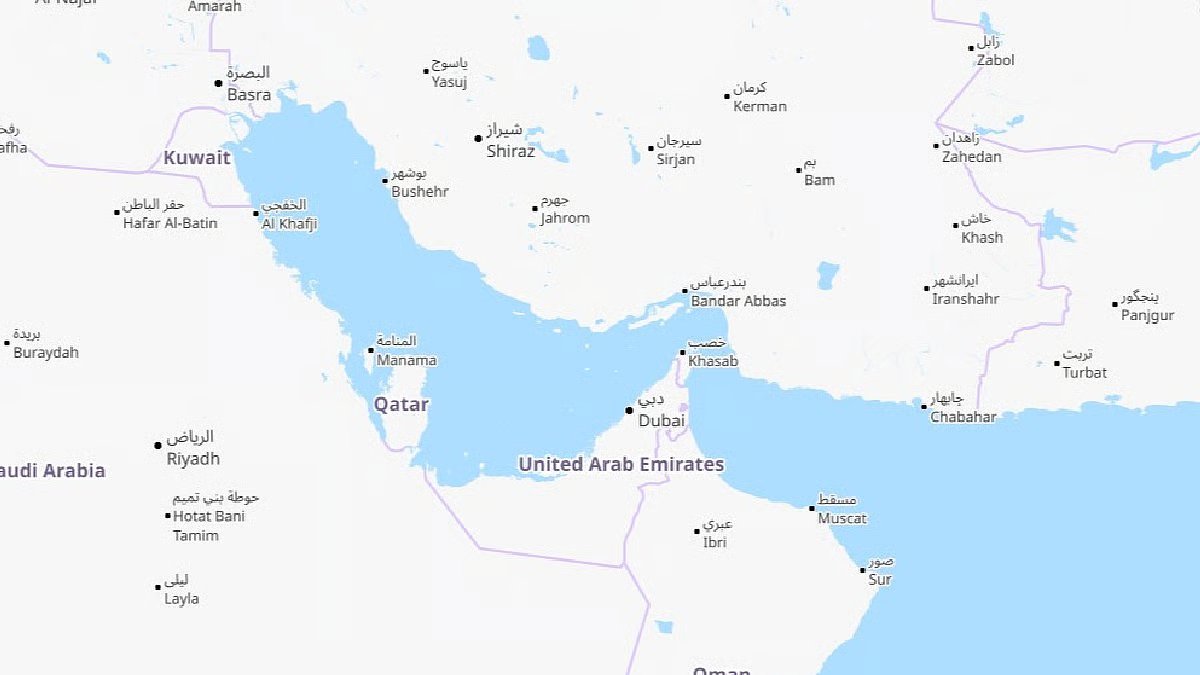
All vessels are permitted to navigate the Strait of Hormuz, but coordination with Iran’s Islamic Revolutionary Guard Corps (IRGC) is essential, according to a senior Iranian official. They emphasized that the unfreezing of Iranian assets is a component of this agreement. Iranian Foreign Minister Abbas Araqchi announced on social media that the strait is open following a ceasefire in Lebanon, while U.S. President Donald Trump expressed optimism about a potential resolution to the Iran conflict, though specifics on timing remain uncertain.
The Iranian official noted that vessel transits will be limited to routes that Iran considers secure, with military ships still barred from passage. Clarity is lacking on whether this restriction includes the established Traffic Separation Scheme (TSS) lanes, which have facilitated international shipping since the 1970s. Notably, even U.S. commercial vessels would be allowed, provided they are not military.
Coordination with Iran is vital for safe navigation, with authorization needed from the IRGC and Iran’s Ports and Maritime Organization. Shipping industry leaders are currently assessing the implications of this announcement. The secretary-general of the International Maritime Organization remarked that they are confirming whether the new measures align with freedom of navigation for merchant vessels in the region.