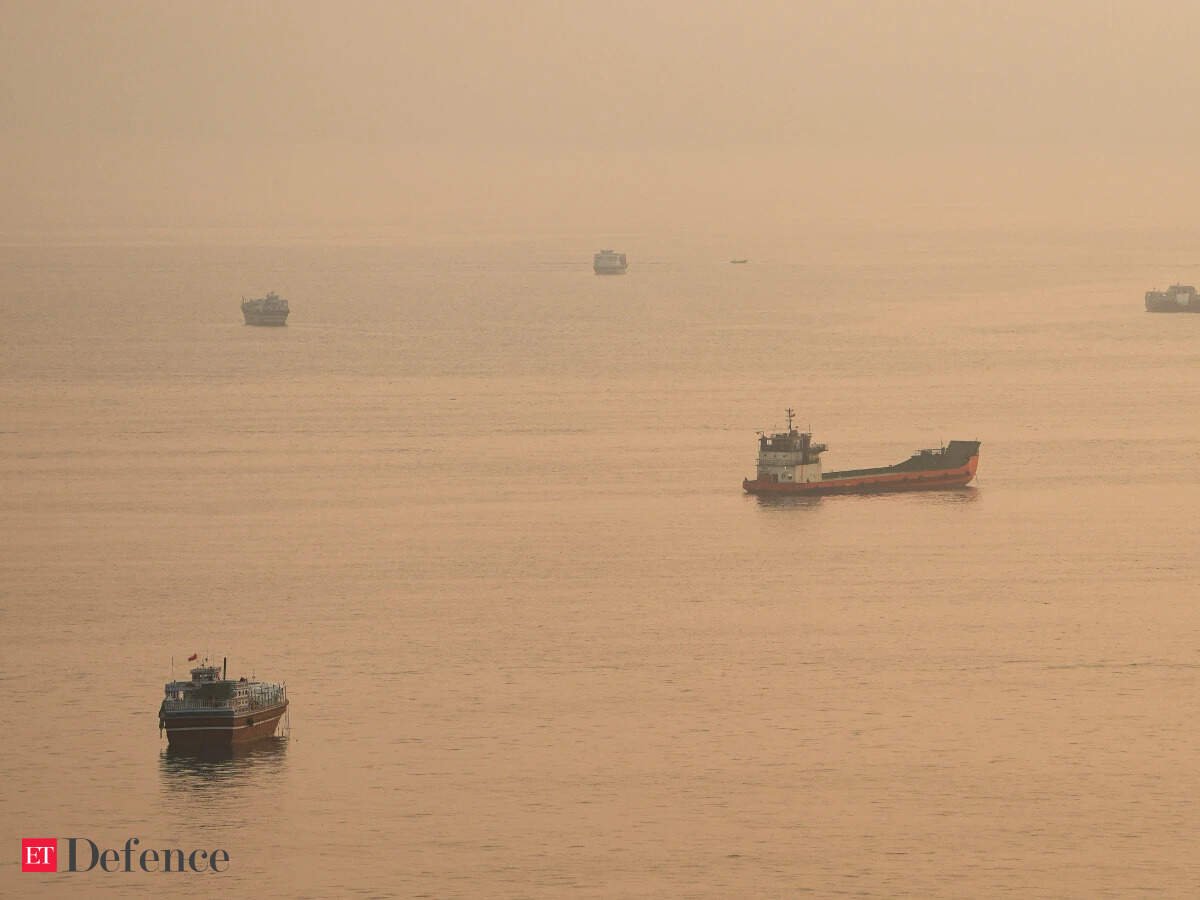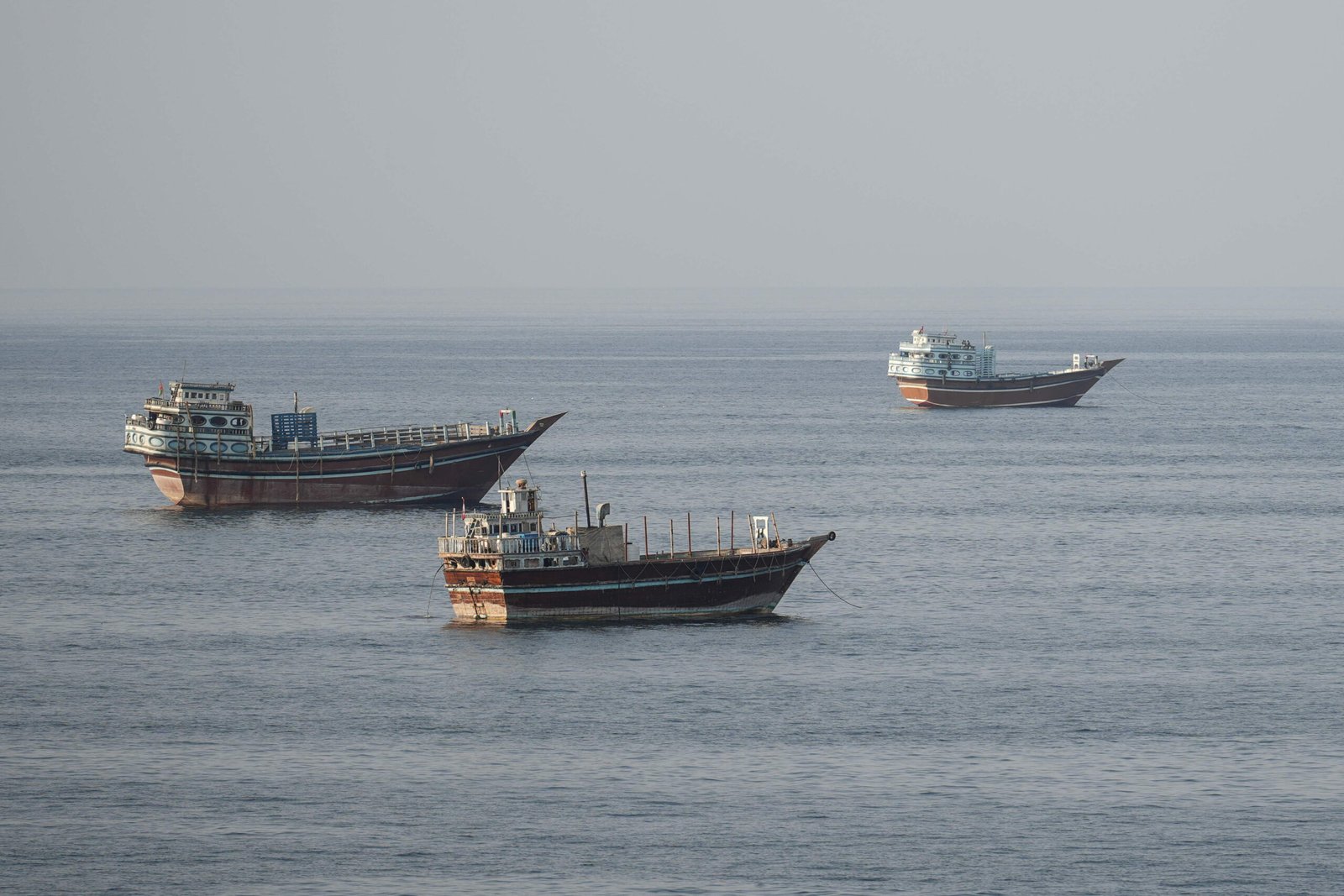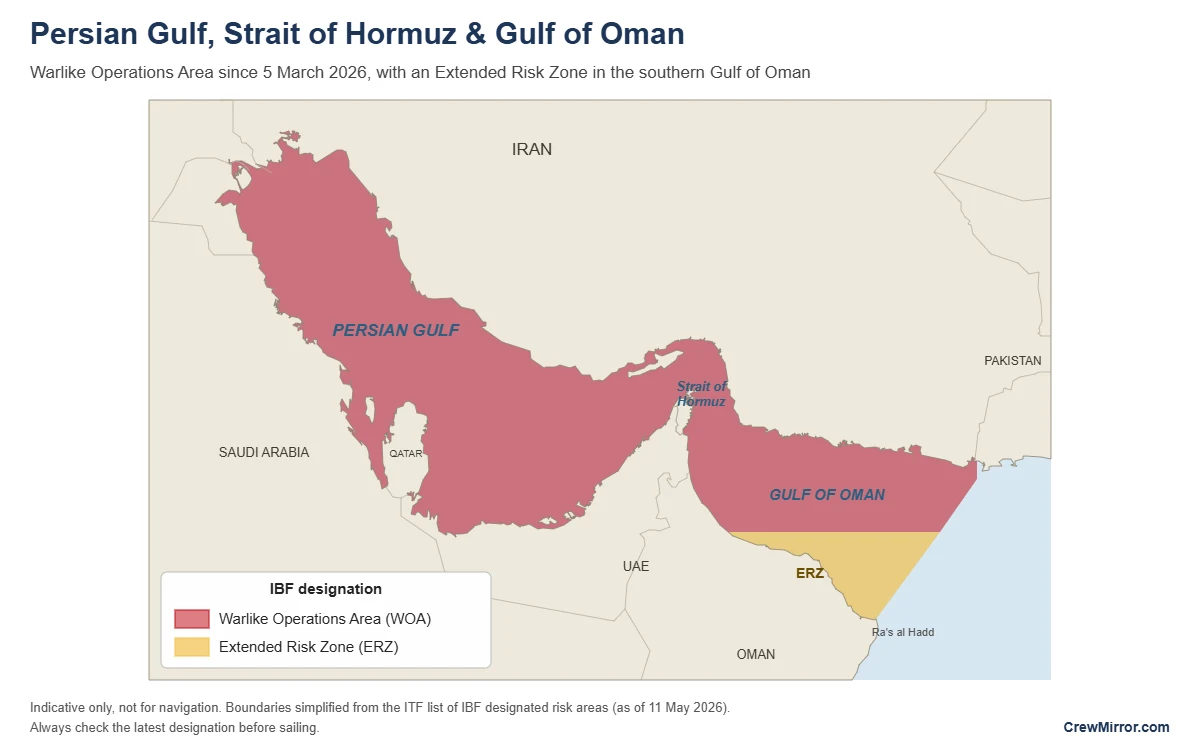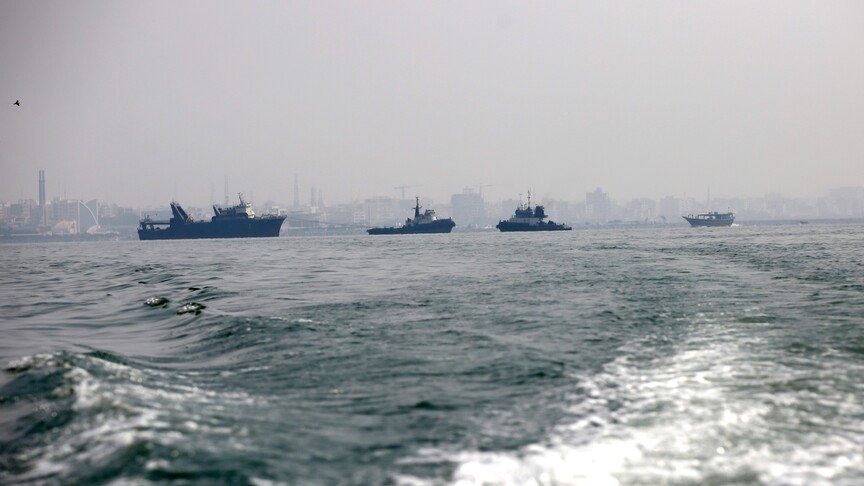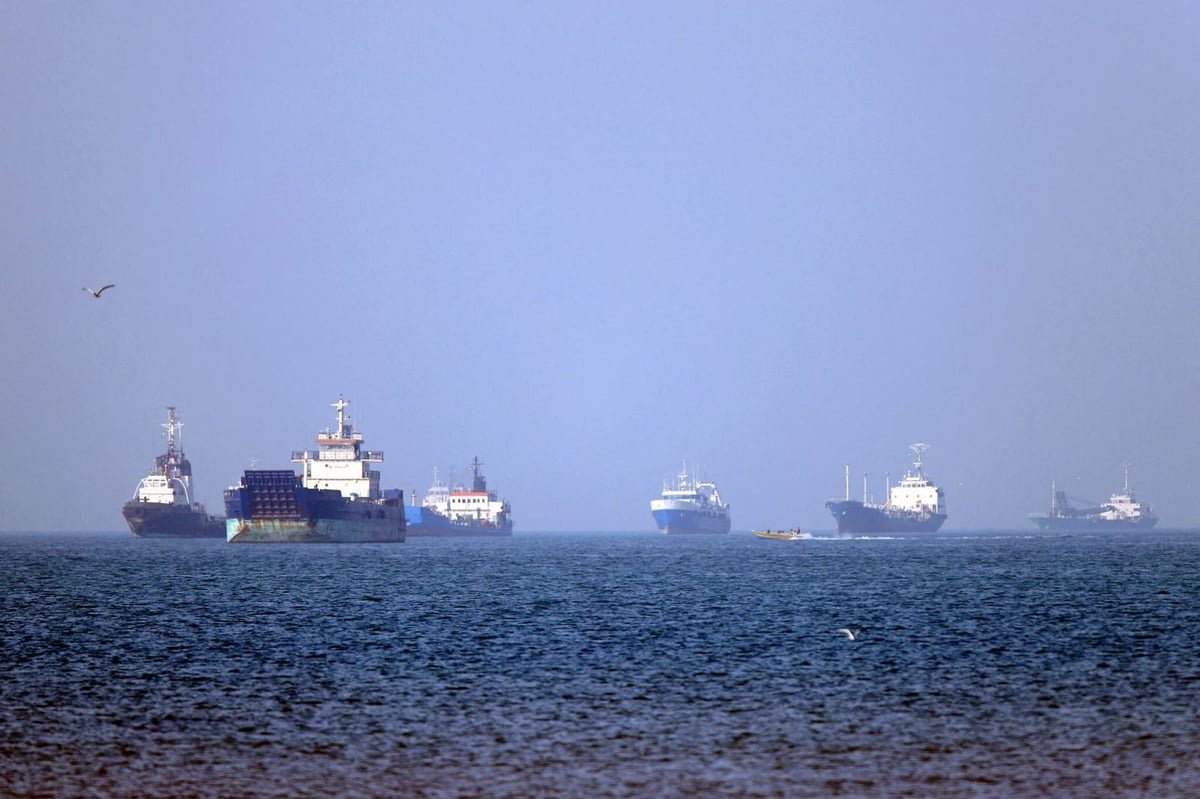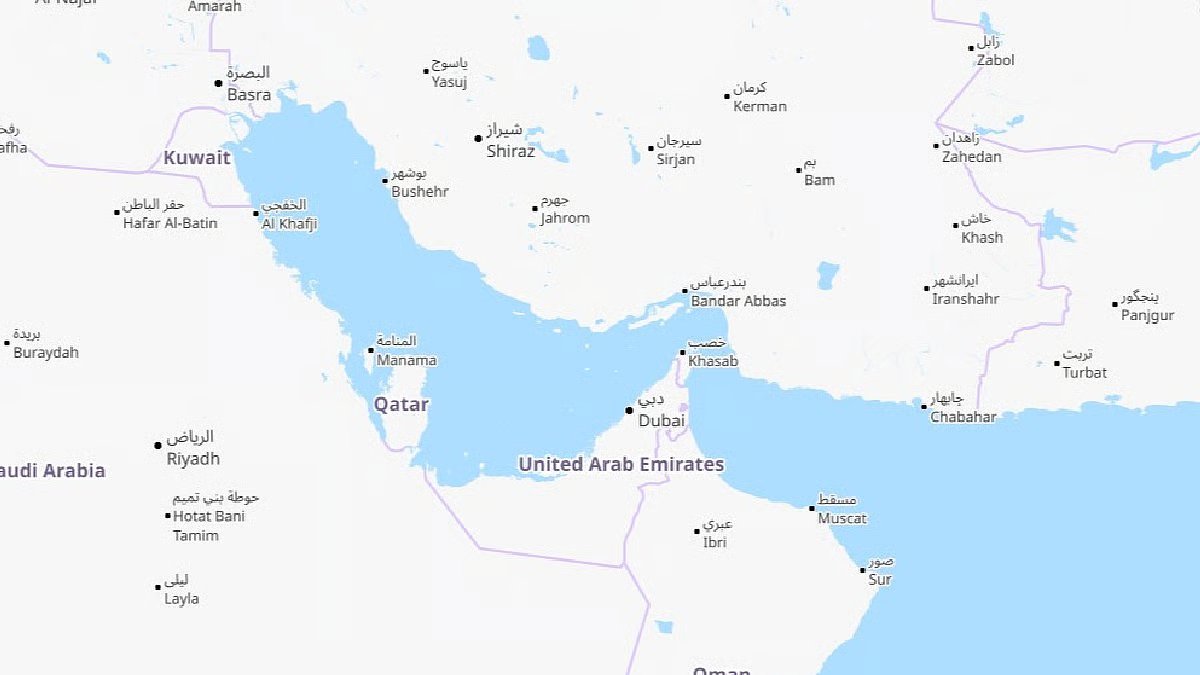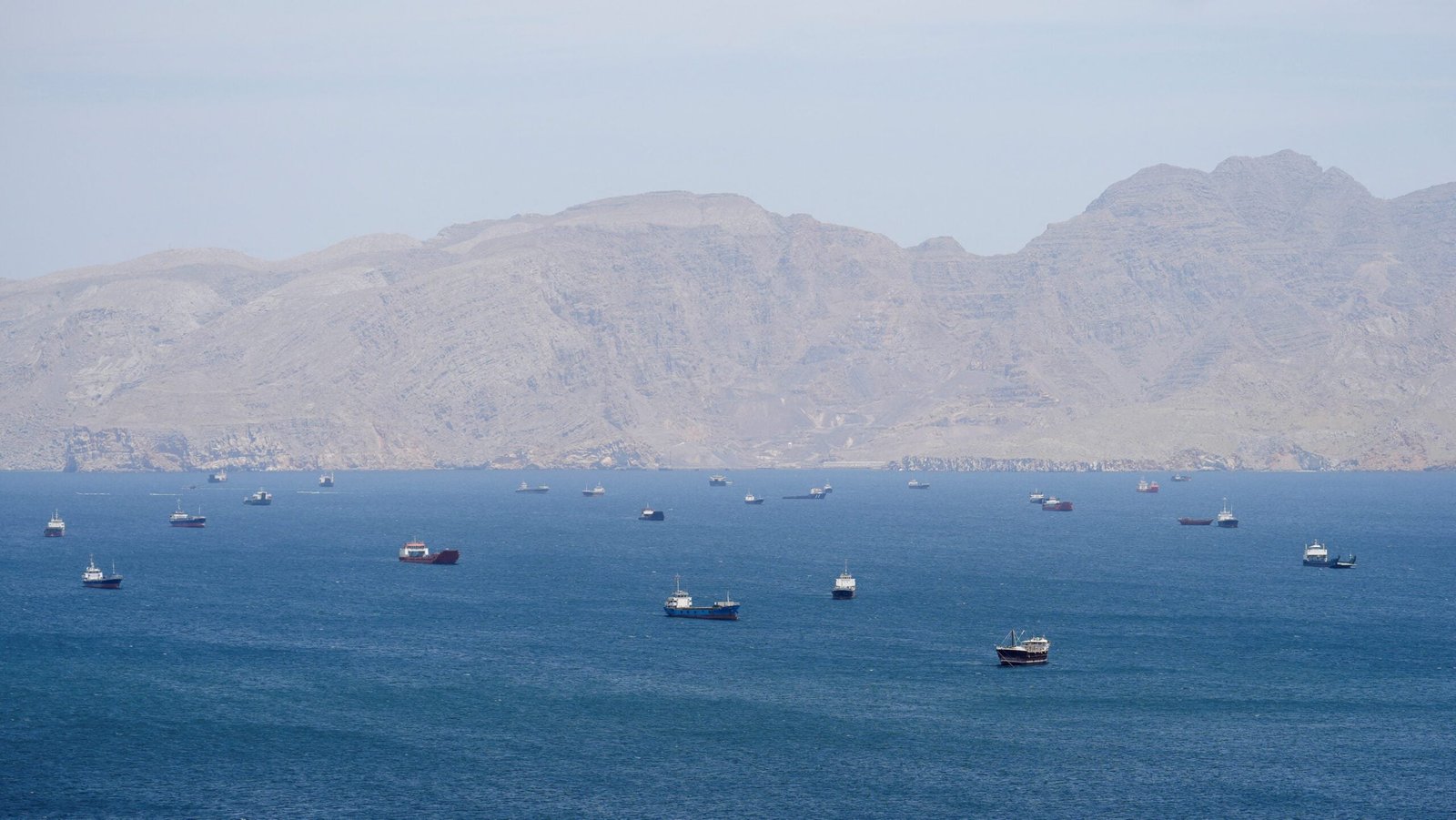
On May 28, 2026, the Strait of Hormuz was notably quiet, with no commercial vessels observed passing through. This stillness stemmed from heightened tensions following recent U.S. military strikes on Iranian positions, discouraging companies from operating in the area. Previous day’s traffic saw only six crossings, including a Turkish Suezmax vessel, which may indicate a broader trend of avoidance among commercial operators.
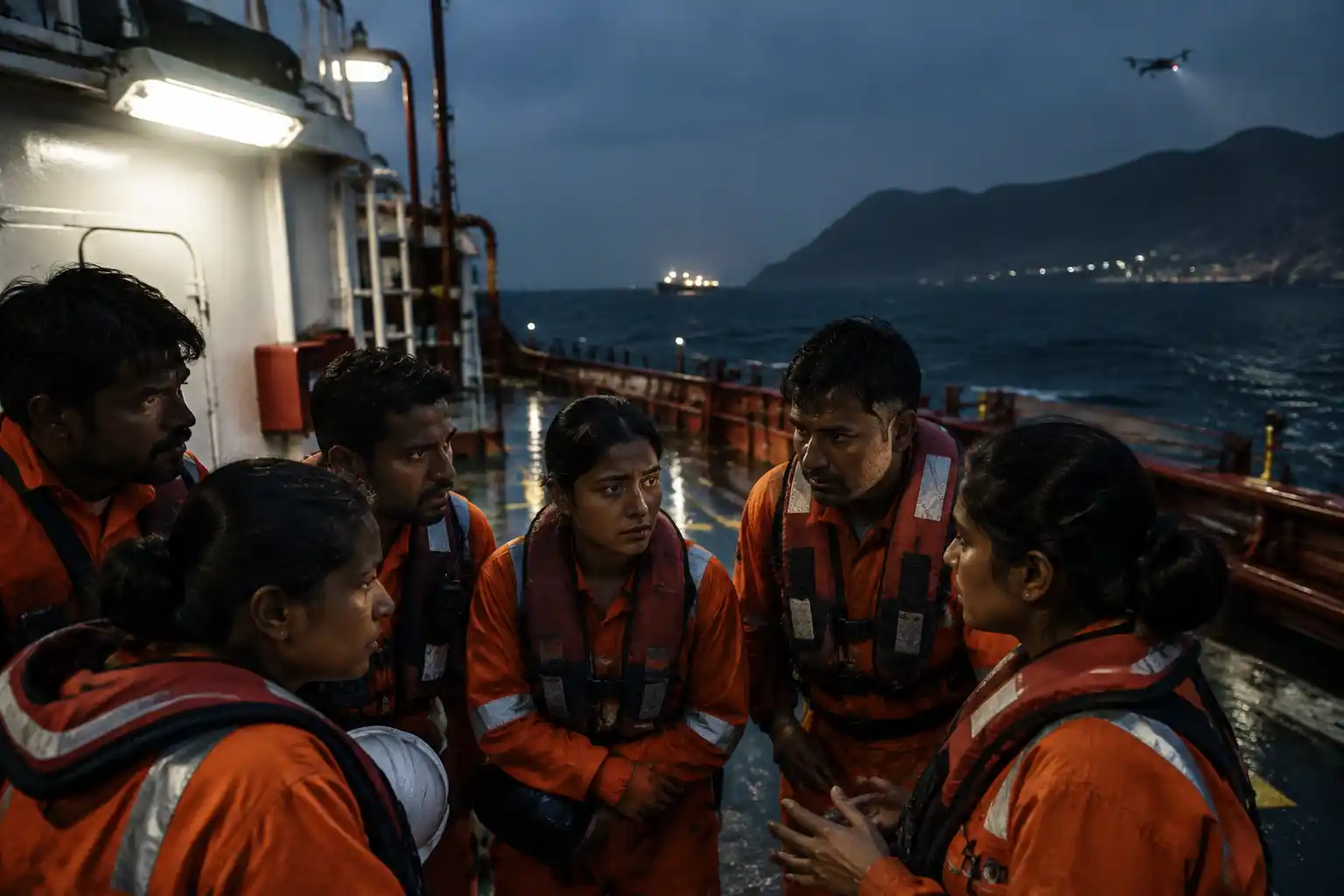
Iran has claimed unauthorized attempts to access the Persian Gulf, resulting in some ships turning back, while a few were intercepted. However, these assertions are difficult to confirm due to heavy signal interference that obscures actual maritime movements. Despite claiming that 26 vessels transited the strait, the validity of such counts remains questionable amid communication disruptions.
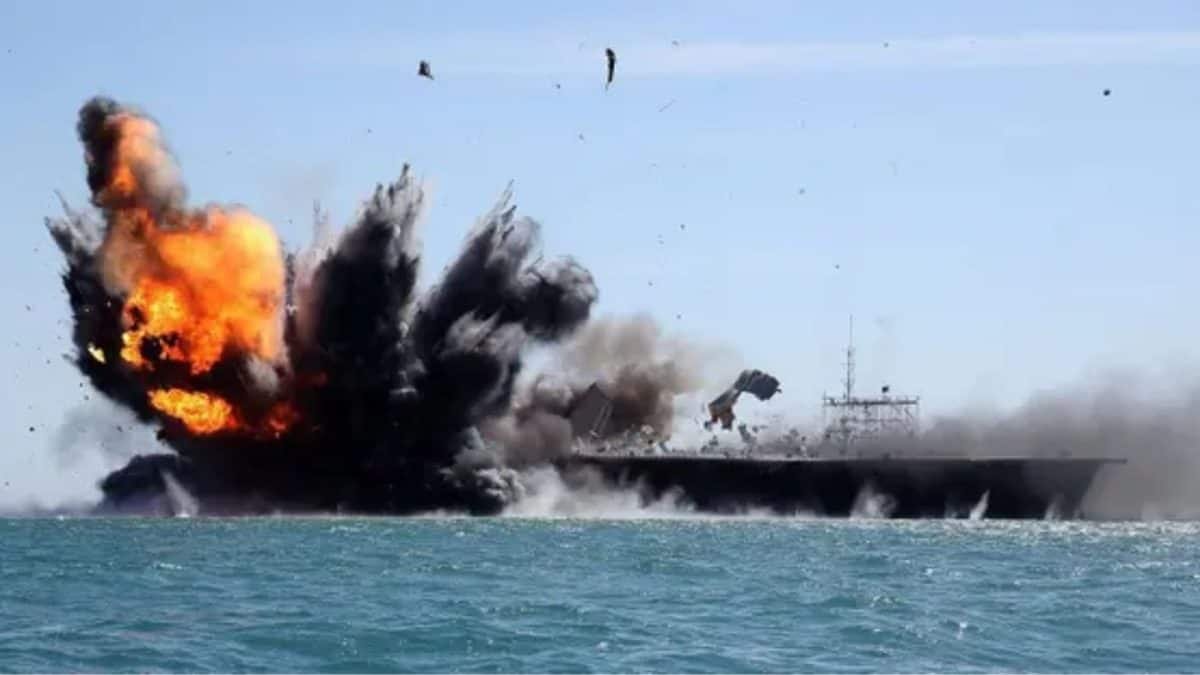
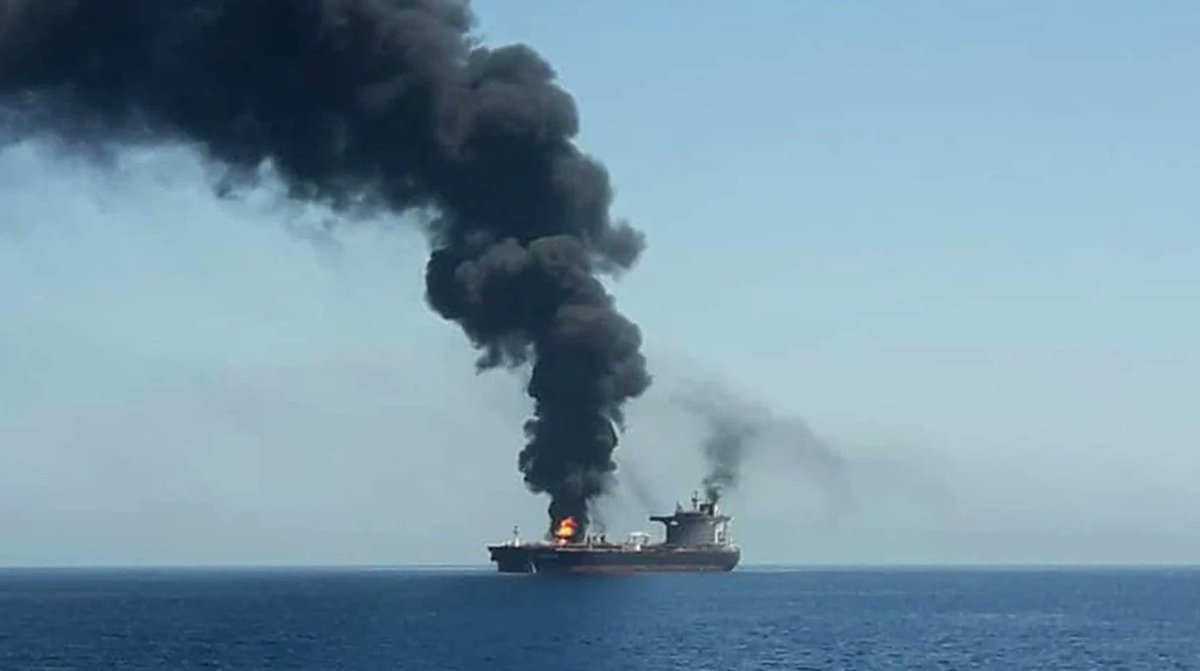
President Donald Trump emphasized the importance of ensuring no single nation controls the Strait, underscoring challenges in reaching a lasting agreement with Iran. This assertion came in the wake of U.S. actions against Iranian drones targeting commercial vessels and new sanctions against Iran’s maritime authorities for extorting ships. TotalEnergies CEO Patrick Pouyanne warned that ongoing blockages could impact the global economy, and he anticipates prolonged disruptions to free navigation.
With intermittent tracking difficulties, maritime traffic remains obscured. Vessels, especially those linked to Iran, often turn off their identification signals to evade detection, complicating real-time assessments of shipping flows in the region. This practice, historically observed even before increased U.S. scrutiny, suggests many Iranian-related tankers may not appear on tracking systems until they are far from the high-risk area.