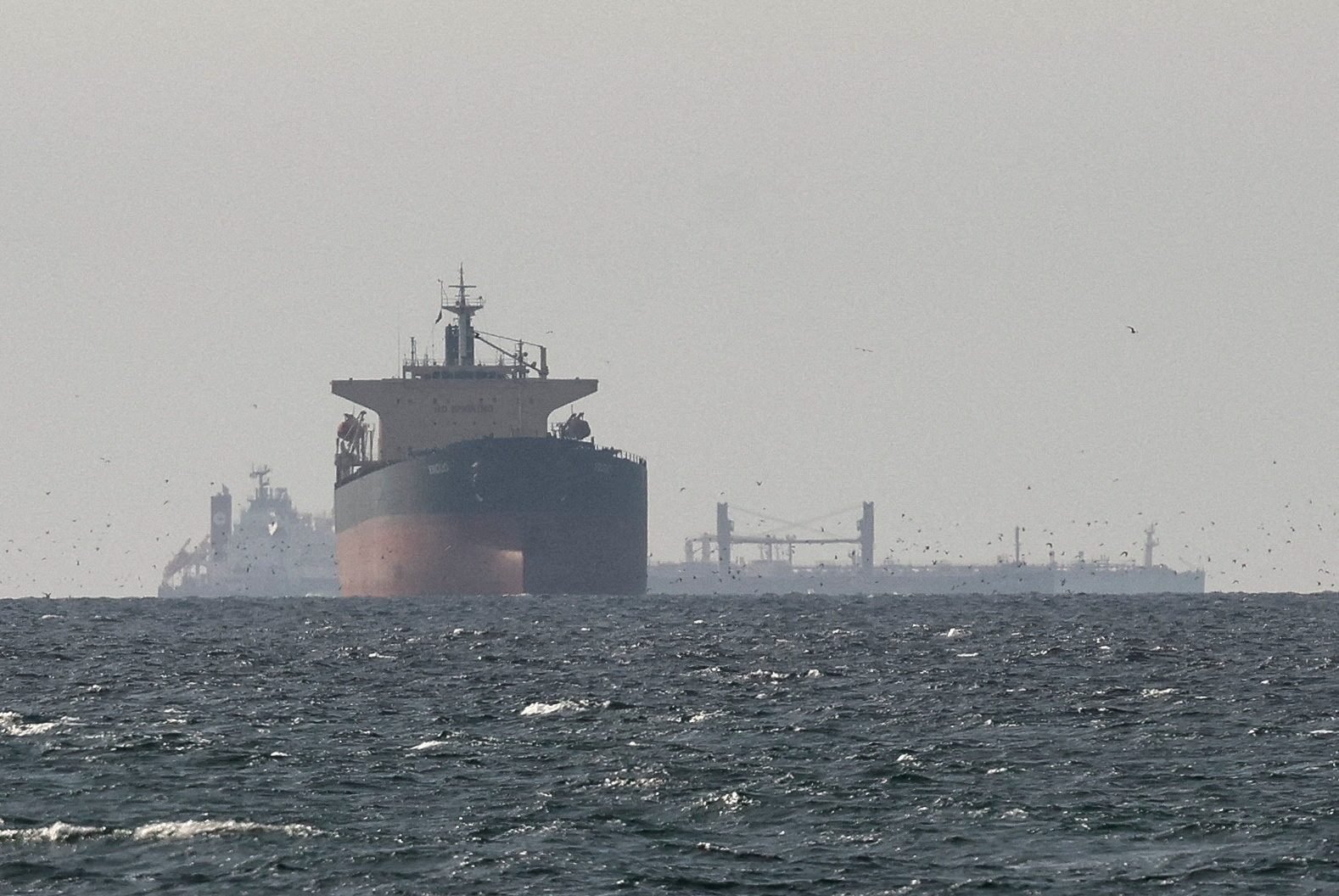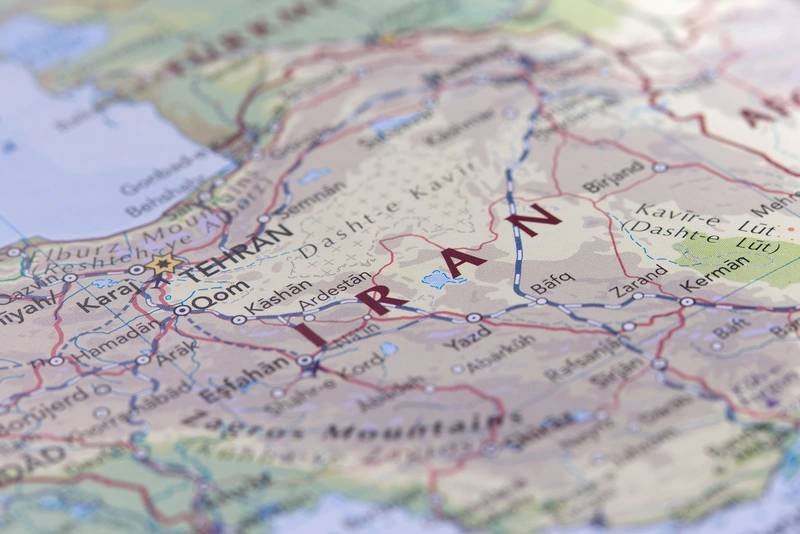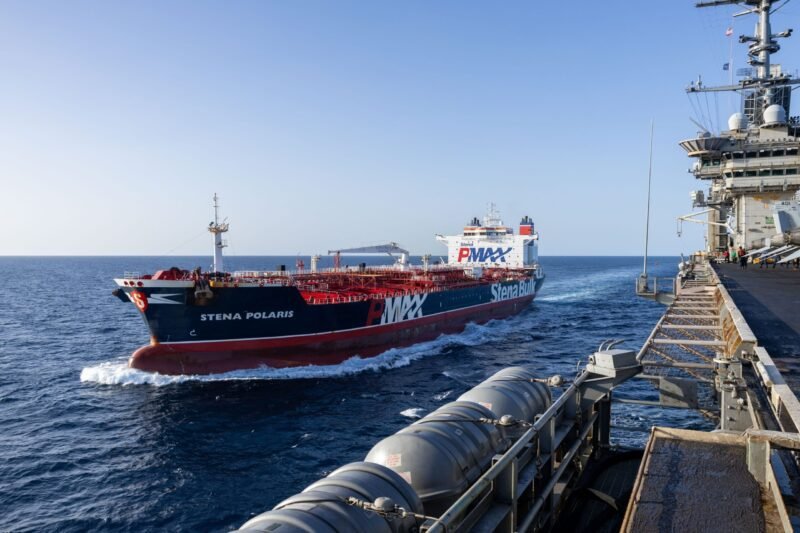
The Trump administration’s recent emergency waiver of the Jones Act is significantly altering U.S. oil distribution by permitting foreign-flagged tankers to operate in domestic waters. Since the suspension of specific Jones Act restrictions in March—following incidents in the Strait of Hormuz—at least 60 shipments of crude oil and refined products have been recorded, with the waiver extended until August 17. This policy shift is allowing foreign vessels to effectively integrate into the U.S. fuel distribution network.
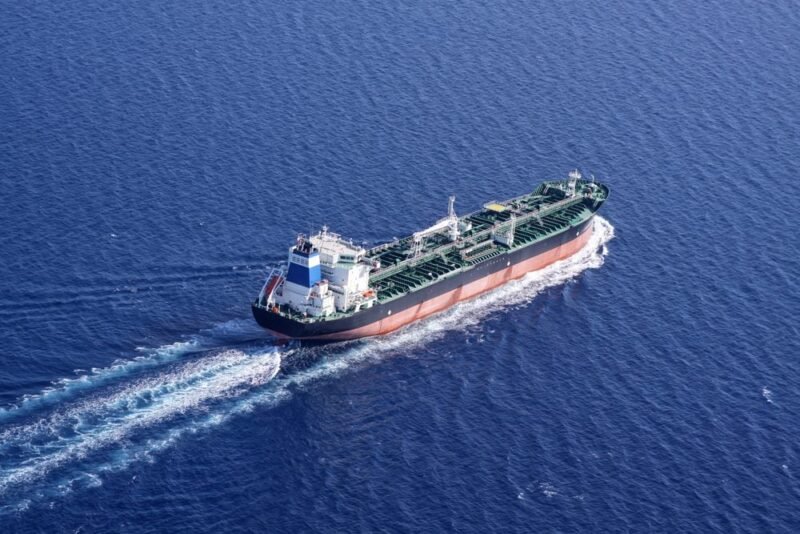
California exemplifies the impact of this policy, having previously relied on Middle Eastern crude imports of about 230,000 barrels per day. With disruptions in Gulf shipping and a reduction of 575,000 barrels per day in state refining capacity since 2020, California’s supply challenges have become apparent. The arrival of foreign tankers, such as the Singapore-flagged Pelican Pacific, has facilitated substantial fuel deliveries to the state, while crude from the U.S. Strategic Petroleum Reserve has even been transported to California for the first time.
Furthermore, the Gulf Coast has emerged as an emergency supply hub, with foreign tankers moving various fuel products from Texas and Louisiana to regions like Florida and Puerto Rico. Although the Jones Act was originally designed to protect U.S. maritime interests, available tankers have dwindled to approximately 100, raising concerns about the long-term implications of the waiver on domestic shipbuilding and marine employment. The administration views this waiver as a crucial measure to stabilize fuel supplies, yet it faces increasing opposition from lawmakers and maritime industry advocates who argue it undermines the U.S. fleet.