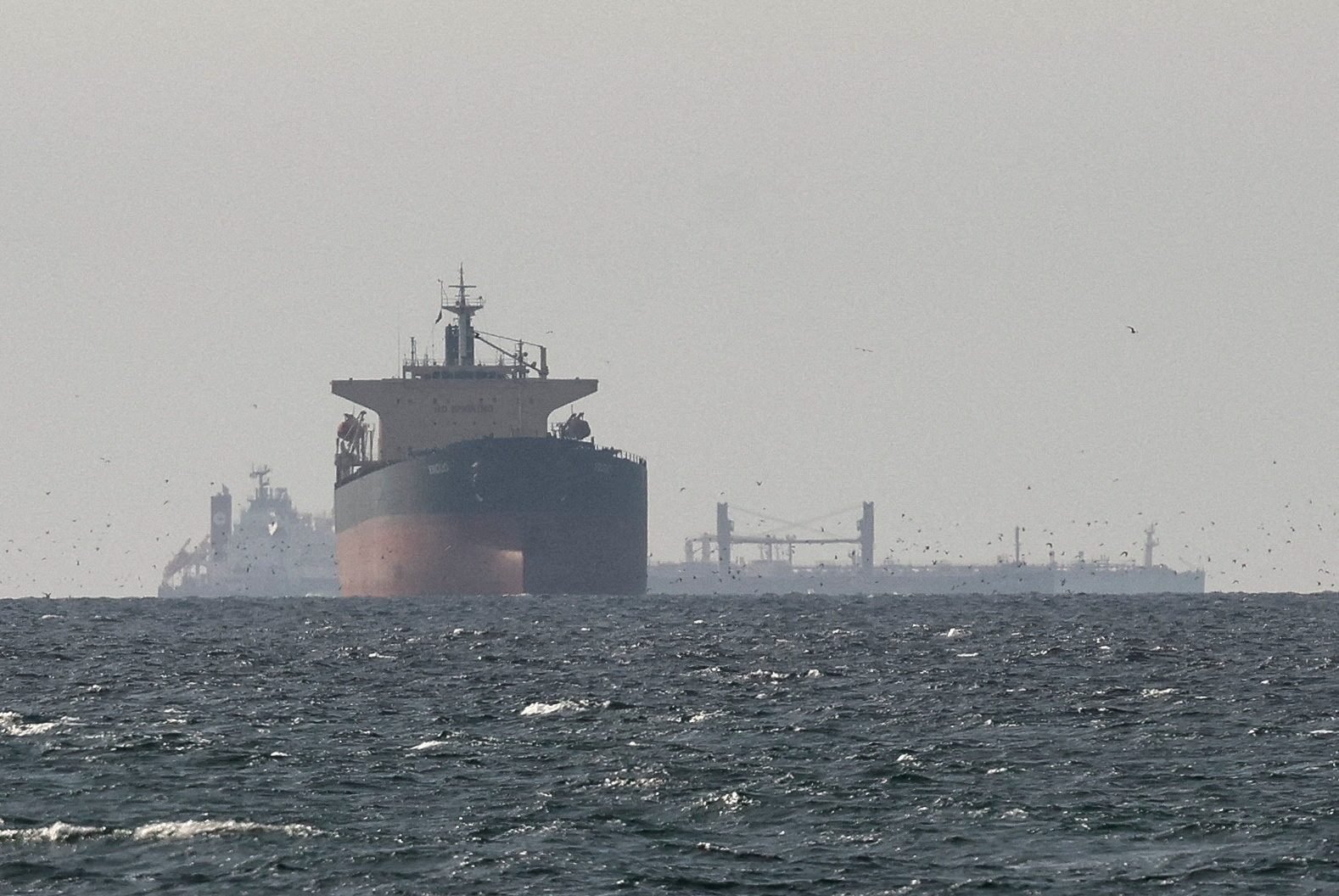
US President Donald Trump has extended a critical shipping waiver by 90 days to support fuel and fertiliser supply chains strained by the Gulf crisis. This extension aims to facilitate the efficient movement of these essential commodities through disrupted maritime corridors. Concurrently, Trump discussed with UK Prime Minister Keir Starmer the urgency of reopening the Strait of Hormuz, showcasing a dual strategy of exerting military pressure on Iran while providing commercial assistance to prevent severe domestic supply disruptions in fuel and food sectors.
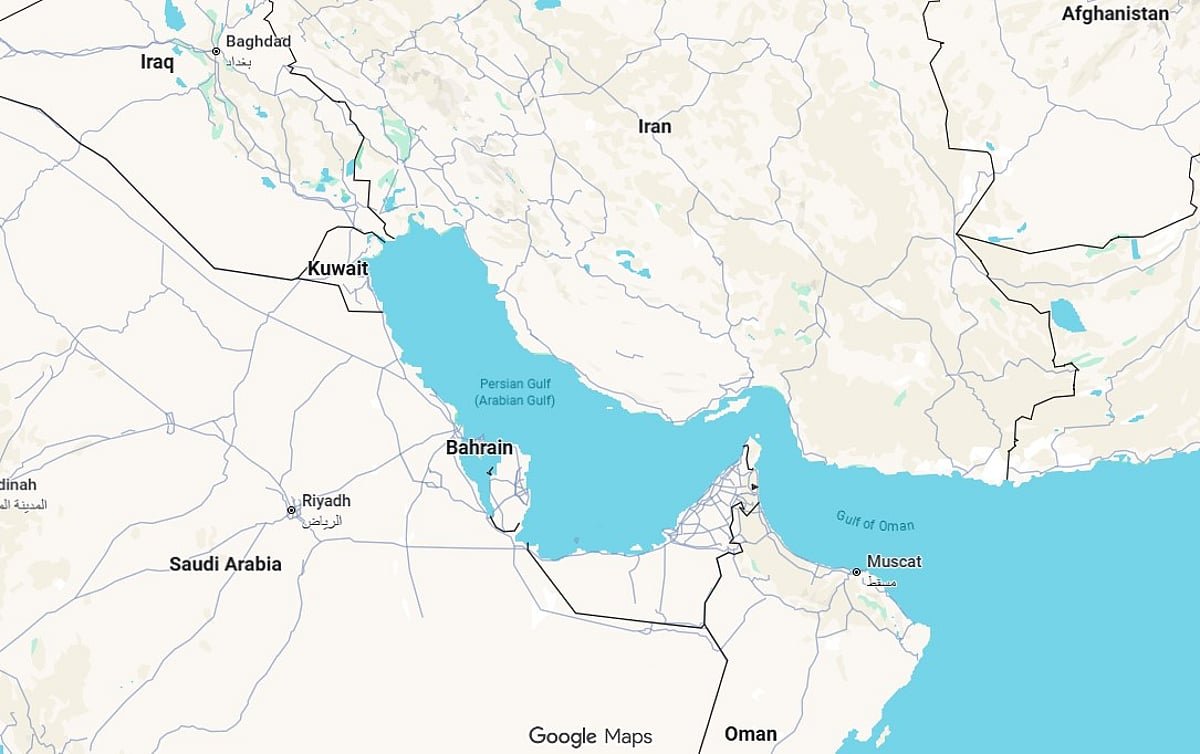
The Hormuz crisis has significantly impacted fuel and fertiliser markets. Iran and Qatar play crucial roles in global LNG and fertiliser production, and the near-closure of the strait has hindered tanker movements to importers in Asia, South Asia, and Europe. In India, domestic urea production has dropped from 24 lakh tonnes monthly to approximately 18 lakh tonnes due to gas shortages at fertiliser plants, prompting an emergency import tender for 2.5 million tonnes of urea ahead of the kharif sowing season.
The waiver extension pertains to Jones Act provisions and other US maritime regulations restricting the use of foreign vessels for certain domestic trades. This flexibility allows US energy distributors and agricultural companies broader access to vessel capacity for importing fuel and fertiliser, preventing additional logistical supply crises.
Commercially, this extension is significant for India, indicating that the US administration is balancing military actions with the need for market stability. Trump’s simultaneous pressure on Iran and call for reopening the Strait of Hormuz reflects the complexities of managing geopolitical tensions whose economic impacts are affecting American households through rising energy and food prices.
Related posts:
 Masters Group Urges Investment in Greek Ports Due to Inadequacies
 Challenges and Opportunities in Growth and Sustainability of Antwerp Bruges Port
 Maritime Leaders Address Industry Challenges and Decarbonization Strategies
 Maritime Digitalization Challenges Highlight Need for Training and Connectivity