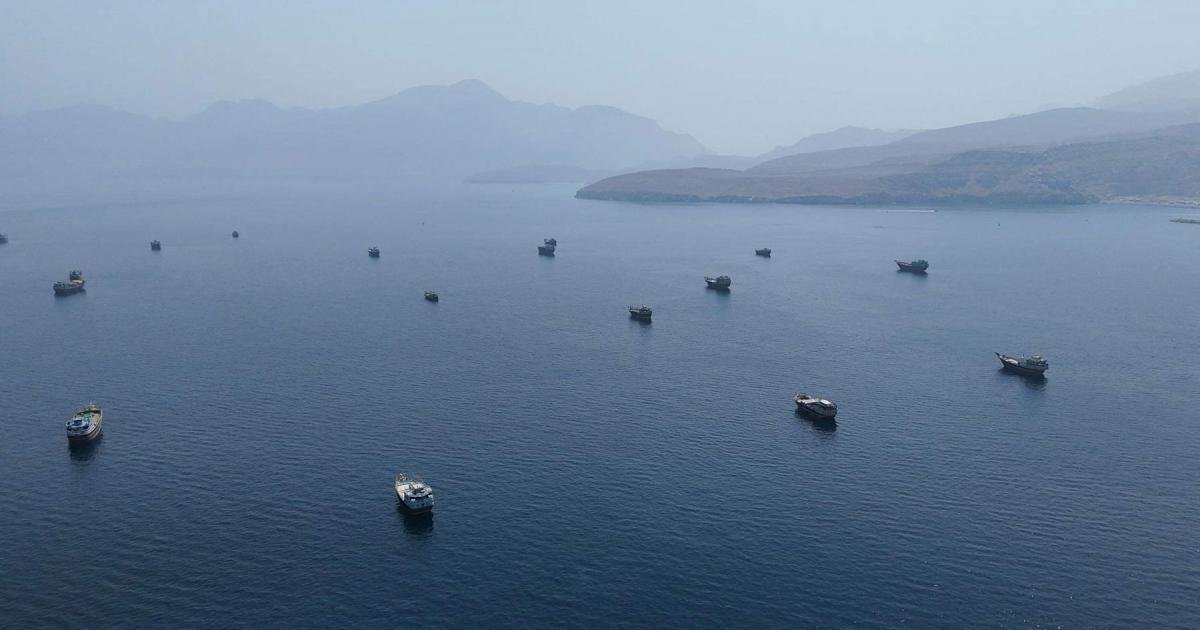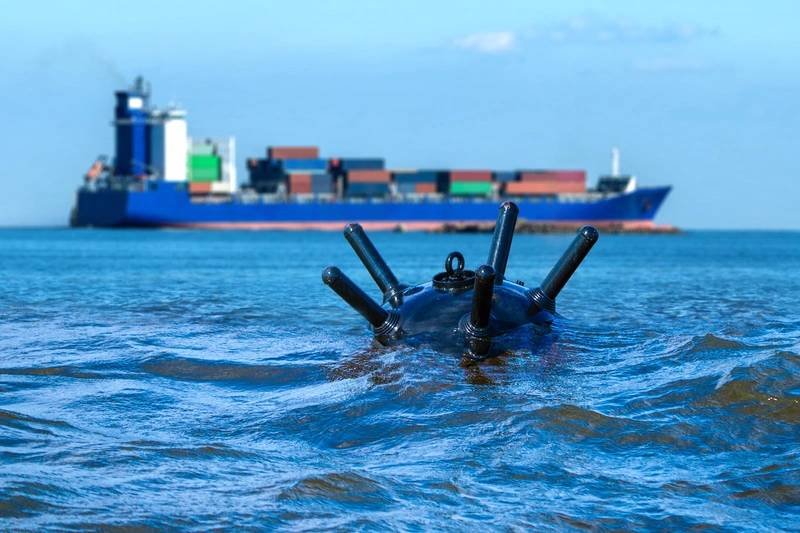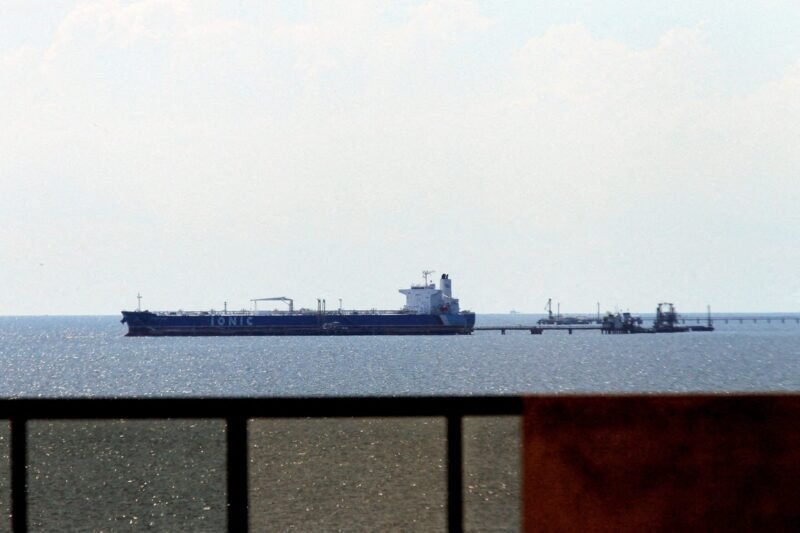
The 2026 Hormuz crisis has significantly reshaped the landscape of maritime risk. With transit levels plummeting by 92%, the implications for shipping are profound. Additionally, widespread GNSS spoofing is leading to large-scale distortions in vessel records, complicating the already precarious situation. The exposure to sanctions now begins even before transactions are finalized, adding another layer of complexity for maritime operators.
In light of these developments, a new whitepaper leverages proprietary data from 895 observed crossings to delve into the evolving risk environment. It highlights how traditional factors such as visibility, routing, insurance, and compliance have intertwined, creating a singular, more challenging landscape for maritime navigation.
The convergence of these elements means that stakeholders must navigate a more intricate web of risks than ever before. The implications are far-reaching, affecting everything from operational strategies to financial planning. As the maritime industry grapples with these changes, the need for robust risk management practices has never been more critical.
In summary, the 2026 Hormuz crisis has ushered in a new era of maritime risk, demanding heightened awareness and adaptability from all involved in the shipping sector.