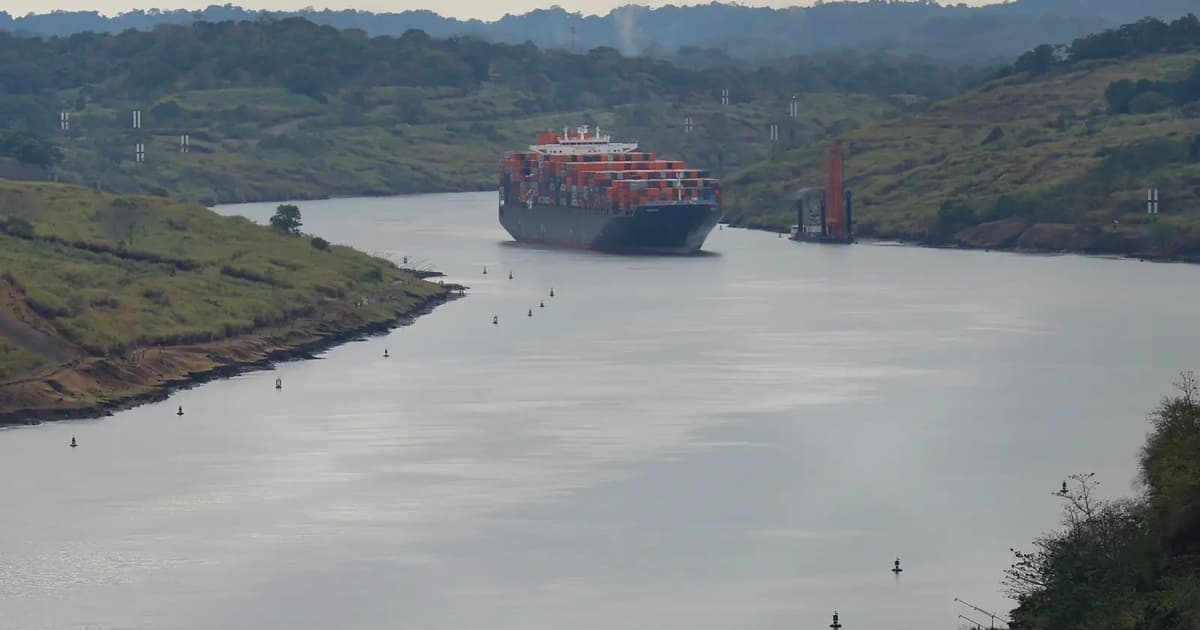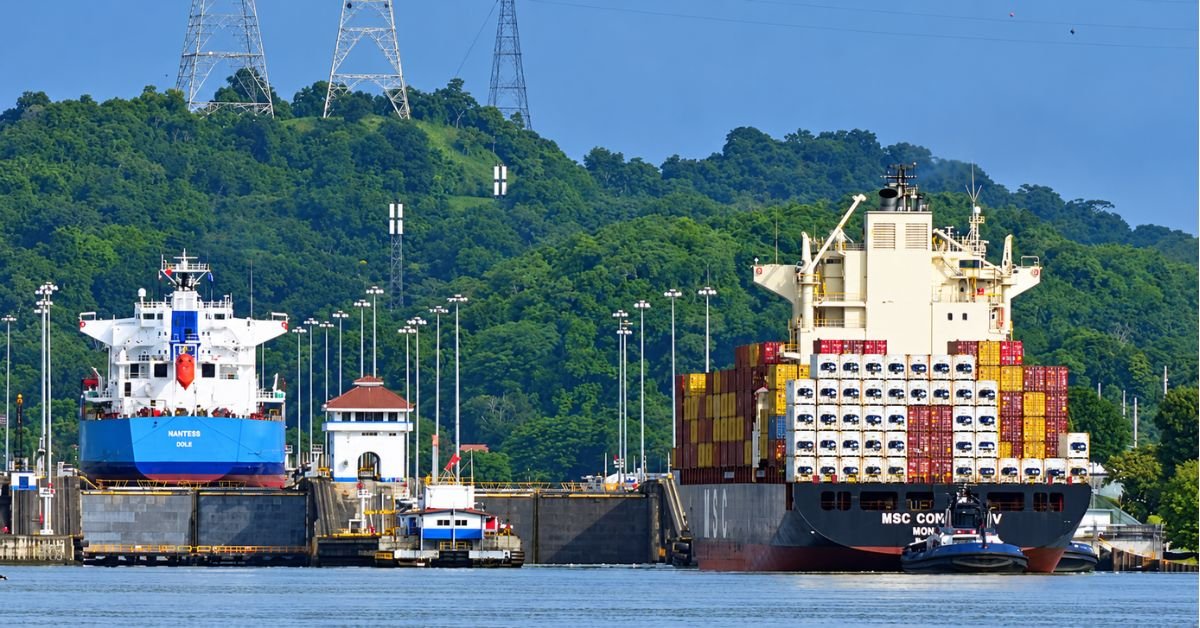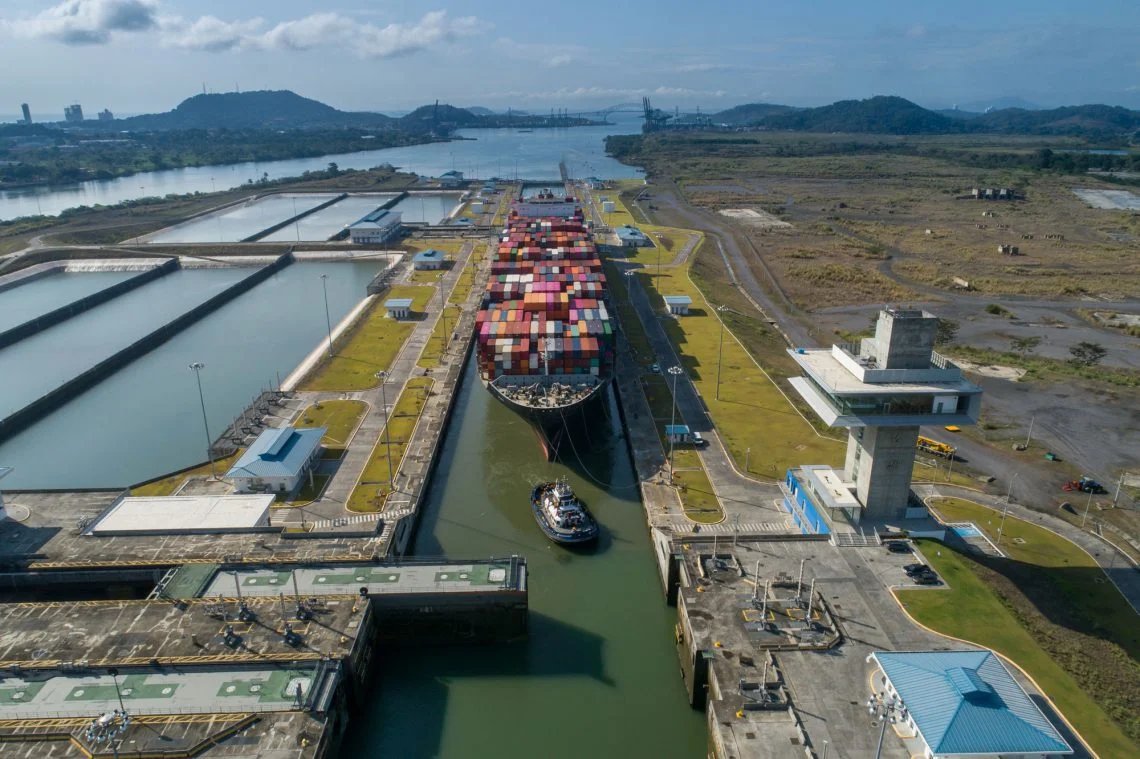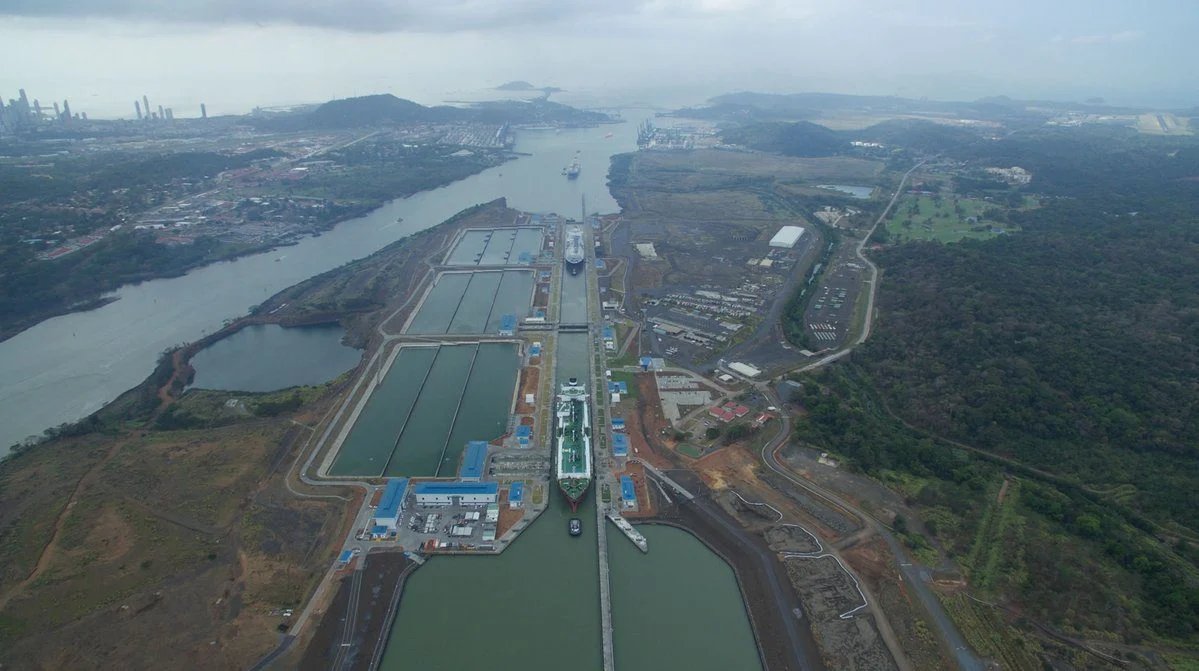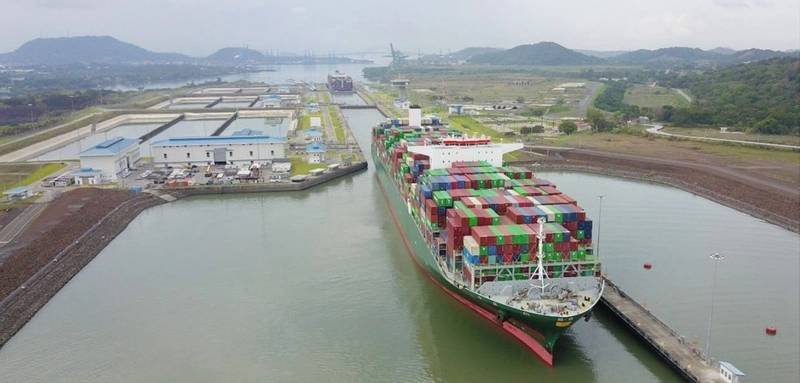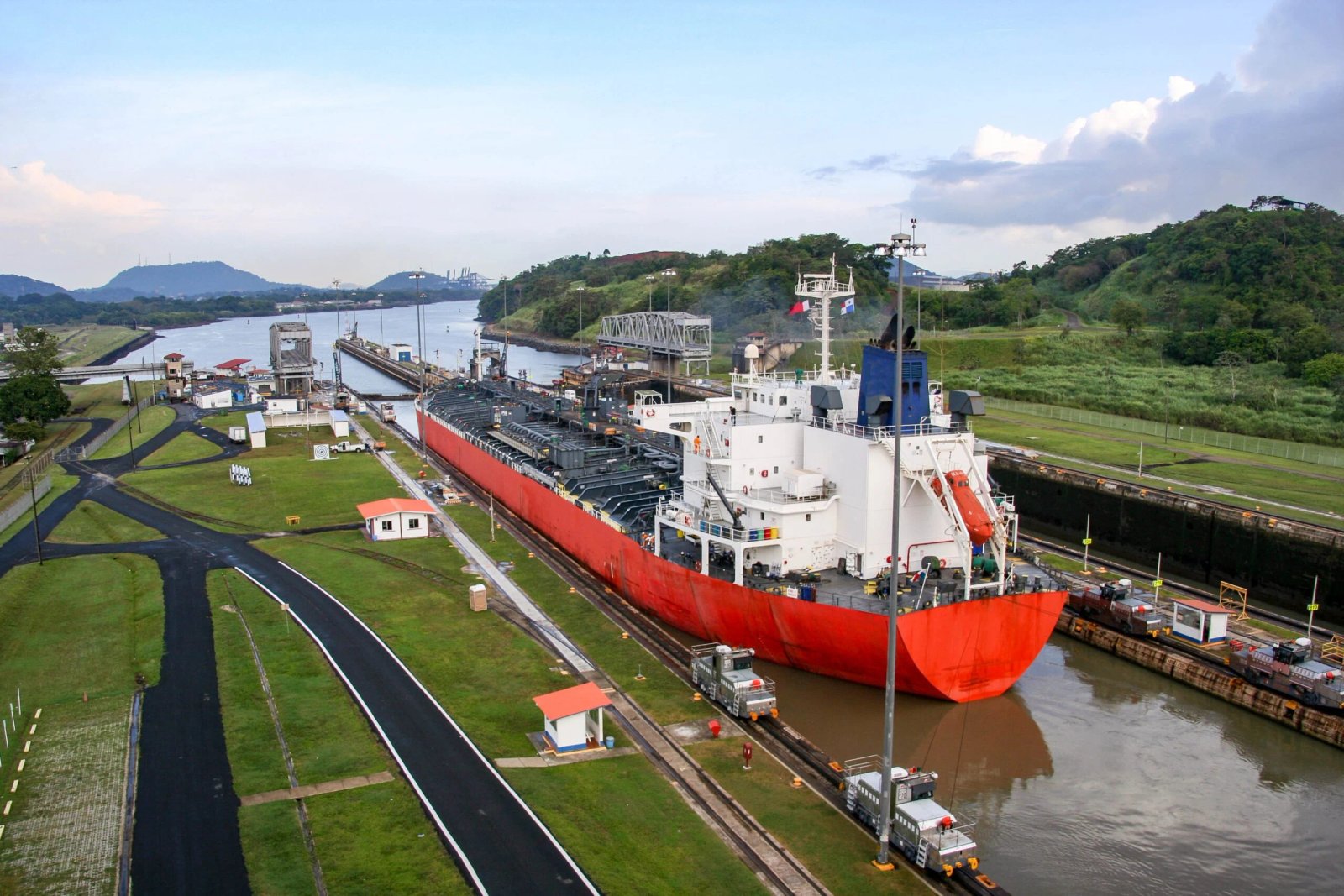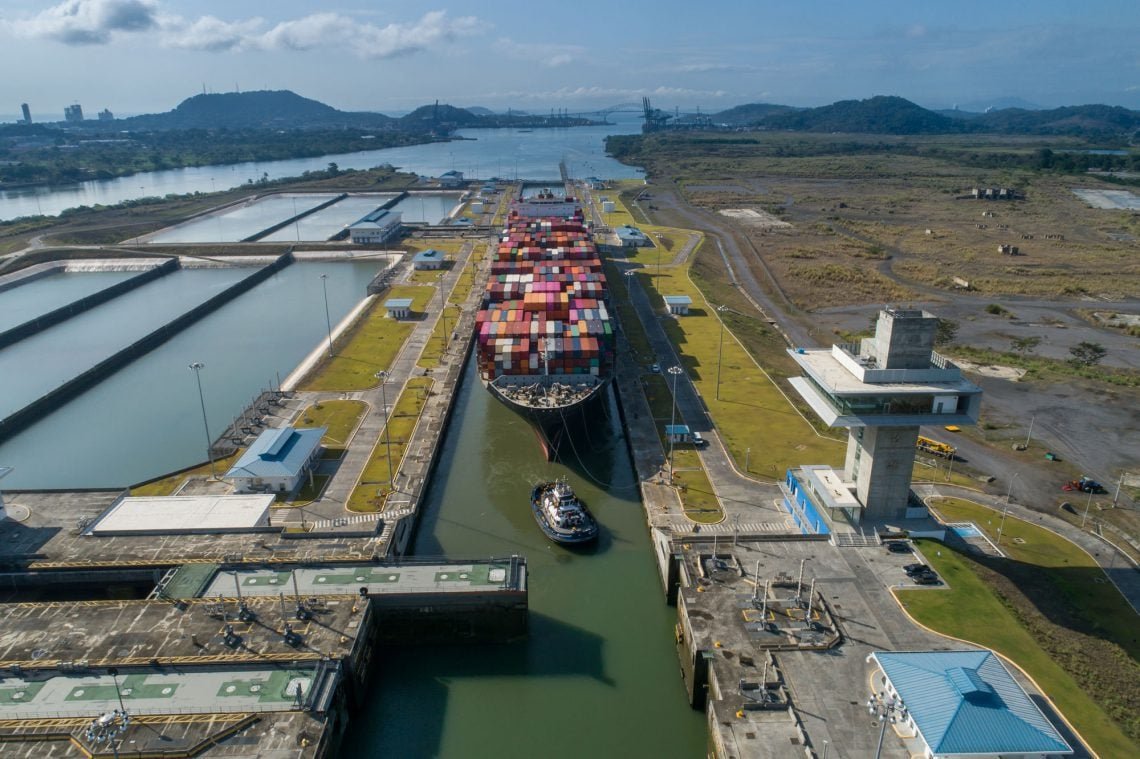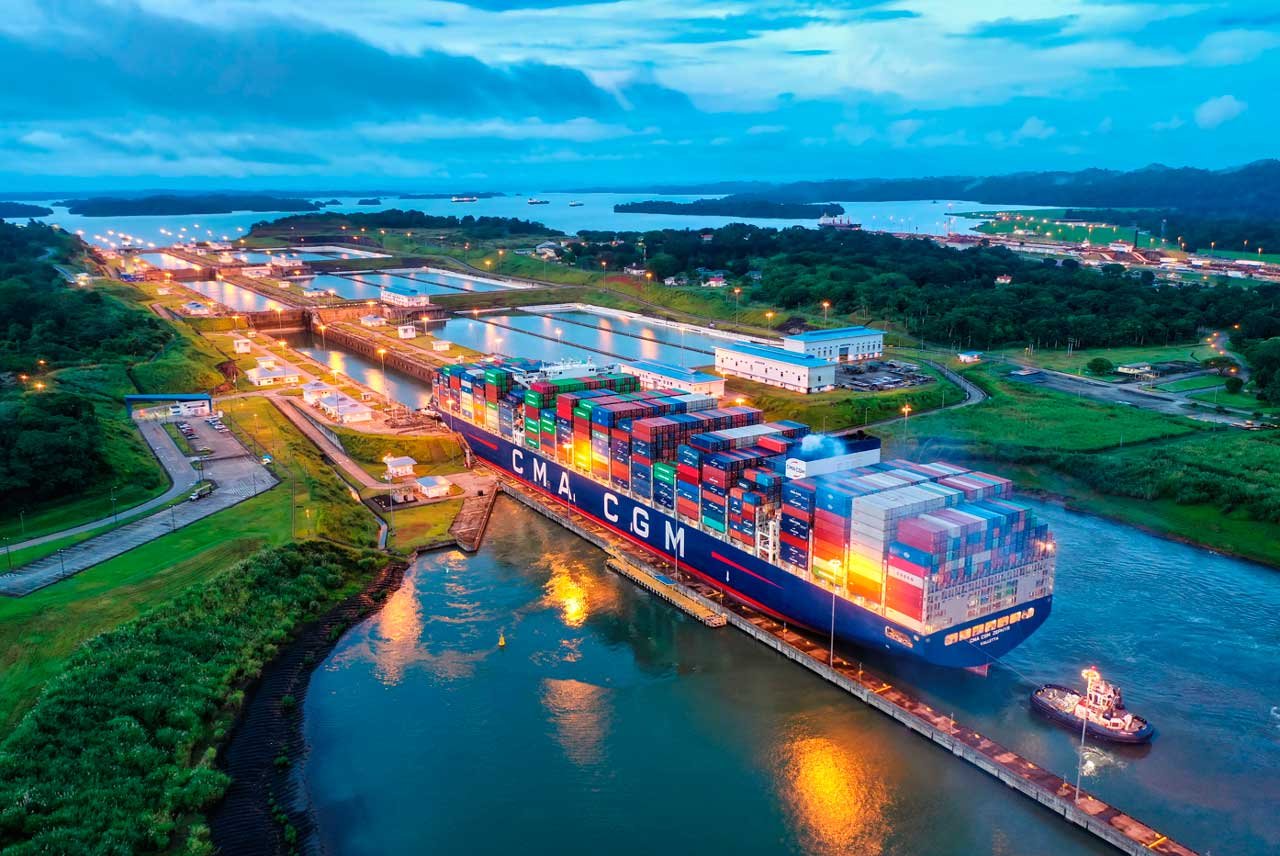
NOAA has officially announced the onset of El Niño conditions, a climate phenomenon prompting the Panama Canal Authority (ACP) to implement its first vessel draft restriction of 2026. In its recent ENSO Diagnostic Discussion, NOAA’s Climate Prediction Center reported that El Niño conditions have developed and are predicted to intensify through the Northern Hemisphere winter. Forecasters now suggest a 63% chance that this event could evolve into a “very strong” El Niño between November and January, potentially ranking among the most intense since 1950.
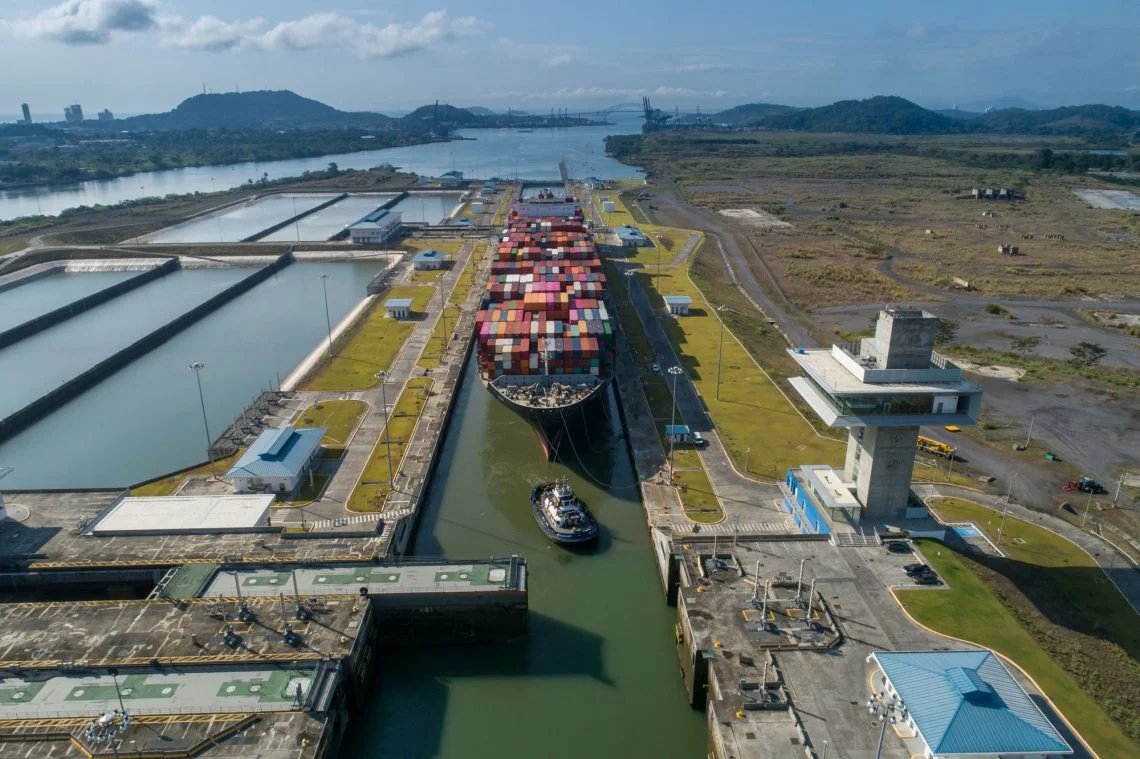
This forecast signals a notable shift from NOAA’s previous outlook, which anticipated El Niño’s emergence later this year. The agency has upgraded to an El Niño Advisory due to above-average sea surface temperatures and atmospheric patterns indicating a strengthening event. For the maritime sector, this development is critical, as El Niño is historically linked to decreased rainfall in Central America, affecting the Panama Canal watershed. Earlier this month, the ACP declared it would lower the draft limit for Neopanamax vessels from 50 feet to 49.5 feet tropical fresh water on July 3, citing concerns about El Niño’s impact on rainfall.
Canal officials are closely monitoring water levels, having implemented conservation measures following the severe drought of 2023-24, which caused significant disruptions in global shipping. So far, water conditions are reported as favorable, with Gatun Lake levels remaining historically high. The ACP is conducting preparations well in advance to mitigate potential restrictions, allowing for gradual adjustments rather than severe impositions faced in previous drought cycles.
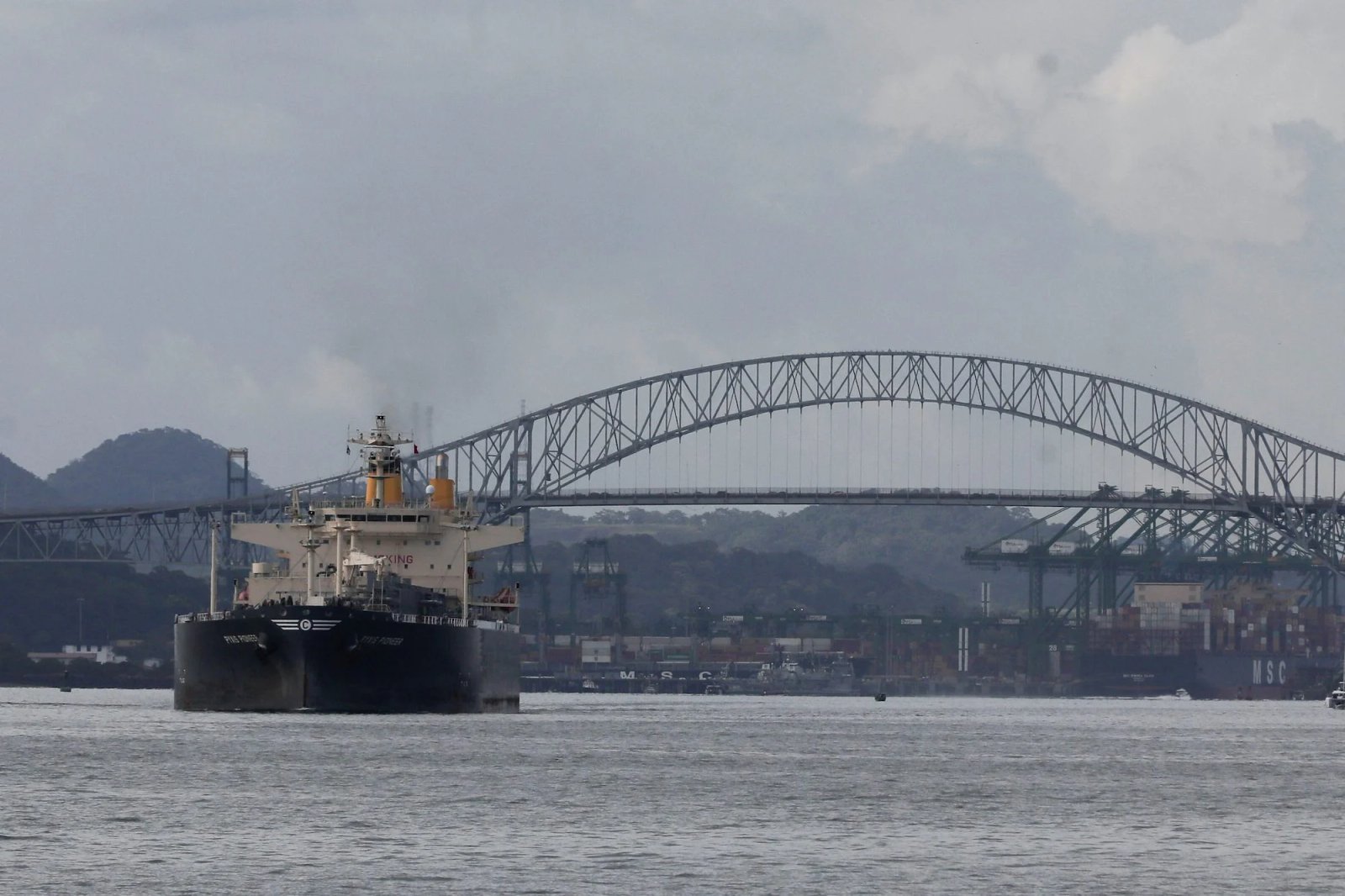
With El Niño officially in effect and expected to strengthen, the maritime industry is on alert regarding the canal’s capacity to maintain transit levels amidst fluctuating rainfall patterns. Vessel transits through the canal have risen, driven especially by tanker traffic, and the next ENSO Diagnostic Discussion by NOAA is scheduled for July 9, promising further insights into this evolving climate situation.