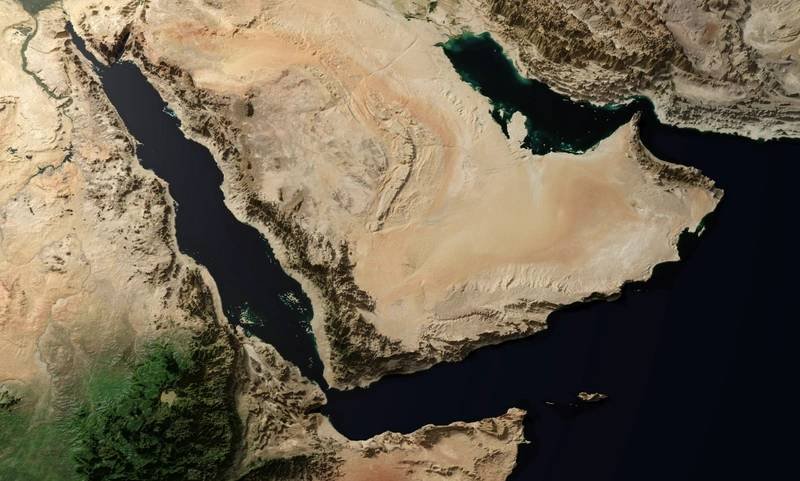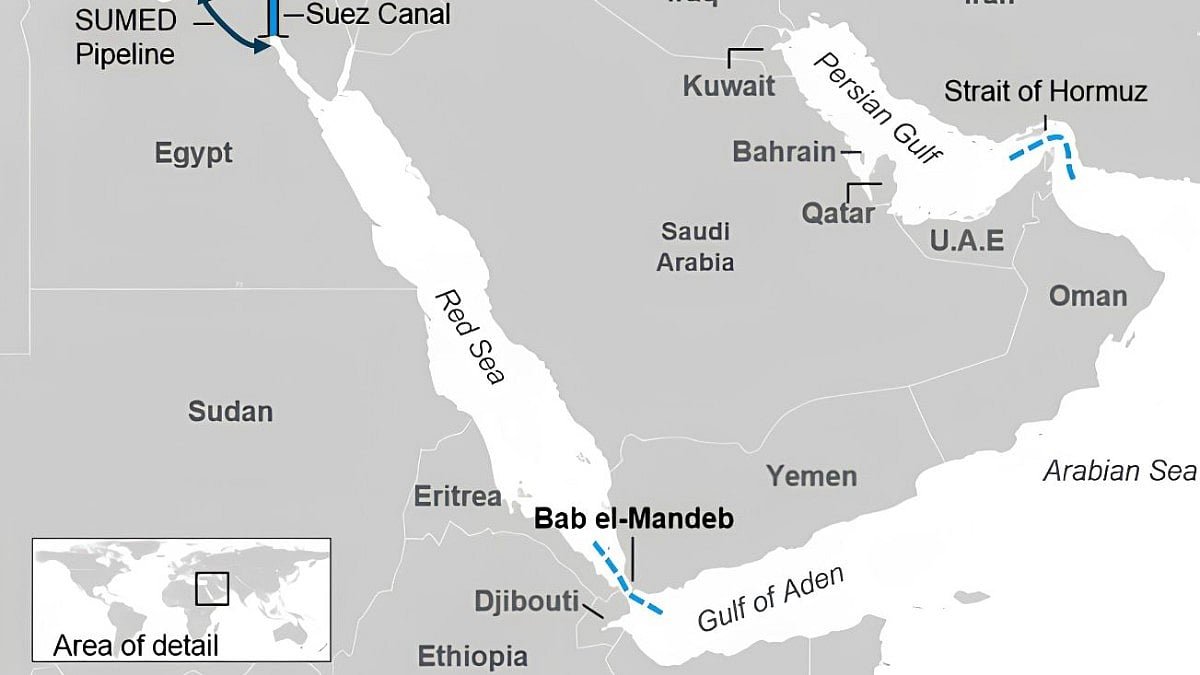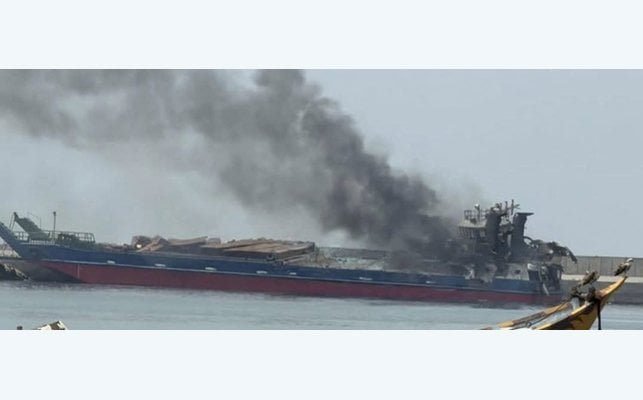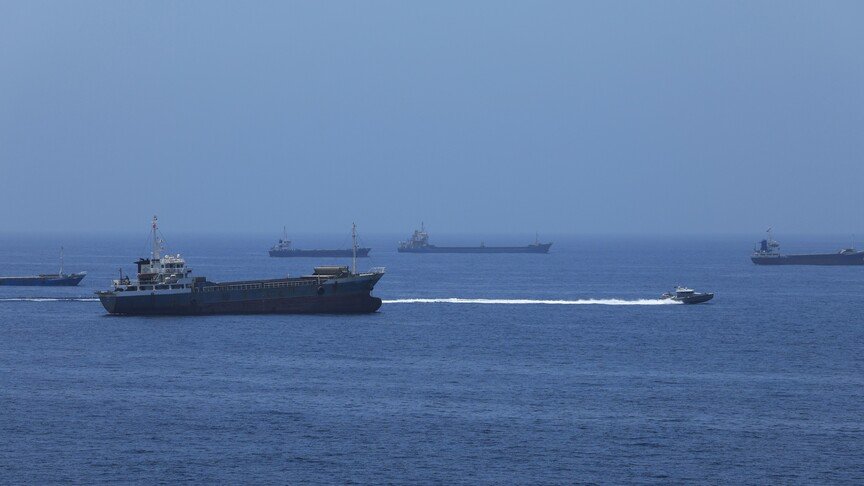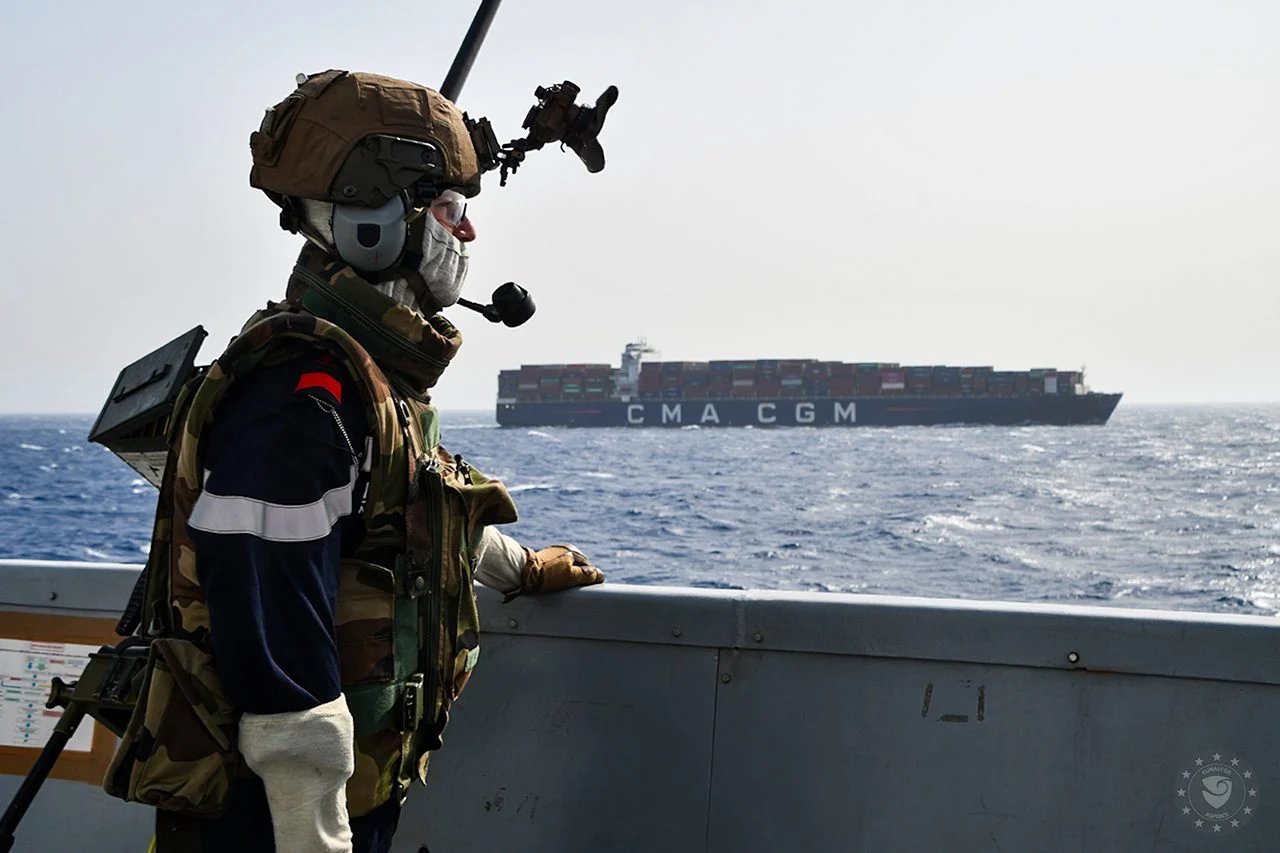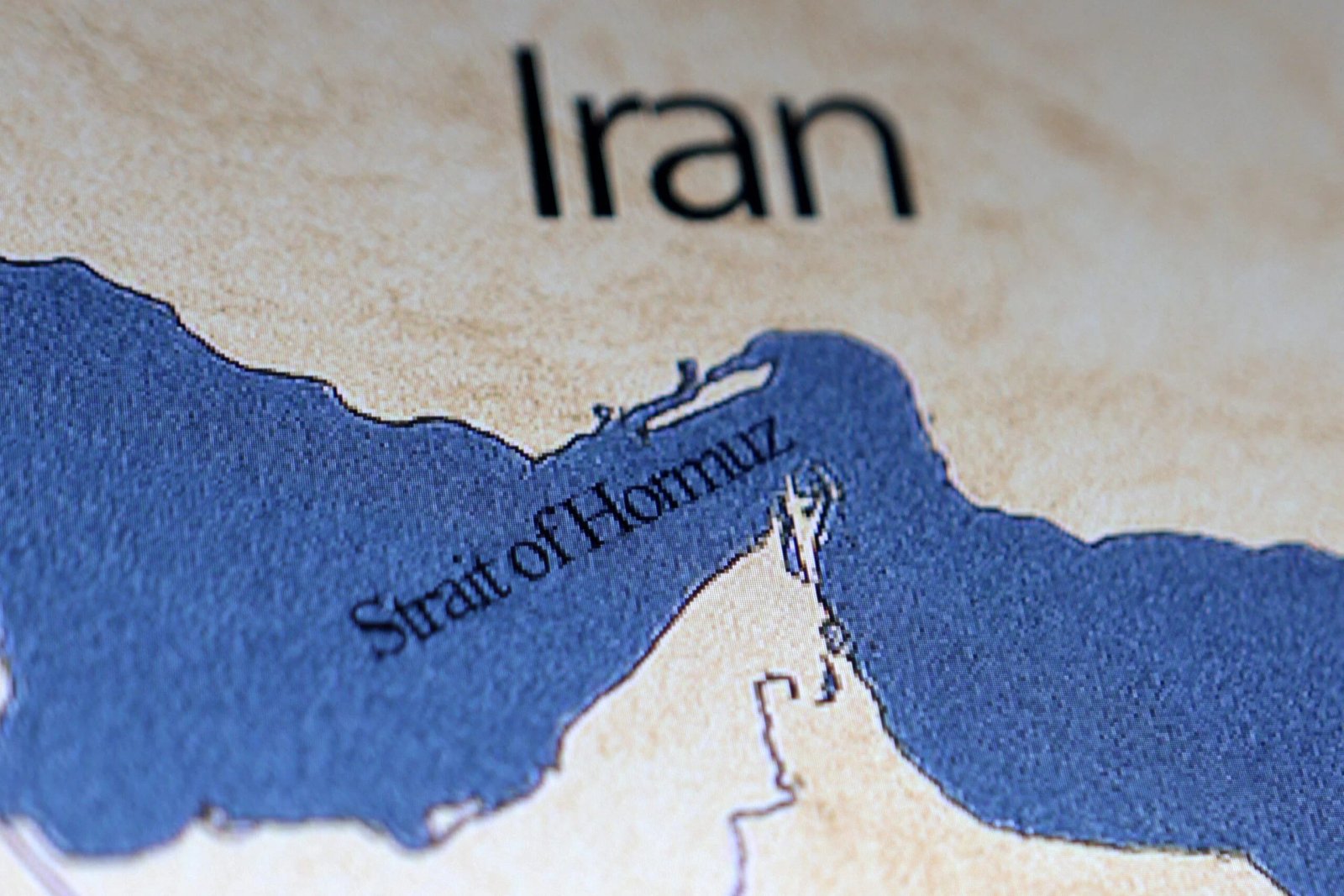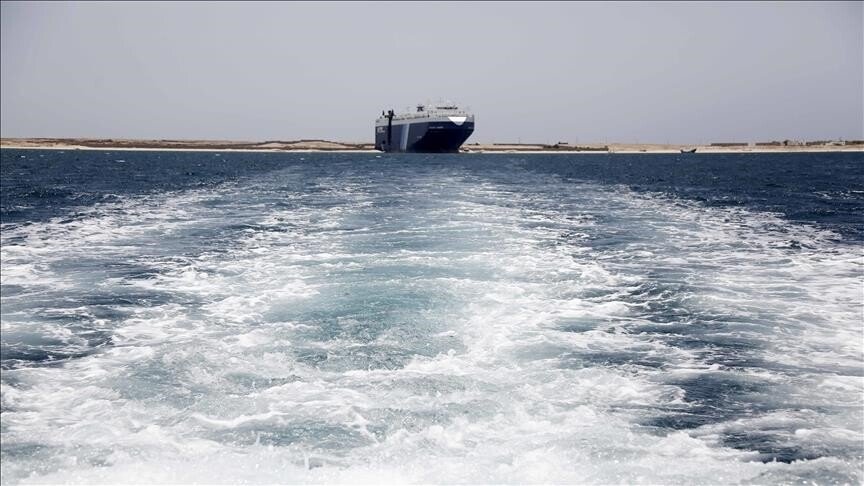
On June 8, the Iran-aligned Houthis announced they would prohibit ships associated with Israel from entering the Red Sea, a response to Israel’s intensification of military actions against Iran. This move raises significant concerns regarding the stability of global shipping and energy supplies. Following Iran’s closure of the Strait of Hormuz due to escalations between Israel and the U.S., the region has seen disruptions in oil exports, leading to price increases and a broader energy crisis. To mitigate this, Saudi Arabia has redirected over 70% of its crude exports to the Red Sea port of Yanbu, helping stabilize global oil prices.
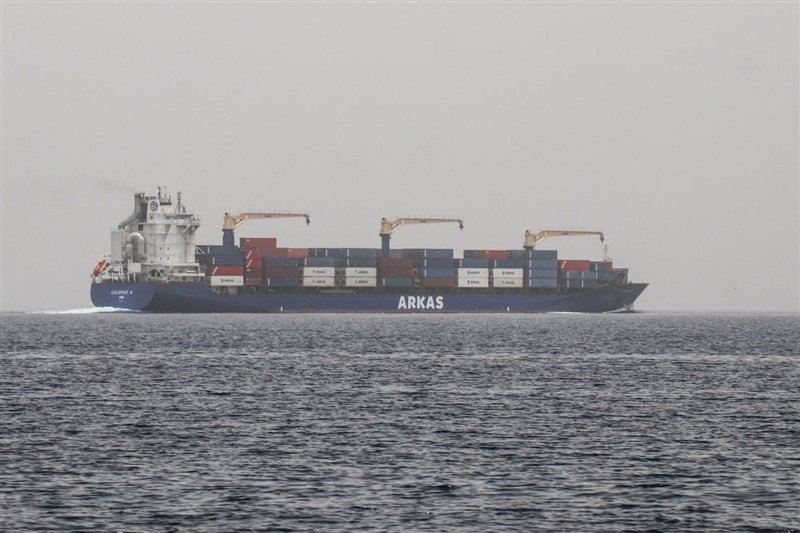
If the Houthis implement further disruptions to Red Sea shipping through potential attacks, it could create serious complications for global markets. Previous Houthi actions in November 2023 resulted in companies altering shipping routes to bypass the Red Sea, although oil exports continued. A Houthi informant described their current ban as an initial measure, suggesting more severe actions, including targeting any vessels headed to Israel.
Emerging as a significant player in Yemen’s conflict in the 1990s, the Houthis have developed strong ties with Iran but maintain a degree of independence. U.S. officials assert that Iran has provided arms and training to the Houthis, yet the group insists on its autonomy in weapon development. Recent events, including attacks on shipping following the escalation in Gaza, highlight the Houthis’ capacity to disrupt vital trade routes. Despite warnings from Iranian military leaders regarding possible Houthis involvement in regional conflicts, their restrained actions thus far indicate a complex balancing of interests.