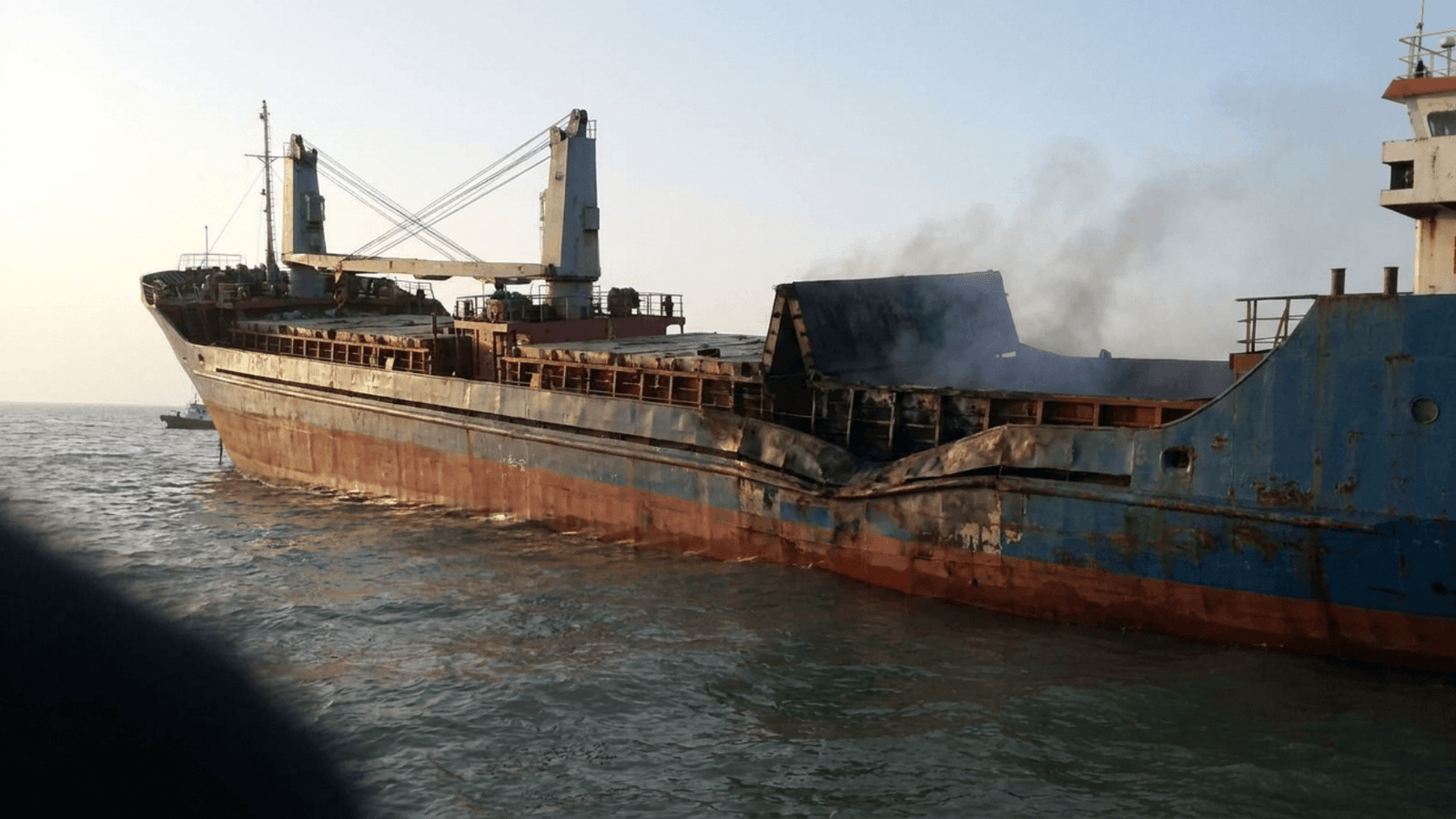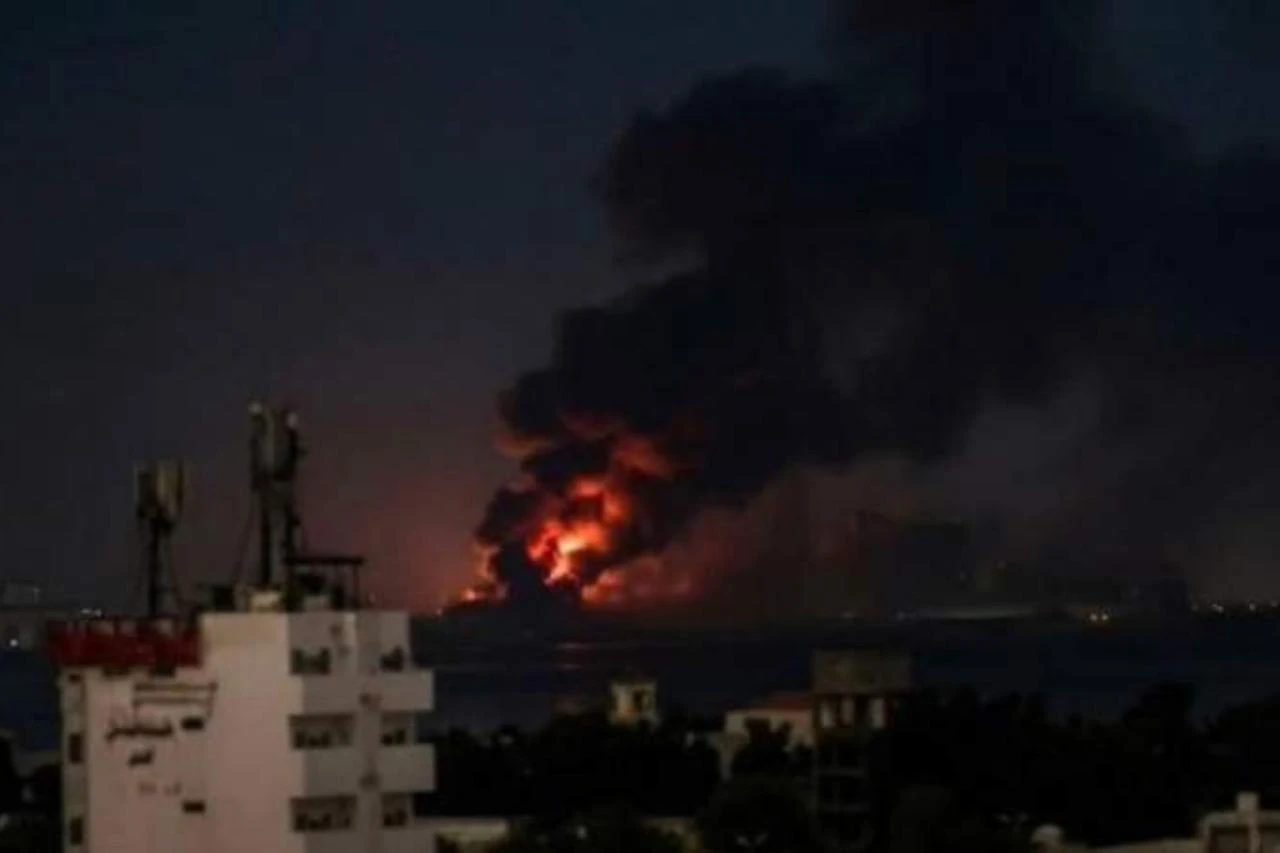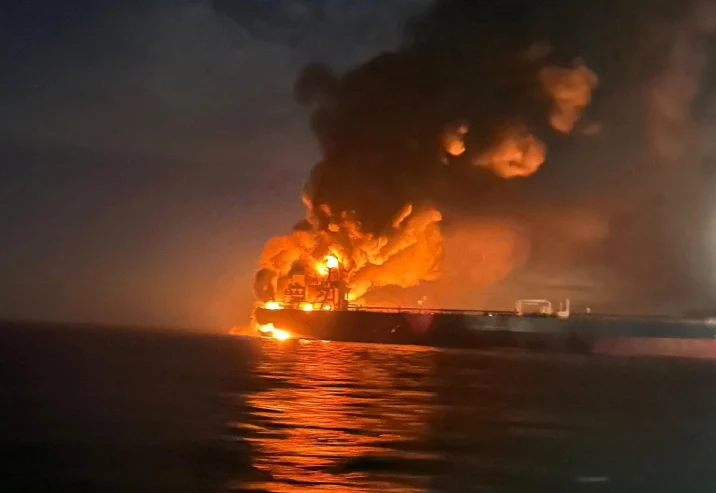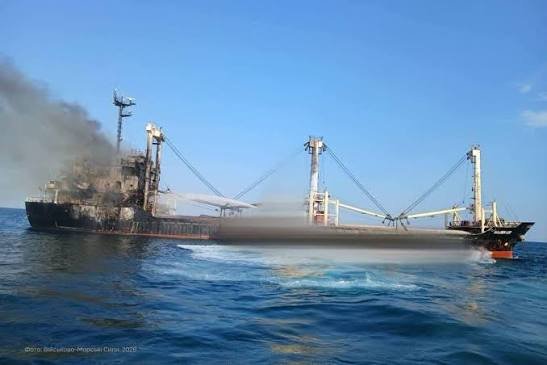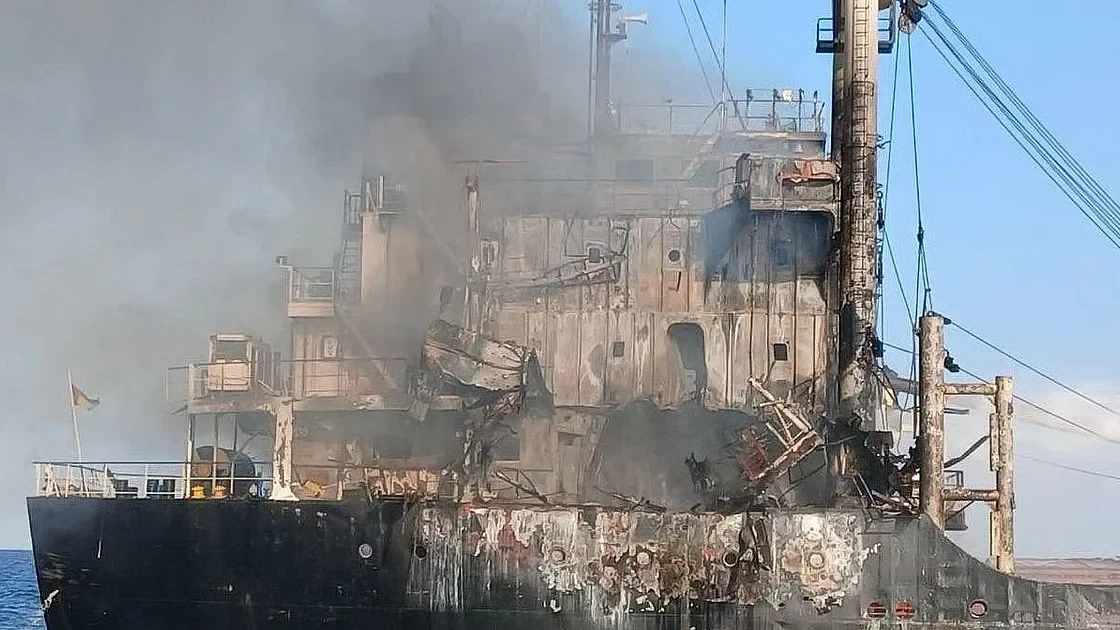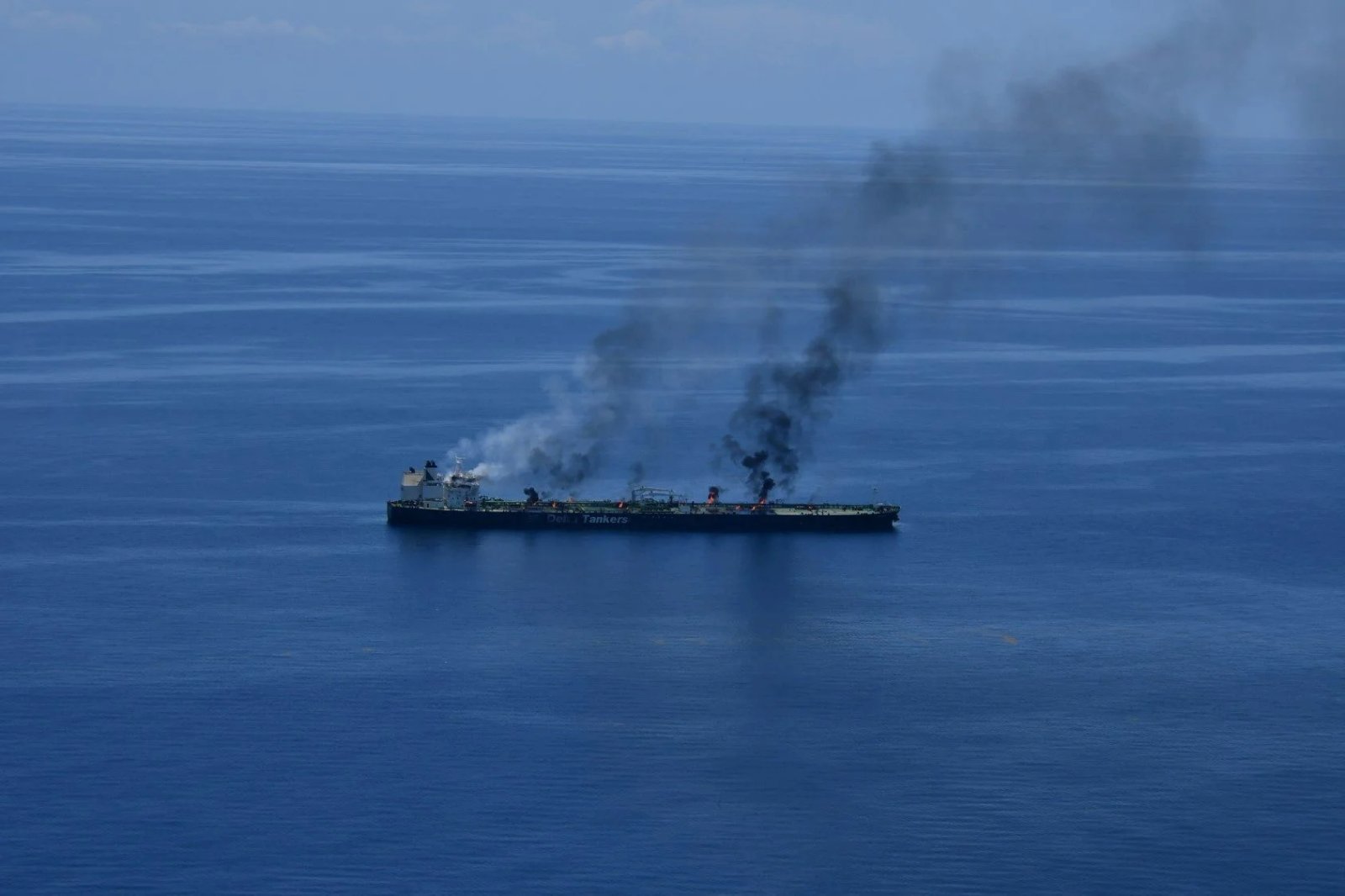
The energy trade in the Middle East is facing renewed challenges following recent attacks on two tankers in the Red Sea by Iran-backed Houthi militants. During a maritime security webinar, analysts from Lloyd’s List expressed concern that the Red Sea region has shifted from a phase of gradual normalization back into a state of significant uncertainty. Senior risk analyst Bridget Diakun emphasized that the dynamics in the Red Sea and the Strait of Hormuz have fundamentally changed, and the previous conditions may not return.
The impact of the Houthi aggression is notable, with traffic in the Red Sea plummeting by around 60% during the height of the crisis. Diakun suggested that transit levels might decline further based on the Houthis’ actions. Despite the risks, some tanker owners begin to acclimatize to the ongoing conflict, which may become the new normal for maritime operations in the area.
Additionally, reports indicate that both Saudi-linked and non-Saudi vessels may face threats, prompting some to alter tracking for crew transparency. While diversions away from the Red Sea have occurred, certain vessels, including sanctioned Iranian tankers, continue to navigate the region. The blockade of this crucial maritime passage raises significant implications for global oil trade, affecting millions of barrels per day and potentially leading to changes in shipping routes, exacerbating pressures on the energy market.