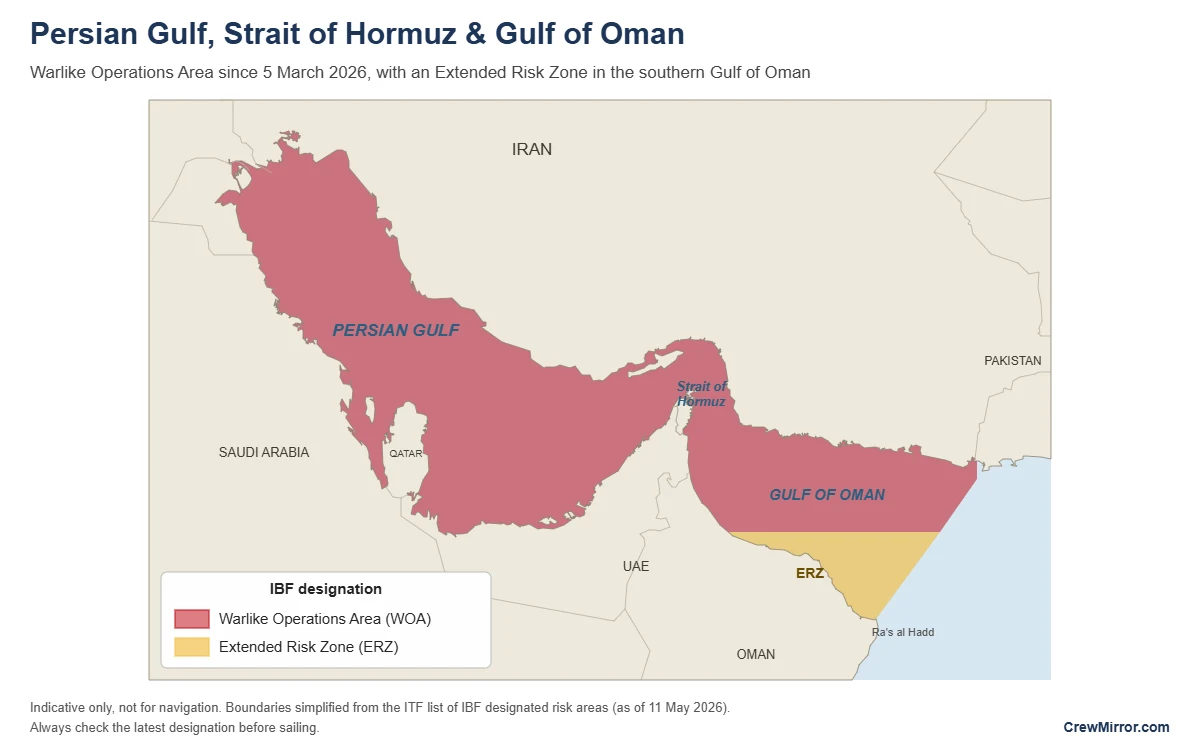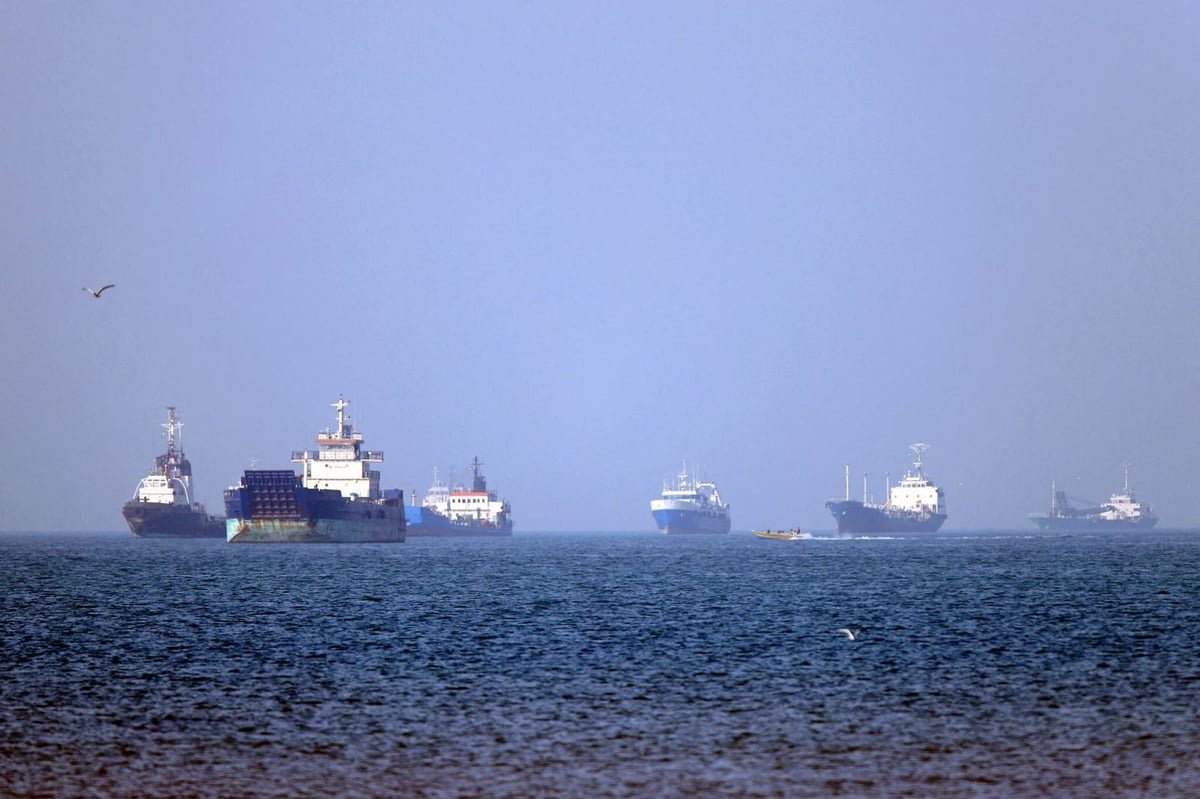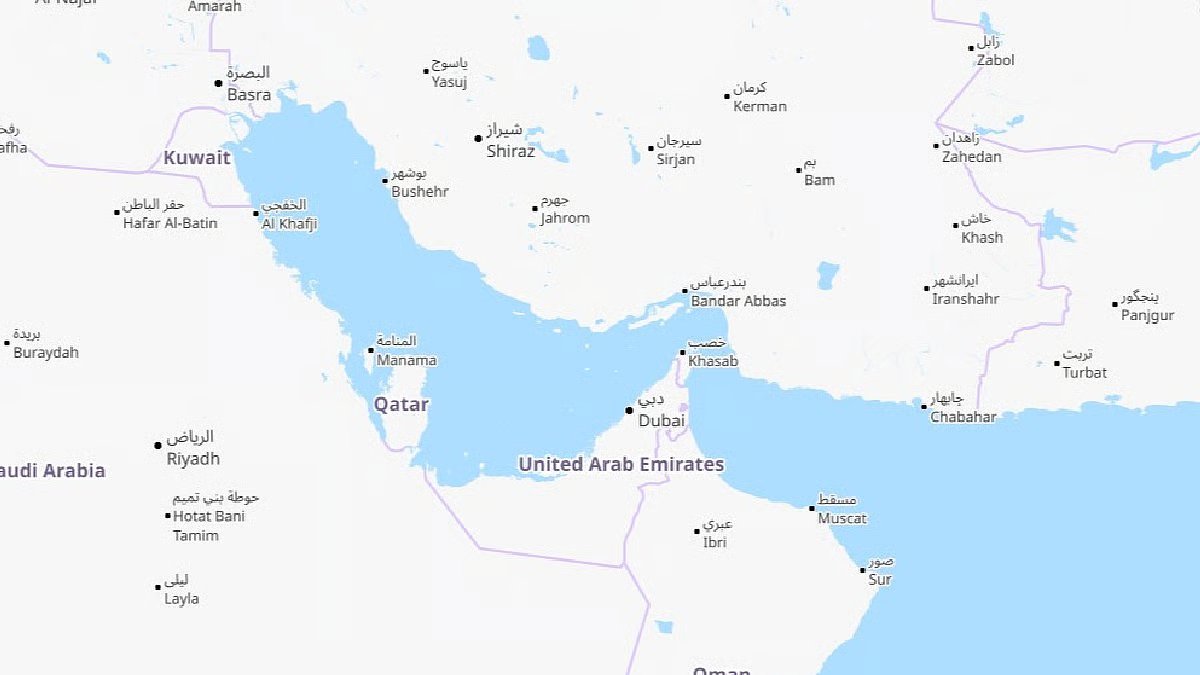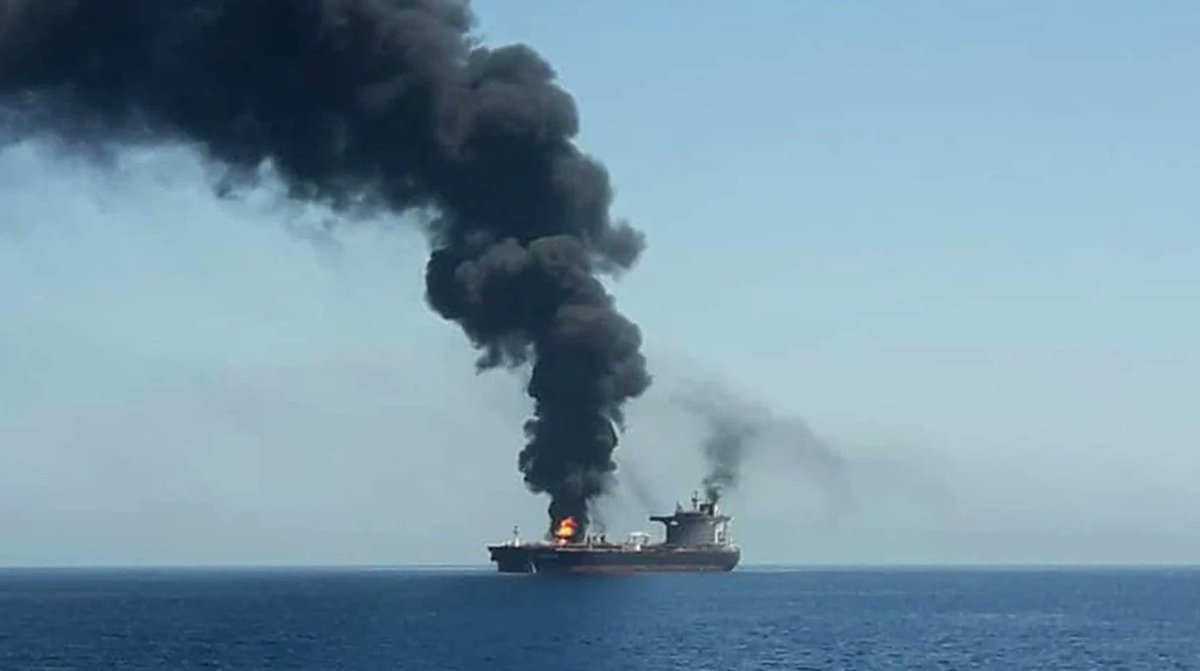
The International Energy Agency (IEA) has revised its forecast for global oil supply and demand, citing renewed conflicts around the Strait of Hormuz, which hinder Gulf exports and diminish inventories. In its August Oil Market Report, released on Wednesday, the IEA noted a 2.5 million barrels per day increase in Gulf oil production for July, reaching 23.9 million bpd. However, production levels remain 8.3 million bpd below pre-war figures, emphasizing the challenges in transporting these volumes amid ongoing violence.
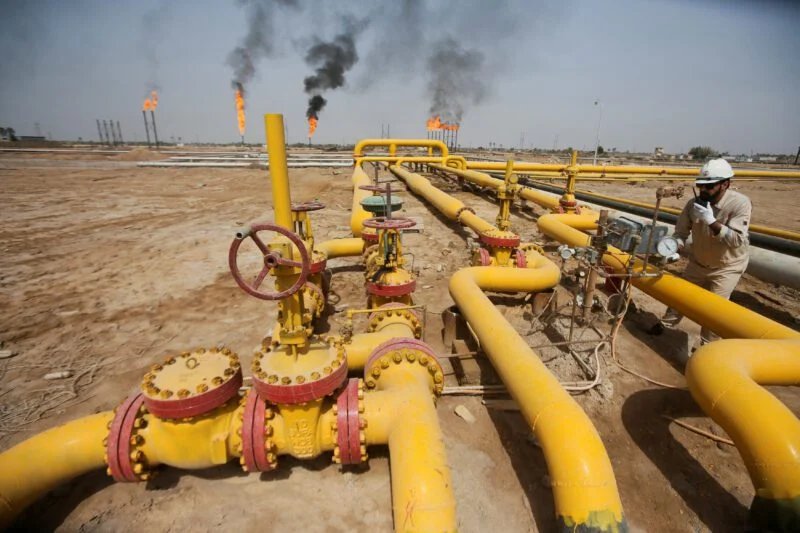
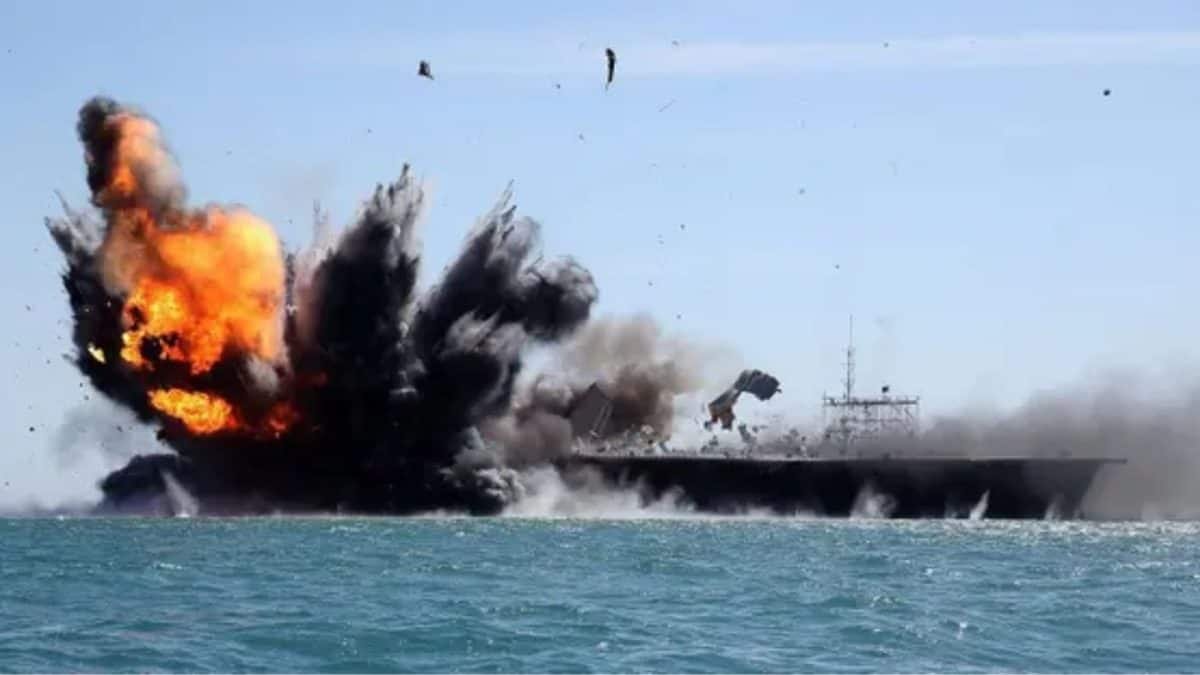
Regional exports fell by 2.1 million bpd to an average of 15 million bpd in July, largely due to the Strait’s effective closure and attacks on oil infrastructure. This disparity highlights the struggle of Gulf producers to meet international demands despite a recovery in production. Continued instability in the region caused significant fluctuations in benchmark crude prices, which peaked at $105 per barrel in late July following heightened tensions.
The IEA has also downgraded its estimates for global oil demand, predicting a 1.6 million bpd decline for the year, driven by the ongoing conflict, strained supply chains, and elevated prices. Refinery outputs saw a slight increase but remained far below last year’s levels, with steep declines in diesel and jet fuel exports from key regions.
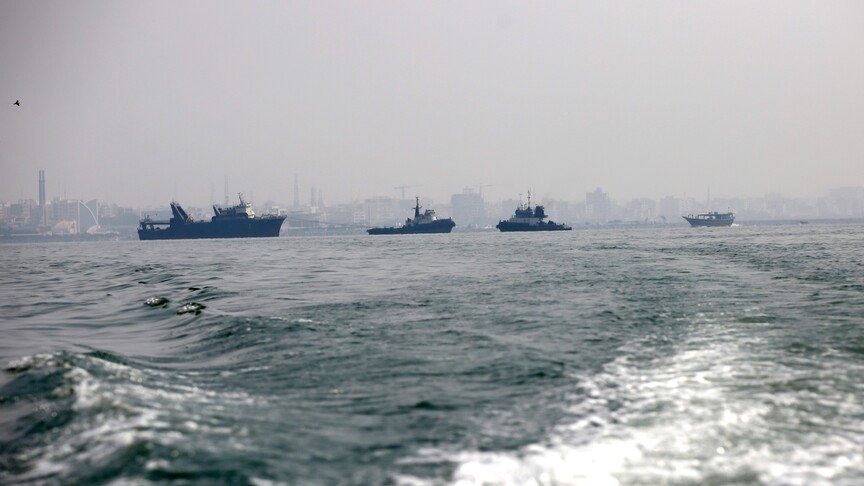
Lastly, the report indicates a steep decline in global oil inventories, which decreased by 69 million barrels in July, threatening market stability. The IEA warns that without reopening the Strait of Hormuz, which previously provided a buffer against supply shocks, the market is at greater risk of falling into deficit, highlighting an urgent need for improved shipping routes in the region.