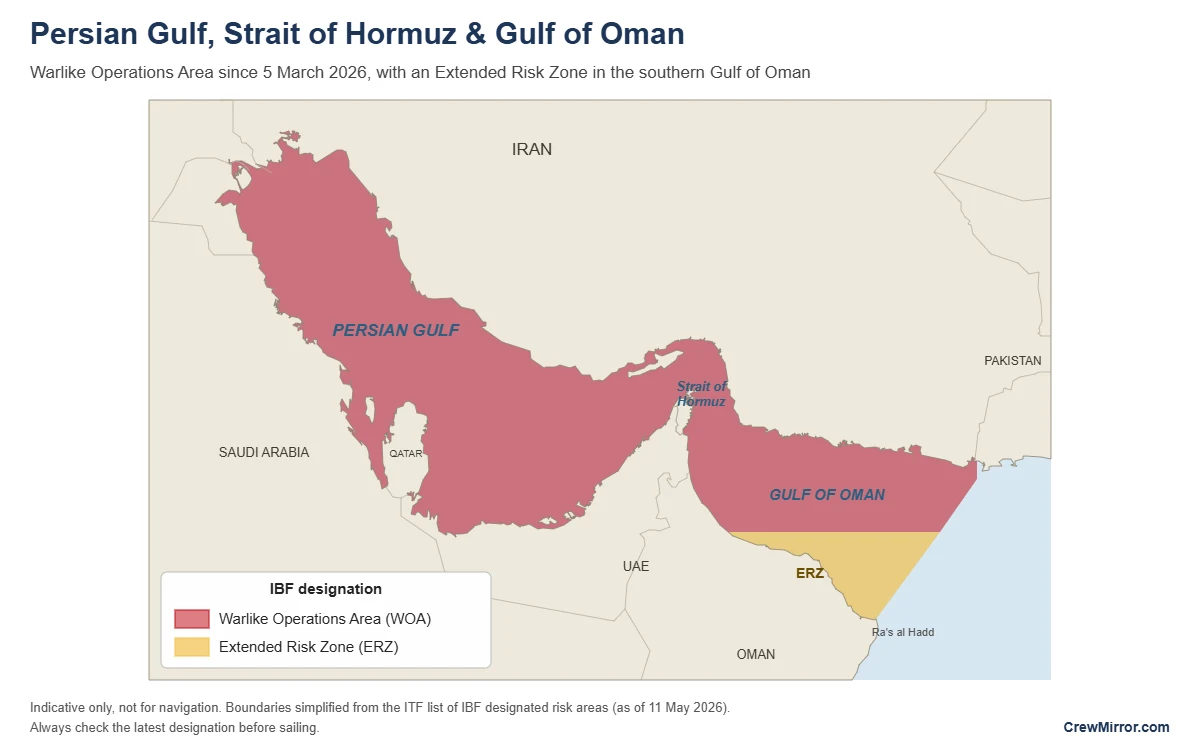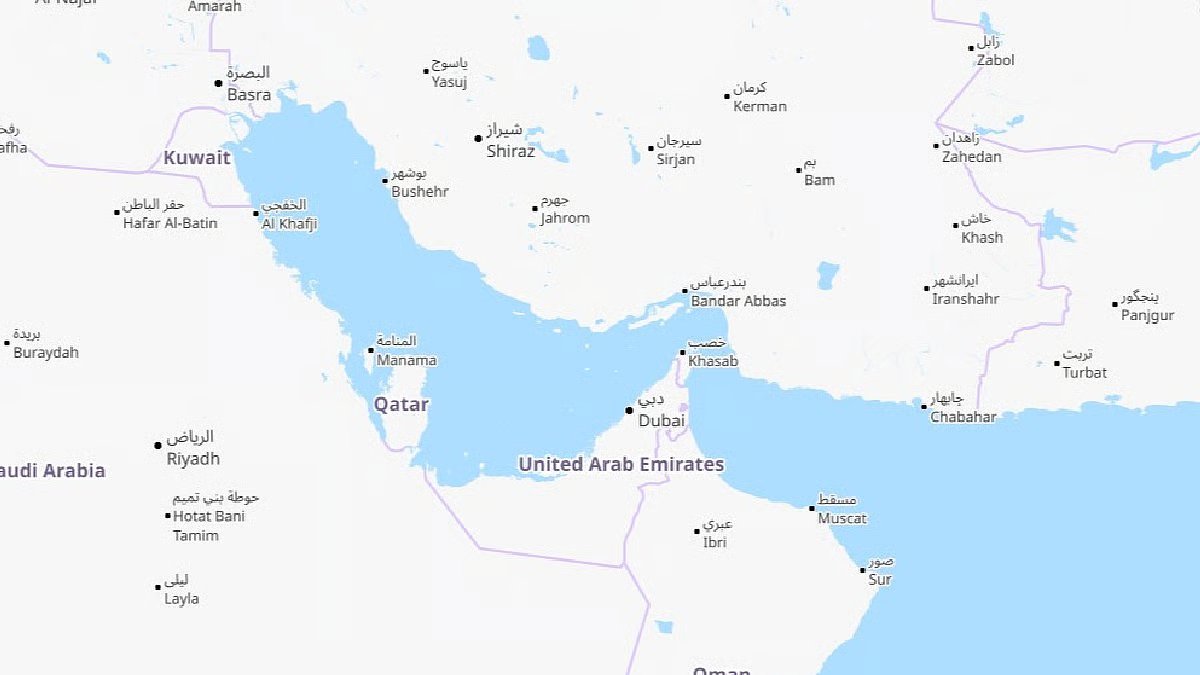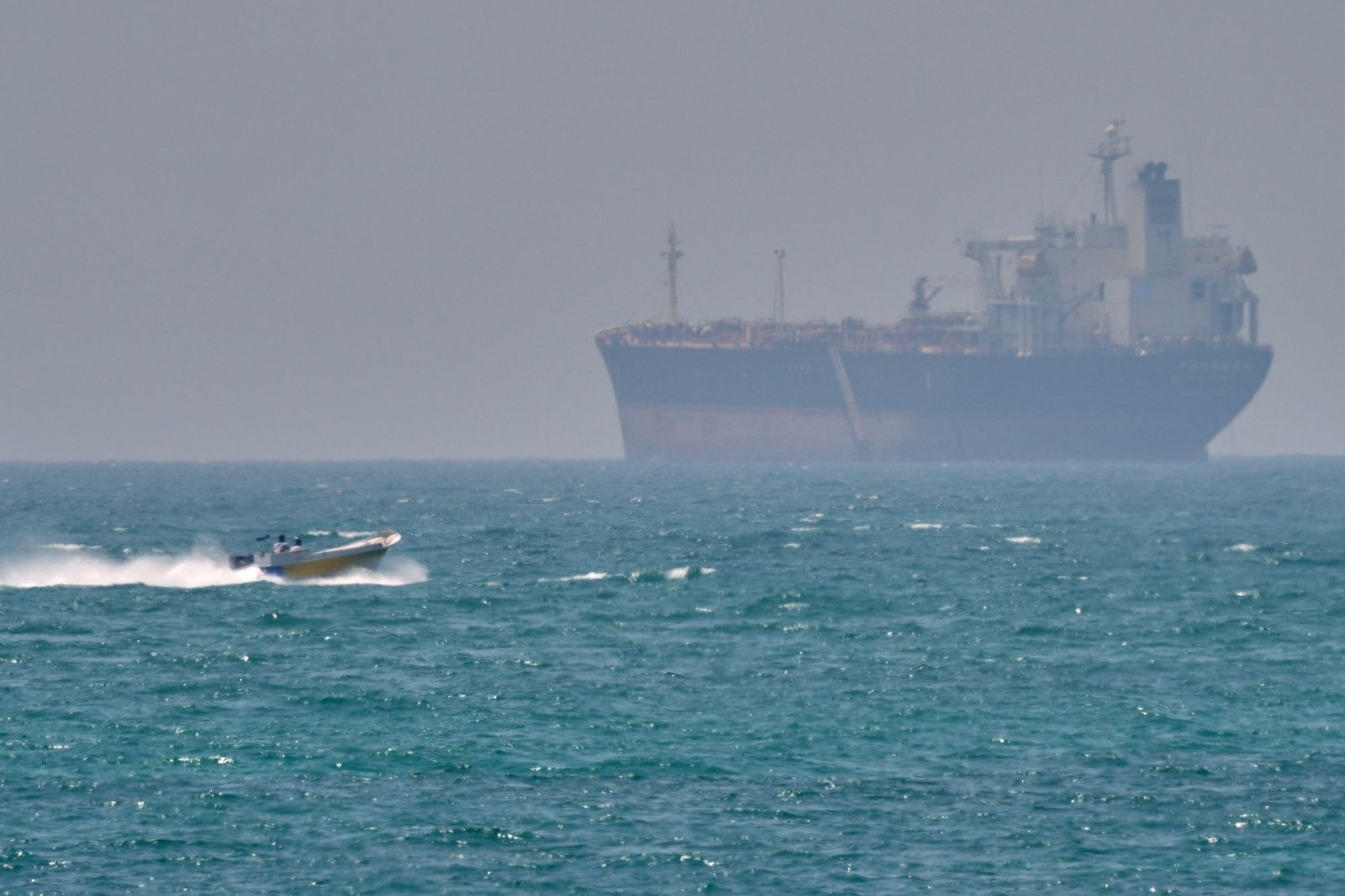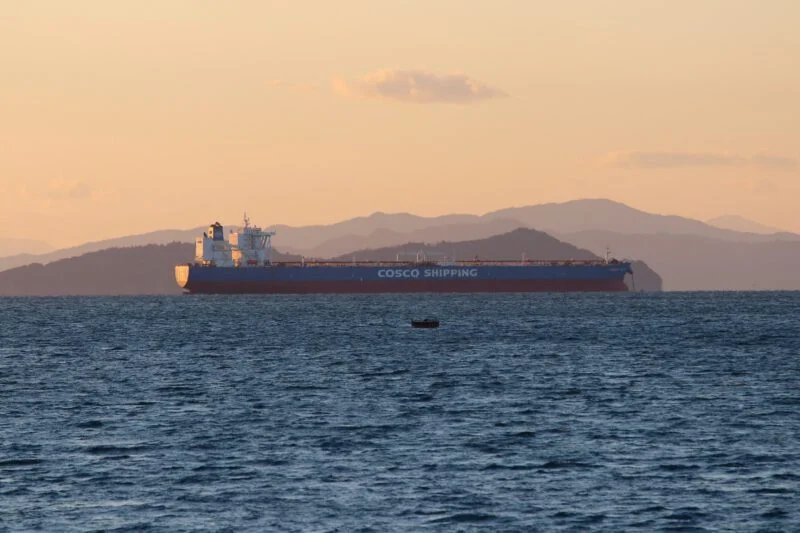
The tanker industry’s earnings have surged dramatically, prompting new investments as geopolitical tensions, particularly regarding Iran, threaten vessel supply chains. In 2026, average daily earnings for very large crude carriers (VLCCs) have soared nearly twenty-fold, and this trend is extending to smaller tankers, allowing shipowners to obtain higher freight rates and increased vessel values.
The influx of financial investors is evident, exemplified by the Breakwave Tanker Shipping ETF, which has skyrocketed by 3,700% this year. During a recent shipping finance forum in Singapore, industry experts, including owners, brokers, and bankers, suggested that the market has not yet peaked, given the unprecedented volatility in global economic and political conditions. Shipping companies are also in a robust financial position, with ample cash reserves enhancing their appeal to investors.
According to Abhishek Pandey from Standard Chartered Plc, the global shipping fleet is projected to yield over $300 billion in profits this year, a significant increase from approximately $200 billion in 2025. The market’s focus has been mainly on oil carriers, driven by the Middle East’s pivotal role in global supply dynamics. As charter rates for VLCCs approach $150,000 per day—almost triple from the previous year—ship prices have risen, with older vessels fetching a premium due to their immediate availability.
However, concerns are rising over potential oversupply as shipyards are already busy with orders. Currently, 38% of the VLCC fleet is under construction compared to 14% a year ago, raising alarms that this rush may result in oversaturation and lower freight rates in the future.