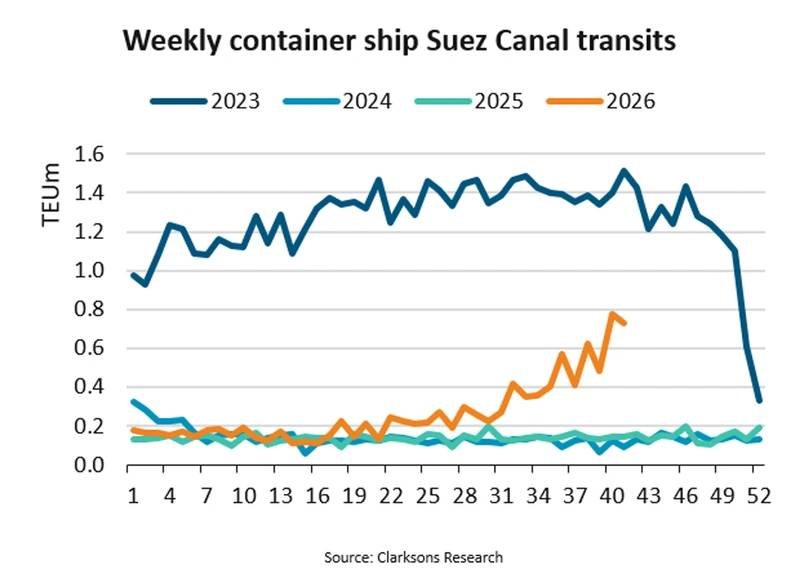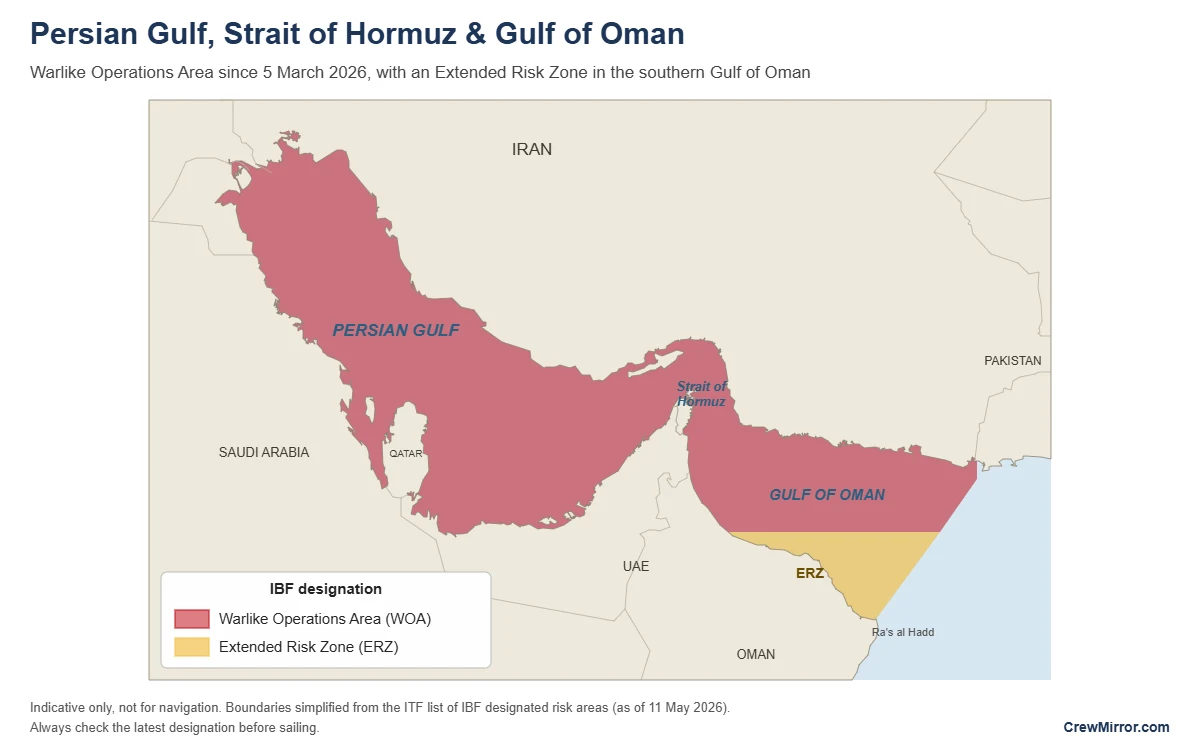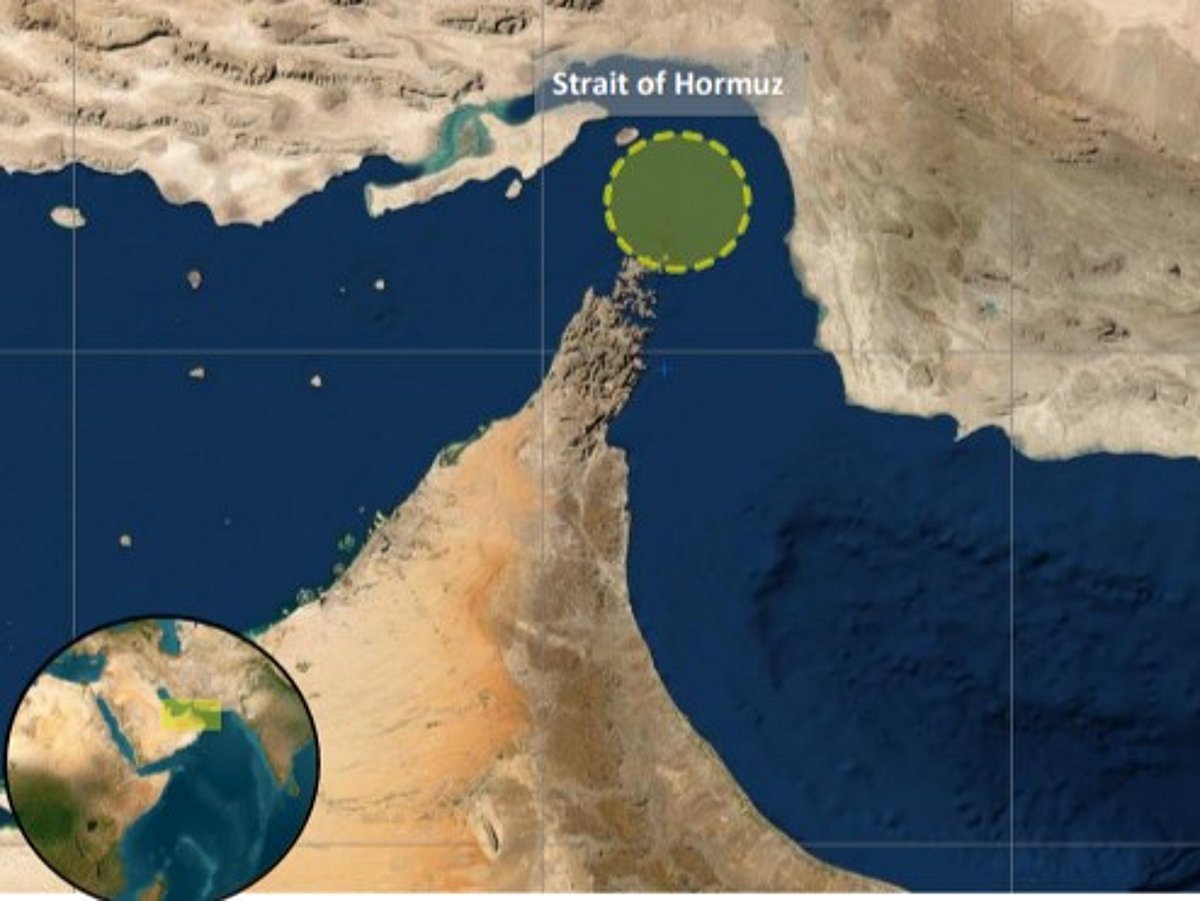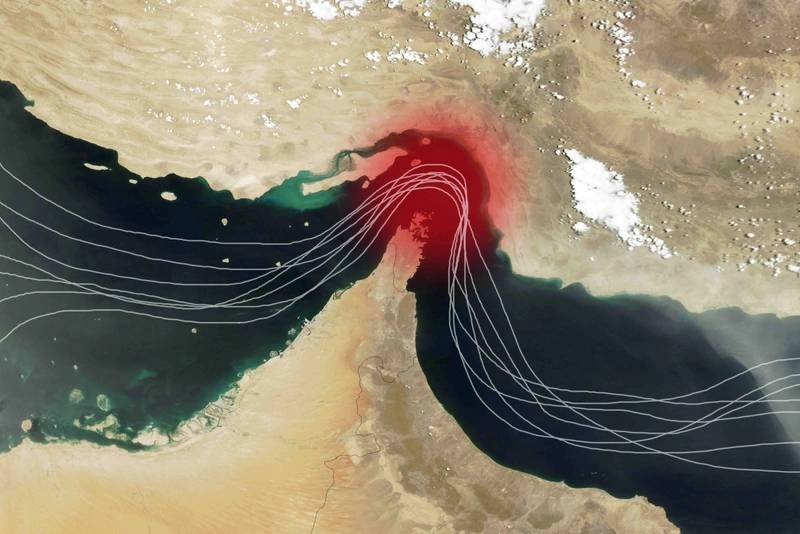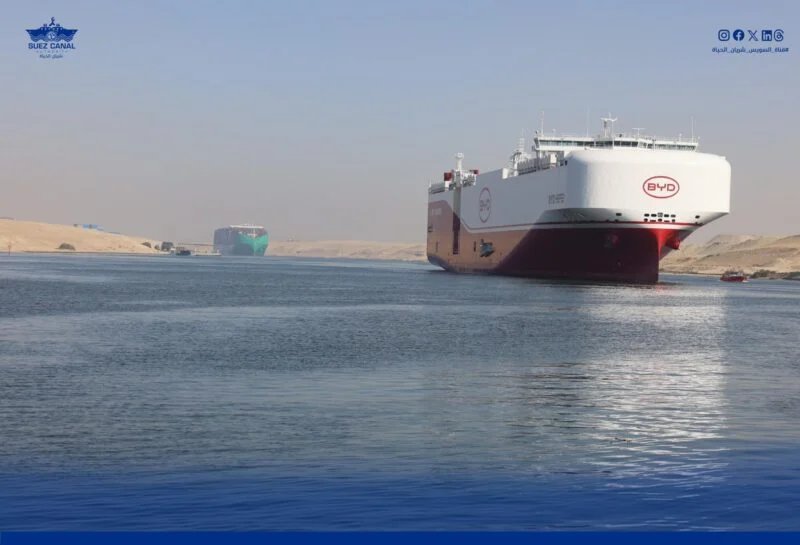
In July, Suez Canal revenues surged by 42% compared to the previous year, primarily driven by geopolitical tensions, including the war in Iran, which have effectively closed the Strait of Hormuz. Alongside this, threats from Houthi rebels in the southern Red Sea have prompted many vessels to favor the Egyptian waterway. According to the state statistics agency CAPMAS, 1,340 ships navigated the canal that month, reflecting a 27% increase from July 2025 and surpassing the 1,208 ships recorded in June.
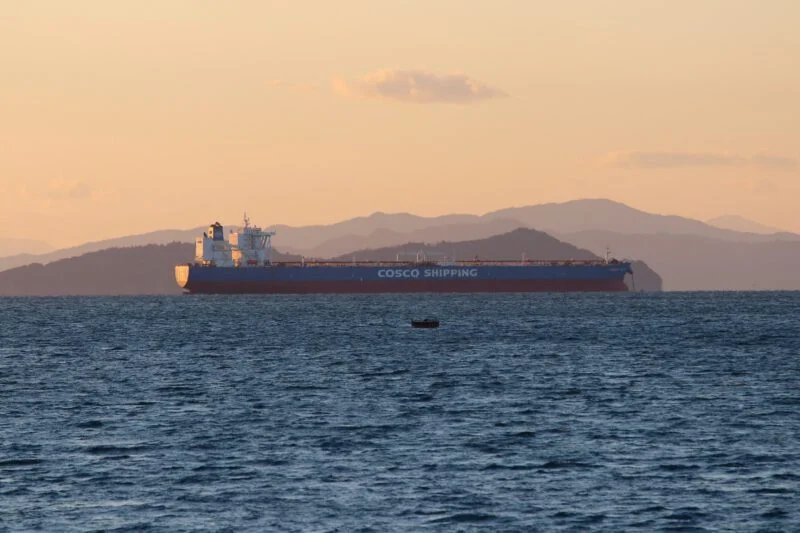
Among the vessels, 526 were oil tankers, an increase from 485 in June. The rise in oil shipments can largely be attributed to Saudi Arabia shifting its oil exports through the Red Sea due to closures in Hormuz, while concerns over Houthi threats have led to a preference for northern routing over the Bab El-Mandeb. The revenue for the canal reached $505 million in July, marking the highest monthly figure since December 2023, following a notable decline earlier in the year when Houthis targeted international shipping.
Despite recent gains, Suez Canal operations remain significantly below pre-Gaza war statistics, which saw revenues peak at $10.2 billion in 2023. In light of the ongoing rerouting of Asian oil exports and European shippers resuming Red Sea services, the Suez Canal Authority anticipates full-year revenue could reach between $5.8 billion and $6 billion. This resurgence is expected to continue, supported by renewed shipping activities.