The Central Industrial Security Force (CISF) is poised to enhance India’s maritime and coastal security following its designation as a Recognised Security Organisation (RSO) under the International Ship and Port Facility Security (ISPS) Code. This initiative aligns with Union Home Minister Amit Shah’s vision for a technology-driven security framework, supporting India’s Blue Economy 2.0 and the Amrit Kaal 2047 objectives.
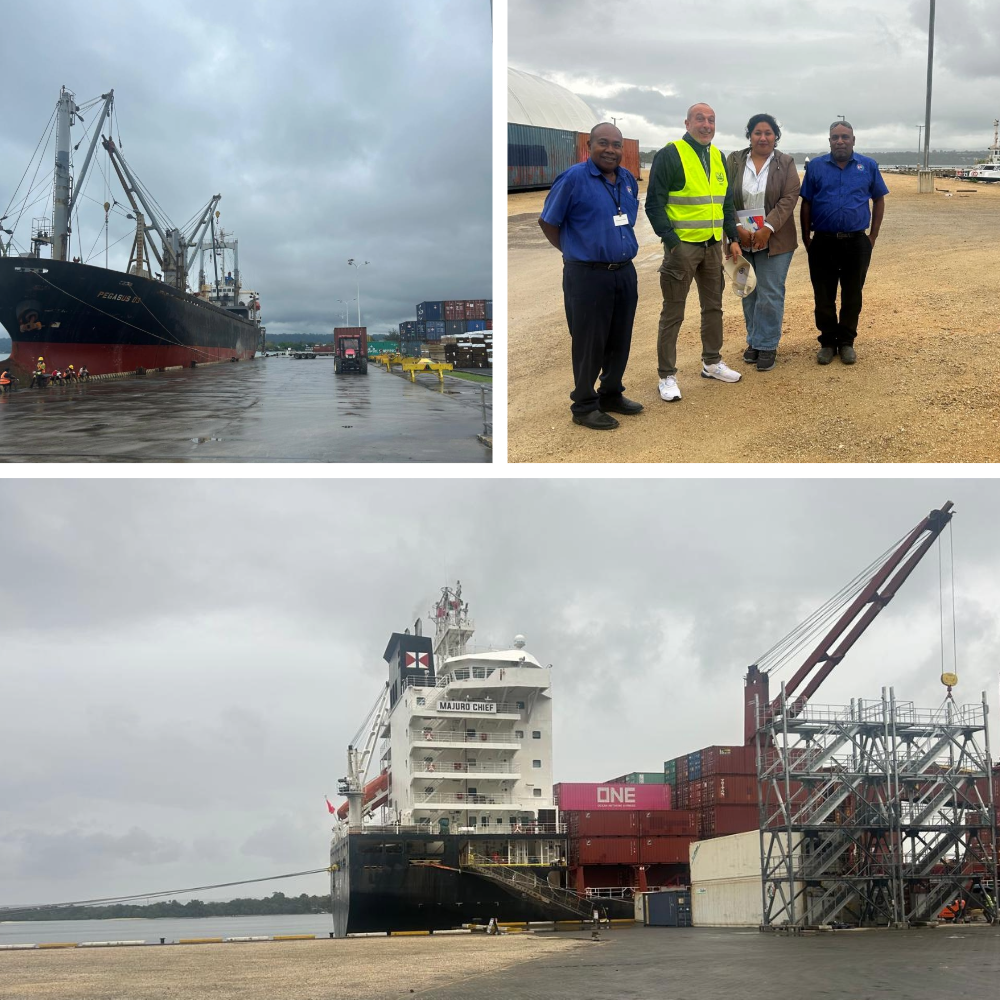
On May 6, 2026, CISF received a mandate to conduct Port Facility Security Assessments (PFSAs) and develop Port Facility Security Plans (PFSPs) for 264 ports nationwide. The first phase will involve security evaluations of 27 major and non-major EXIM ports during 2026-27. To foster specialized expertise, CISF has collaborated with institutions like Rashtriya Raksha University and Indian Maritime University for advanced maritime security training. Currently, 45 officers have completed specialized courses, while 90 personnel are undergoing RSO training, aiming to produce 135 trained consultants for independent port security assessments.
In line with the Home Minister’s directives, CISF has initiated standardized training programs for private security agencies and government personnel involved in port security. To date, 2,123 private security personnel and 124 members from Coastal Police and State Security Forces have completed this training. Additionally, CISF has developed a security framework for fishing harbors and landing centers, while guidelines for improved monitoring across the coastal ecosystem are in progress. The establishment of the Bureau of Port Security under the Merchant Shipping Act, 2025, further positions CISF as a crucial player in maritime security planning and capacity building.