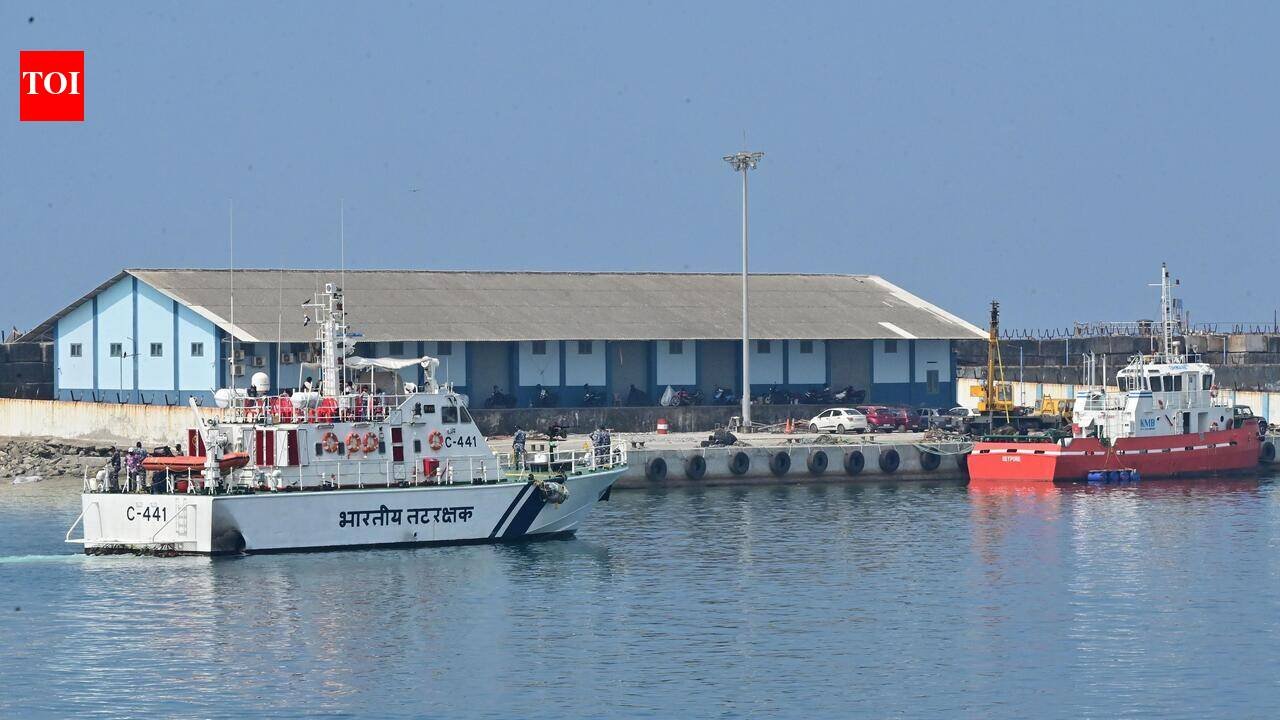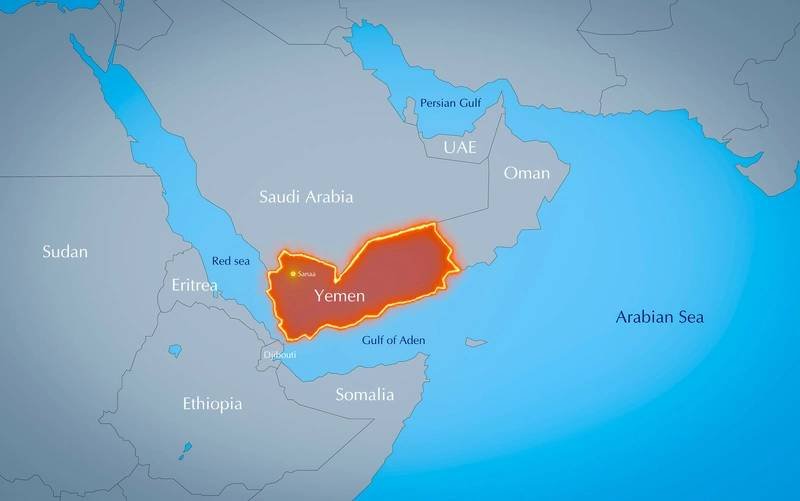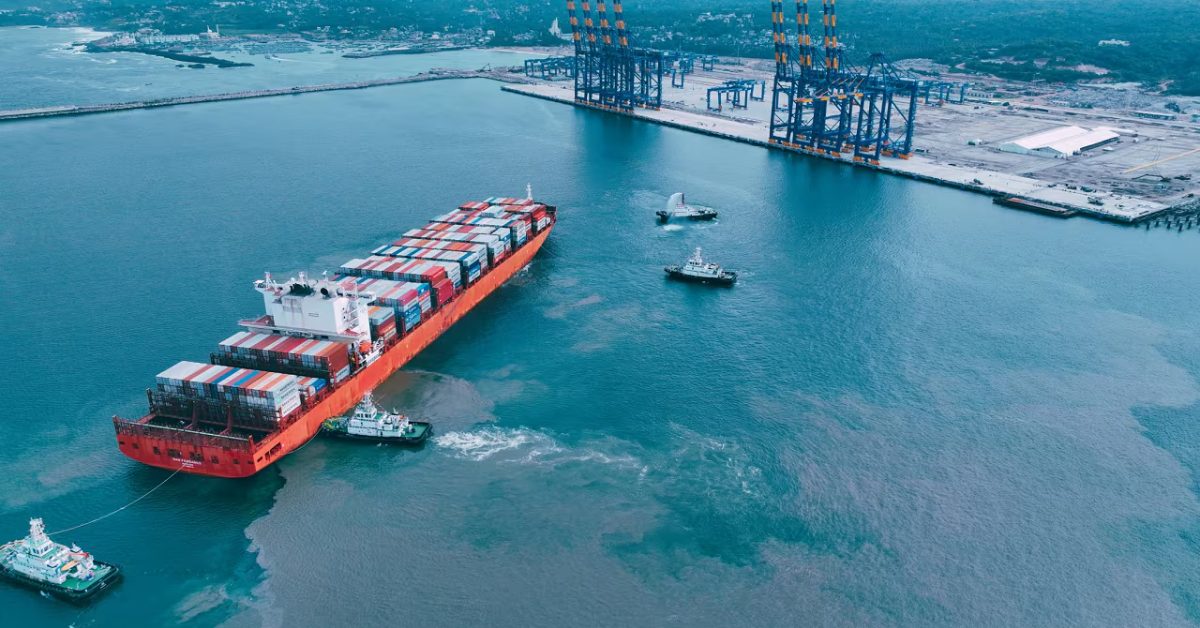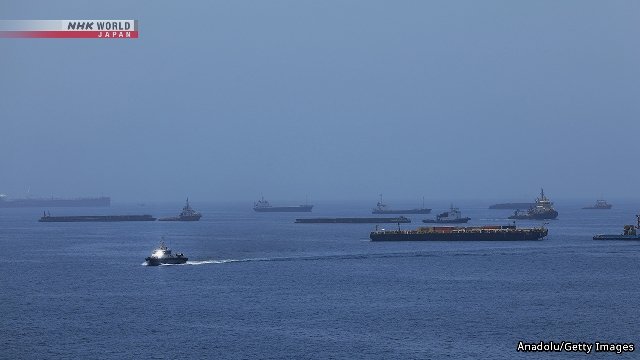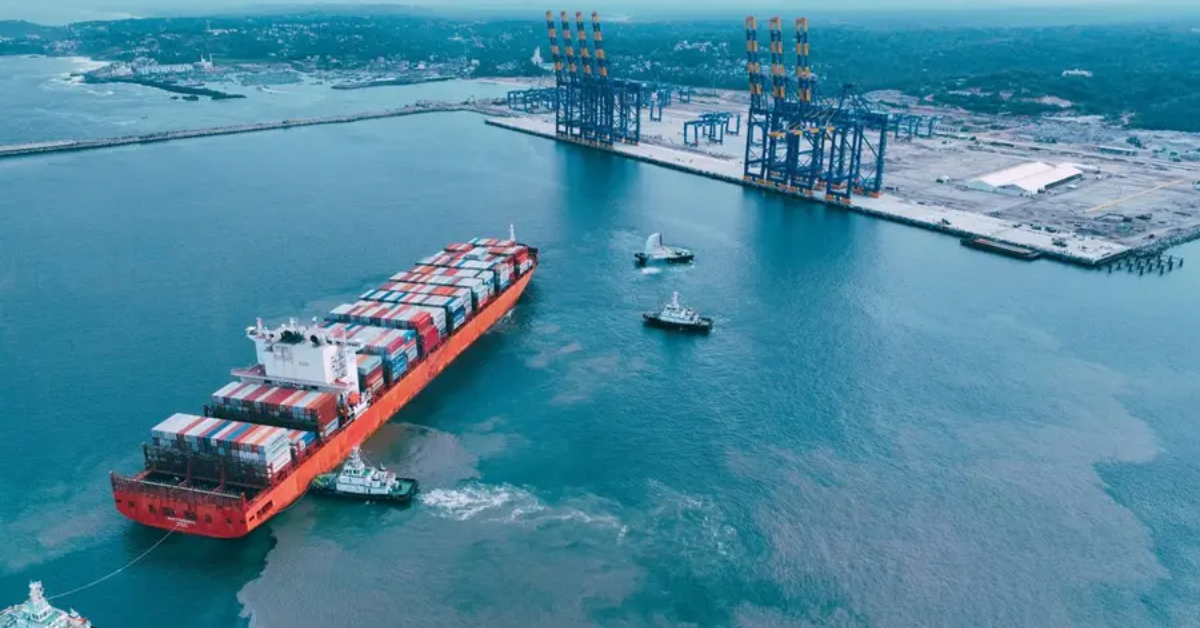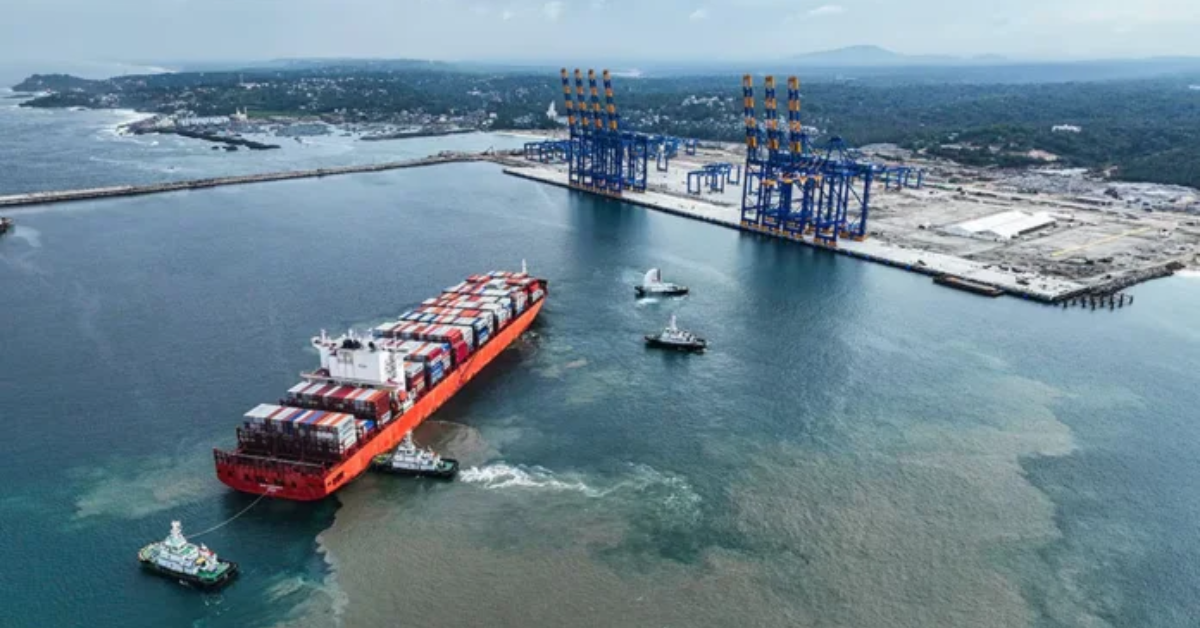
Kerala’s Vizhinjam International Seaport is attracting significant attention as nearly 100 vessels wait for berths, driven by US-led tensions in the Gulf that affect UAE routes through the Strait of Hormuz. Situated just 10 nautical miles from key shipping lanes, this Adani Ports-managed hub is benefiting from diversions by global lines from Europe, South America, and Asia, particularly as delays from the Hormuz blockade extend to almost 50 days.
The port’s strategic advantage stems from its deepwater capacity, accommodating ultra-large vessels up to 24,000 TEU, which offers a substantial time and fuel cost reduction compared to routes through Mumbai and Mundra. However, operational capacity limitations constrain its current throughput to 1 million TEU annually, compared to a designed capacity of 6.5 million.
Future expansion plans, including a ₹8,900 crore investment for Phase 2A, aim to enhance capacity with additional quays by 2027. While the ongoing Gulf conflict has led to shipping rate hikes of 150%, Vizhinjam is positioned to capture a significant share of diverted cargo, supporting national logistics efforts and reducing congestion on the west coast. However, challenges such as crane shortages and labor ramp-up are underway as Adani aims for 95% operational efficiency by Q2 FY27.