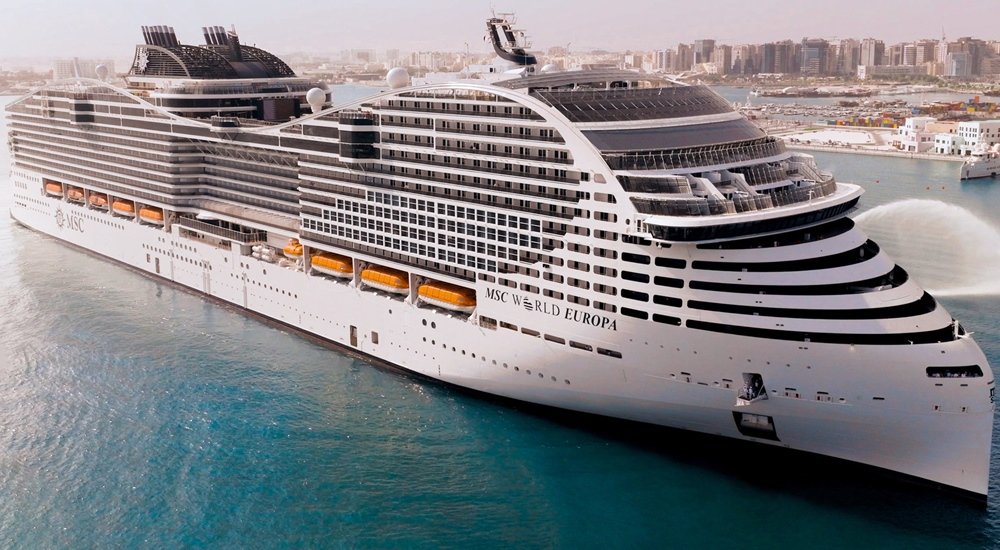
MSC Cruises has made history by becoming the first cruise line to receive independent verification and Flag State recognition for methane emissions from its LNG-fueled vessels, specifically under the FuelEU Maritime framework. This significant achievement, which enhances regulatory oversight of maritime greenhouse gas emissions, involved the MSC World Europa and MSC Euribia receiving certification from Bureau Veritas Marine & Offshore after an assessment aligned with IMO Resolution MEPC.402(83).
This certification is particularly important for shipowners and fleet managers operating LNG-powered vessels, especially as European emissions reporting regulations tighten. The verification process involved replacing standard assumptions about methane slip with actual operational data collected from the ships. The results showed that MSC World Europa had a methane slip value of 1.67%, while MSC Euribia recorded 1.48%, both below the 3.1% default threshold set by the FuelEU Maritime regulation.
Verification included onboard exhaust gas measurements and a review of methane emissions documentation, alongside assessments of the vessels’ compliance plans. This process allows operators to gauge dual-fuel LNG engine performance under real conditions, enhancing the accuracy of emissions reporting. Michele Francioni, MSC’s Chief Energy Transition Officer, emphasized that using verified data instead of default assumptions improves the credibility of emissions reporting.
The implications extend beyond MSC, potentially influencing compliance strategies across the cruise and cargo shipping sectors. As verified emissions data become more prevalent, they may impact fuel management, regulatory exposure, and long-term investment decisions amid growing scrutiny of greenhouse gas emissions. Bureau Veritas’s Paillette Palaiologou noted that verified emissions data could facilitate better compliance planning and operational efficiency, advancing the maritime industry’s goal of achieving net-zero greenhouse gas emissions. MSC is also exploring alternative fuels and technologies as part of its long-term energy transition strategy.