

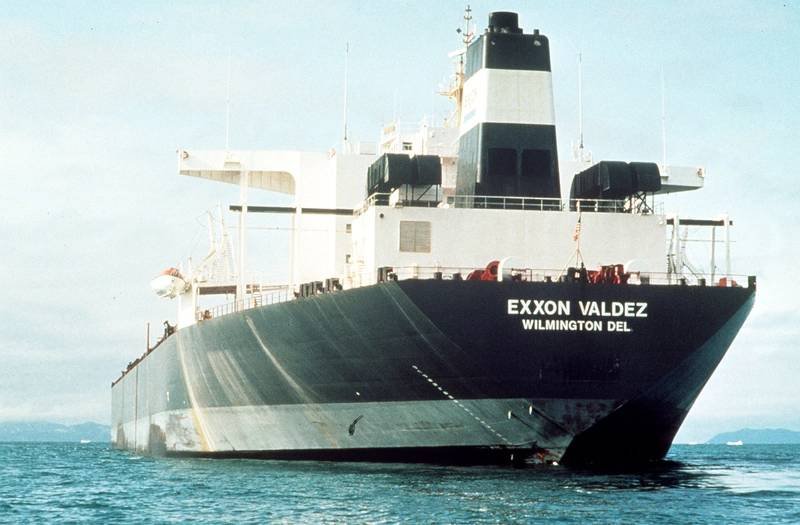
On March 24, 1989, the EXXON VALDEZ ran aground in Prince William Sound, prompting a significant overhaul of U.S. oil spill prevention and response laws. This event was influenced by the earlier Ixtoc One blowout in 1979, which released an estimated 3.3 million barrels of oil into the Gulf of Mexico, highlighting the need for regulatory reform. The DEEPWATER HORIZON disaster in 2010 further underscored these inadequacies, leading to public outcry and legislative action.
In response to the EXXON VALDEZ disaster, Congress passed the Oil Pollution Act of 1990 (OPA 90), which included provisions for oil terminal oversight and monitoring. One notable aspect was the establishment of regional citizen advisory councils (RCACs) in Alaska, aimed at providing a platform for local stakeholders to engage with the oil industry. These councils, funded by terminal operators, offer recommendations on environmental policies and monitor the impacts of oil operations.
Despite the positive outcomes of the RCACs in Alaska, similar initiatives have not been implemented in the Gulf Coast following the DEEPWATER HORIZON spill. Advocates argue that a Gulf Coast RCAC could enhance accountability and foster collaboration among industry, government, and local communities. As history shows, it often takes disasters to prompt legislative improvements, raising hopes for future consideration of such measures to prevent further environmental crises.


