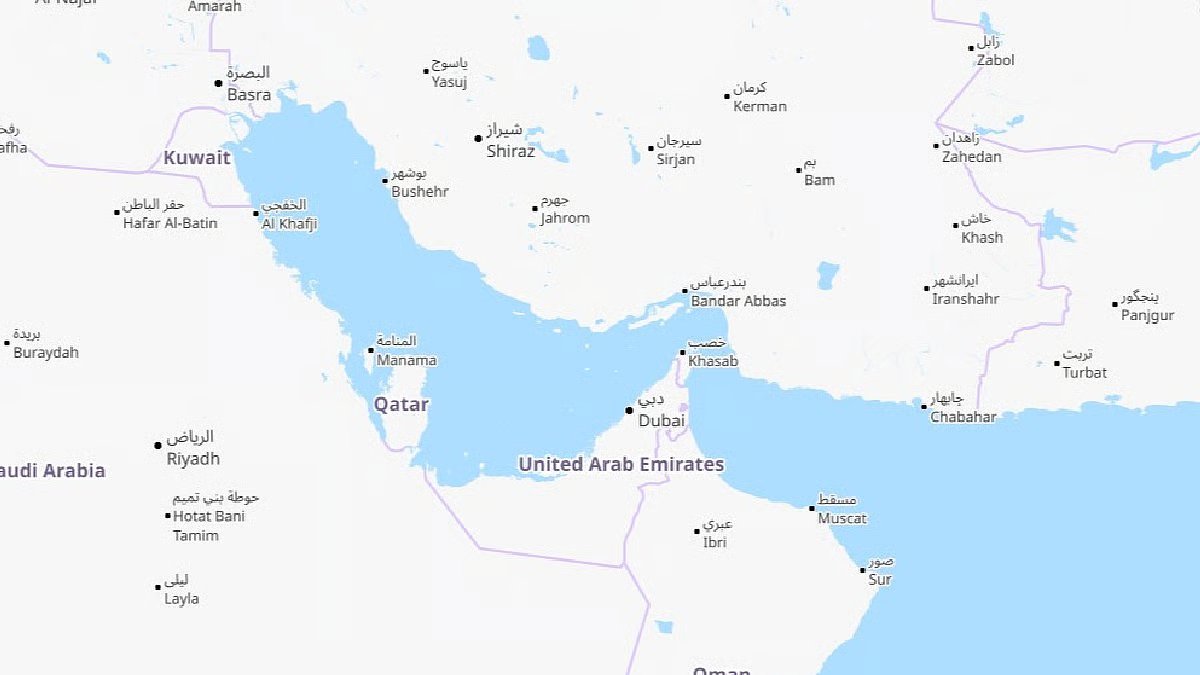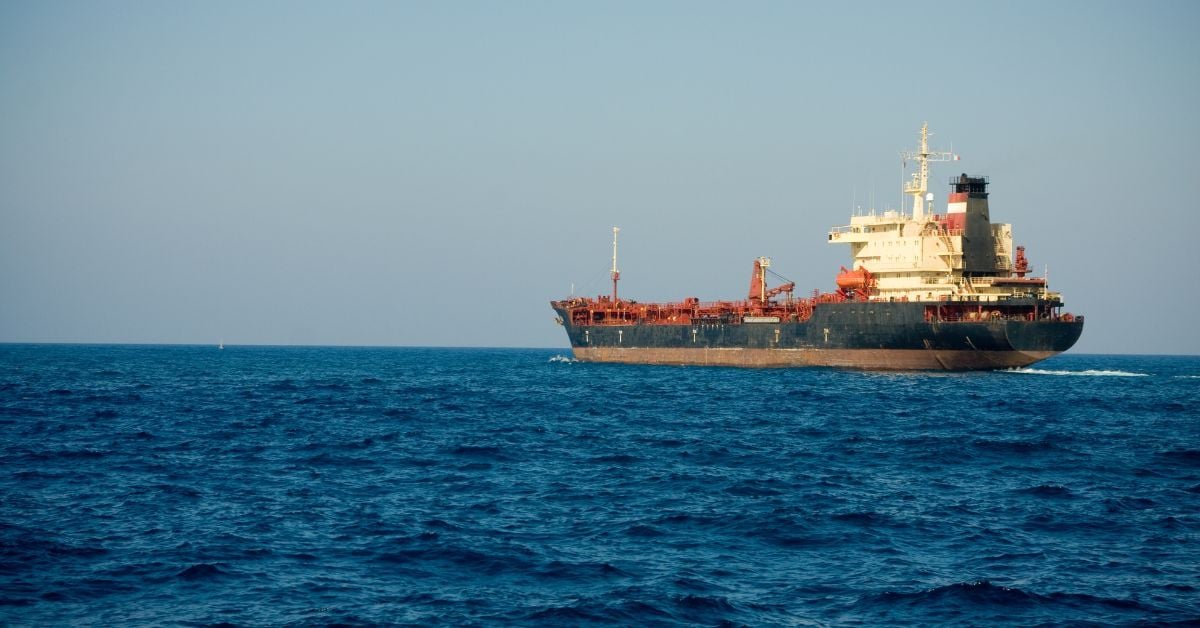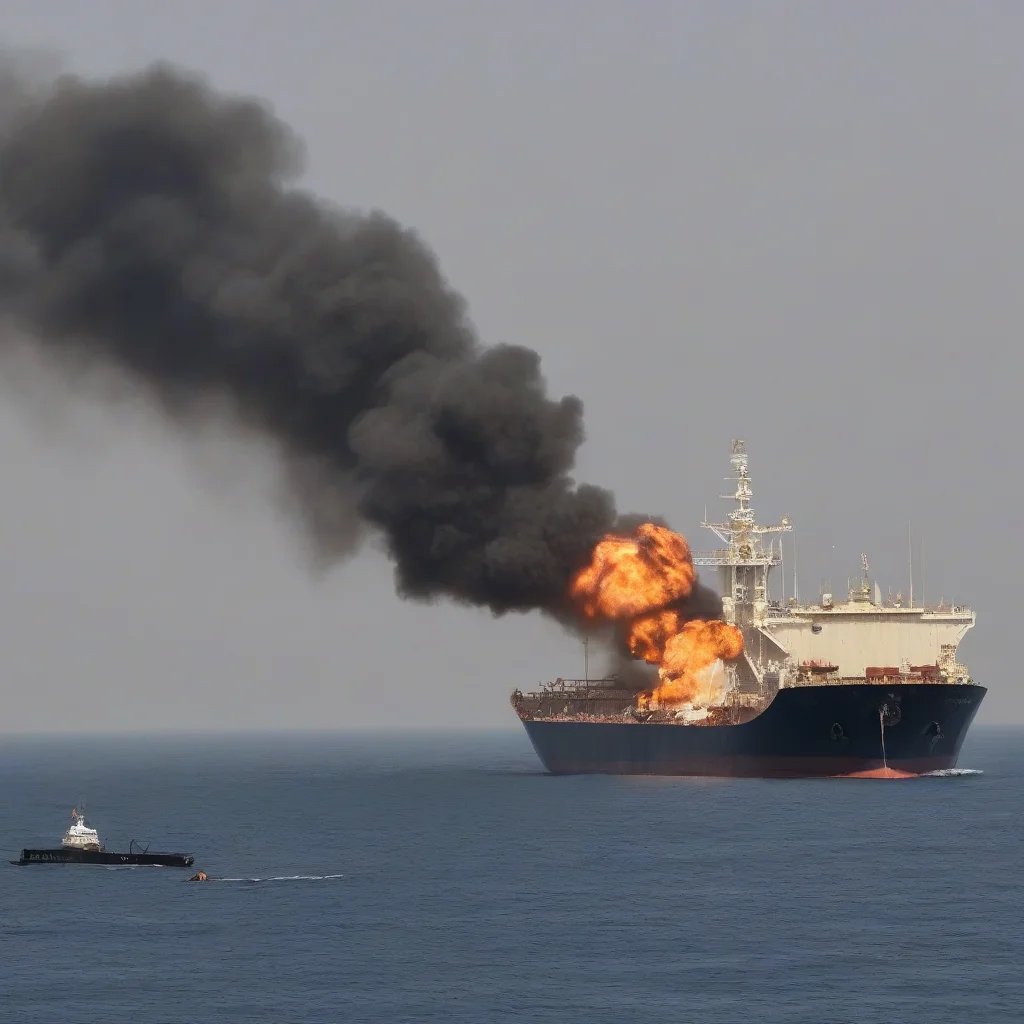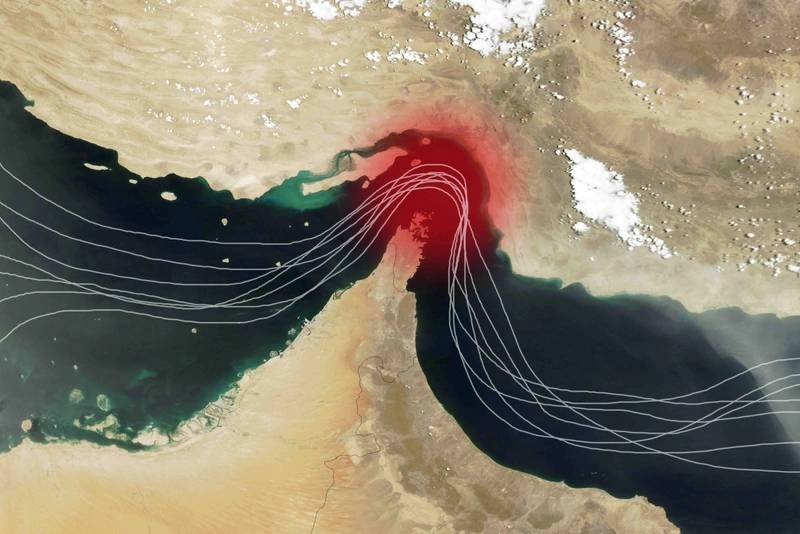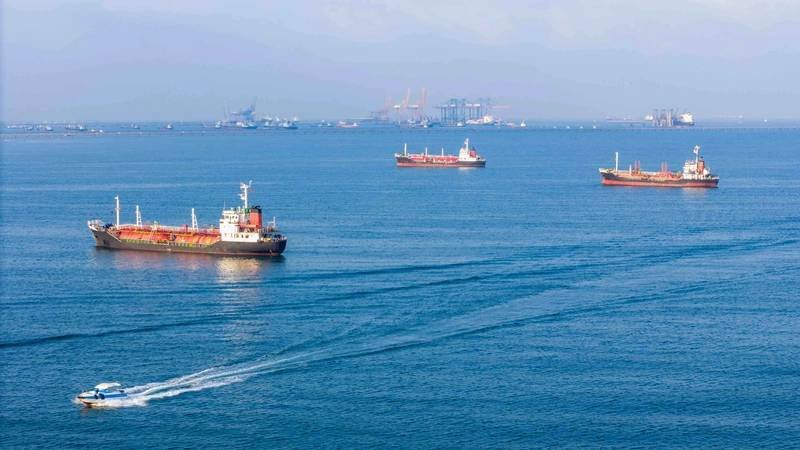
A proposed agreement between Iran and Oman to grant Tehran control over ships entering the Gulf via the Strait of Hormuz faces significant hurdles due to U.S. sanctions and restrictive insurance clauses. This strait is crucial, as it previously facilitated about 20% of the world’s oil supplies without fees. Control over this passage remains a contentious issue in ongoing regional conflicts.
The latest proposal would allow Iran to manage inbound shipping traffic, with outbound vessels needing clearance from Oman after notifying Iran. However, leading shipping associations warn that imposing fees would effectively create a toll, undermining international navigation laws established since 1968. Iran is seeking to charge between 5% and 7% of cargo prices, while Oman proposes around 3%, in contrast to U.S. demands for no fees.
For shipping companies, any fee imposition complicates compliance with U.S. sanctions against Iran’s newly established Strait Authority. Furthermore, a recent clause from Lloyd’s Market Association states that vessels paying transit fees would lose their insurance coverage, creating a “catch-22” scenario for shipowners. This situation poses serious risks for safe navigation and economic stability in the region.