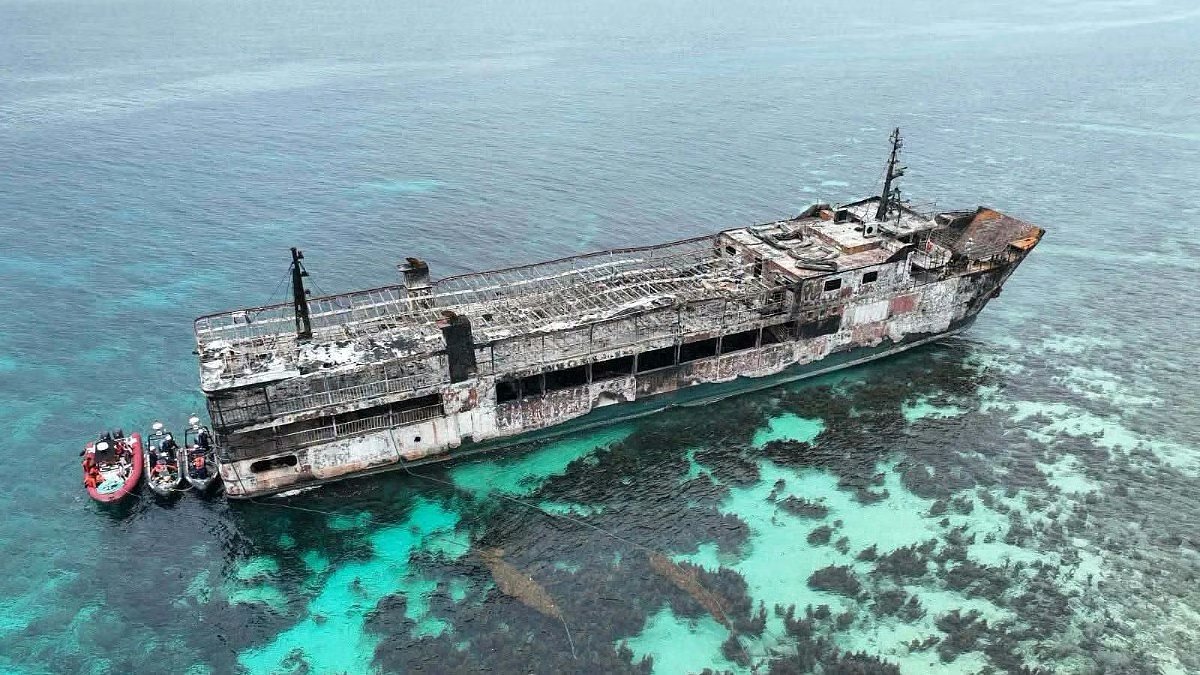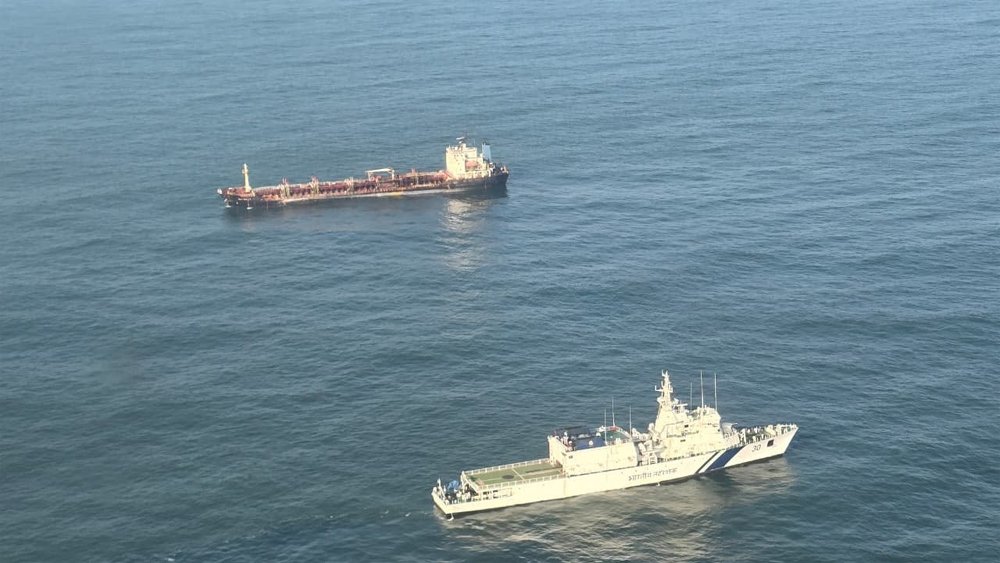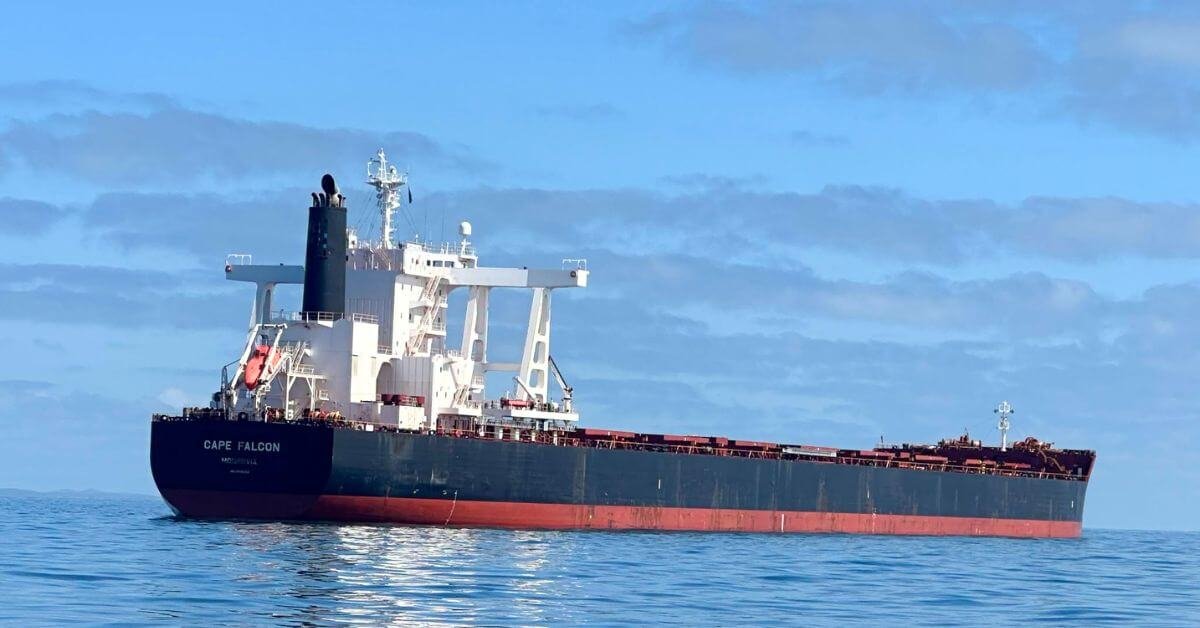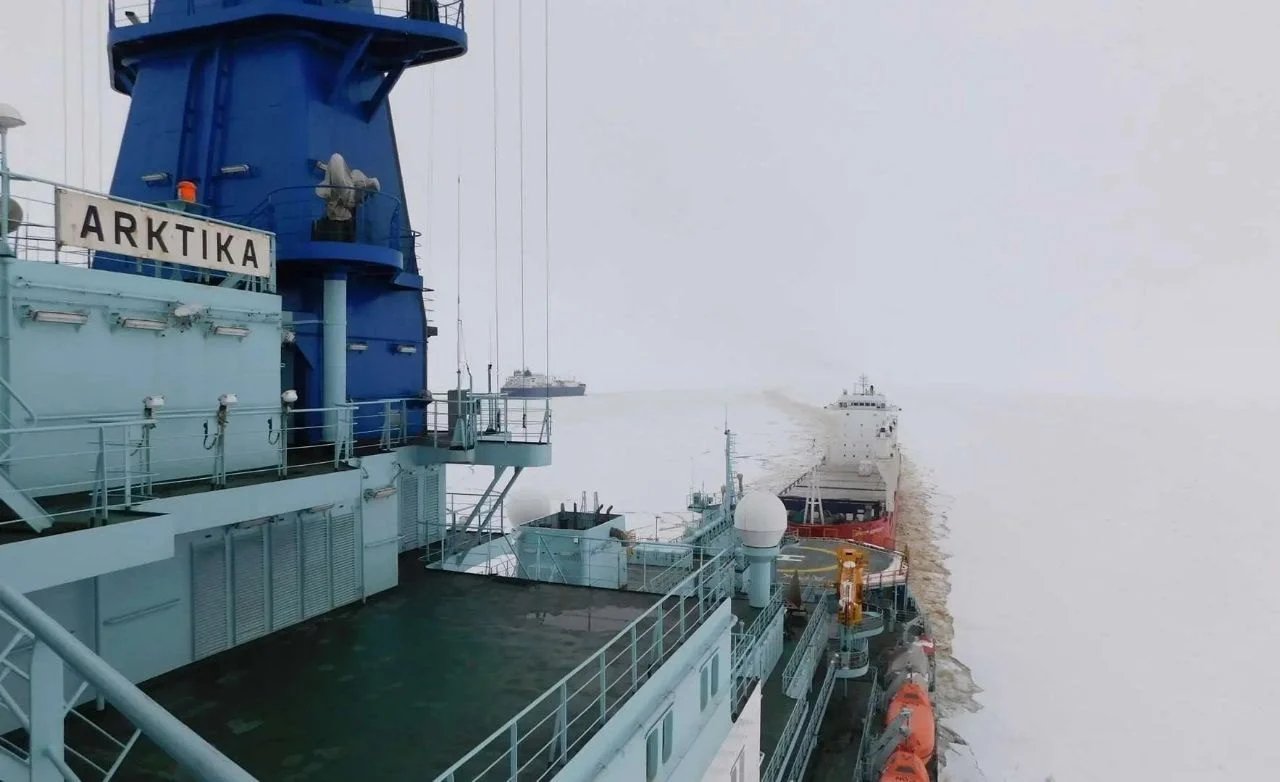
The number of shadow-fleet vessels transporting Russian oil and LNG through the Northern Sea Route (NSR) has dramatically increased this summer, prompting concerns over the management of potential accidents in this challenging maritime area. Analysis from Bellona’s Environmental Transparency Center indicates that during the first two months of the 2026 navigation season, more sanctioned oil tankers and LNG carriers were observed than throughout all of 2025. Specifically, Bellona reported 50 shadow-fleet oil tankers and 18 LNG carriers operating on the NSR, a notable rise considering the previous year’s totals.
This surge is alarming, especially given that the 2026 figures pertain to a brief two-month period. Approximately 75% of oil tankers and nearly 40% of LNG carriers registered during this time are sanctioned vessels, raising serious questions about their suitability for Arctic navigation. Many of these vessels are older and lack adequate ice-strengthening capabilities. For instance, 26 of the oil tankers have an ice class of Ice3 or lower or none, while some of the LNG carriers, though generally better equipped, also show vulnerabilities.
The influx of traffic has been compounded by limited reporting and transparency regarding incidents along the NSR. Since 2025, Russian authorities have ceased publishing accident reports or operational updates, obscuring vital information from the public. Recent revelations of an unreported tanker hull accident, disclosed by an insurer, emphasize the potential environmental risks associated with an expanding fleet of inadequately insured vessels. The ongoing navigation season is expected to continue until late October, indicating that the number of shadow-fleet vessels could further escalate.