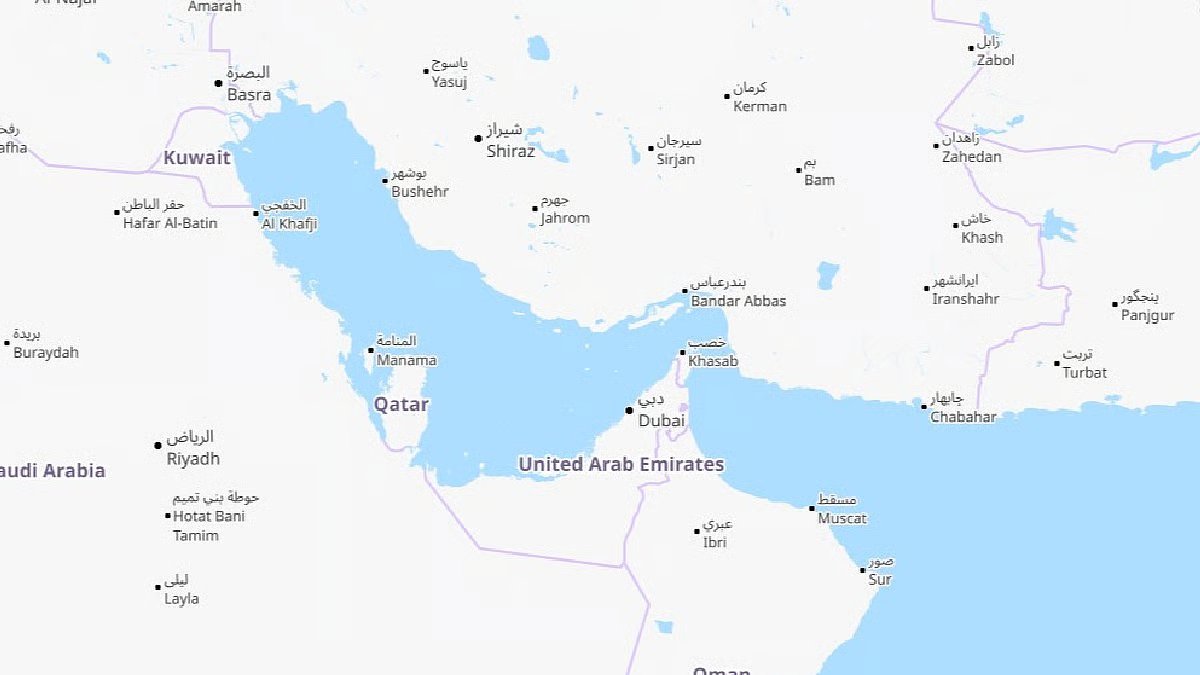
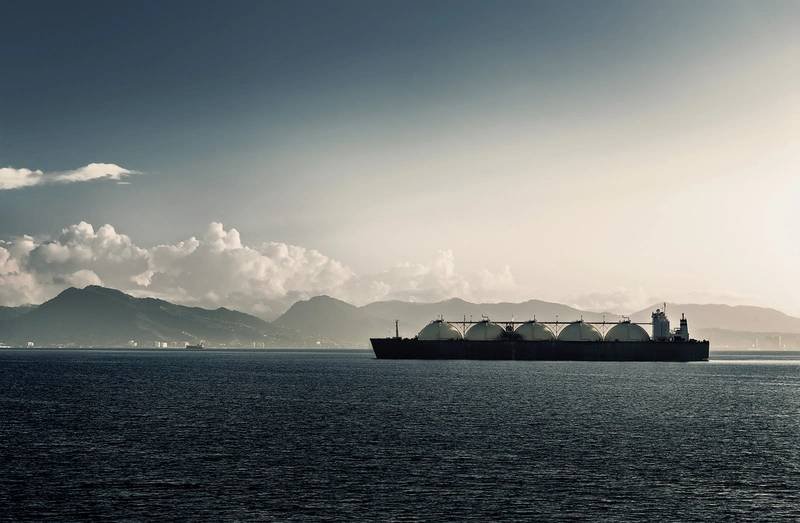
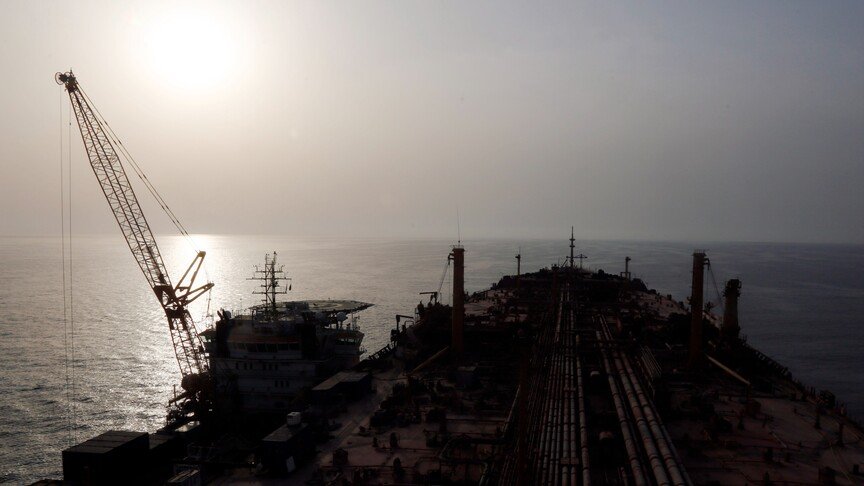
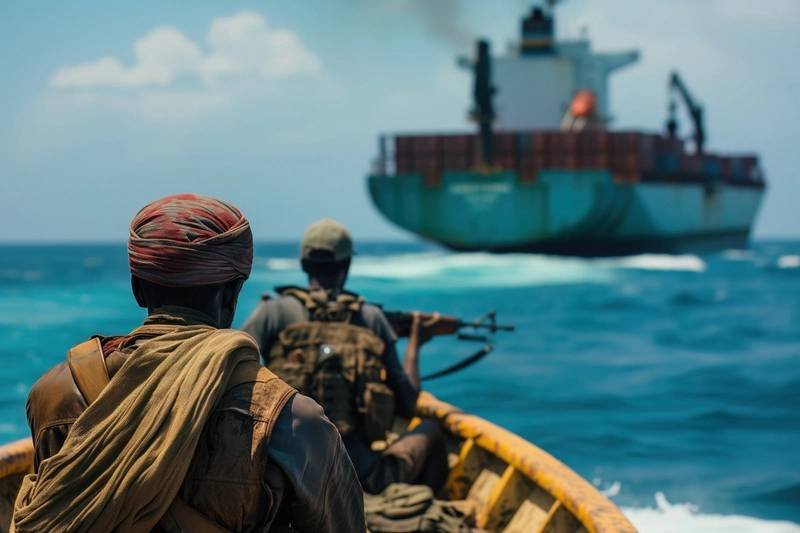
Shipowners are not the only beneficiaries of the lucrative day rates for transits through the Strait of Hormuz; seafarers can also earn substantial incomes by navigating this perilous route. Reports indicate that tanker captains can earn base salaries of up to $100,000 monthly, alongside bonuses of $50,000 for each trip through the strait. Meanwhile, other crew members can receive four to six times their usual wages, a detail often overlooked in discussions about seafarer rights and safety.
The financial stakes are high, with the cost of a single transit through the Strait of Hormuz estimated at around $40 million. Even after accounting for high war risk insurance premiums, there remains a significant profit margin for both shipowners and crew compensation. Some crewing agencies, for instance, are offering bonuses of $25,000 per trip for oilers and ordinary seamen, reflecting the competitive nature of the market.
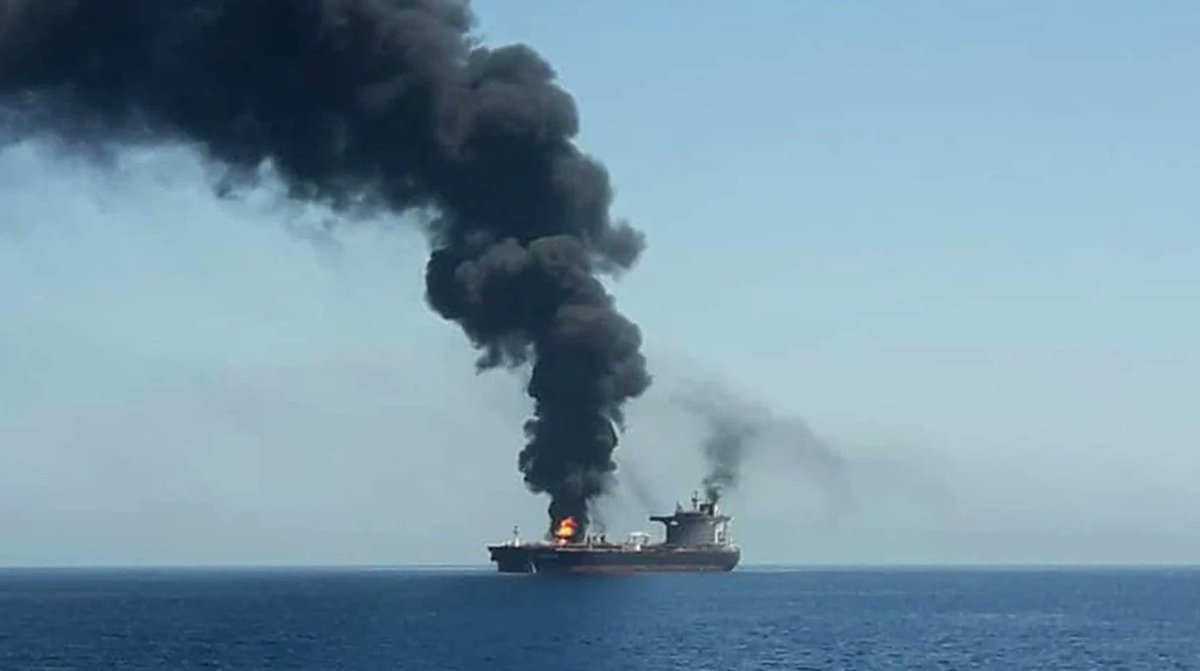
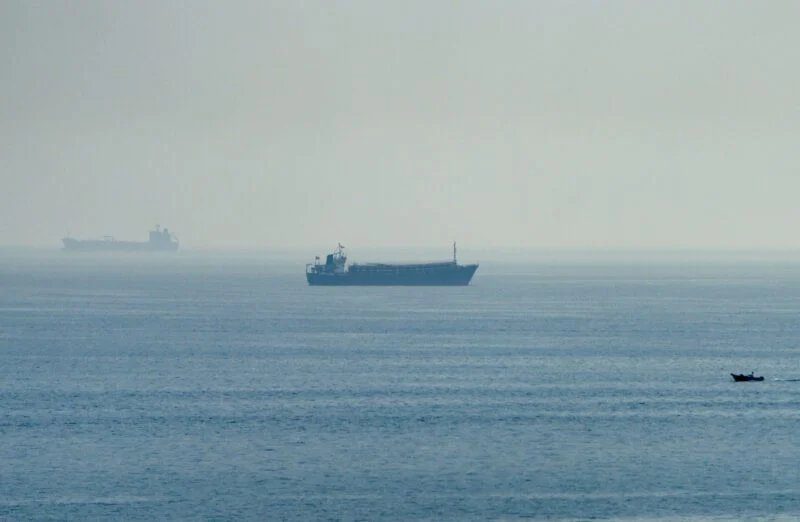
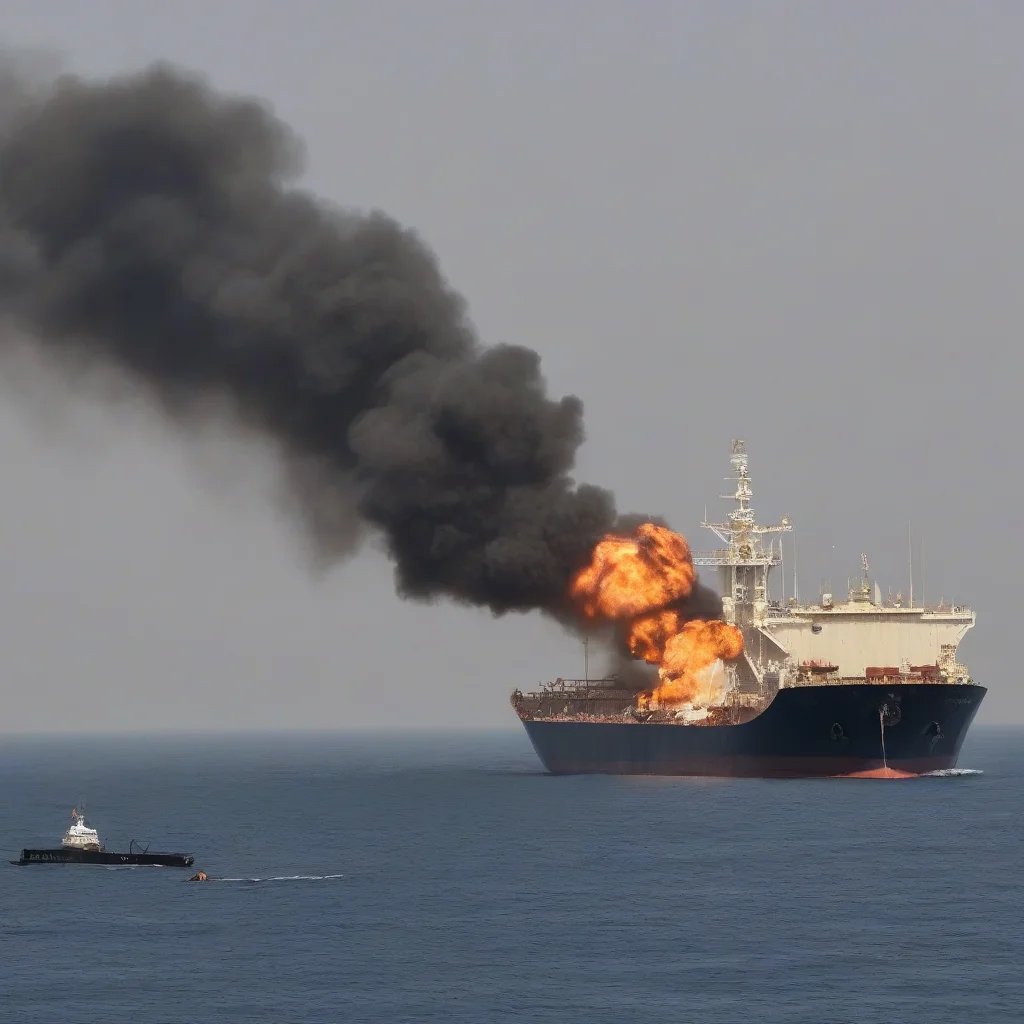
While the risks for crew members are genuine, they are not typically fatal, as no tankers have been sunk during the current crisis. Currently, 30 to 40 vessels regularly traverse the waterway, with most transits occurring without incident. However, recent escalations in violence could alter this trend, as seen in a recent attack that injured 12 crew members during an outbound transit.
Although the hazard pay for seafarers is considerably less than the profits earned by shipowners, it still represents a significant increase compared to average salaries in regions that supply seafarers. Given the substantial earnings currently being generated, bonuses for crew members are minimal from the perspective of shipowners.