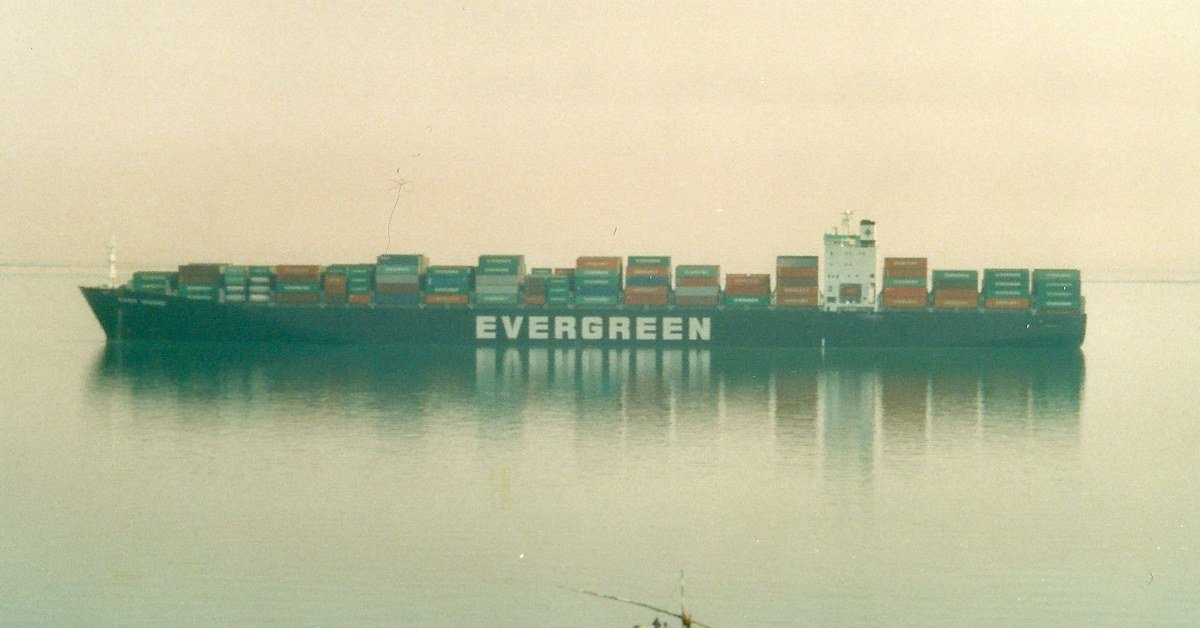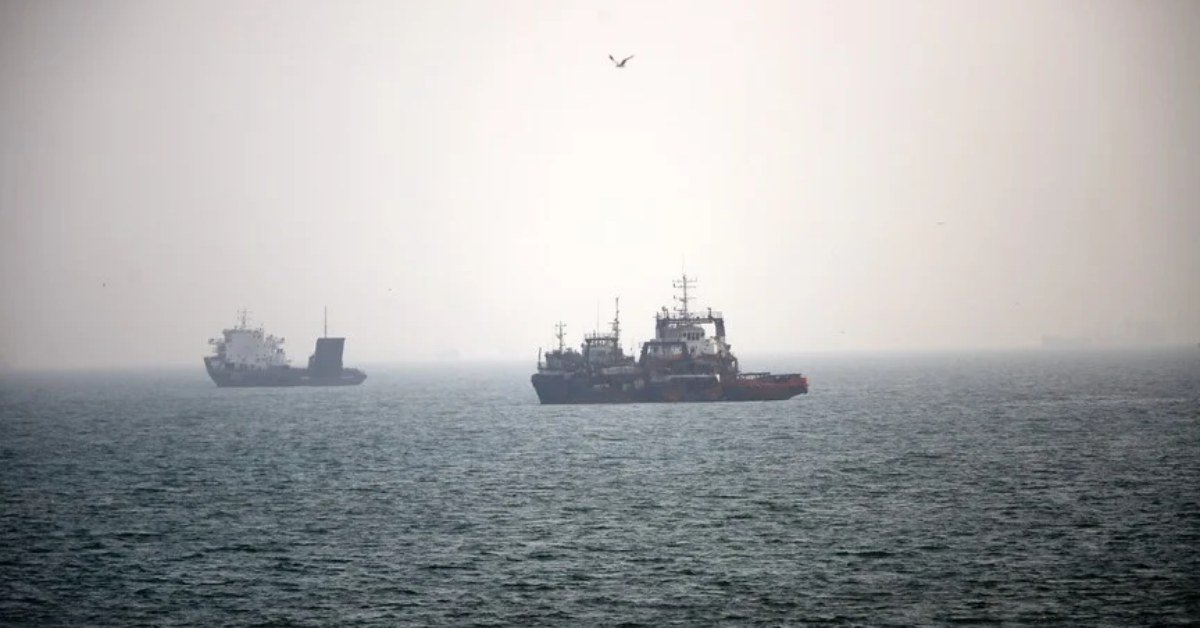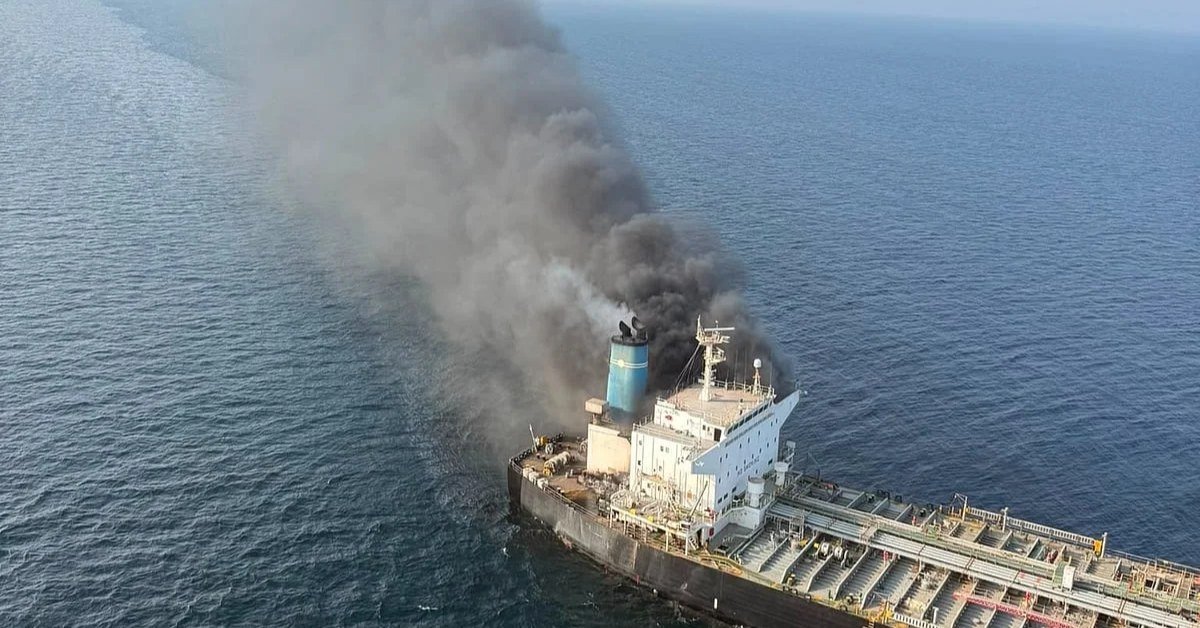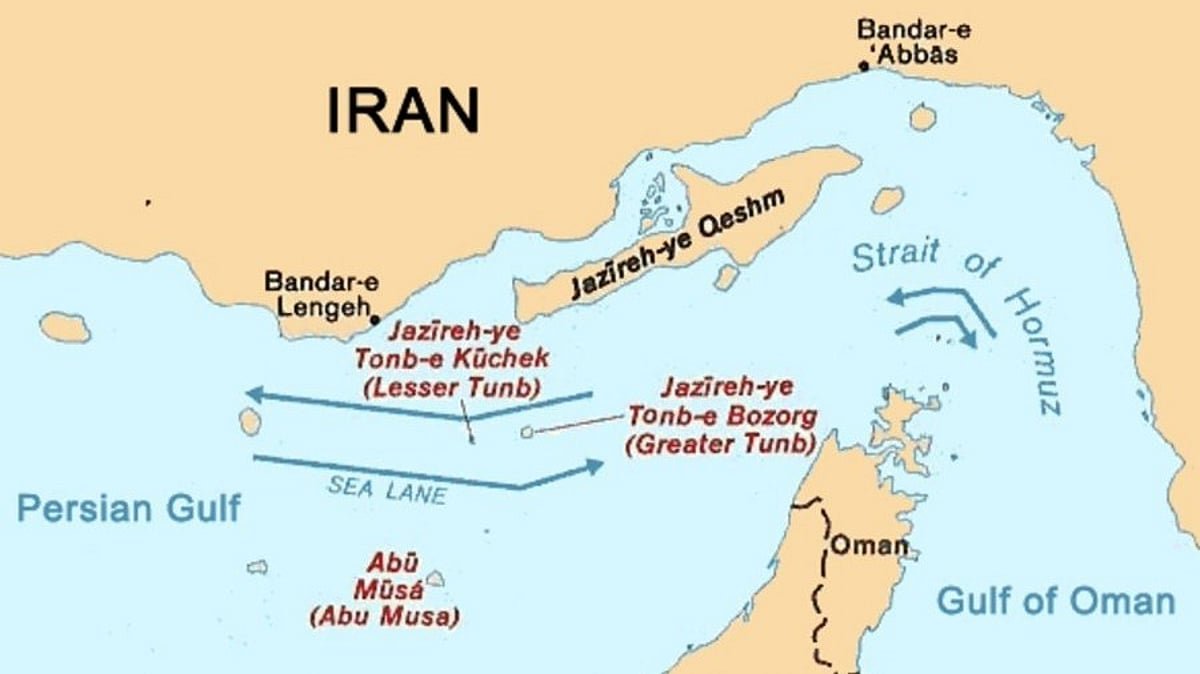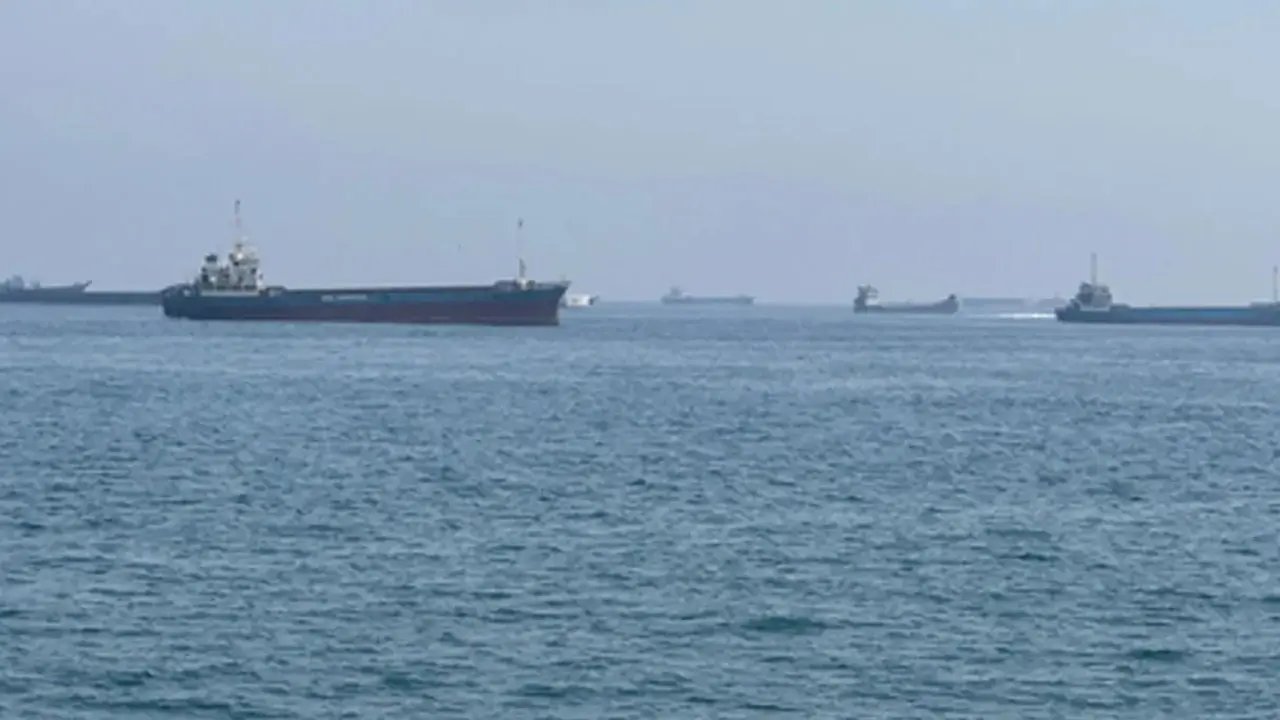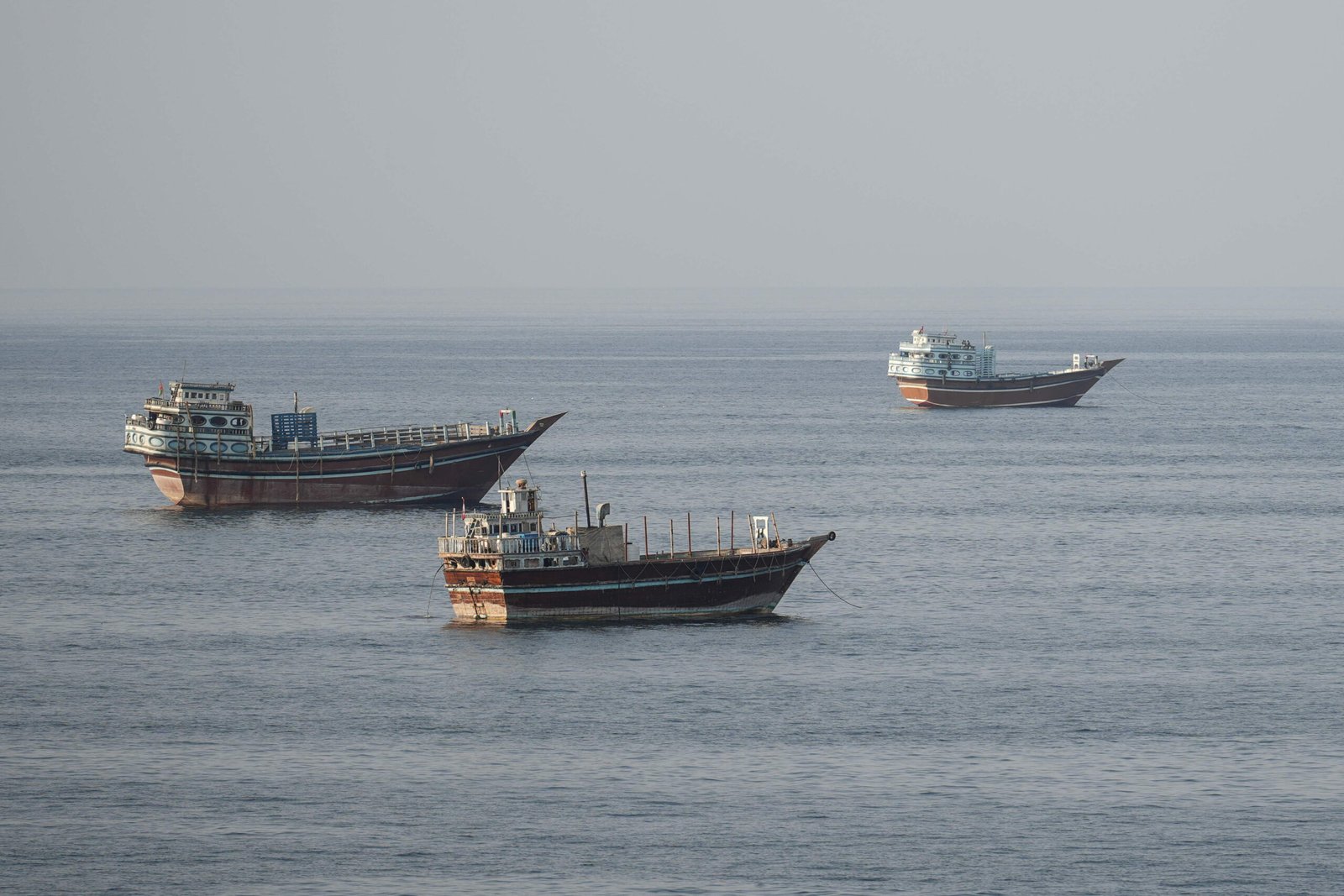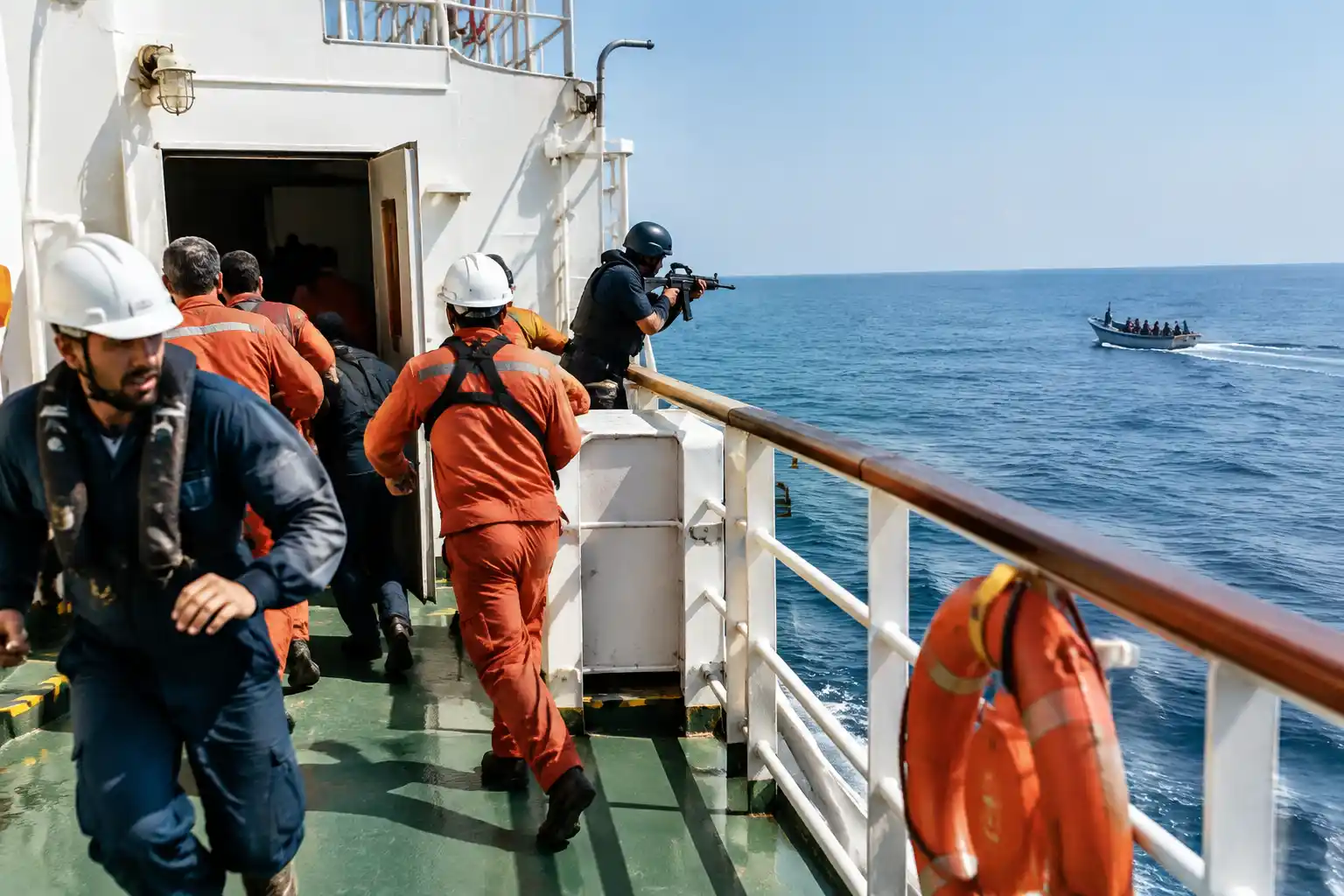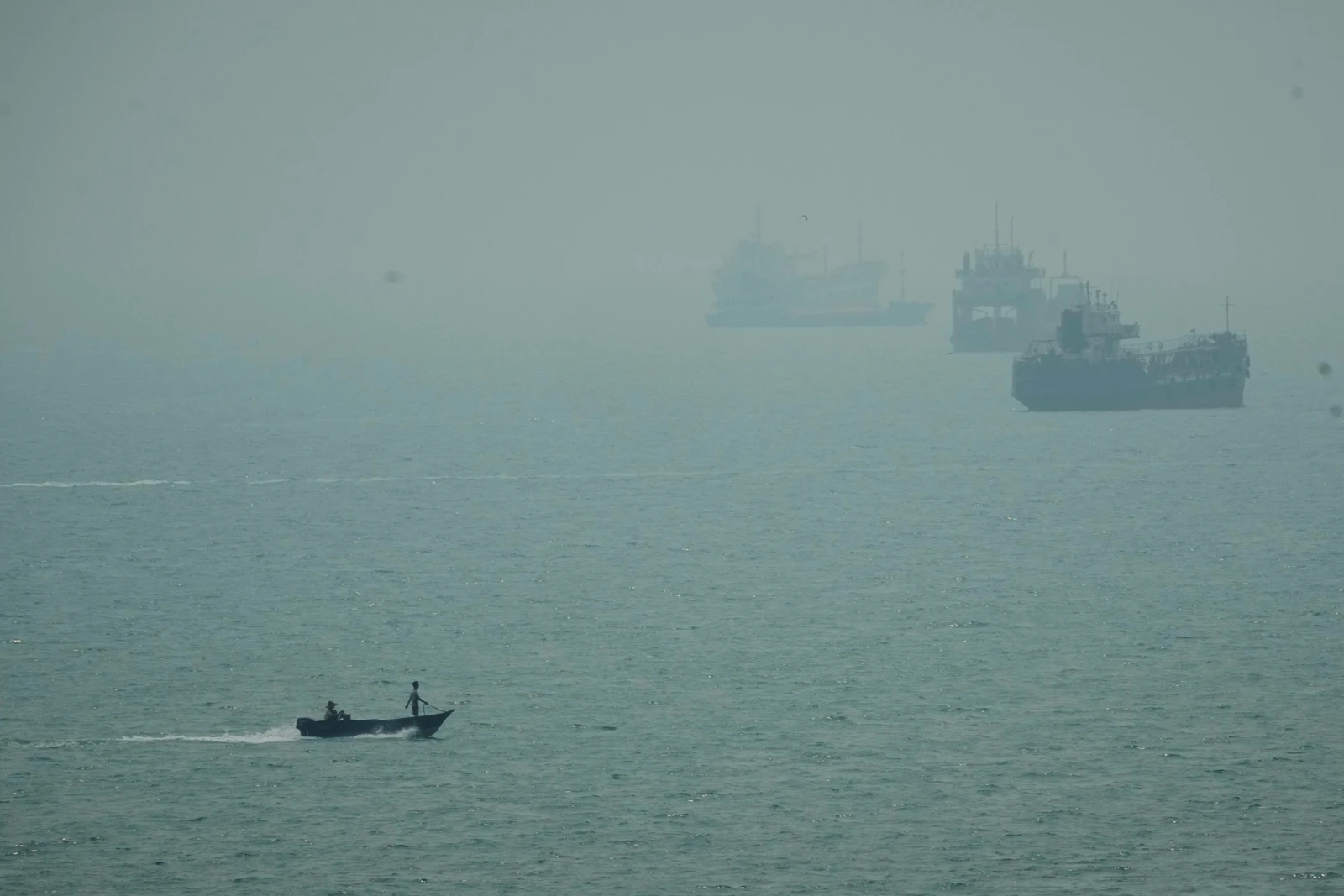
The situation in the Strait of Hormuz is increasingly difficult to monitor, as evidenced by a delayed report regarding a vessel hit by a suspected projectile, raising concerns about the transparency of maritime incidents. The UK Maritime Trade Operations (UKMTO) announced receiving a late report about a vessel strike that caused a fire while transiting the strait. Though the crew remained safe, UKMTO labeled the incident as “suspicious activity” rather than a confirmed attack. This classification comes amidst claims by Iran that its forces targeted 19 vessels in the region, a claim that remains unverified as no evidence has been presented.
The nature of reporting in this area poses challenges for shipowners and analysts attempting to comprehend the operational landscape. UKMTO operates on a voluntary reporting basis, meaning many incidents may not be officially documented. Recent examples illustrate the lag time in reporting, with some attacks not publicly acknowledged until days after they occurred. Moreover, the absence of specific vessel designations complicates the correlation of confirmed incidents with company reports.
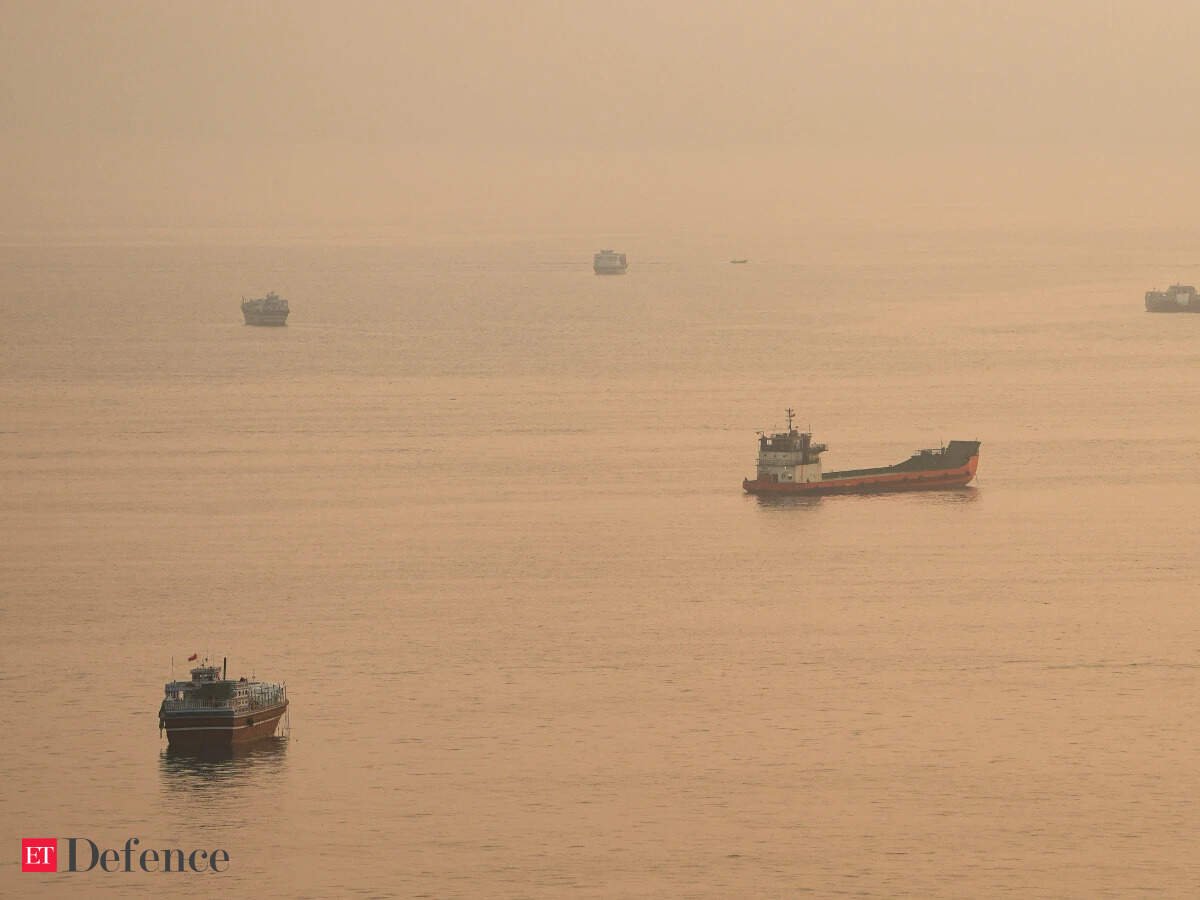
The problem of incomplete data extends to vessel tracking as well. A growing number of ships are navigating Hormuz without visible transponder signals, further complicating monitoring efforts. Although U.S. Central Command has implemented operations to maintain commercial shipping movement through the strait, much of this activity occurs outside public view, creating discrepancies in traffic estimates. Consequently, various sources of information—including UKMTO, military reports, and commercial tracking—each provide fragmented insights into the actual conditions in the strait, underscoring the difficulty in ensuring reliable real-time data for shipping operations.