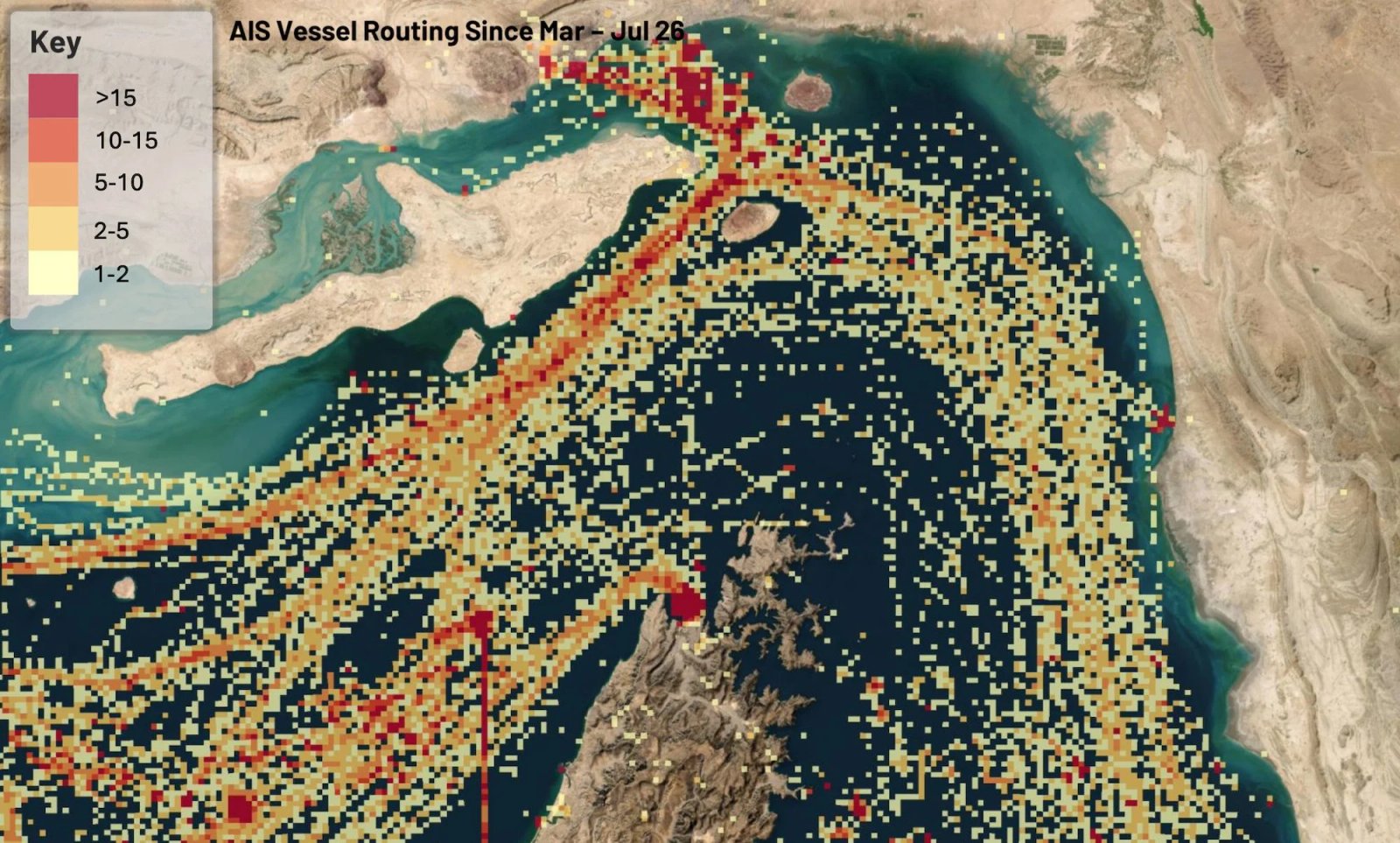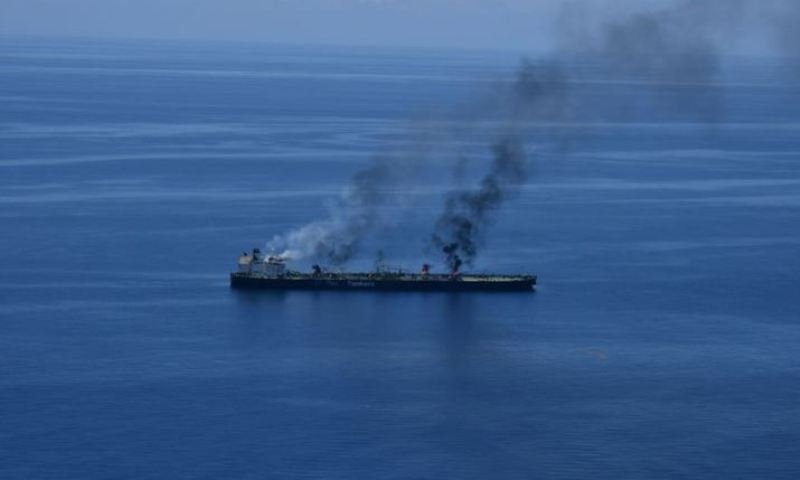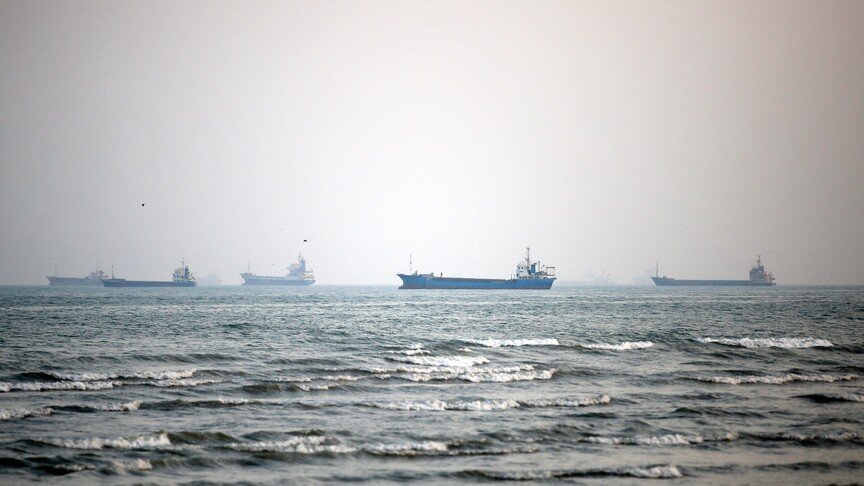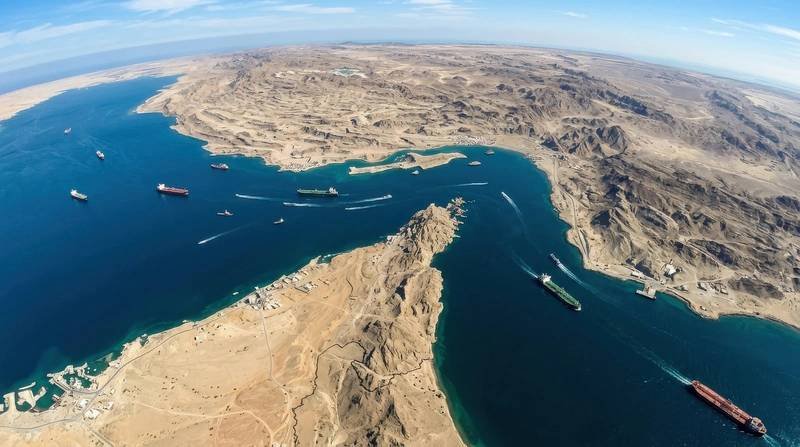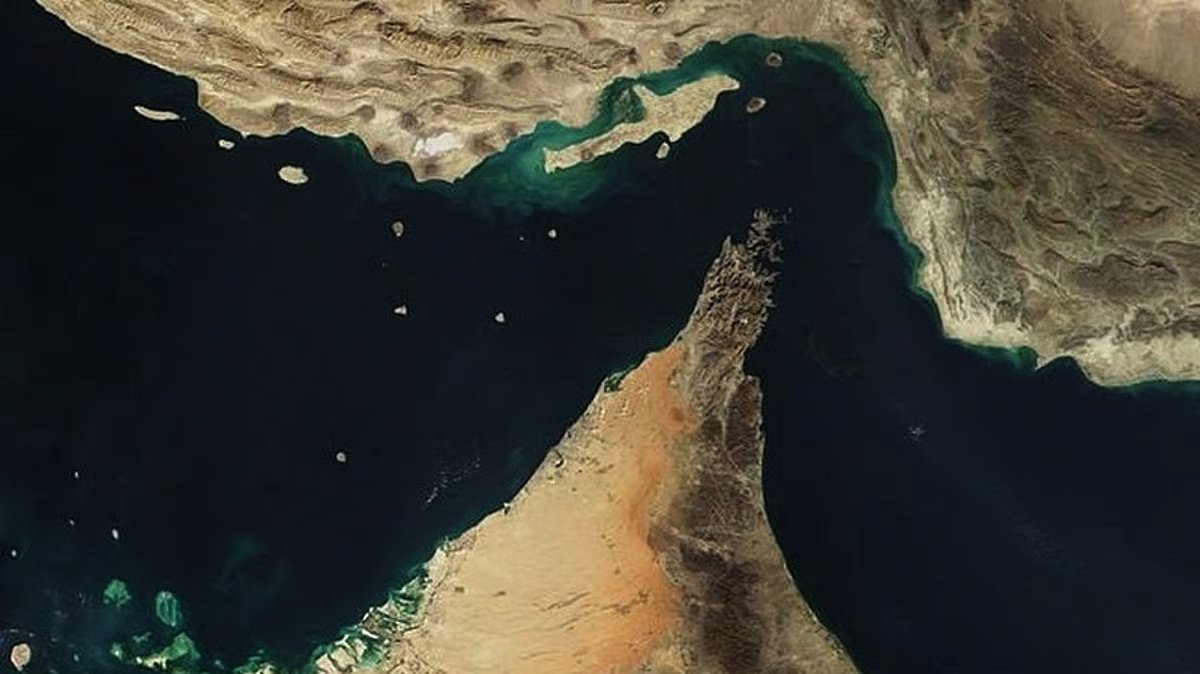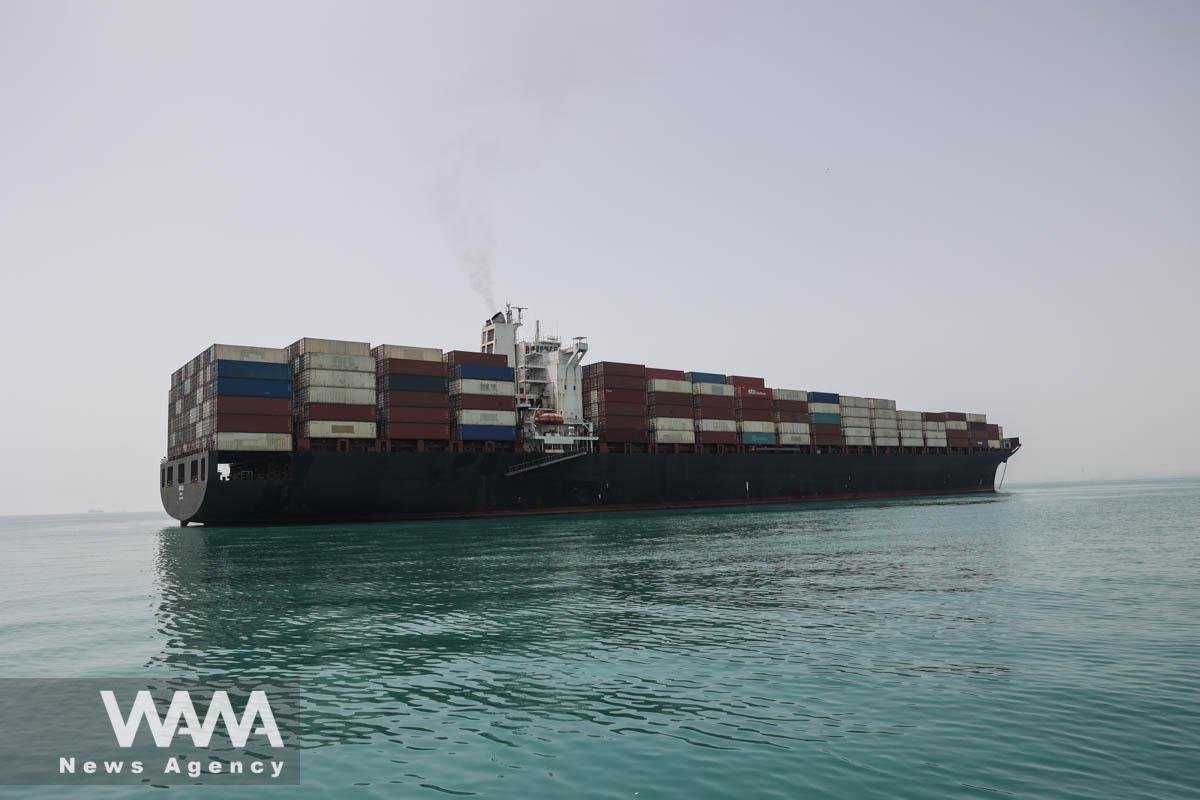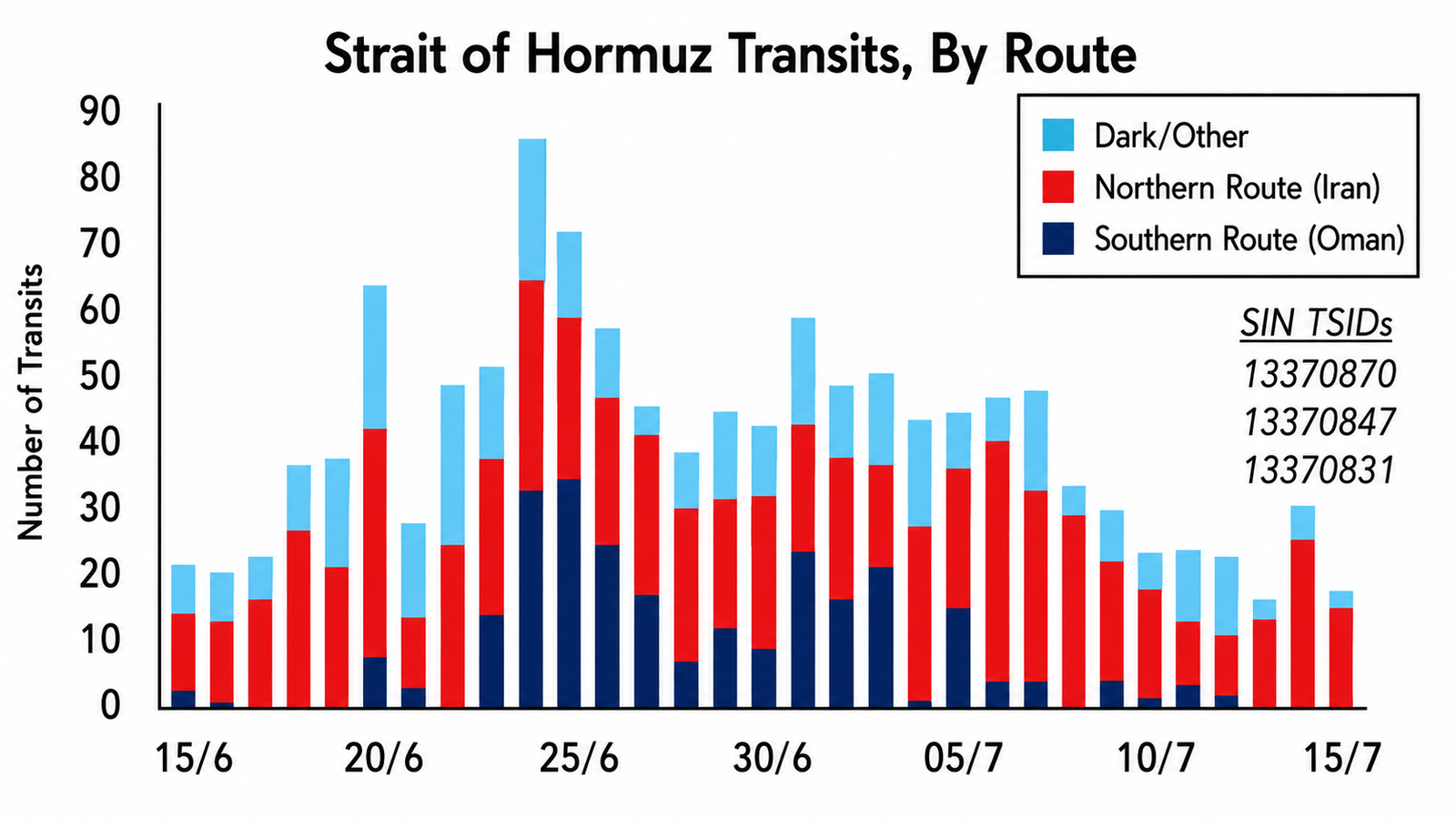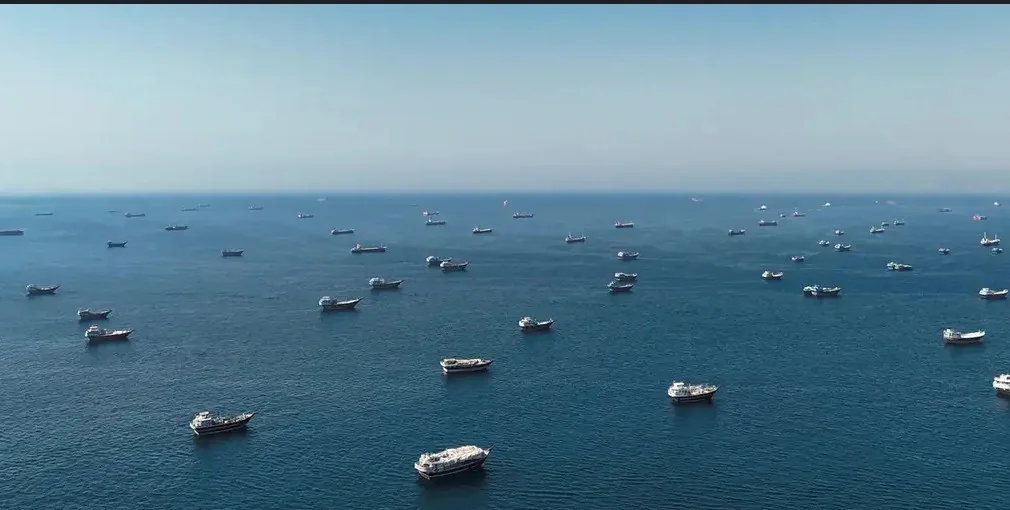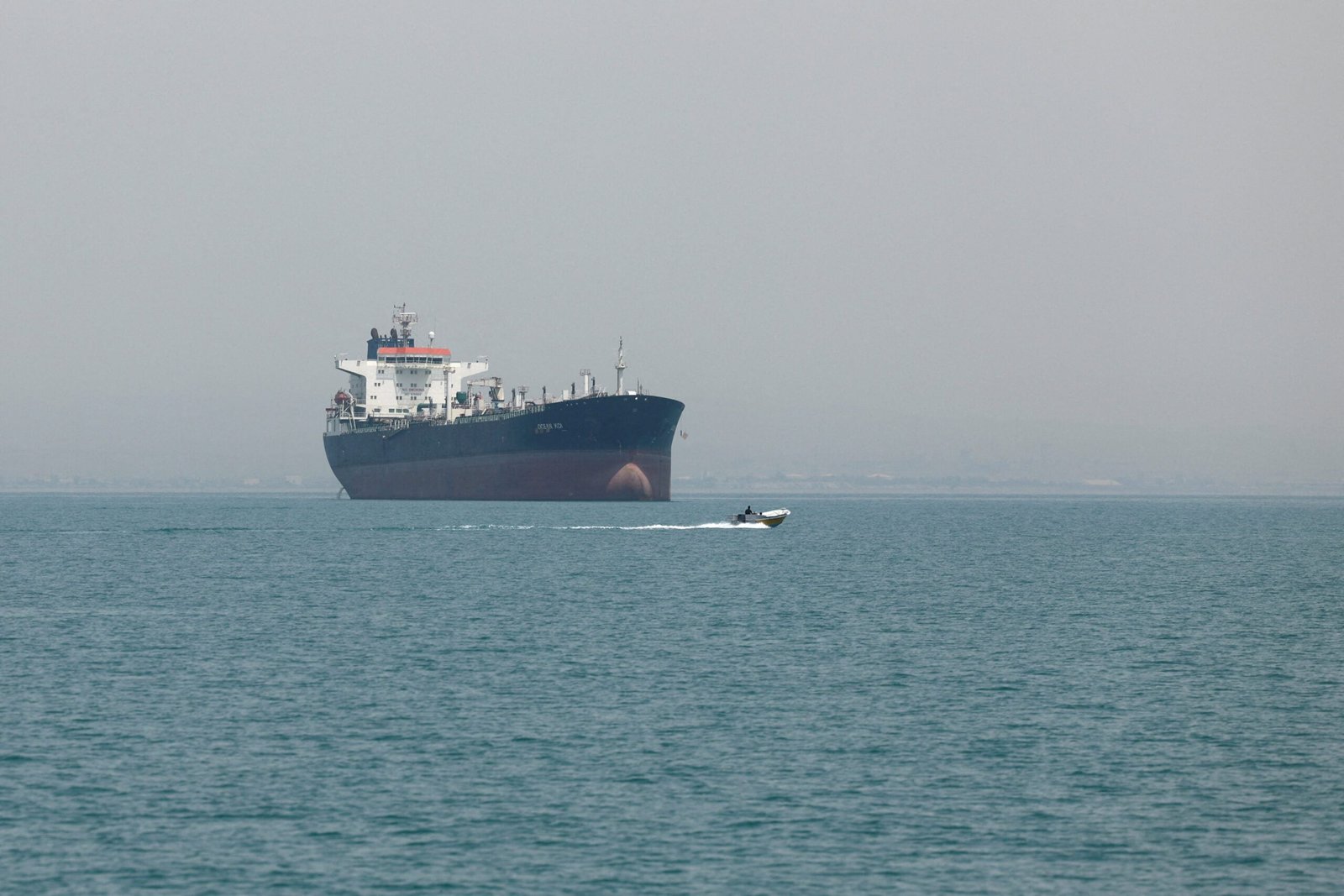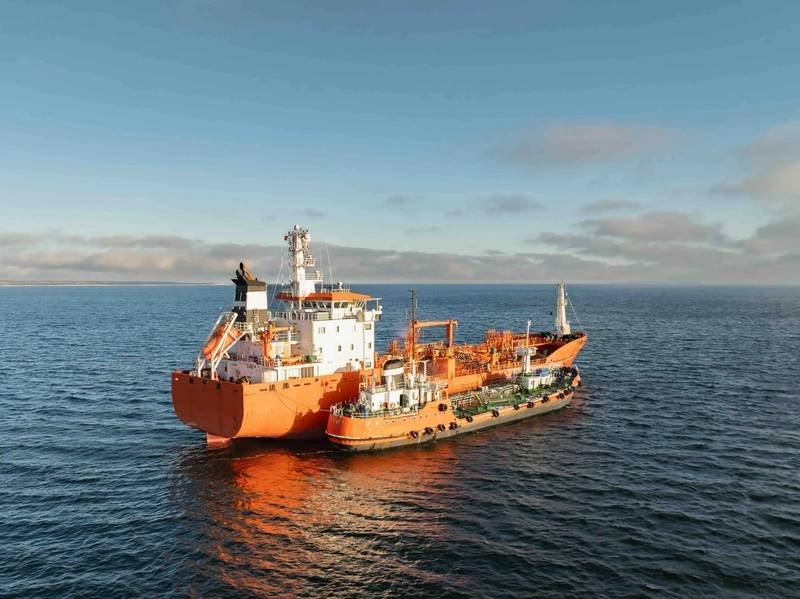
Oil transfers between tankers outside the Strait of Hormuz have decreased following recent Iranian attacks on vessels. Since the onset of the Iran war in late February, ship-to-ship (STS) transfers have allowed oil to exit the Gulf despite threats to commercial shipping. Tankers have been using makeshift routes near the Iranian or Omani coasts, operating with clearance from either Washington or Tehran.
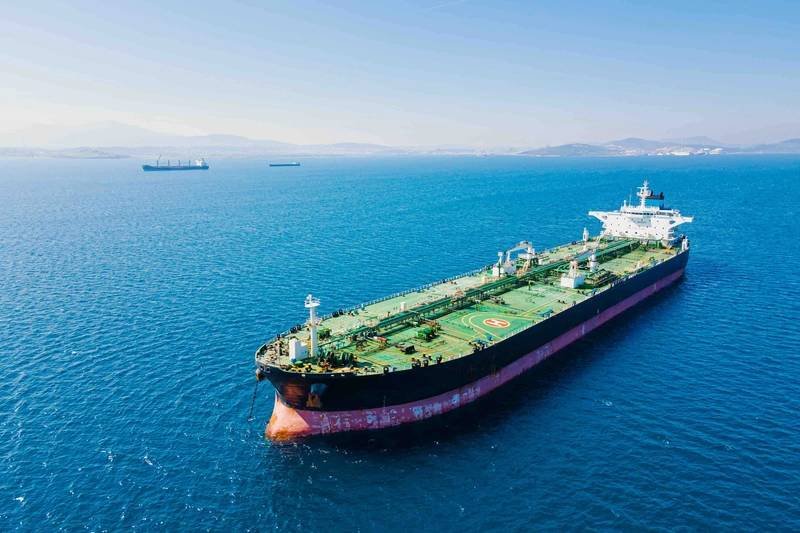
Recent satellite imagery indicates a significant decline in STS activity, with only one pair of tankers observed on July 18, compared to three pairs a week earlier. Ship traffic through the strait has also fallen, averaging two supertankers daily, down from five the previous week. Each supertanker can carry up to 2 million barrels of oil.
While U.S. military support has facilitated oil exports and mitigated price impacts, some shipping companies are now avoiding the U.S.-guided routes due to safety concerns stemming from Iranian attacks. U.S. Energy Secretary Chris Wright stated that traffic through the strait remains stable, with nearly 14 million barrels per day flowing, significantly higher than levels seen in March.