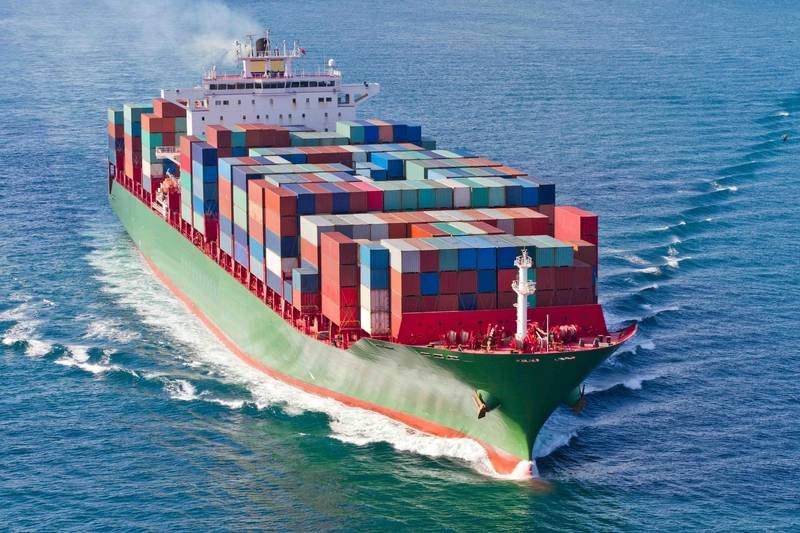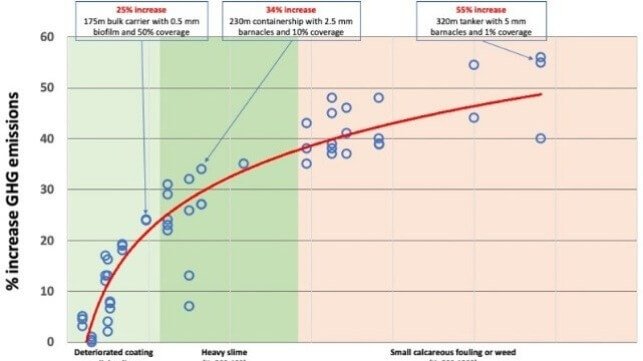
When assessing the antifouling effectiveness of hull coatings, shipowners focus on the extent to which fouling slows down their vessels over time, impacting fuel efficiency. A subpar coating can lead to significant speed reductions and increased fuel consumption between five-year drydock intervals. In contrast, a well-selected coating may still exhibit some slowing, but to a lesser degree. Recent findings from Jotun suggest a potential game-changer: using a proprietary hull-cleaning robot, ships can maintain a consistently clean hull, effectively operating as efficiently after five years as they did upon leaving drydock.
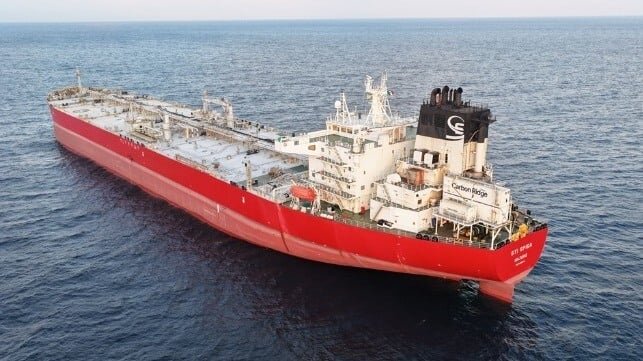
A study conducted by DNV examined 12 vessels that utilized Jotun’s hull-cleaning robot for an average of over three years. Performance data indicated no measurable speed loss compared to a baseline established during the first year. Additionally, inspections confirmed the absence of visible fouling on the hulls. Olav Rognebakke from DNV noted that the analysis validated the effectiveness of Jotun’s solution under real-world conditions.
The strategy involves using a cleaning-compatible coating and frequent cleaning to prevent fouling from developing into significant drag. Jotun emphasizes that DNV’s findings demonstrate the operational relevance of maintaining hull cleanliness. Morten Sten Johansen, Jotun’s Global Category Director for Hull Performance, highlighted the importance of credible speed loss data for operators, as it informs operational decisions and supports fleet decarbonization efforts.