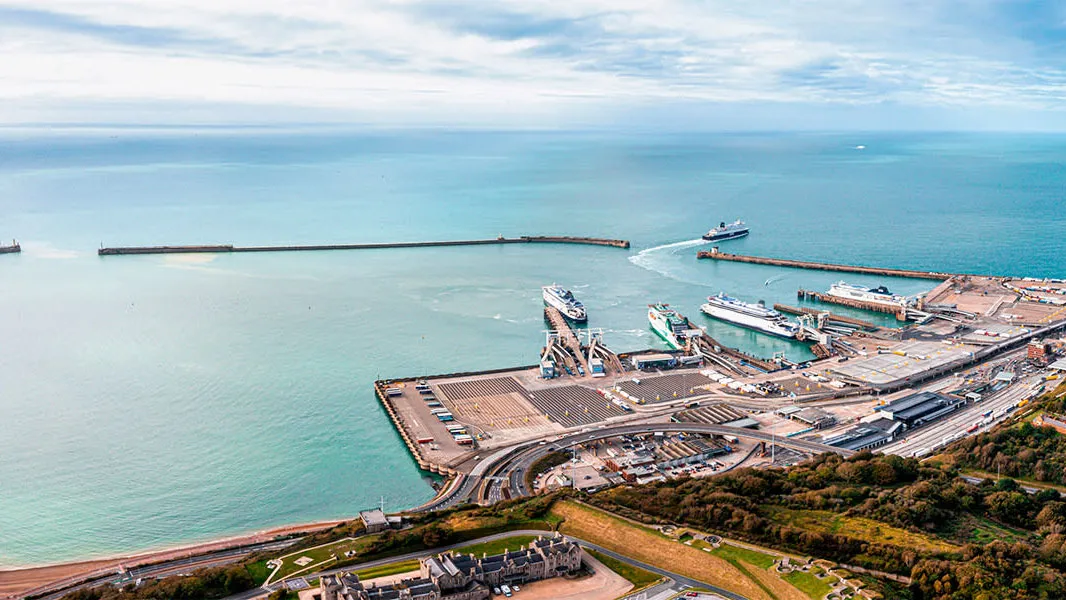
The European Sea Ports Organisation (ESPO) has raised concerns regarding the potential impact of the full implementation of the Entry and Exit System (EES) on traffic flow in European maritime ports, particularly as the summer season approaches. This apprehension follows significant congestion experienced at the port of Dover during the May bank holiday, which resulted in extensive delays for both passengers and vehicles. The situation improved only after French authorities utilized flexibility mechanisms within existing regulations to temporarily ease EES controls. However, the earlier congestion had already disrupted passenger travel, commercial transport, and local communities.
Isabelle Ryckbost, Secretary General of ESPO, emphasized that this summer will serve as a critical test for the EES at major maritime crossing points of the Schengen border. She urged for proactive activation of regulatory flexibilities in anticipation of exceptional circumstances, rather than waiting for severe congestion to occur. “We must ensure that the long-awaited holiday season does not become a period of stress for families and professional drivers alike,” she stated.
In light of these concerns, European ports are advocating for the proactive application of these regulatory flexibilities, especially when traffic forecasts suggest a high likelihood of congestion. ESPO has also called for clear guidance to be issued to the authorities responsible for EES controls throughout the Schengen area.
The EES is an electronic system that monitors border crossings of non-EU nationals at Schengen area entry points, including maritime ports. Its anticipated implementation will significantly affect operations at passenger terminals in ports with high international traffic. ESPO remains committed to collaborating with the European Commission and national authorities to ensure that the EES is implemented smoothly, maintaining efficient passenger traffic during the busy summer season.