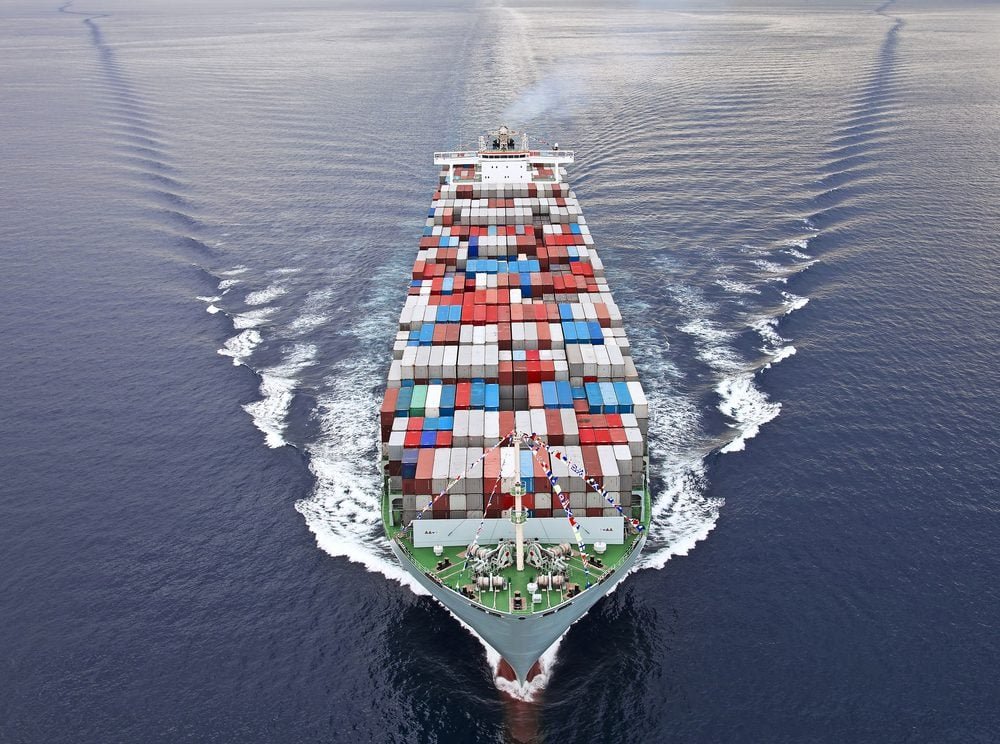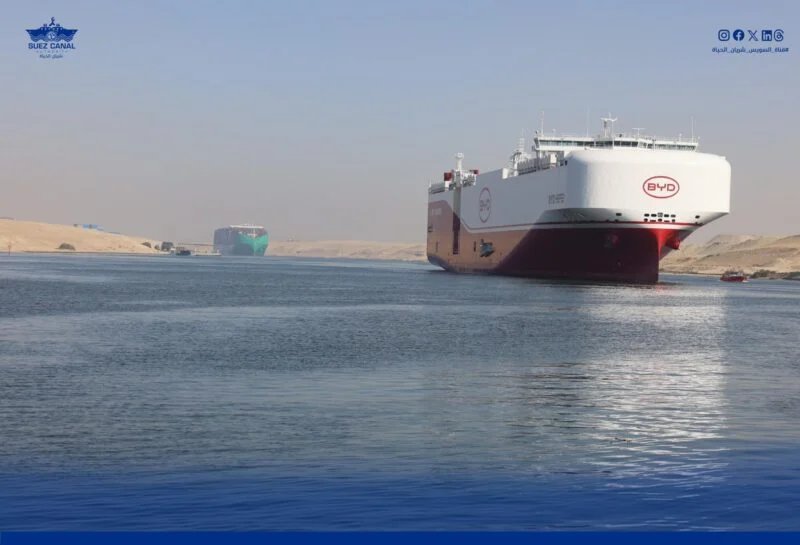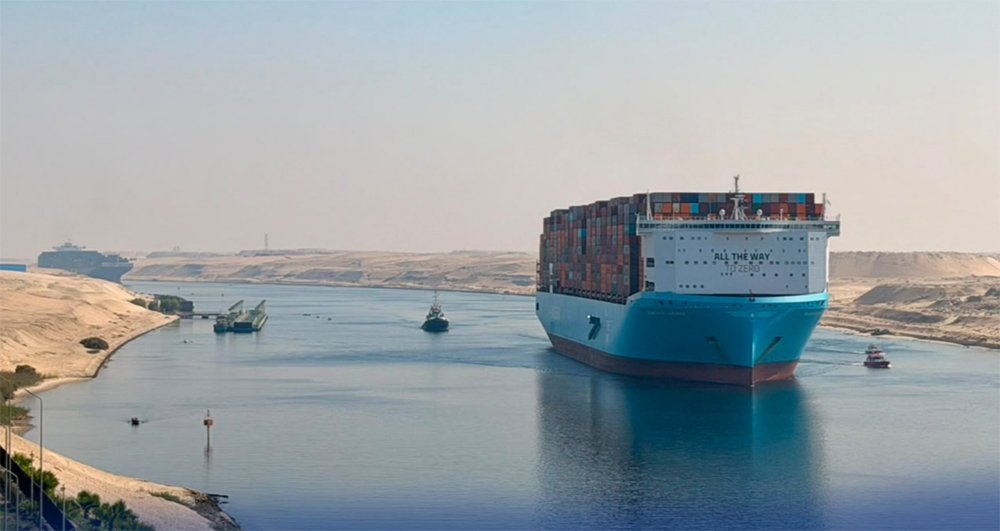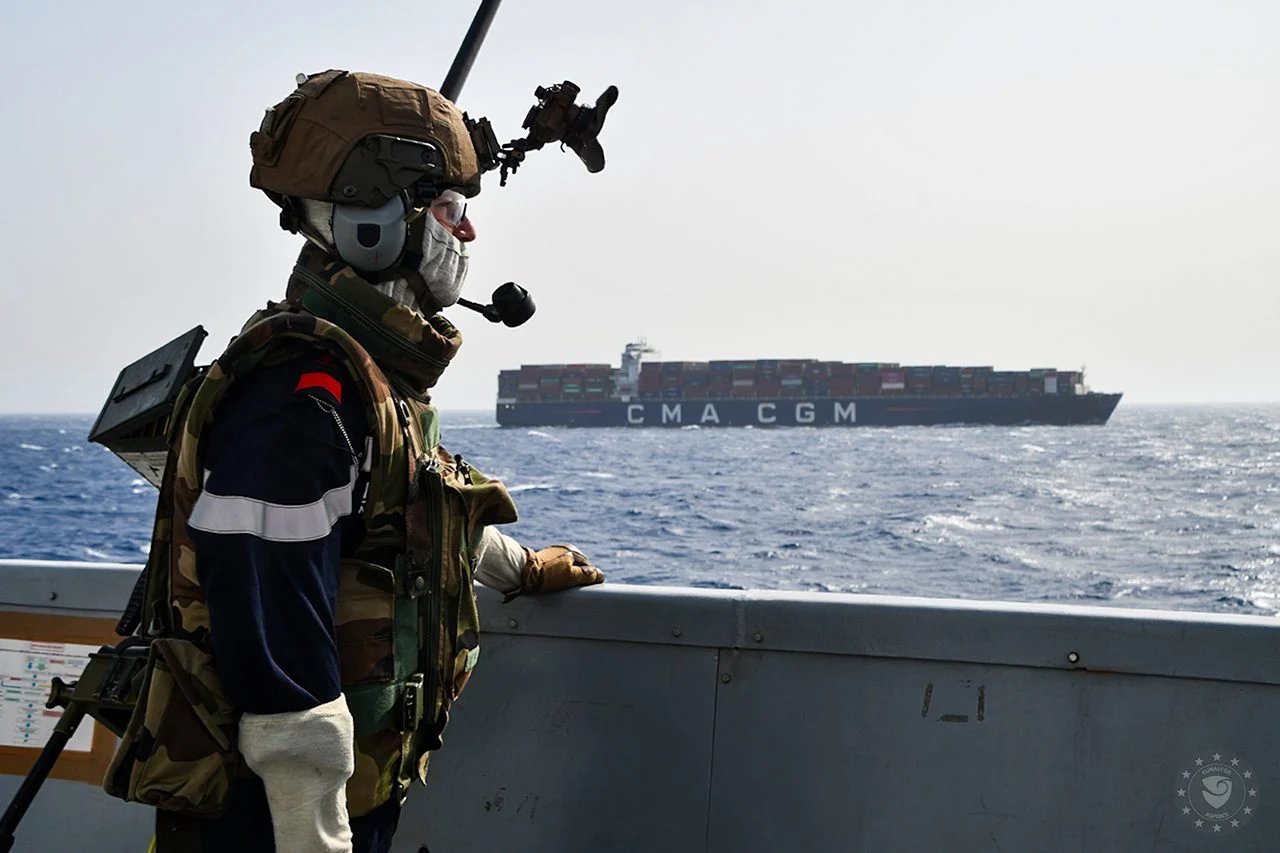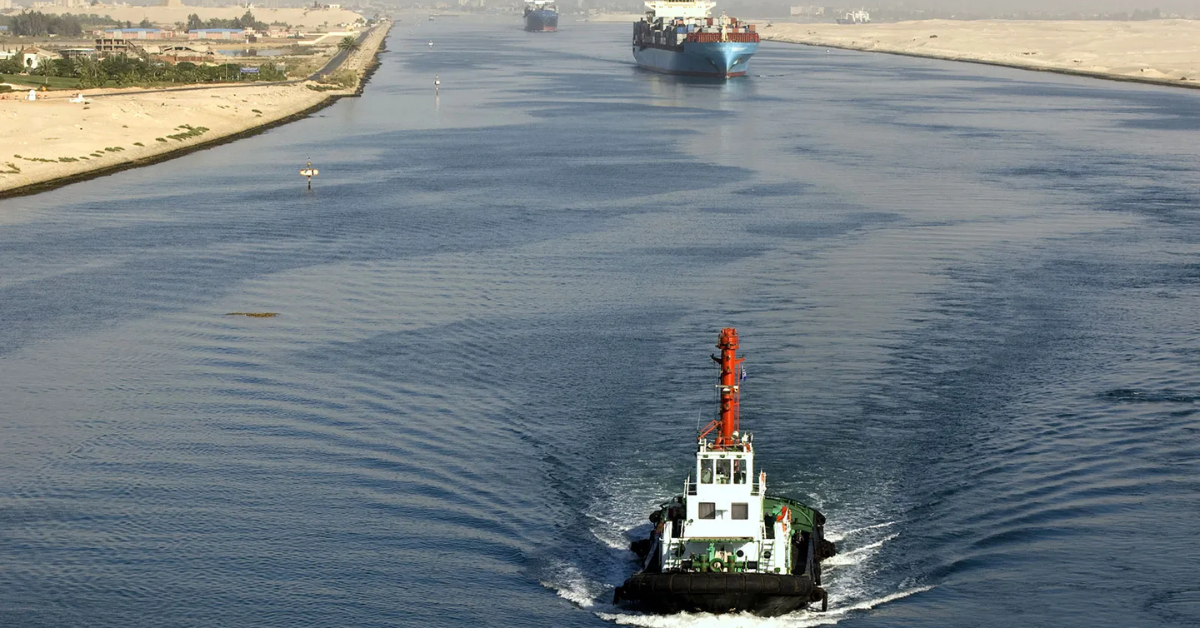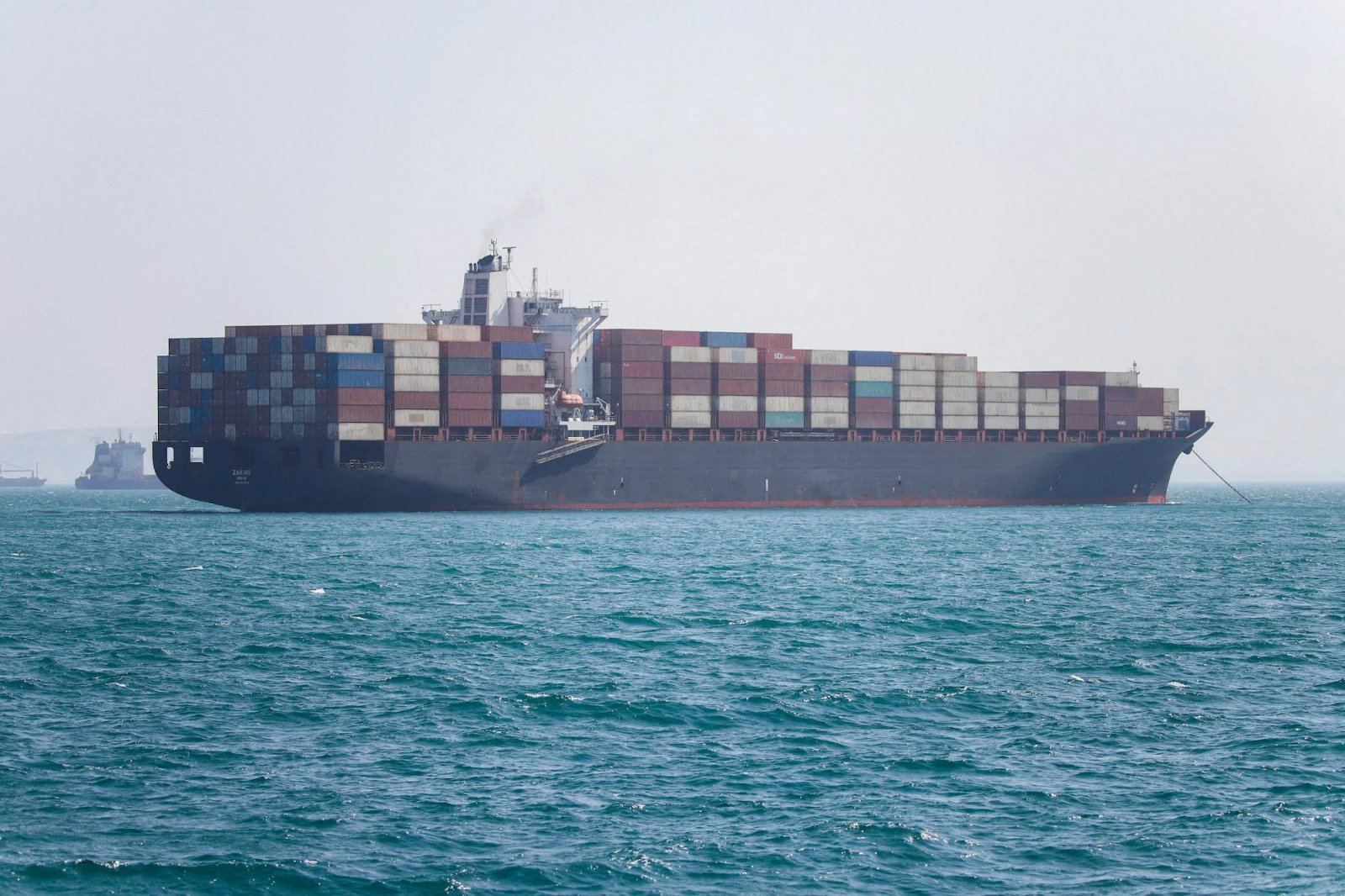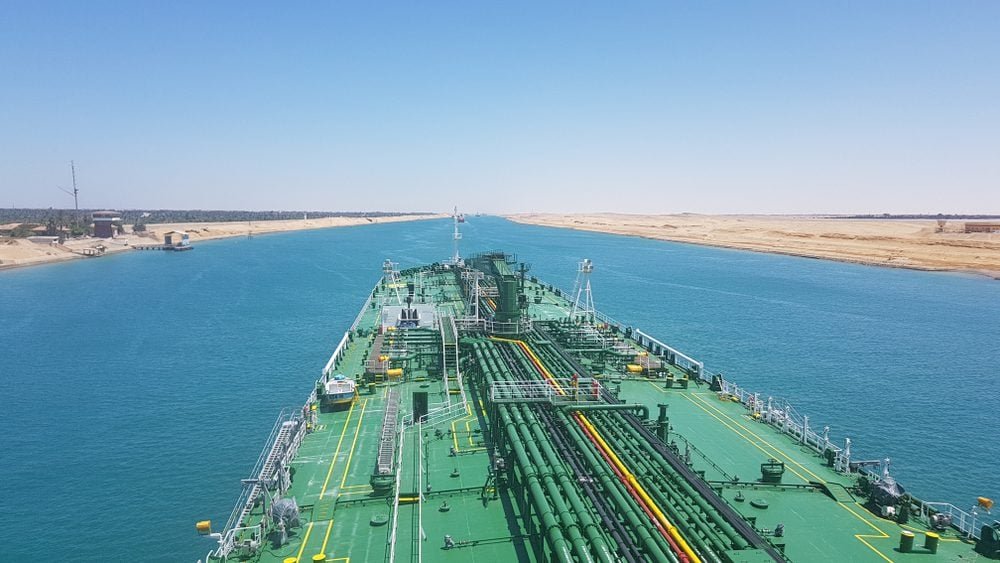
In April, the number of oil tankers traversing Egypt’s Suez Canal surged nearly 30%, marking the highest monthly revenue since early 2024. This increase was largely driven by the closure of the Strait of Hormuz, leading to a shift to alternative energy routes through the Red Sea. According to CAPMAS, 529 tankers transited the canal that month, representing a 28% rise from the previous year. Overall vessel traffic also experienced a 14% increase, totaling 1,182 ships.
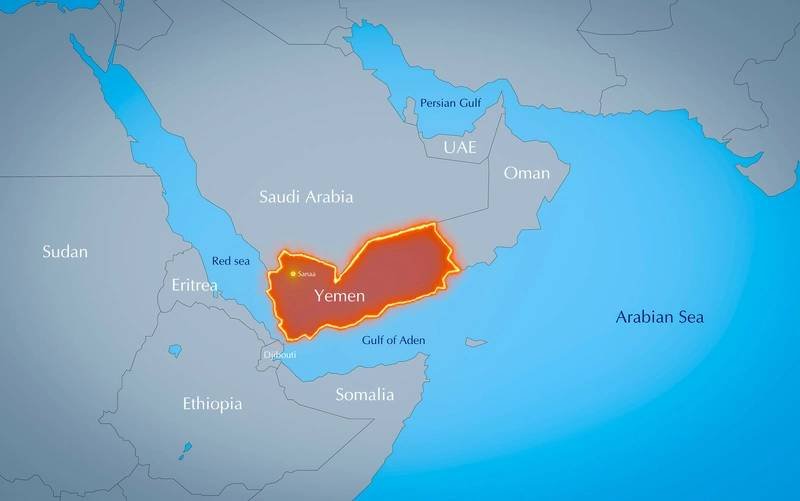
Traffic through the Suez Canal had declined after Houthi attacks on shipping in the southern Red Sea began over two years ago. However, the ongoing US-Israeli conflict with Iran has unexpectedly boosted traffic and revenue. Since the onset of the conflict on February 28, the Hormuz Strait—a vital route for global oil—has effectively been closed, prompting countries like Saudi Arabia, the largest oil exporter, to find alternative methods for exporting their crude.
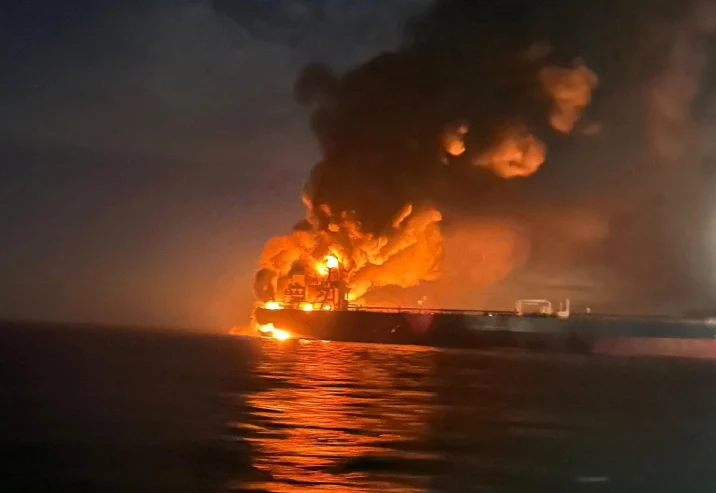
Egypt’s Suez Canal generated $419 million in revenue for April, up 27% from the previous year. While this rebound is promising, total traffic and revenue remain below pre-conflict levels. The Houthis previously targeted international shipping to exert pressure in the region, contributing to significant revenue losses estimated at $9 billion. The current geopolitical climate poses both opportunities and risks, as any escalation could disrupt progress.
Experts note that the Suez Canal could see a gradual recovery in revenue, potentially alleviating Egypt’s current-account deficit. However, the long-term outlook depends on the stability of the geopolitical landscape, as increased tensions could reignite Houthi attacks on regional shipping routes.