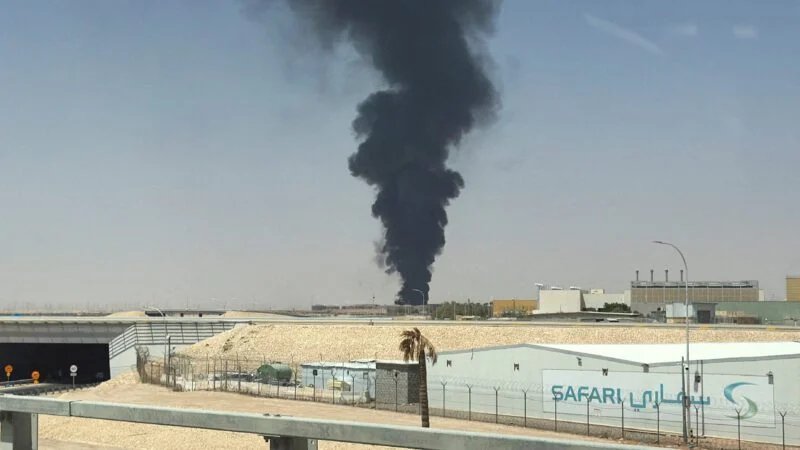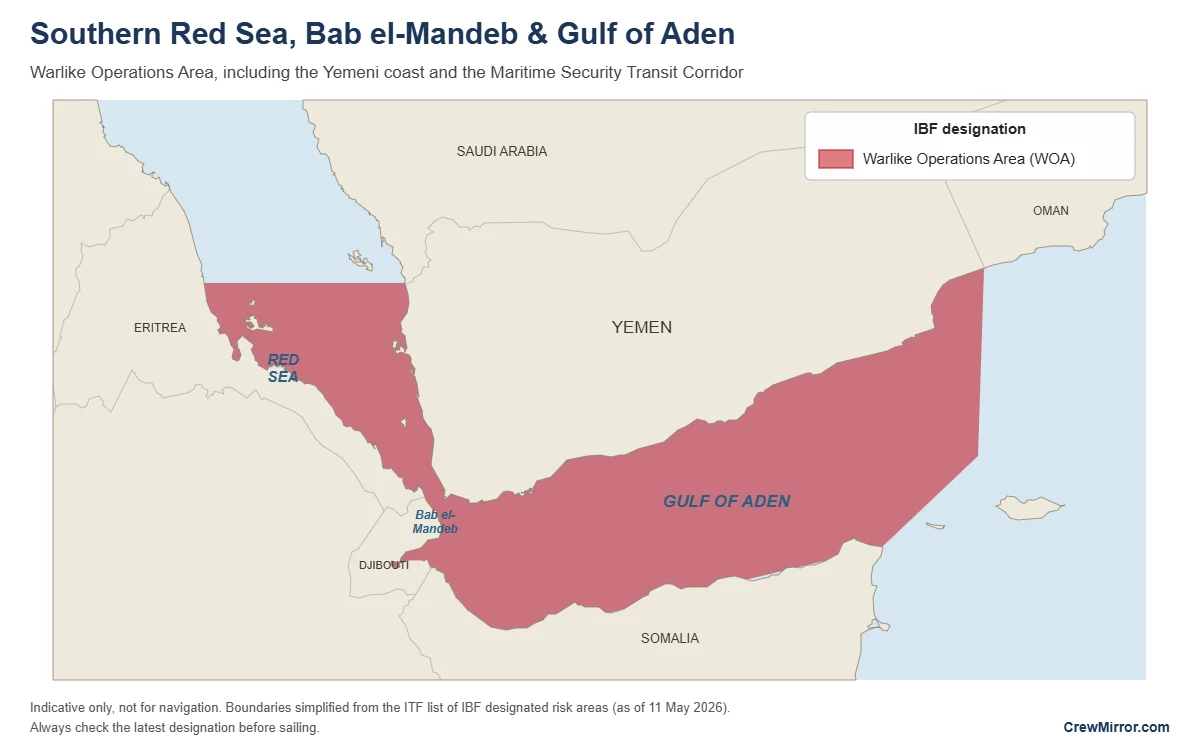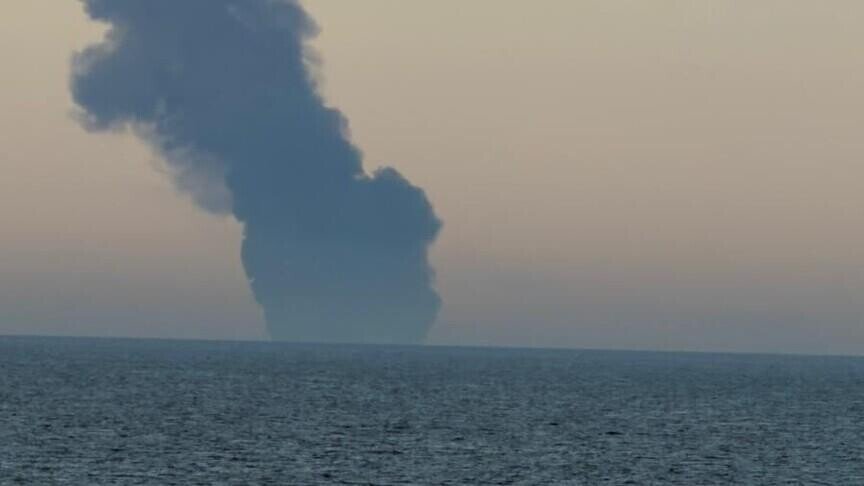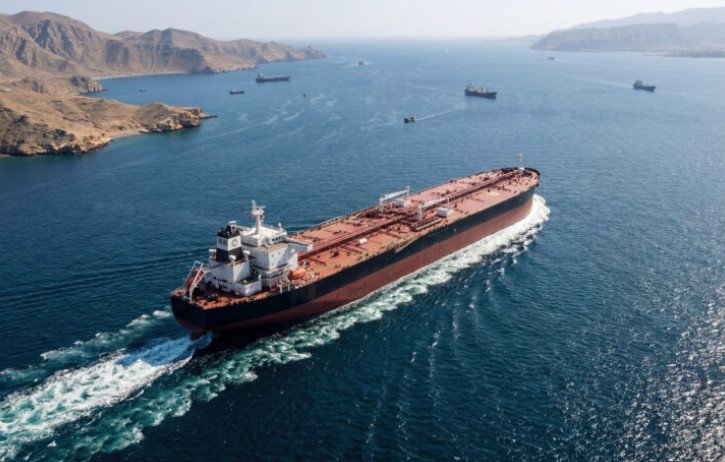
On July 20, Houthi forces imposed a maritime blockade on Saudi Arabia, effectively closing the Bab al-Mandab Strait to vessels bound for Saudi ports. This prompted the Chinese VLCC Tanker Xin Long Yang to turn back toward Suez instead of crossing into Yemeni waters, a decision echoed by two additional tankers. Shortly thereafter, the Houthis escalated their actions by targeting two Saudi-flagged tankers with missiles and drones, igniting fires onboard.
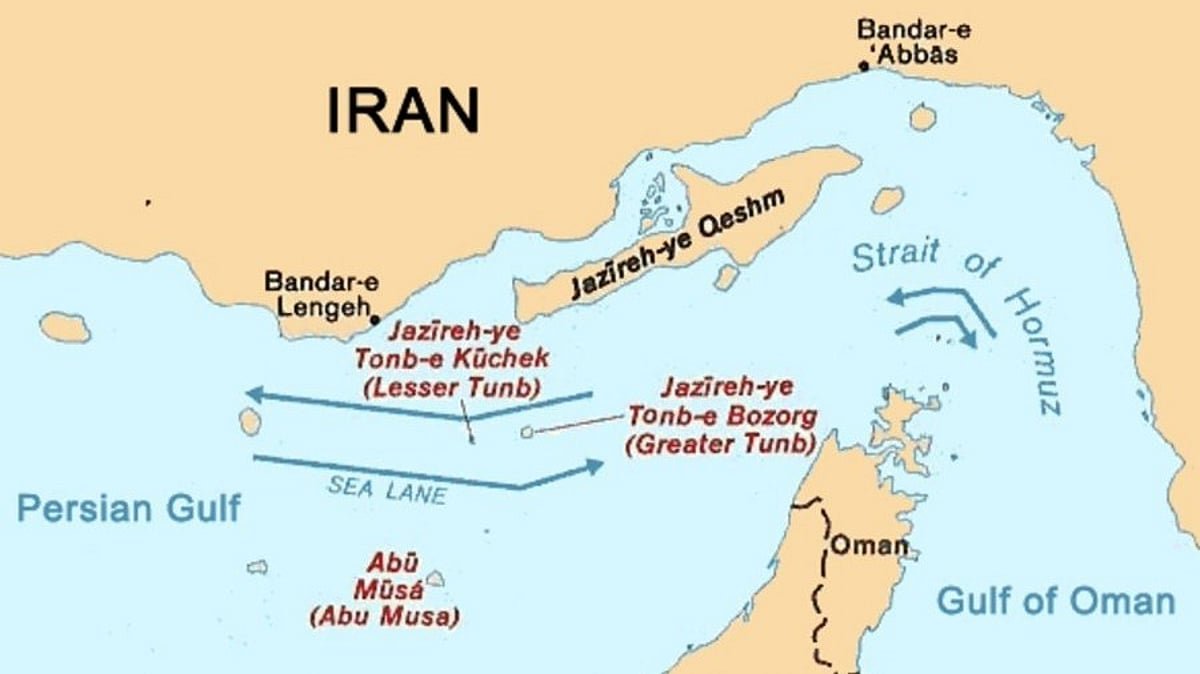
The Bab al-Mandab Strait is crucial, facilitating about 7% of global oil supply. Meanwhile, the Strait of Hormuz has been under pressure since the onset of the US-Israel conflict with Iran in February. Recent transit data indicates a significant decline in oil movement through Hormuz, with volumes dropping nearly 95% since the collapse of a ceasefire in early July. A prolonged closure of Bab al-Mandab could exacerbate supply issues, as Saudi Arabia has been rerouting up to 7 million barrels per day through the Red Sea to mitigate disruptions in Hormuz.
According to VesselsValue trade data, transit volumes in Hormuz have continued to decline over the past three weeks, with tanker and LNG traffic plummeting approximately 62% following the ceasefire breakdown, and further declining 87% in the subsequent week. Although fluctuations have eased, volumes remain suppressed compared to pre-crisis levels. Current data may still adjust as vessels’ positions become clearer.
In terms of market response, TC rates have shown modest week-on-week increases, reflecting a market that has already accounted for Gulf risks. VLCC rates rose by about 3%, while Suezmaxes followed suit. Oil prices have surged past $100 per barrel amid ongoing conflicts, raising critical questions regarding future Houthi attacks, potential rerouting of tankers away from Bab al-Mandab, and the overall impact on transit volumes and rates in Hormuz.