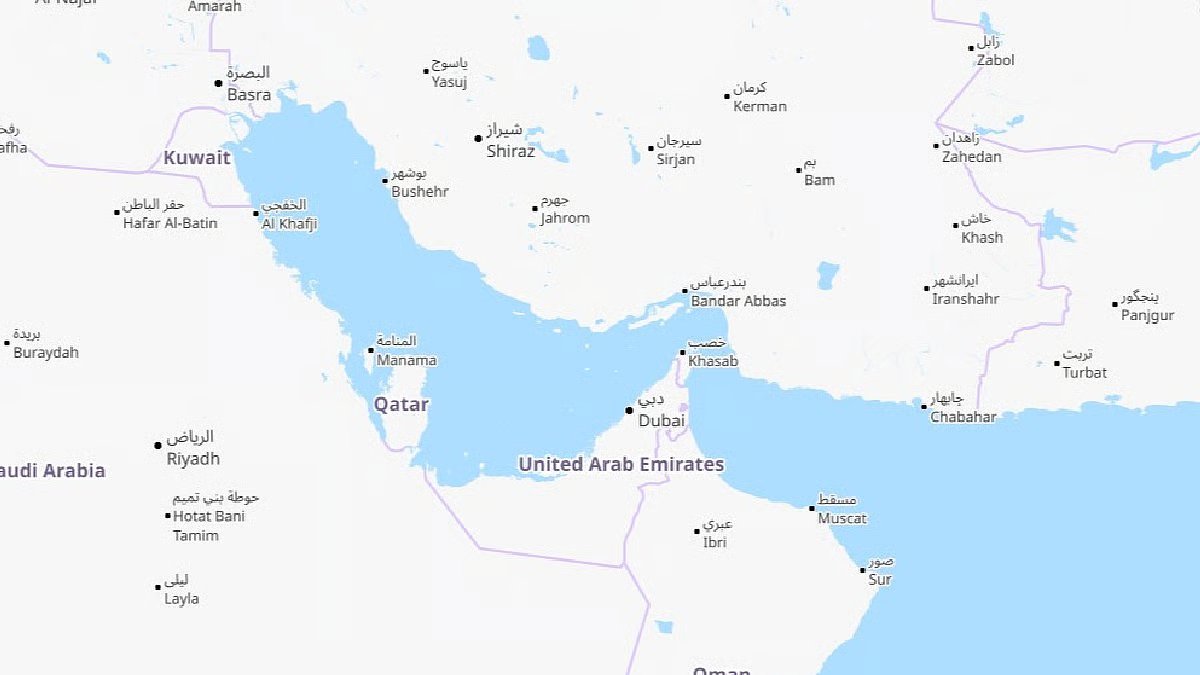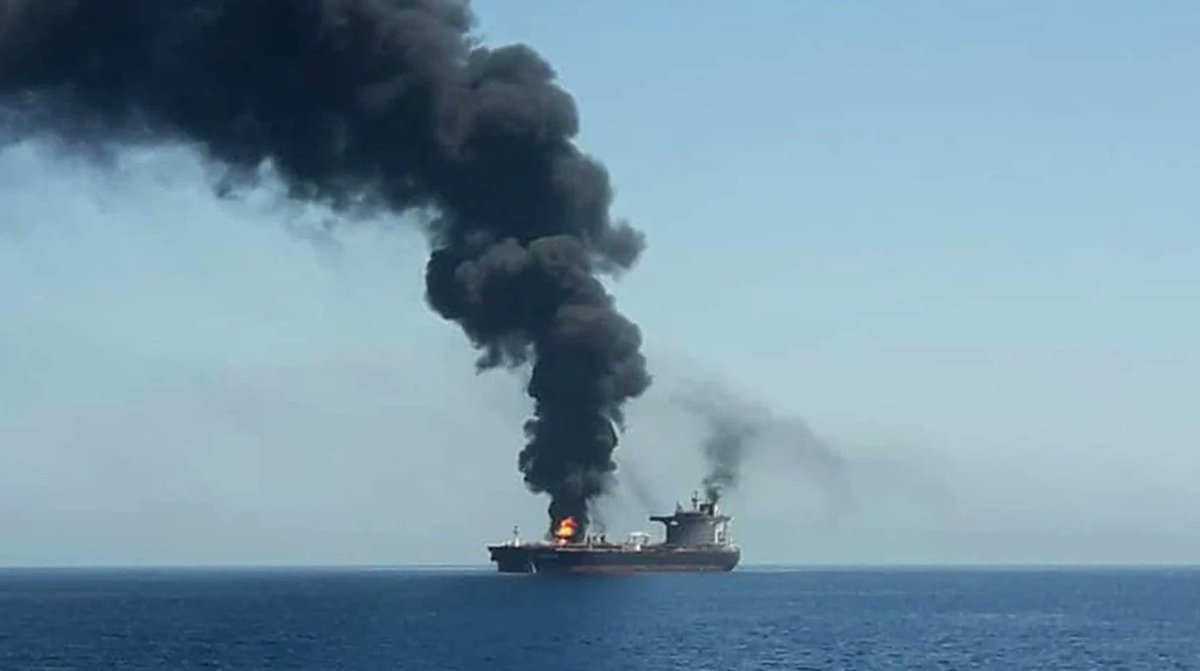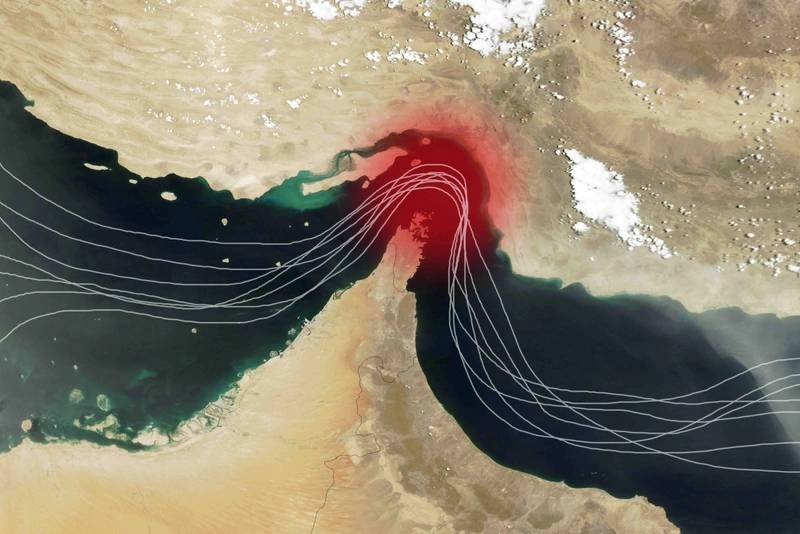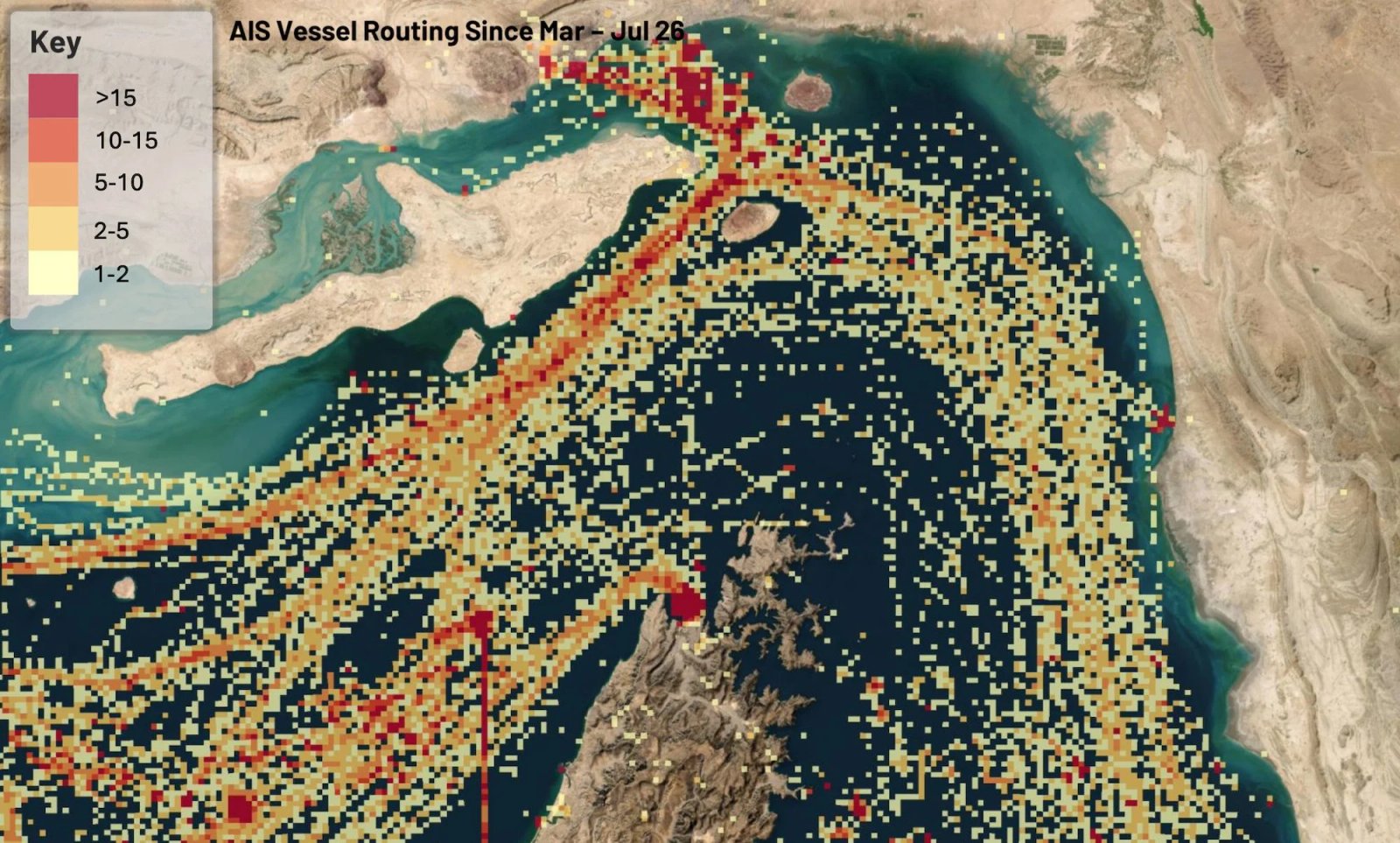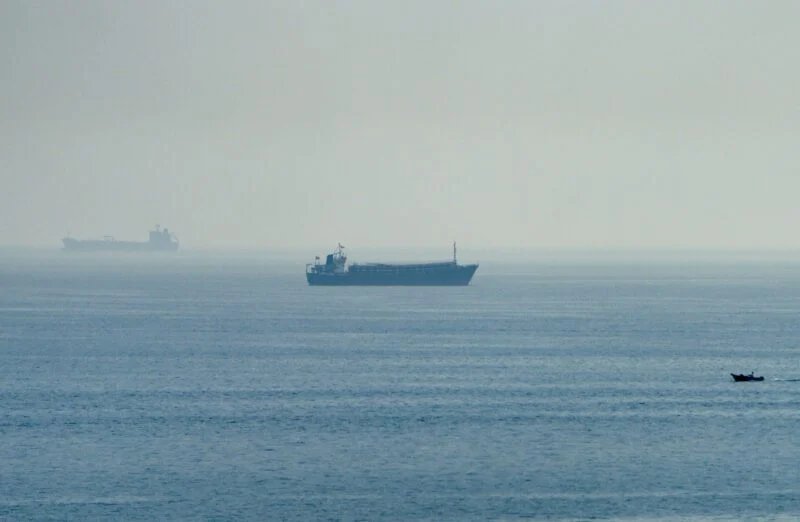
The United States has imposed sanctions on an Iranian cryptocurrency exchange, BitBank, which the Treasury Department indicates was utilized to funnel payments from vessels navigating the Strait of Hormuz into Iran’s financial infrastructure. BitBank is controlled by Babak Zanjani, a financier already under sanctions, and this designation also affects its software developer and three associates linked to Zanjani.
Treasury officials assert that Hormuz Safe Marine Services Authority, which plays a role in controlling commercial traffic through the Strait, has been using BitBank since June for payment transfers to the Iranian government. Additionally, it is alleged that Zanjani moved hundreds of millions of dollars in Bitcoin to the Islamic Revolutionary Guard Corps (IRGC) using the platform during that same period. These actions are part of the U.S. strategy to disrupt the financial networks Iran is utilizing for its shipping operations.
Hormuz Safe provides various maritime services and accepts cryptocurrency, allowing Iran to bypass conventional financial systems and evade U.S. sanctions. With Iran introducing rules requiring vessels to obtain specific permits and insurance for passage, there are concerns that Tehran’s approach effectively ties commercial access to an Iranian-approved insurance scheme. The Persian Gulf Marine Insurance Company, implicated in this system, operates under the authority of the already sanctioned Persian Gulf Strait Authority.
The actions taken by Treasury further clarify the financial mechanisms supporting Iran’s operations in the Strait. Following the sanctions framework established under Executive Order 13902, these measures target the cryptocurrency channels facilitating Iran’s revenue generation and aim to deter foreign financial institutions from engaging with these designated entities. As a consequence, U.S. persons are forbidden from transacting with BitBank and related parties, highlighting the ongoing efforts to impede Iran’s shipping and financial activities.