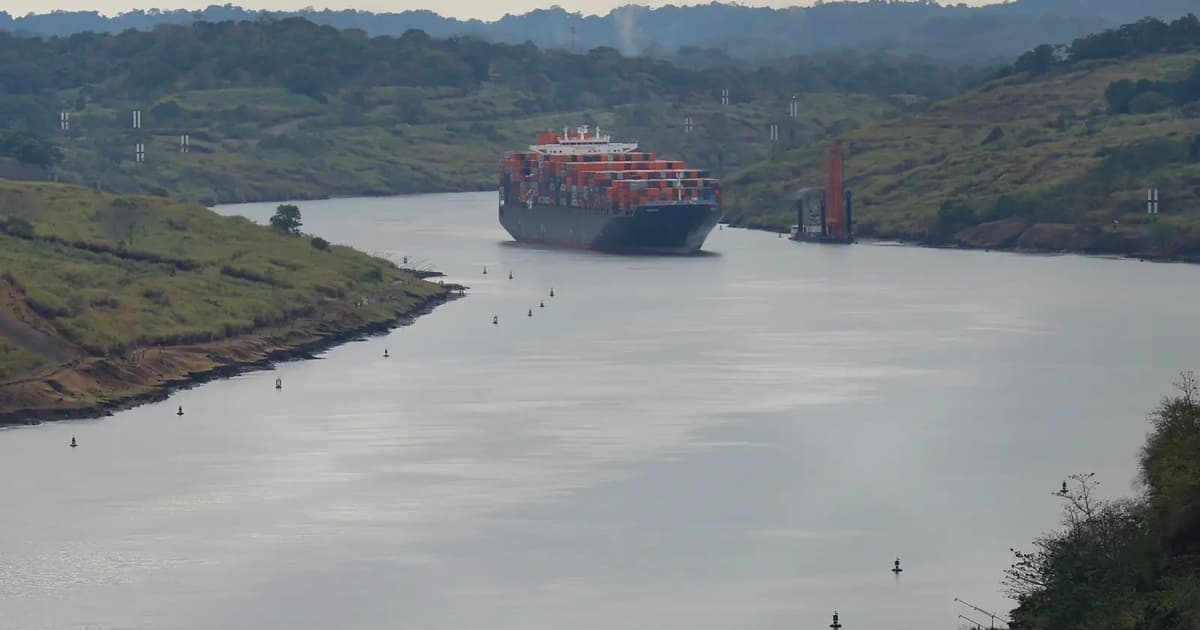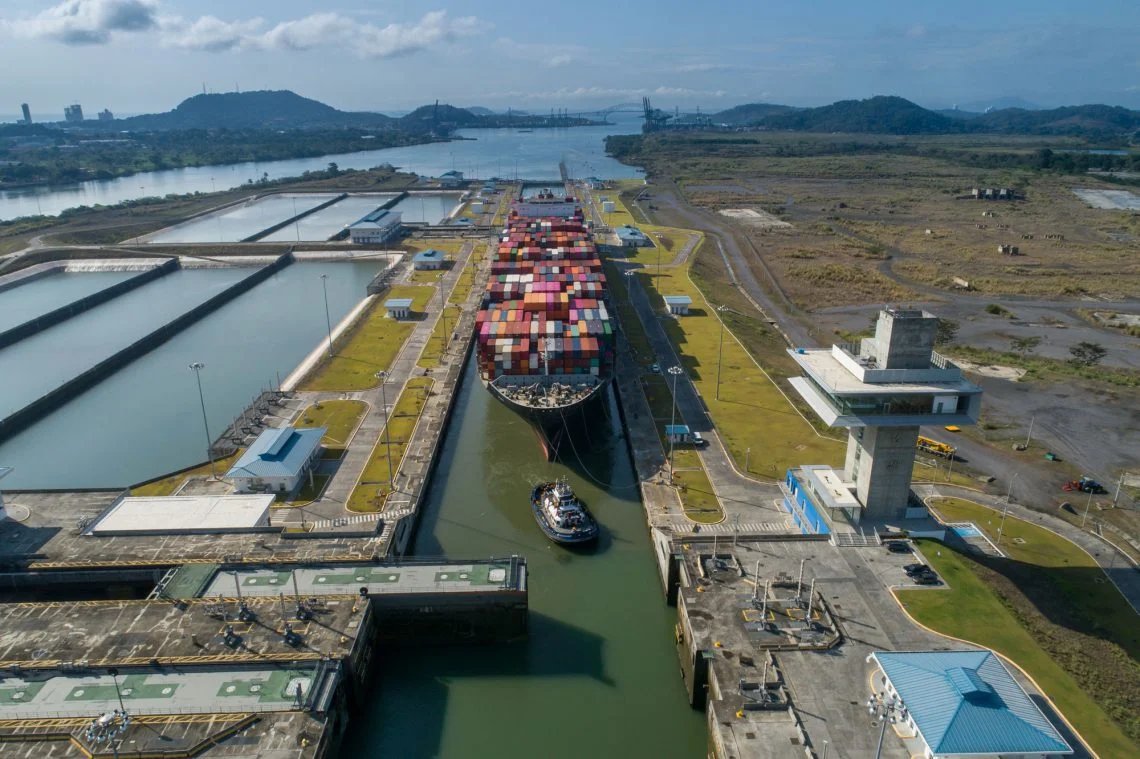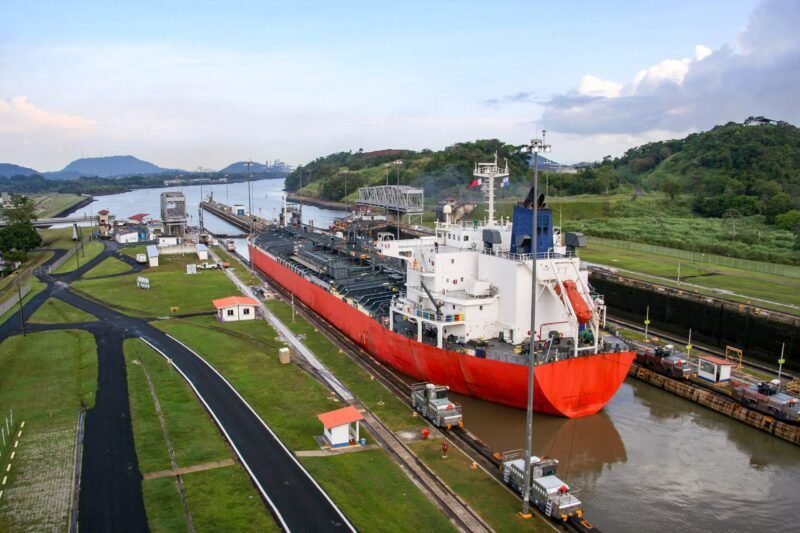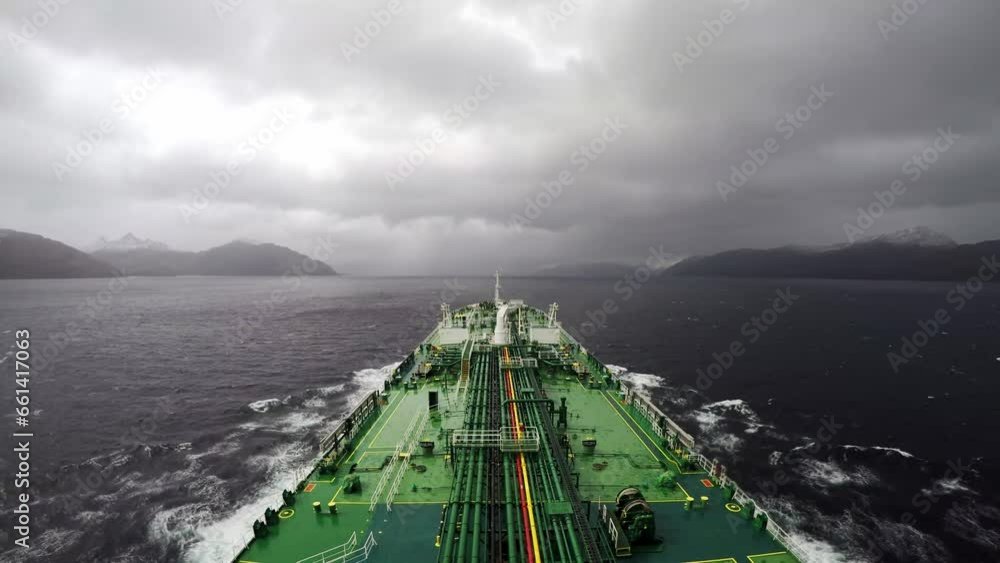
Maritime traffic through the Strait of Magellan has surged over 70% in August and September compared to the previous year, driven by ships diverting due to restrictions at the drought-affected Panama Canal. The low rainfall conditions, exacerbated by El Niño, have led authorities to impose limits on vessel crossings, forcing many shipping operators to seek alternative routes. The ongoing geopolitical disruptions in the Middle East further accelerate this trend, as companies transporting goods from South America and West Africa to Asia look to bypass affected regions.
The drought in Central America has emerged as a significant factor, compelling shipowners to incur high fees to navigate around delays at the Canal. According to industry analysts, rerouting through the Strait of Magellan has become an appealing alternative due to the absence of tolls, despite the added distance and fuel costs associated with this route. This shift underscores the impact of climate and geopolitical events on global maritime trade, prompting investors to seek more reliable transit options.
Additionally, the increase in Strait of Magellan traffic aligns with the winter season, which has brought heavy snowfall in the Andes, hampering land transport between Chile and Argentina. As the cruise season approaches, the uptick in maritime activity is anticipated to persist. The observed rise mainly involves vessels ranging from 60,000 to 65,000 gross register tons, although specific vessel types were not disclosed.