

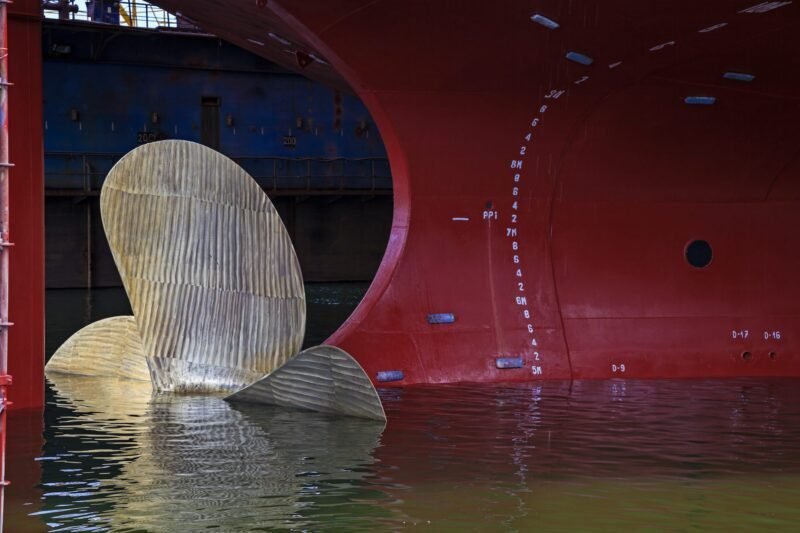
At MEPC 84 last week, the Committee approved a technical guidance circular aimed at optimizing propulsion equipment for enhanced energy efficiency and reduced underwater radiated noise during design and retrofit phases. This guidance addresses the trade-offs between noise reduction and traditional propeller designs, encouraging the adoption of quiet ship technologies alongside improved energy performance.
Case studies from a prior workshop highlighted that retrofits, including propeller upgrades and air lubrication systems, can achieve underwater noise reductions of 2–10 dB while also enhancing energy efficiency. Effective design optimization necessitates a clear understanding of a ship’s operational profile and speed ranges, moving away from generic maximum-speed design points.
The maritime industry now embraces holistic approaches that maintain core performance characteristics while addressing noise and energy concerns. Various empirical methods for estimating underwater radiated noise and cavitation are increasingly being integrated into onboard systems, providing real-time data. This enables adaptive strategies such as optimized route planning to reduce both noise and fuel consumption without significant modifications to existing vessels.


