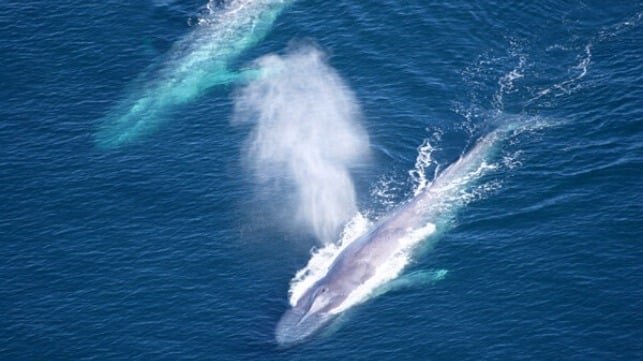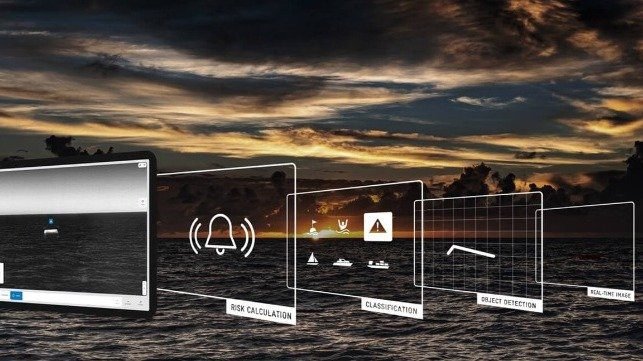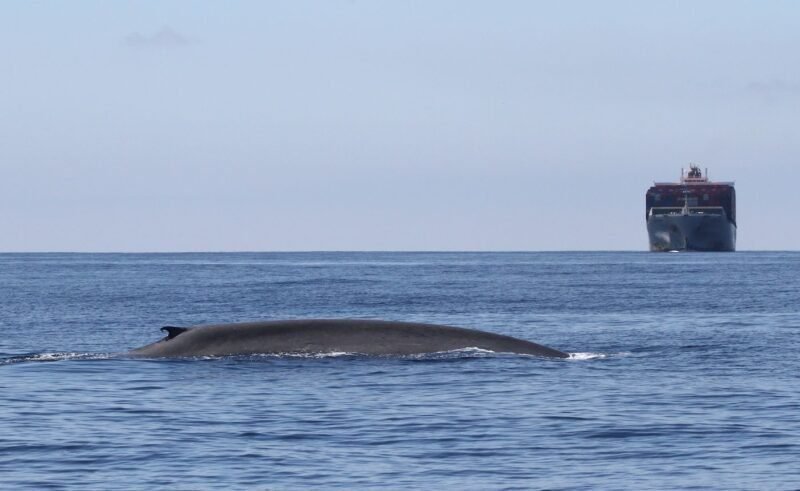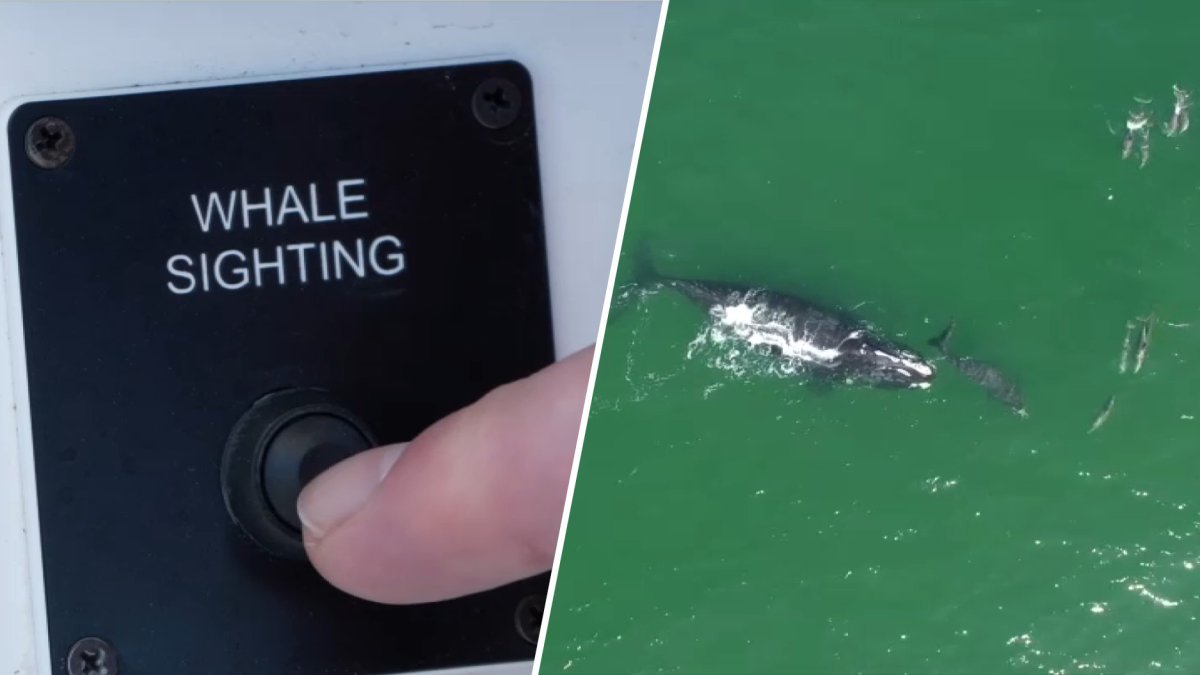
Researchers and the marine industry are leveraging artificial intelligence to safeguard the critically endangered North Atlantic right whale, which has fewer than 400 individuals left in the wild. Vessel strikes pose a significant threat to this species, prompting industry leaders like John Depersenaire of Viking Marine Group to seek solutions. The Whale and Vessel Safety Task Force (WAVS) is developing an innovative system that combines AI with existing boat technologies, such as sensors and navigation systems, to detect whale presence and alert nearby vessels. This approach mirrors how navigation apps notify drivers of hazards.
Once verified, whale sighting data can be shared with boats lacking their own detection systems, enhancing safety for all mariners. Researchers at Rutgers University are also contributing by creating an AI-driven system that predicts whale locations. This system integrates whale calls detected by underwater gliders with oceanic and environmental data to produce probability maps, indicating where encounters with marine mammals are most likely.
Experts believe this information can assist both recreational boaters and commercial ship captains in planning safer routes. The WAVS task force aims to standardize and implement these whale awareness tools by year-end, facilitating communication of whale notifications among boaters and improving overall marine safety.