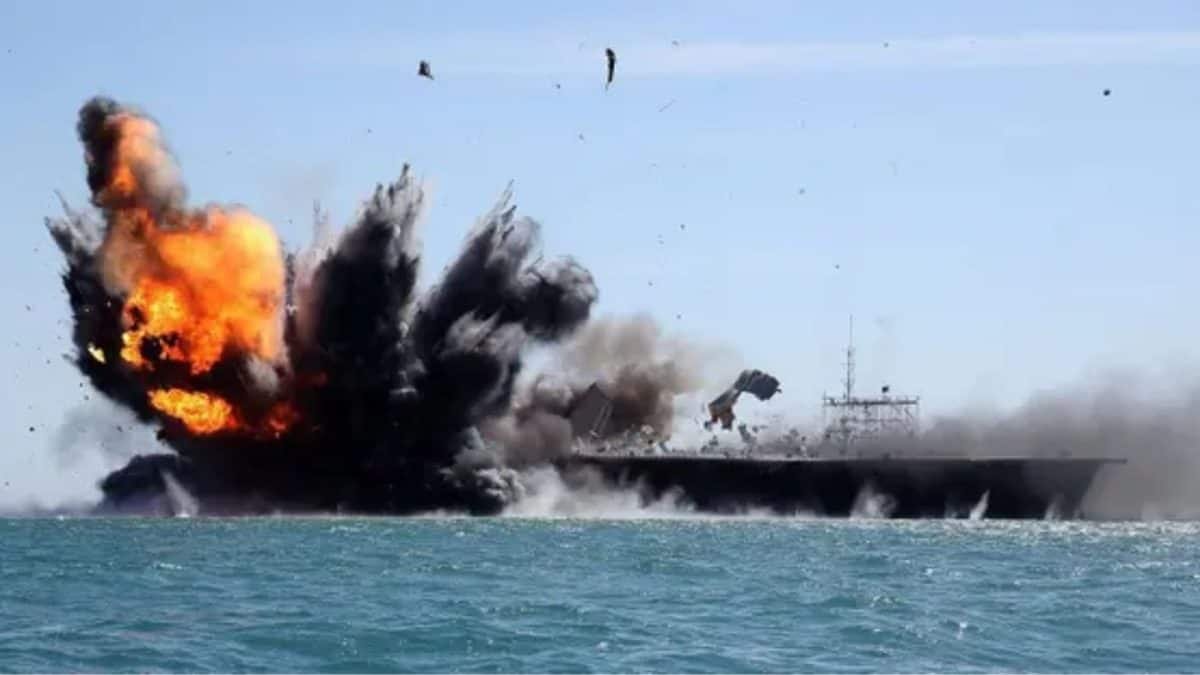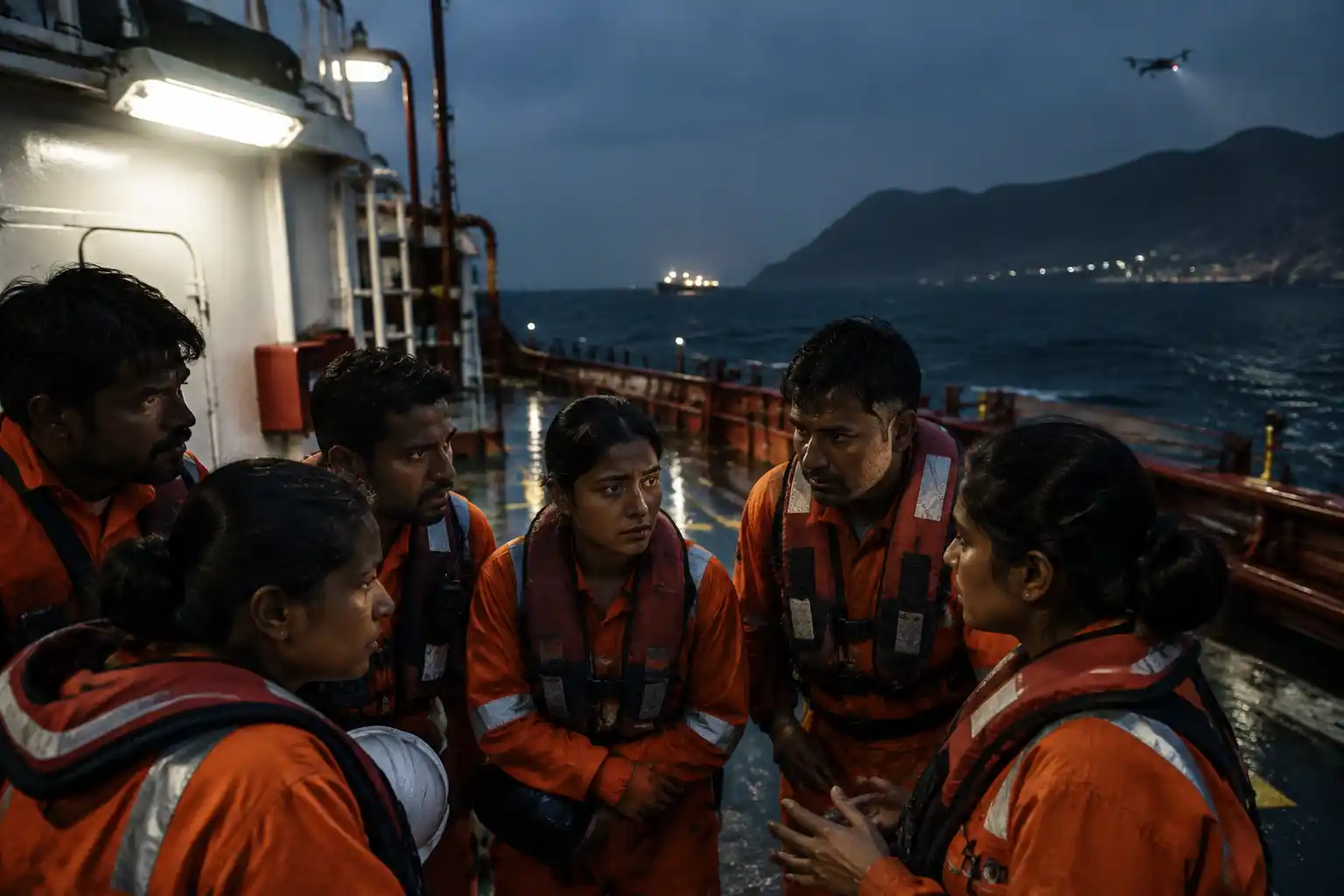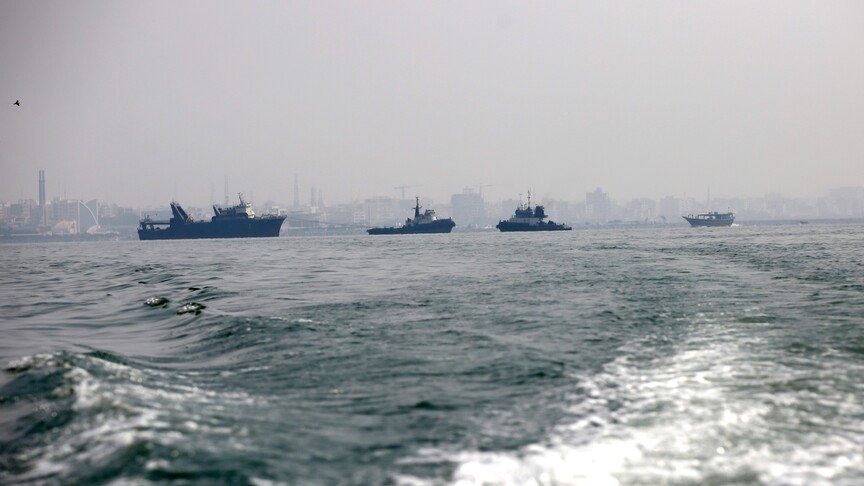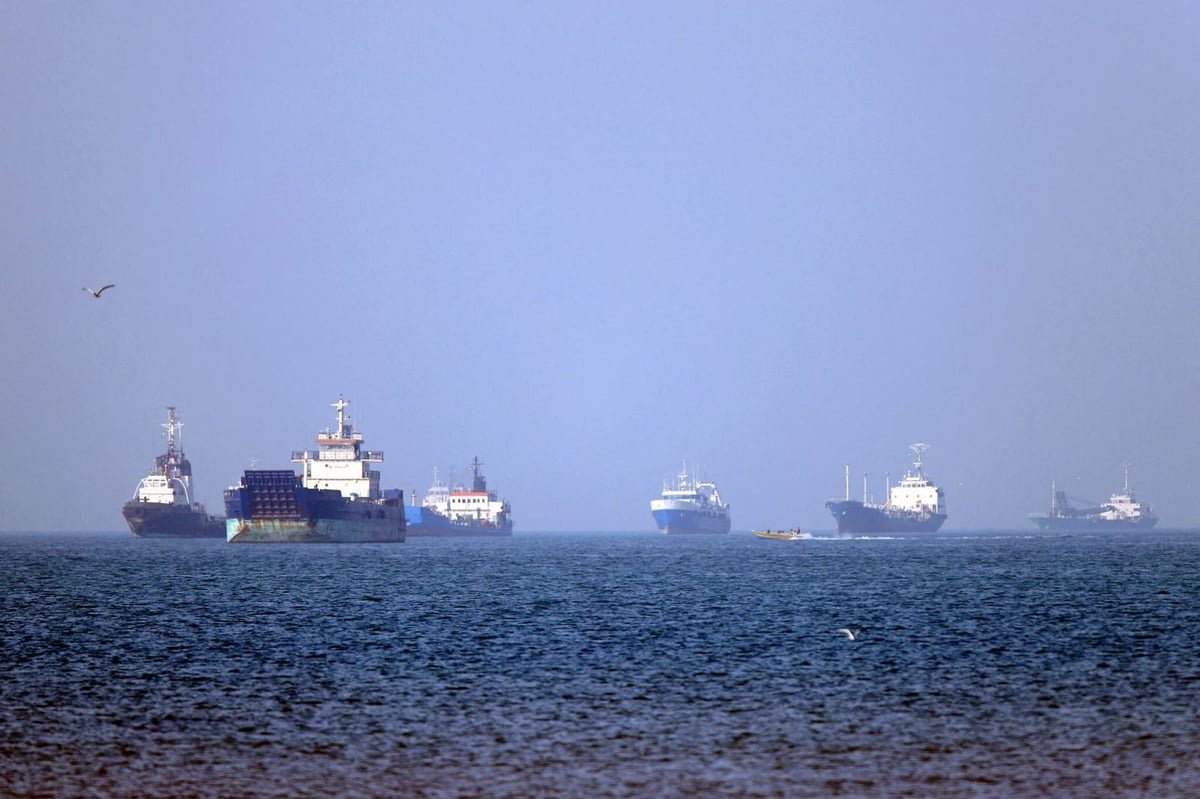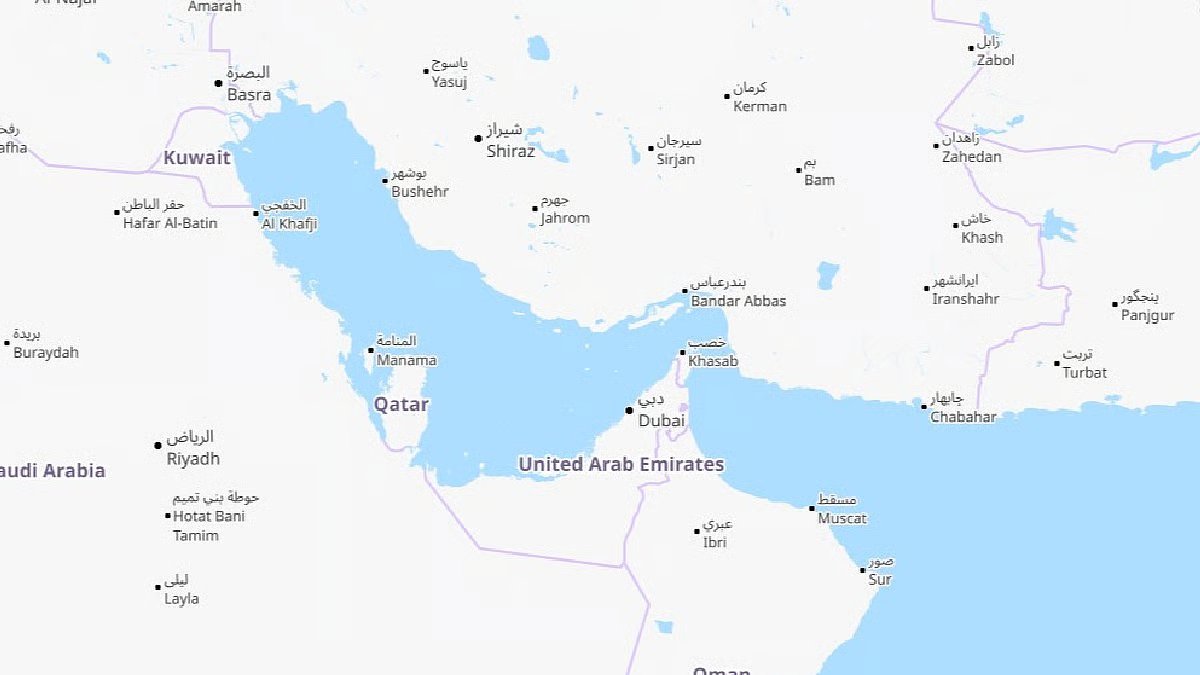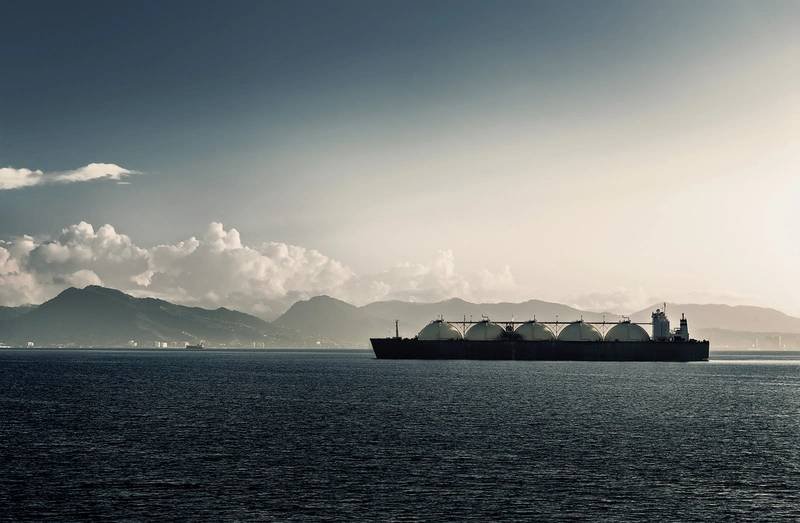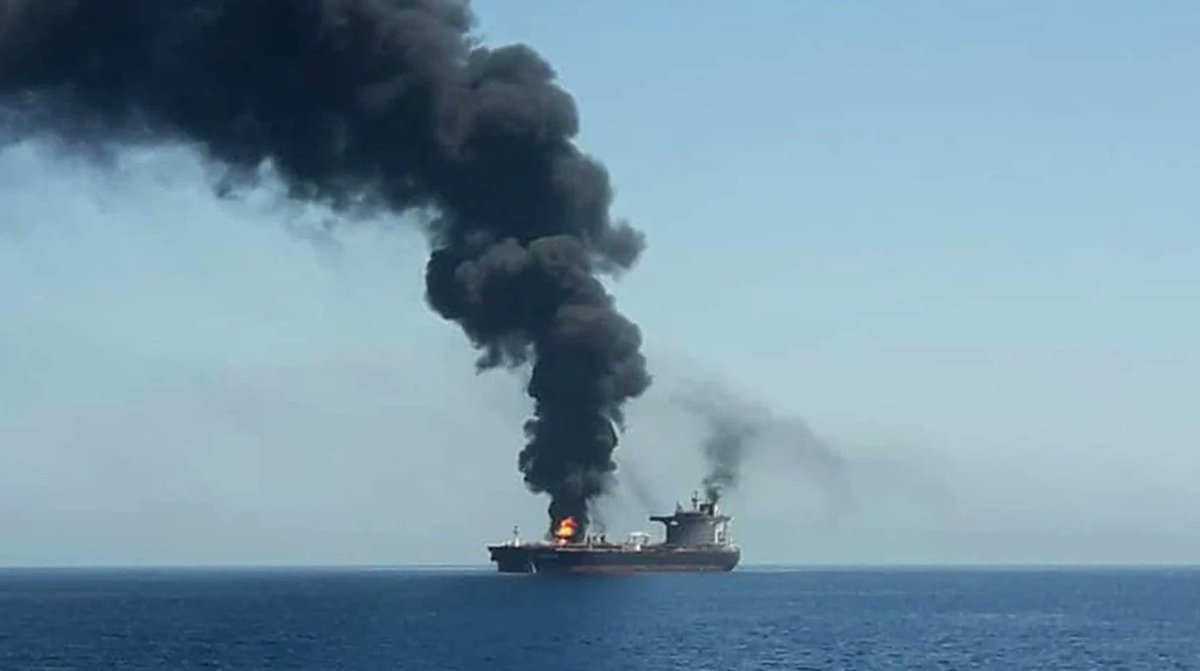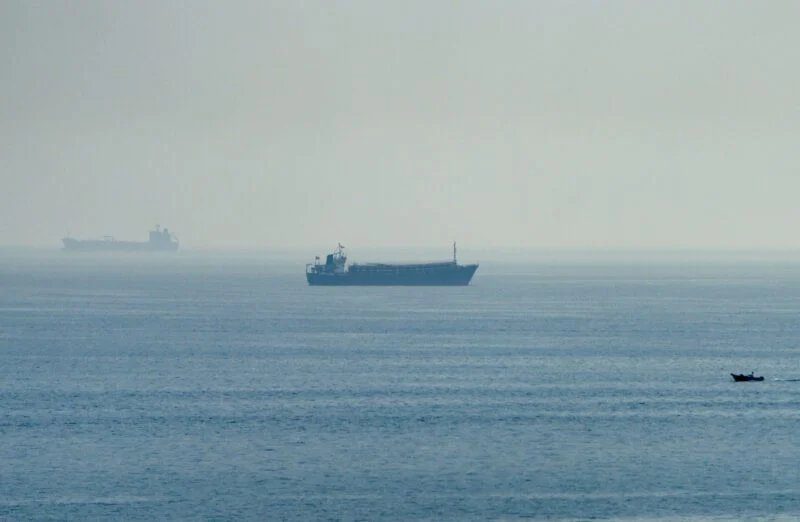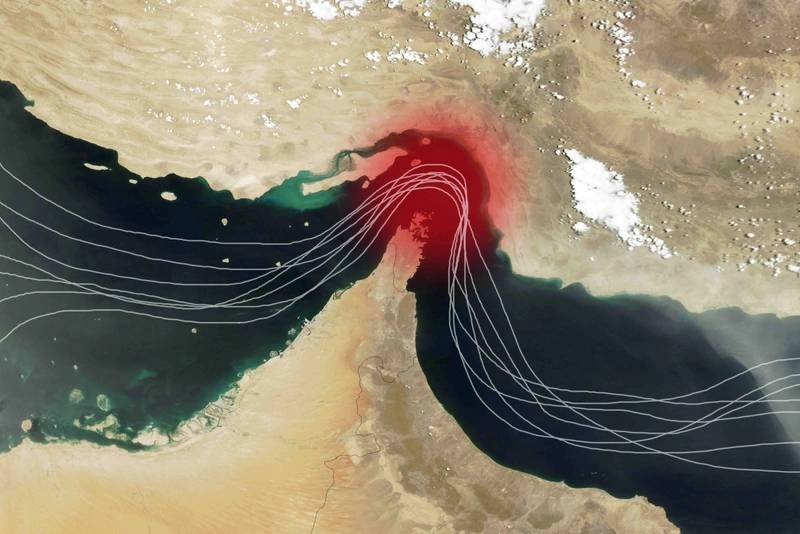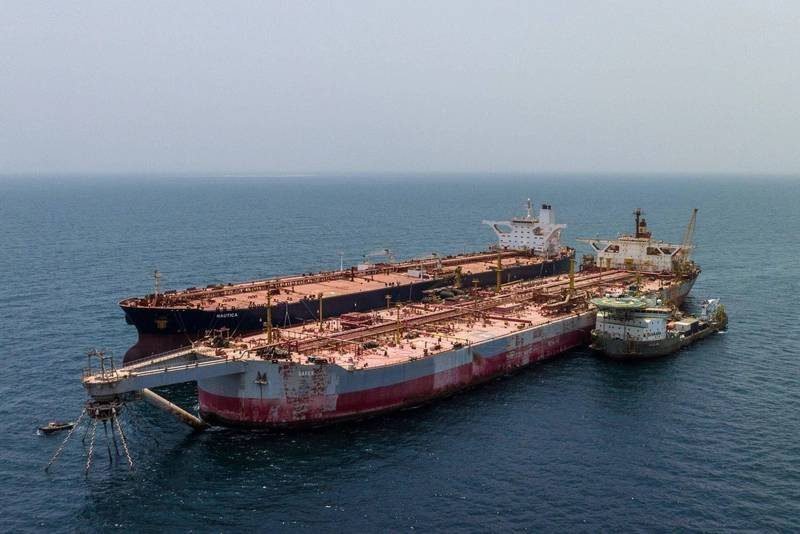
A new shuttling system is transforming the Middle East oil market as producers adapt to ongoing regional conflicts. Ship-to-ship (STS) transfers, where tankers offload crude onto larger vessels, have become crucial for Gulf producers facing disruptions from the Iran war. This method allows for safer transport, reducing risks associated with navigating the Strait of Hormuz. In September, exports through the strait reached approximately 6.5 million barrels per day, highlighting the industry’s resilience amid challenges.
The conflict has forced producers to innovate, with companies like Abu Dhabi National Oil Company (ADNOC) utilizing STS operations to maximize tanker efficiency. This approach has enabled continued exports despite a shortage of available vessels and rising shipping costs. For instance, UAE oil exports are projected to hit 3.6 million bpd in September, surpassing previous averages.
Saudi Aramco is also increasingly relying on STS transfers due to disruptions in alternative routes, such as the Bab el-Mandeb Strait and attacks on pipelines. As STS operations expand, they now account for around 40% of crude moving through Hormuz. However, this adaptation comes with heightened costs, as freight rates have surged dramatically, reflecting the growing inefficiencies in the Middle East’s oil trade.