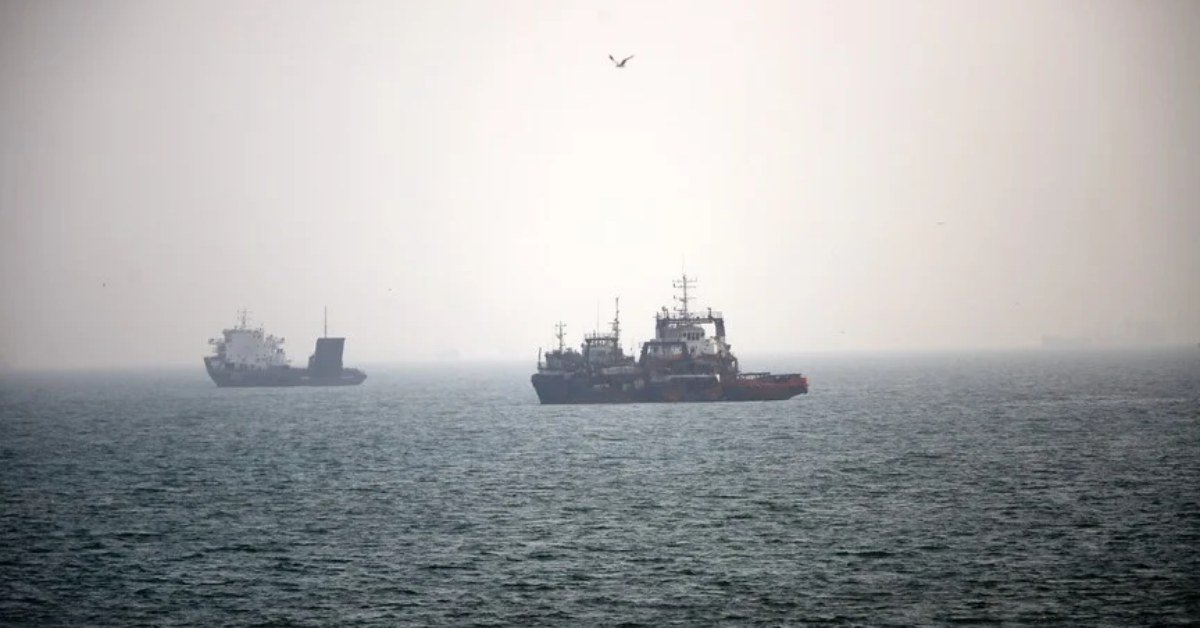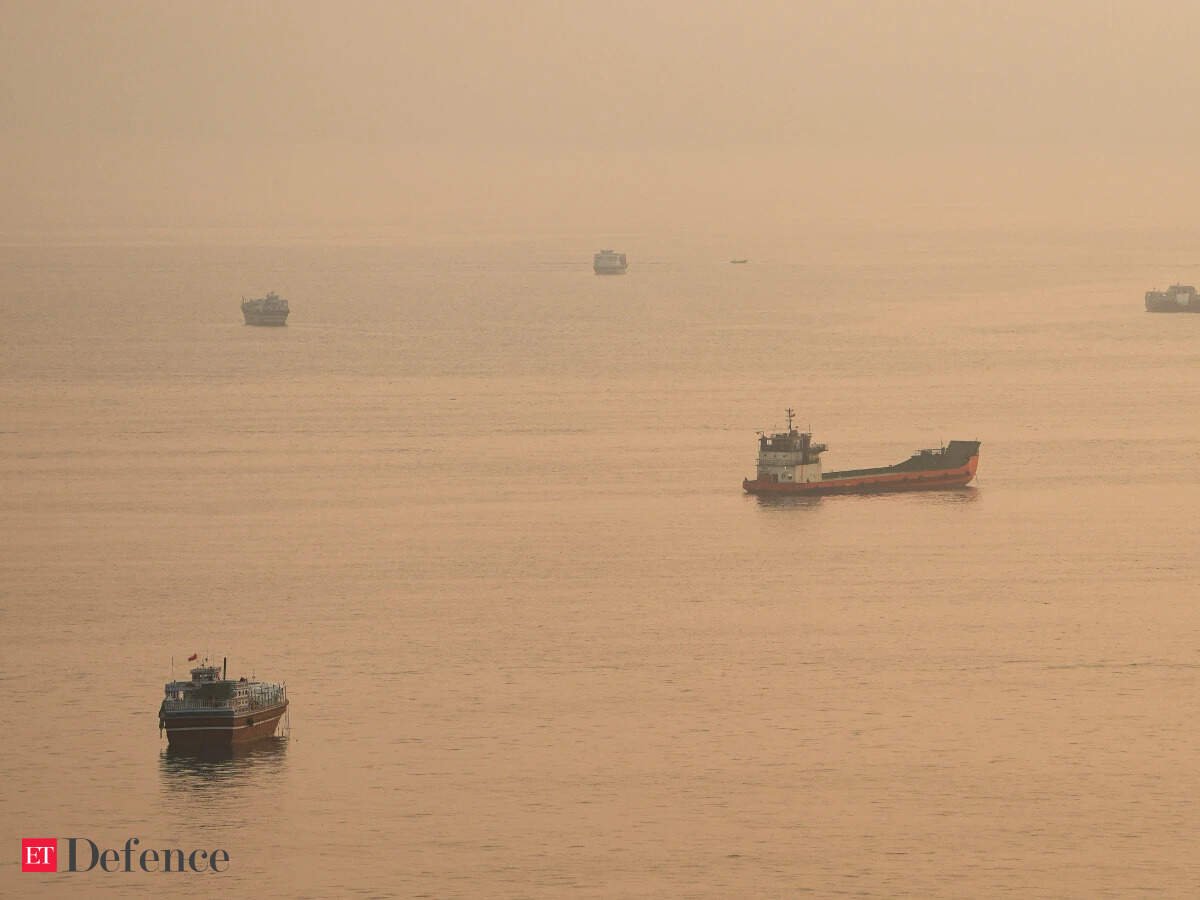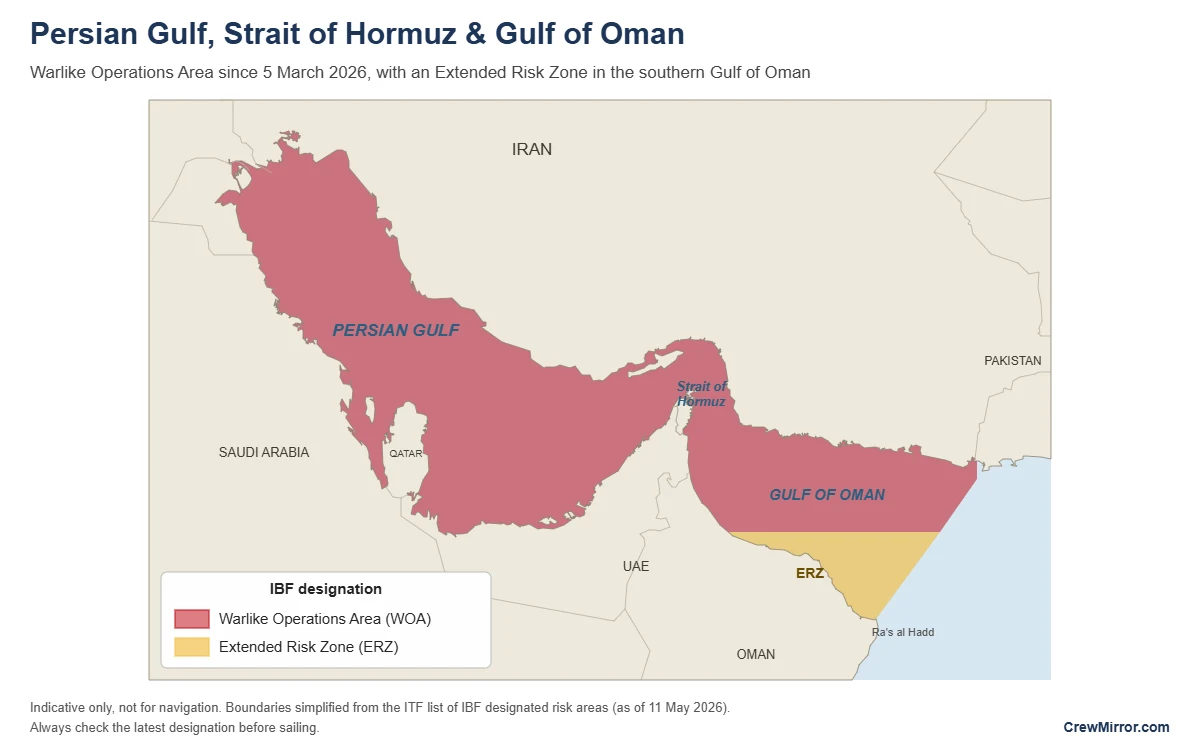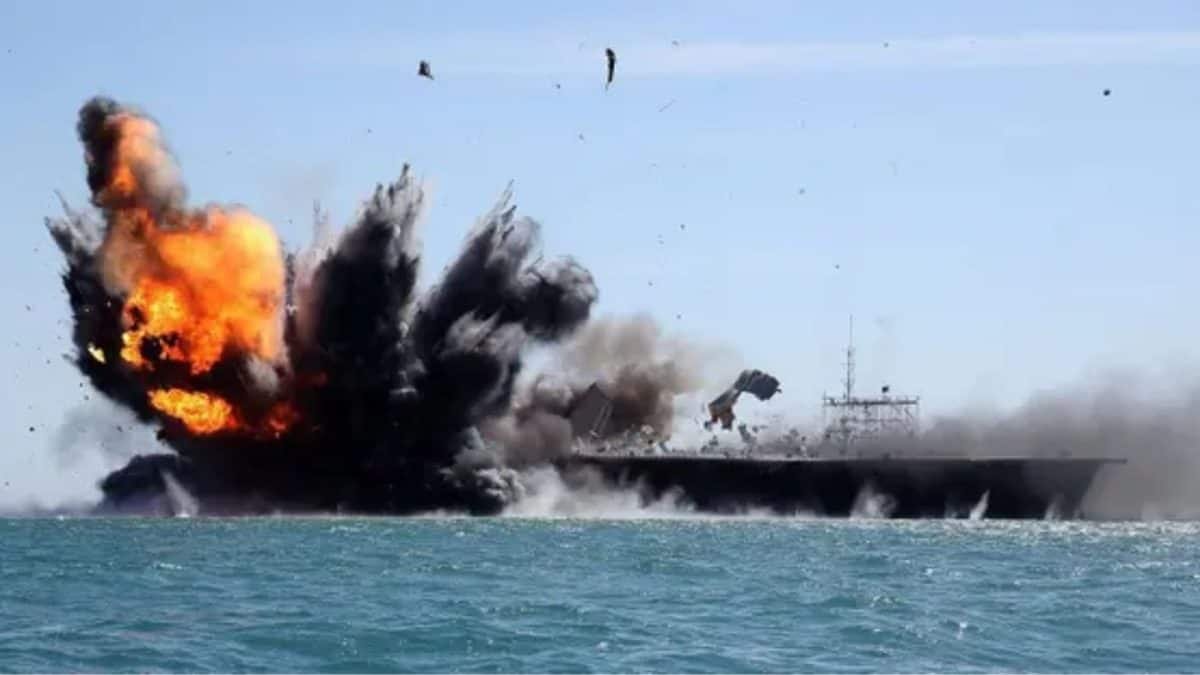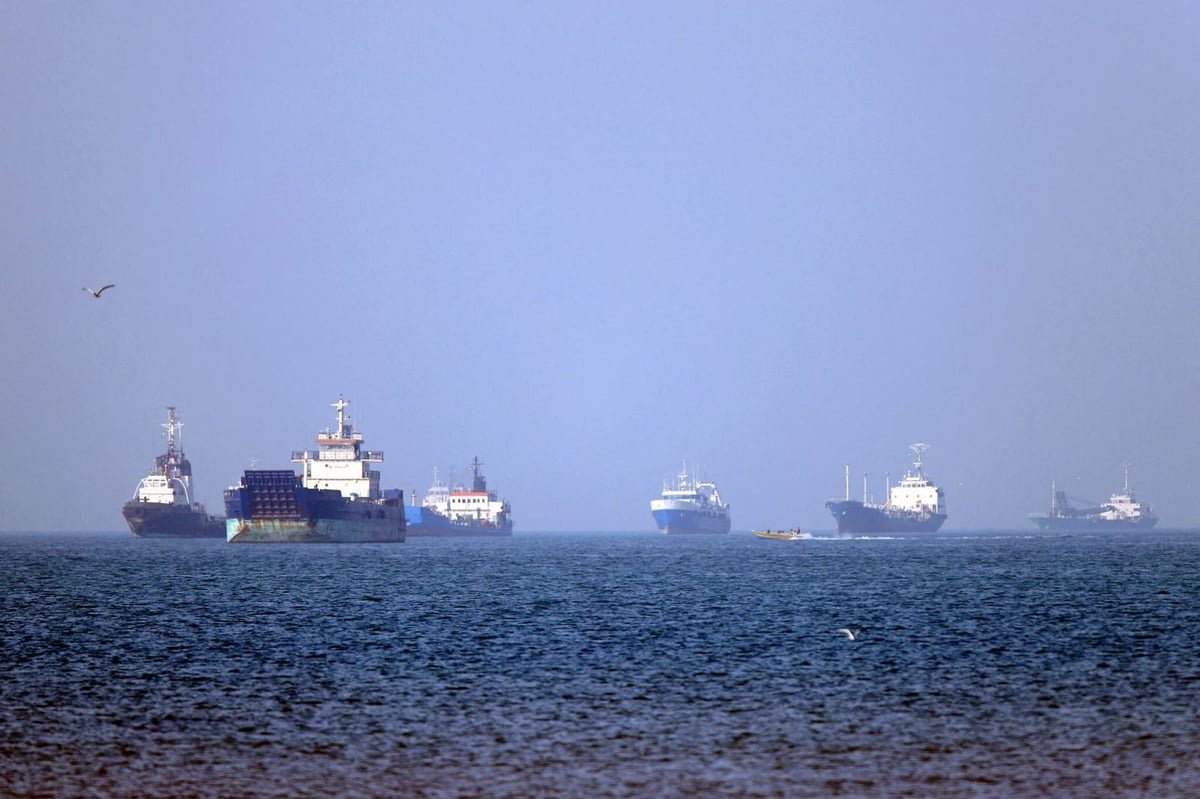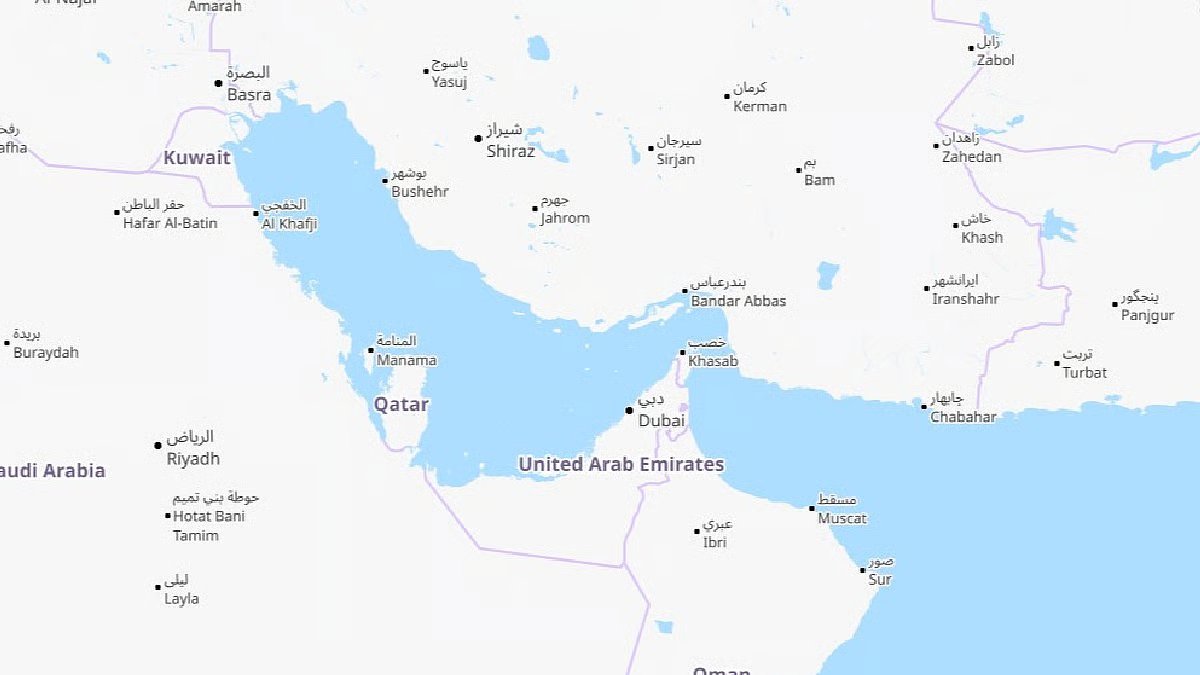
The potential collapse of U.S.-Iran peace talks and the inconsistent flow of tankers through the Strait of Hormuz pose significant challenges for Gulf nations seeking stability after months of conflict. The June 17 memorandum of understanding between Tehran and Washington, intended to foster recovery, is now giving way to chronic instability, raising concerns over the security of this vital energy route. Recent escalations, including Iranian attacks on Qatari and Saudi tankers and U.S. retaliatory strikes, have intensified fears, with crude oil prices surging nearly 6% to nearly $80 a barrel.
Despite both sides likely wanting to avoid full-scale war, the ongoing tensions create a volatile situation. Iran aims to assert its influence over shipping in the strait, signaling that any U.S. threats could impact global energy markets. Conversely, the U.S. and Gulf states are focused on maintaining freedom of navigation, setting the stage for a persistent crisis. As a result, traffic through the strait is expected to remain unpredictable, complicating operations for Gulf oil and gas producers.
This uncertainty is prompting buyers, particularly in Asia, to diversify their supply sources, potentially favoring U.S. or West African producers over Gulf supplies. For Gulf nations, this shift could severely impact cash flows and disrupt their integrated energy supply chains, especially as they try to resume production levels that were curtailed during the conflict. Ultimately, while temporary surges in exports may occur, a return to steady, predictable supplies from the Middle East seems unlikely.