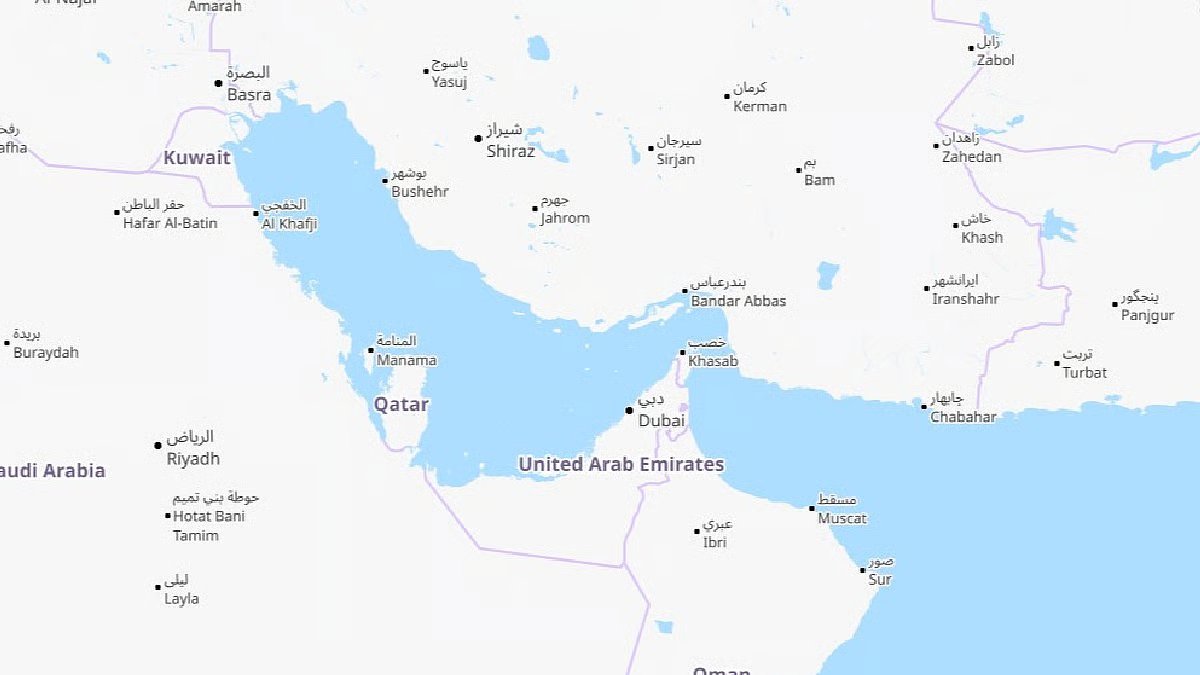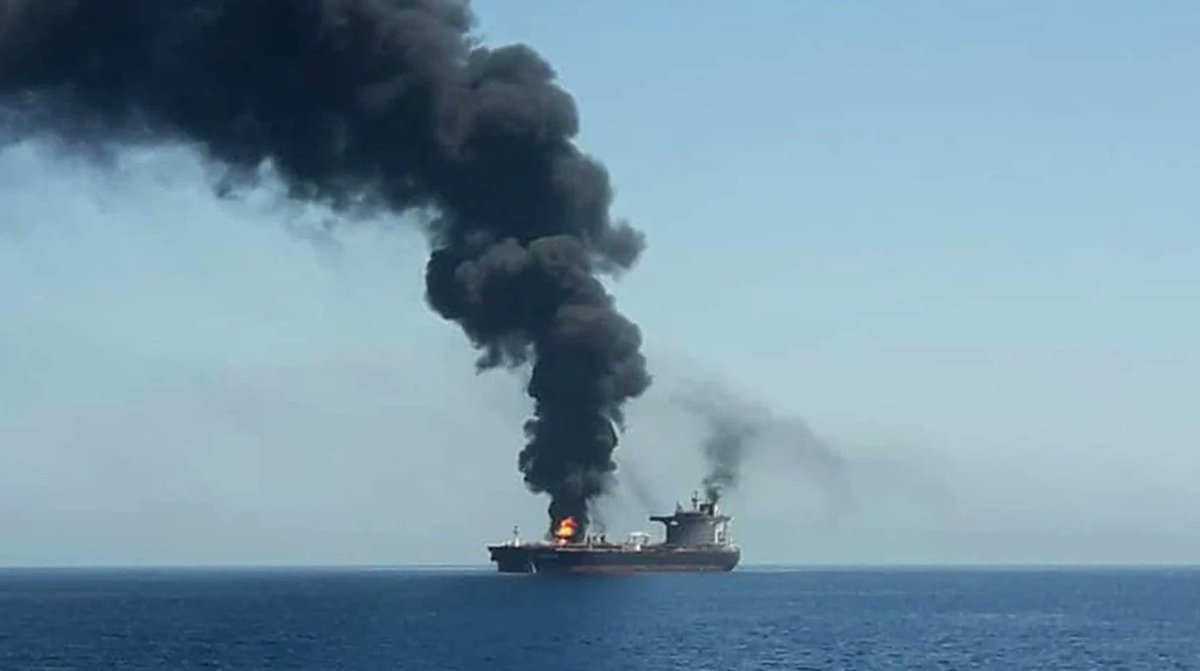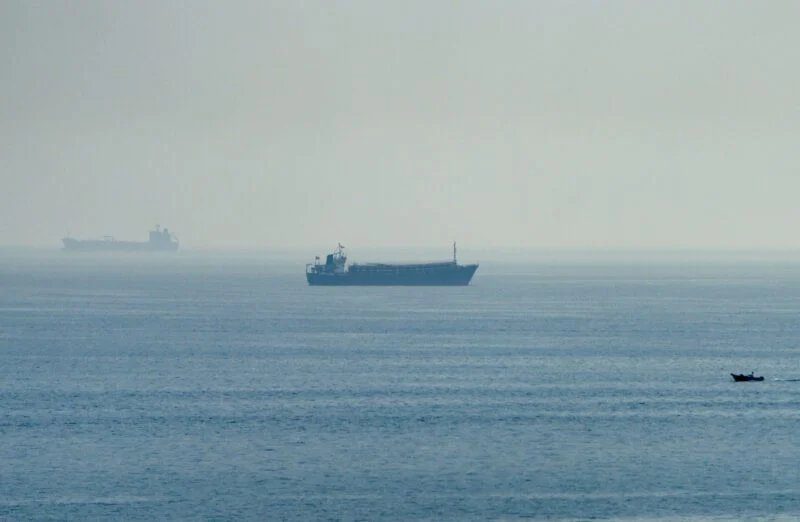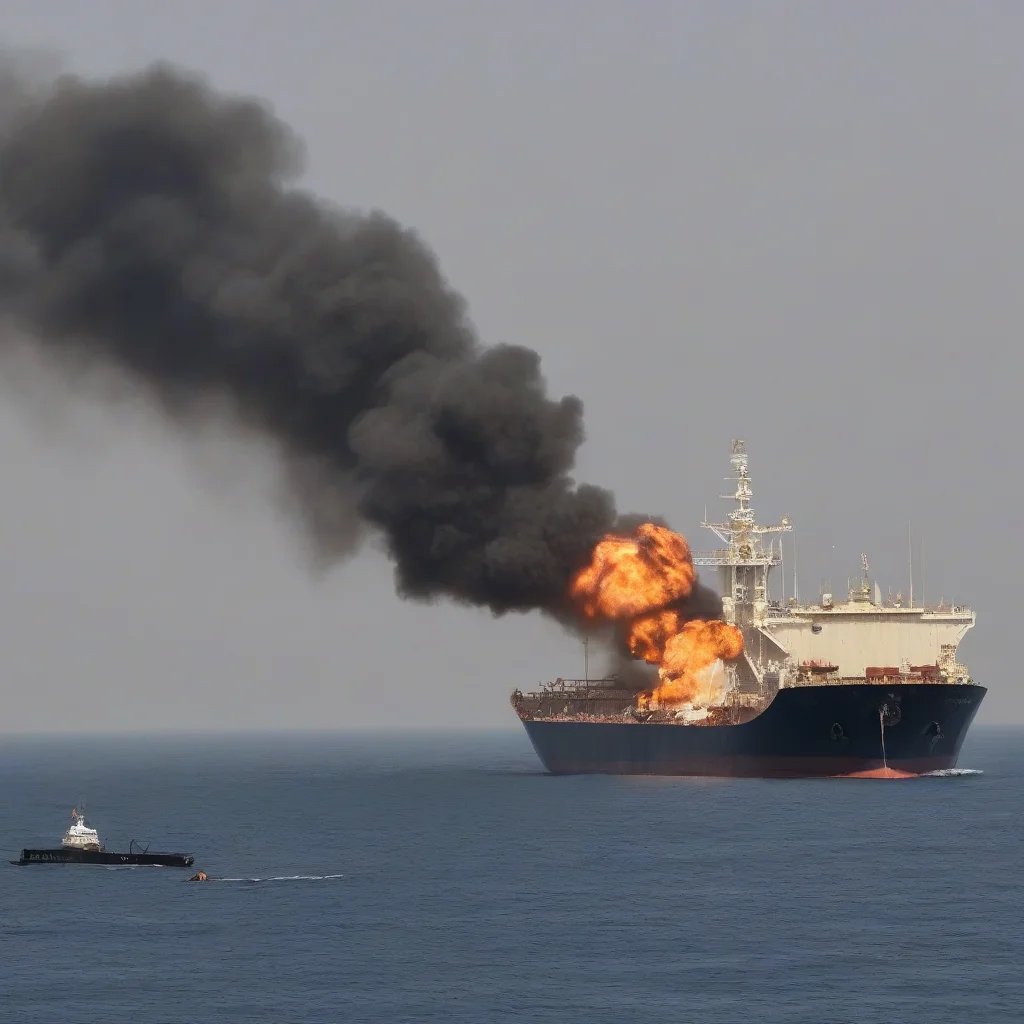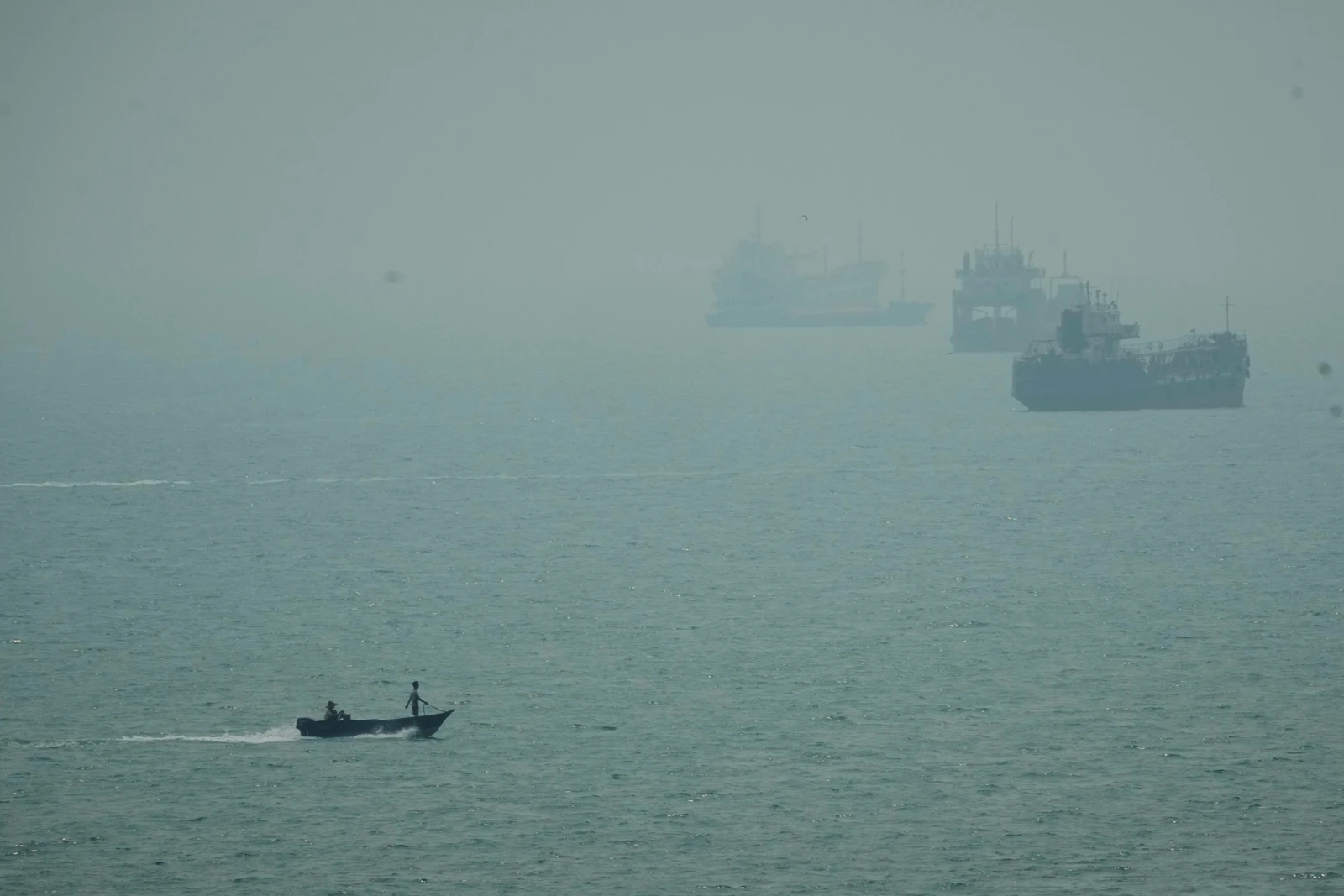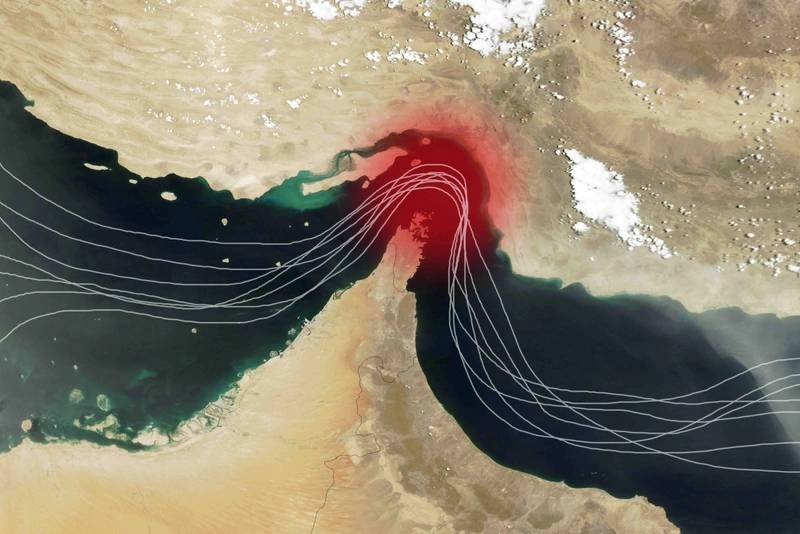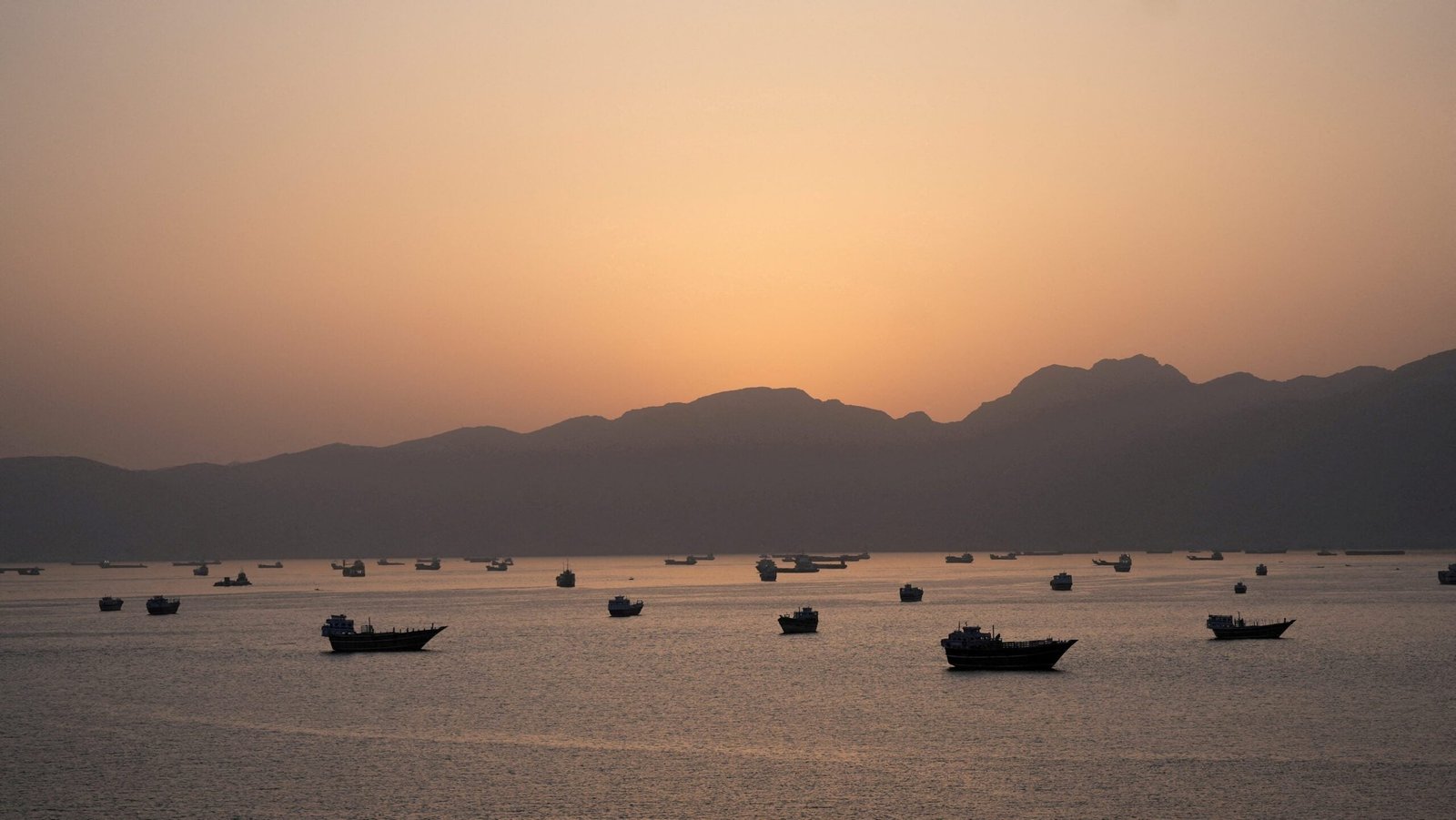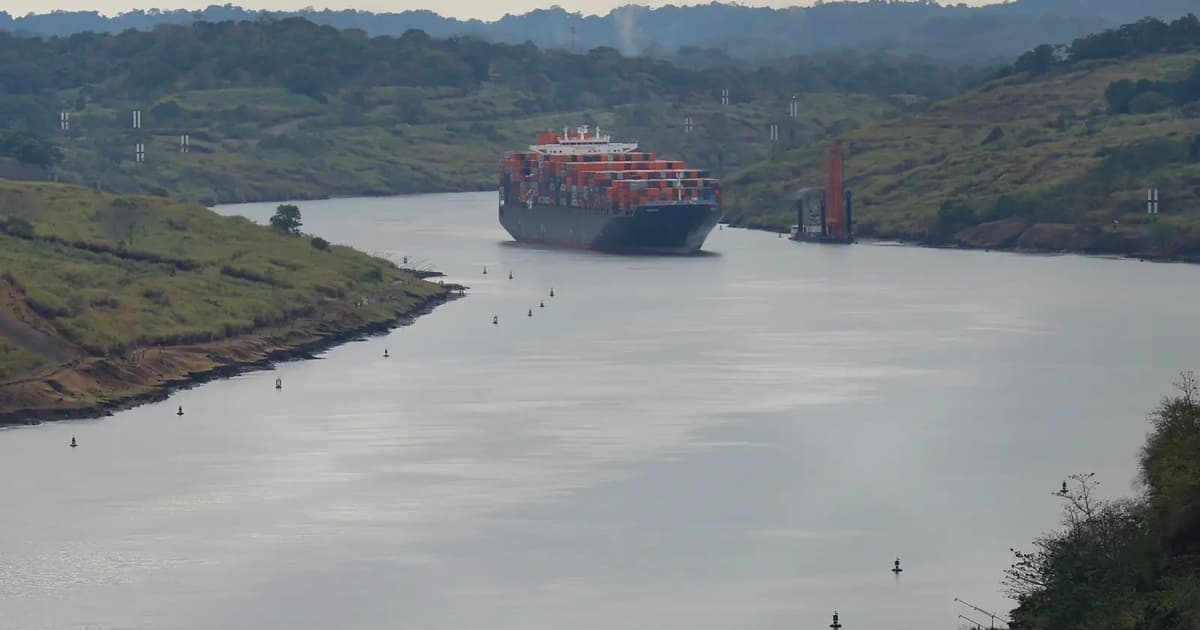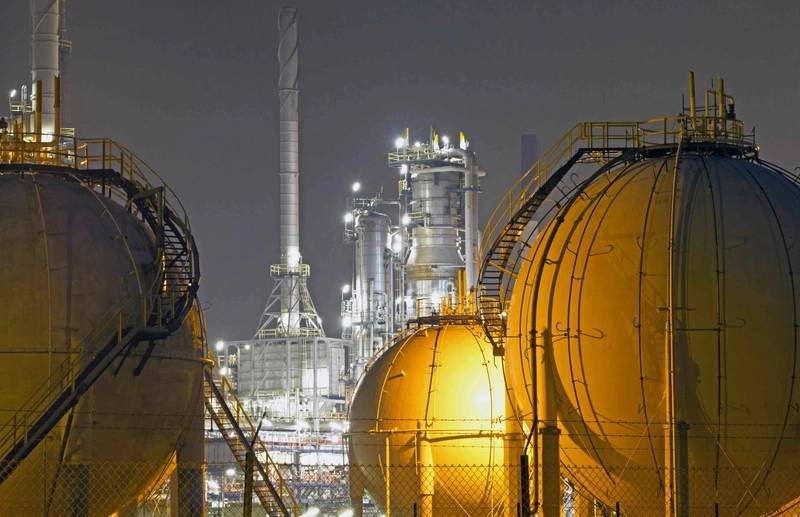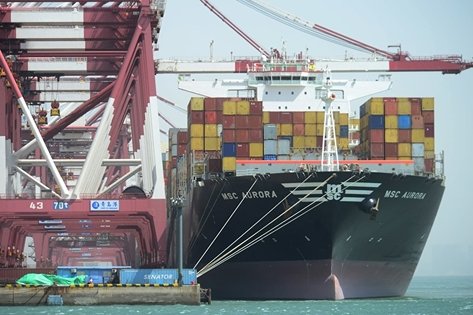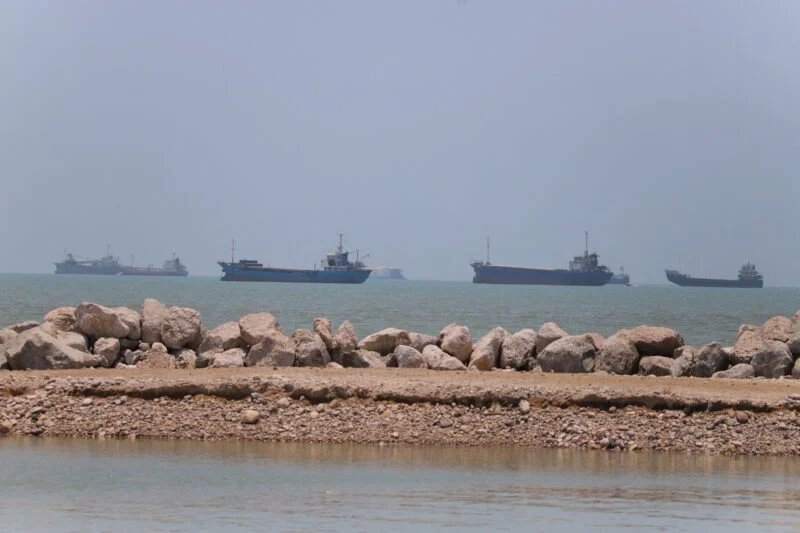
Shipping traffic in the Strait of Hormuz has significantly declined, with only 33 vessels reported transiting this week, down from 50 the previous week. The decrease is being observed amid ongoing negotiations between Iran and Oman over reopening this crucial waterway, vital for global oil transport.
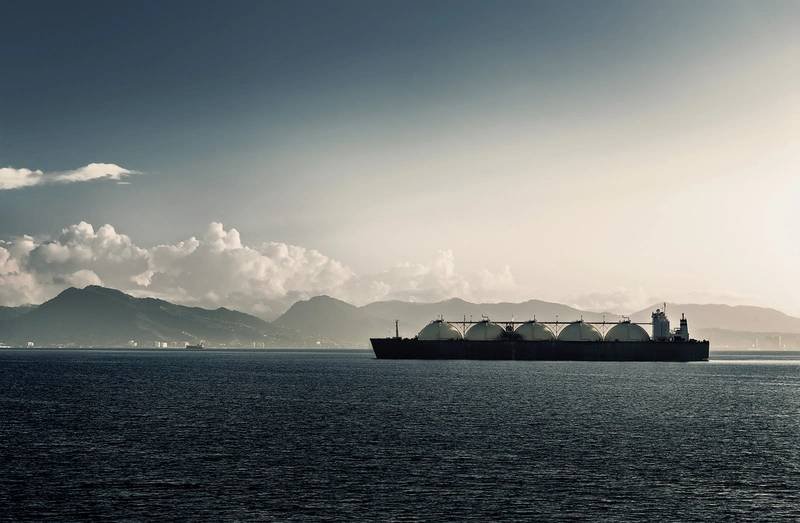
On Thursday, only four vessels crossed the strait, including the Nissos Kea, a large crude carrier transporting approximately 2 million barrels of Basrah crude from Iraq. The other vessels included two carrying liquefied petroleum gas and one smaller bulk carrier. So far this week, just six crude oil tankers have departed the strait, while 21 have entered, predominantly through Iranian routes.
Despite interest from several Chinese and Indian refiners in securing vessels to load crude at Iraq’s Basrah Oil Terminal, no agreements have been finalized due to shipowners’ apprehensions about entering the strait, exacerbated by harsh U.S. sanctions. Meanwhile, Iraq’s state oil marketer, SOMO, has been offering substantial discounts on crude for August loading.
Typically, around 130 to 140 vessels would navigate the strait, but tensions following the U.S.-Israeli conflict, initiated on February 28, have disrupted normal operations. The feasibility of a proposed deal allowing Iran to oversee ships entering the Gulf faces hurdles due to restrictive sanctions and payment insurance issues.