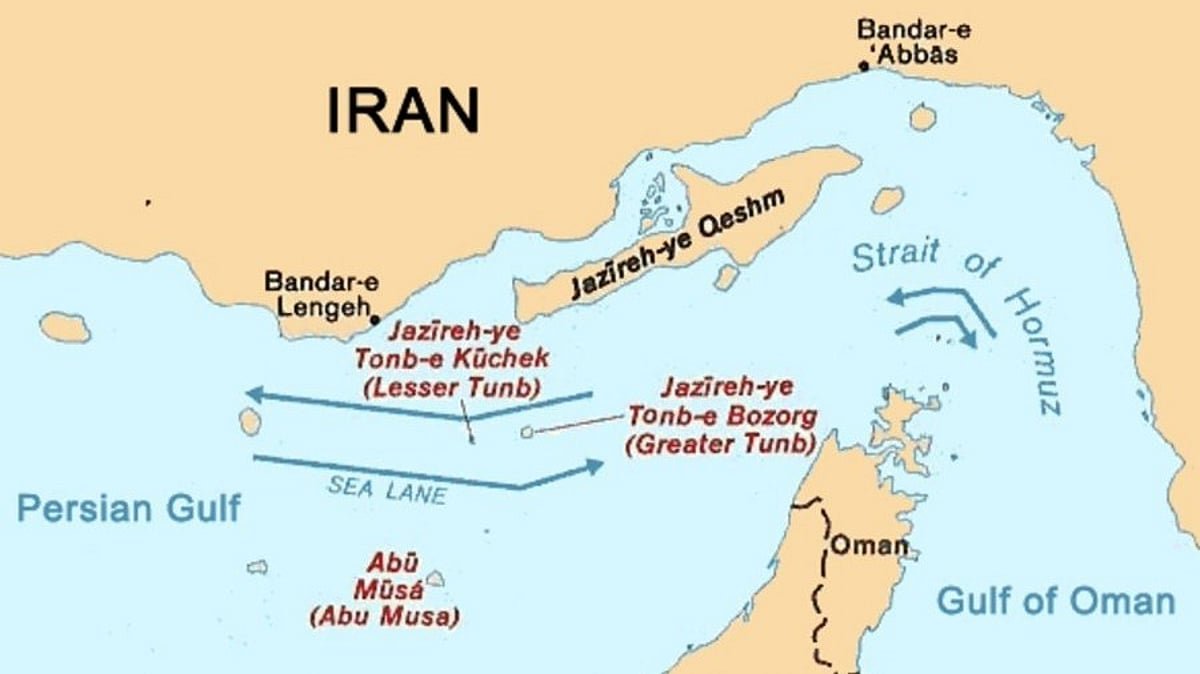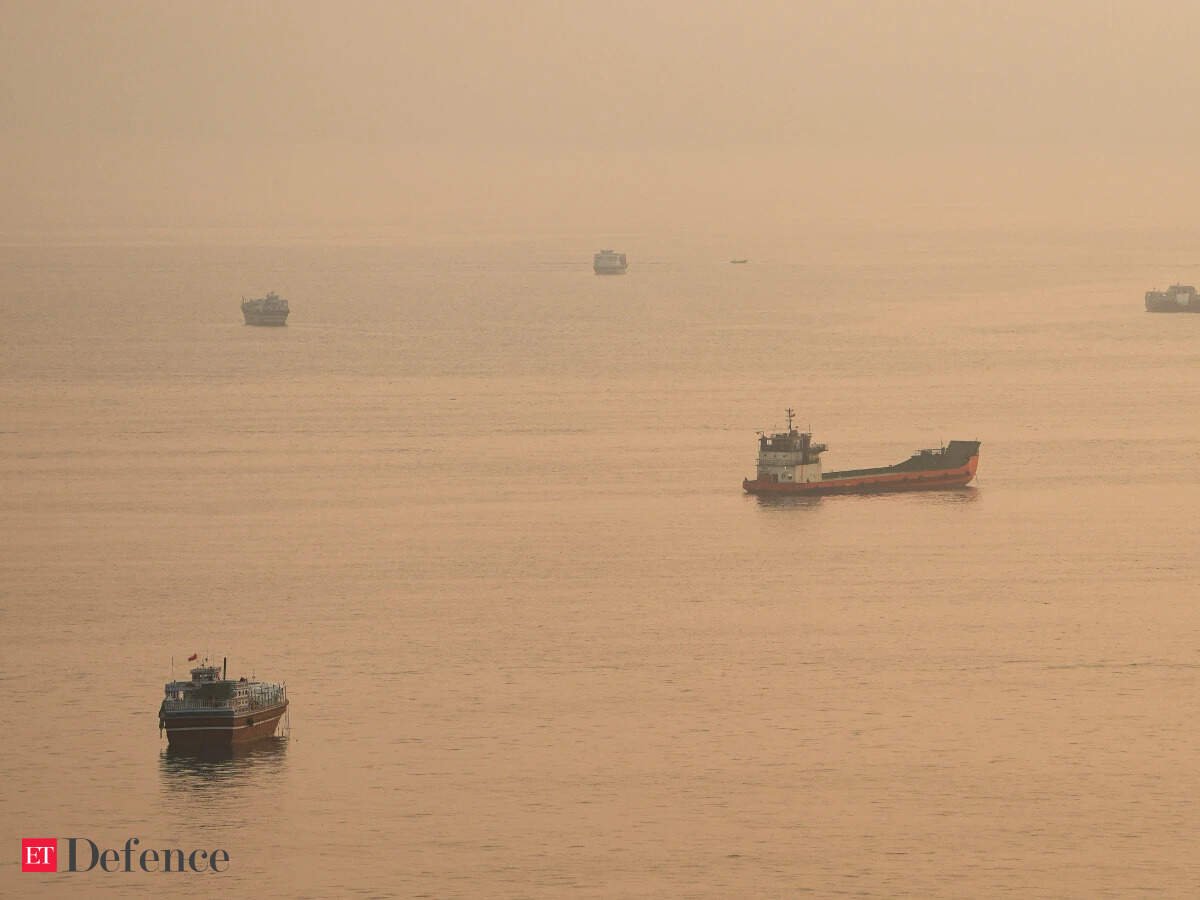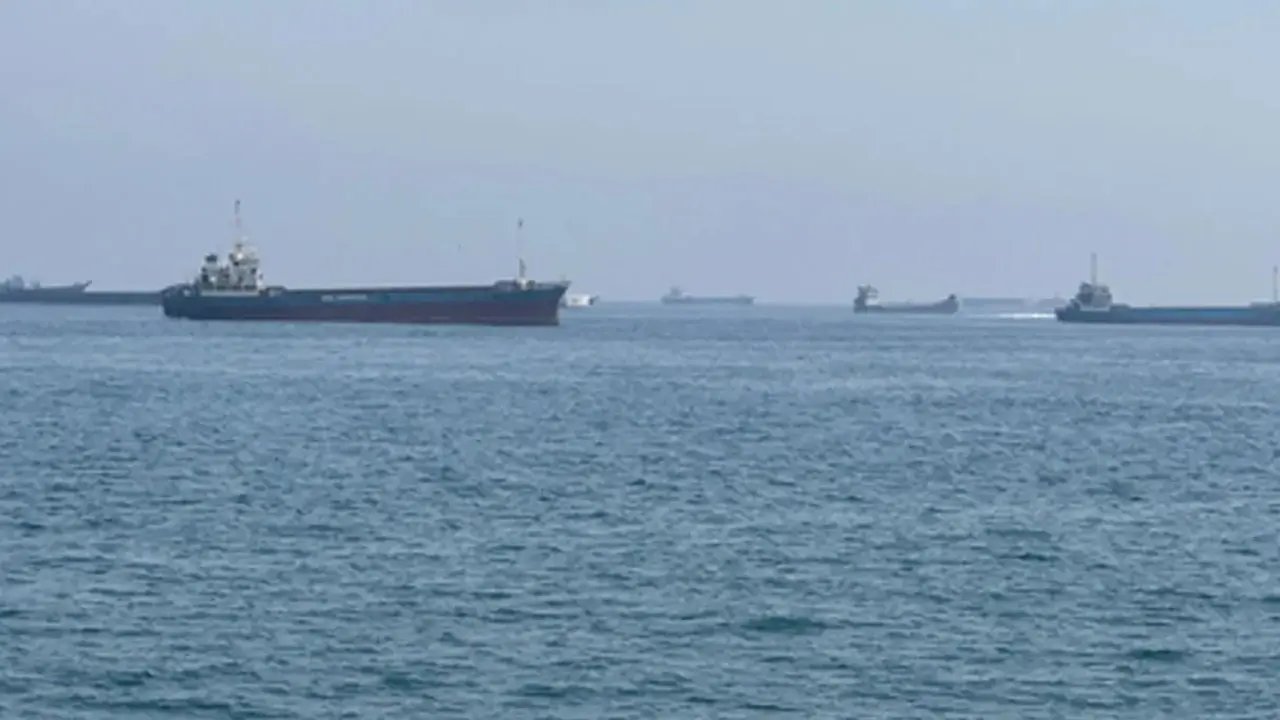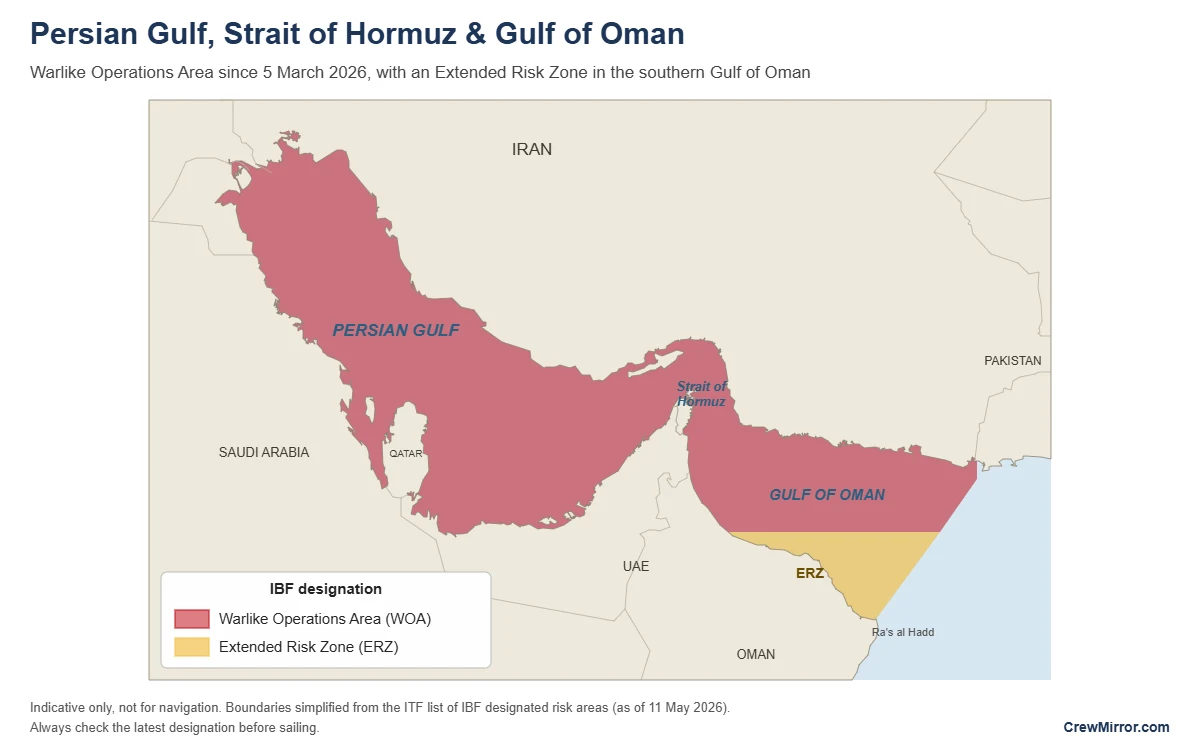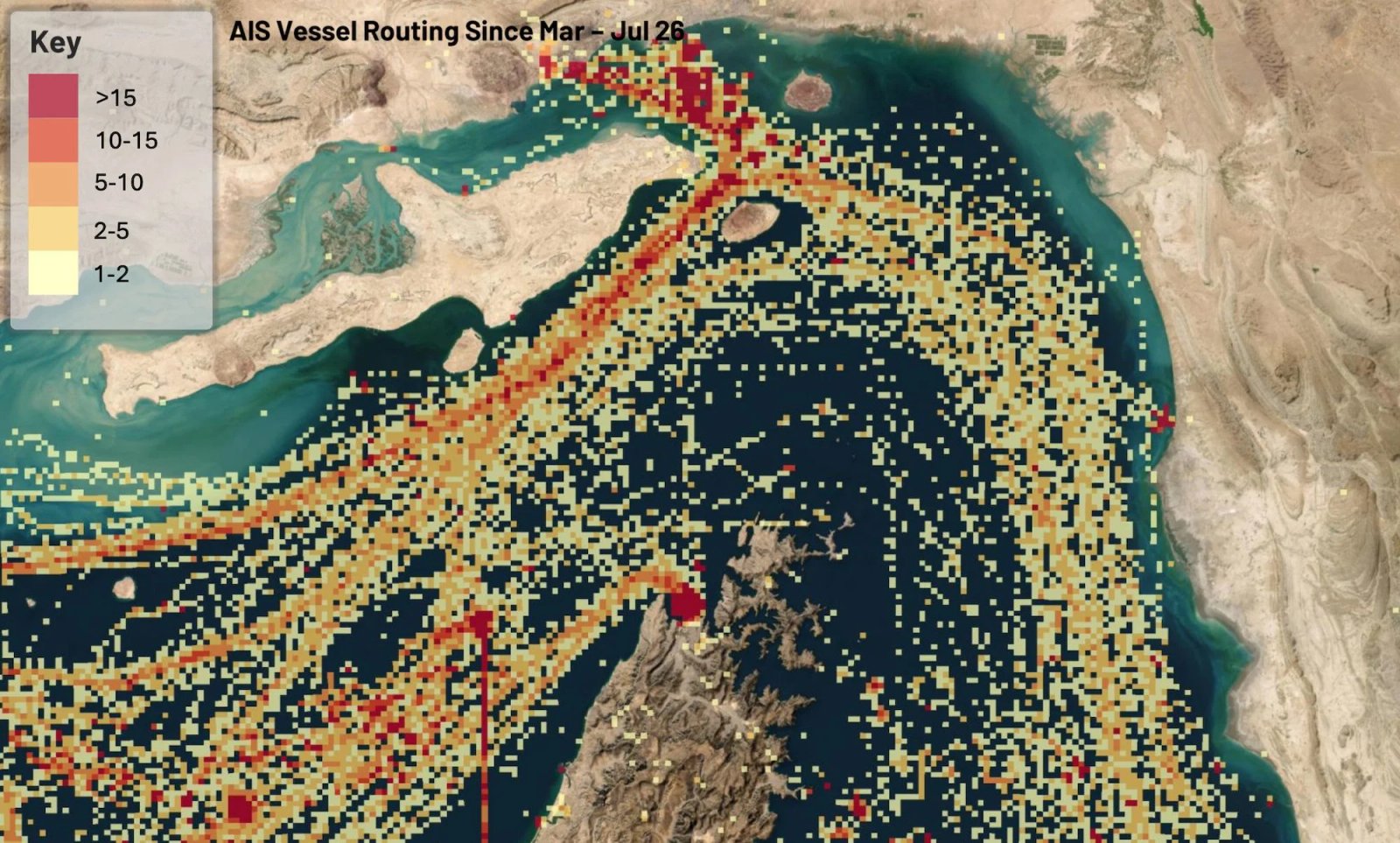
Iranian attacks on commercial shipping are increasingly steering vessels away from a U.S.-coordinated route through Omani waters and towards the northern corridor controlled by Tehran. Recent assessments by the UK Maritime Trade Operations (UKMTO) reveal a marked rise in projectile strikes, with 16 of the 18 attacks reported since July 6 occurring in the Omani corridor. As a result, vessel traffic in the Strait of Hormuz remains significantly depressed, despite a slight rebound in late June, with operators now favoring the Iranian-controlled route amid growing security concerns.
The navigation dynamics have shifted notably, as the northern route through Iranian waters is overseen by Iran’s Persian Gulf Strait Authority, contrasting starkly with the U.S.-coordinated southern corridor. UKMTO warns that ships traversing Hormuz may receive instructions to divert to the Iranian route, reflecting a growing trend of risk avoidance among shipping companies. Data suggests multiple vessels have altered their planned routes or aborted transits due to recent attacks, with tankers comprising the majority of the limited traffic currently active in the strait.
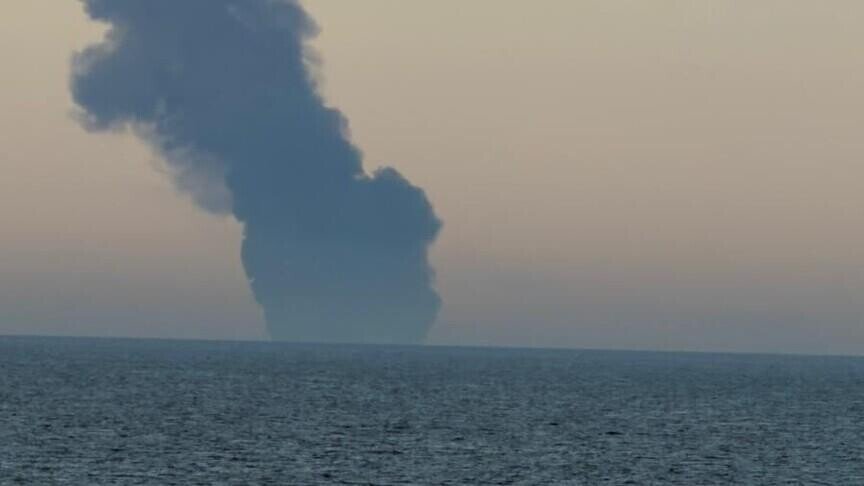
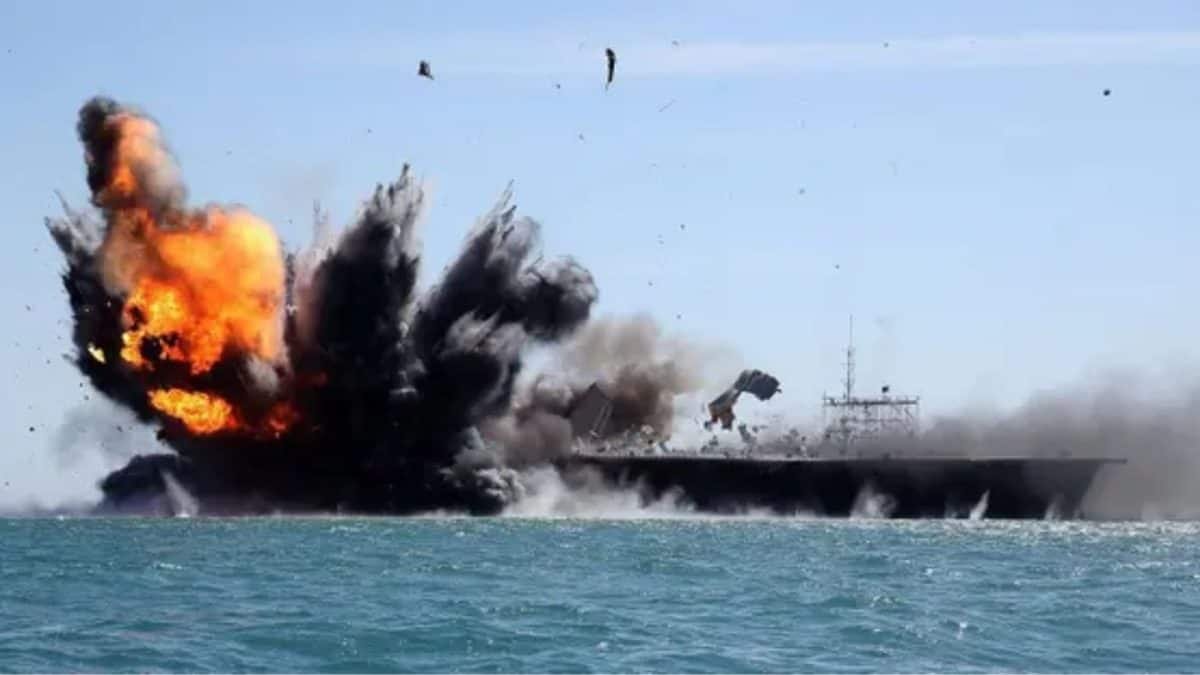
UKMTO has documented 20 projectile strike incidents since early July, primarily damaging engine rooms, which raises safety concerns for ships navigating the narrow waterway. Recent attacks, including drone strikes on two tankers linked to the Abu Dhabi National Oil Company, have heightened tensions, with ownership disputes blamed on Iran. Overall, vessel traffic remains drastically reduced, approximately 90% below pre-conflict levels, as operators navigate precarious conditions amid ongoing hostilities in the region.