Today’s global trade resembles a turbulent water slide rather than the smooth flow of traditional shipping routes. Amid this chaos, certain alternative subcontinent ports are emerging as significant players in the shipping industry. These sub-hub ports, which facilitate cargo transfers, have become crucial as shipping companies are forced to navigate away from regions laden with geopolitical risks, reshaping their shipping networks.
With disruptions in the Middle East, vessels are increasingly rerouting around Africa and seeking alternatives to war-affected waterways like the Strait of Hormuz. Consequently, ports that were once on the periphery are now gaining strategic importance in global trade. According to data from Sea-Intelligence, alternative ports have seen improved connectivity, especially during periods of crisis. For example, ports in East Africa and the Indian Subcontinent, such as Dar Es Salaam and Hambantota, are now vital hubs as carriers seek to bypass conflict zones.
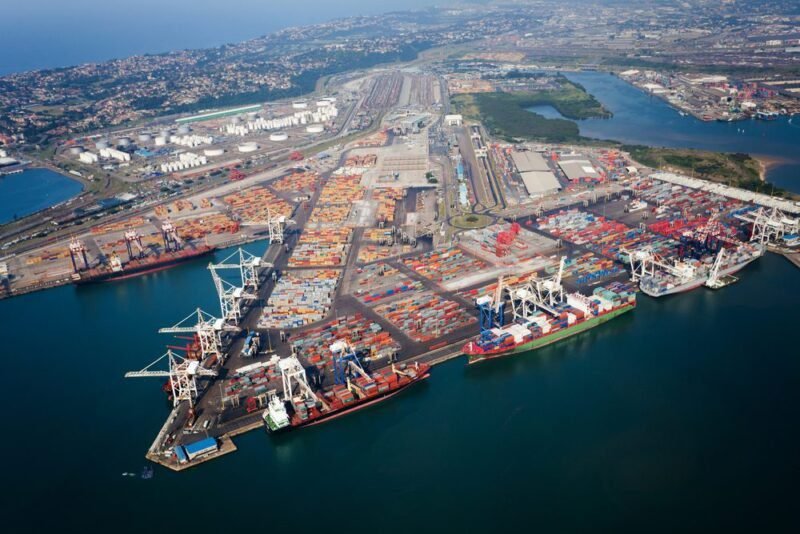
Shipping companies are responding to these changes by establishing longer routes while transitioning their operations toward southern African and Mediterranean ports. With this shift, Walvis Bay has effectively become an alternative to the overcrowded Durban, while ports along the Gulf of Oman have recorded impressive growth in connectivity. Such transformations highlight the adaptability of ocean carriers, who are harnessing these alternative routes to gain a foothold in an unpredictable global landscape.