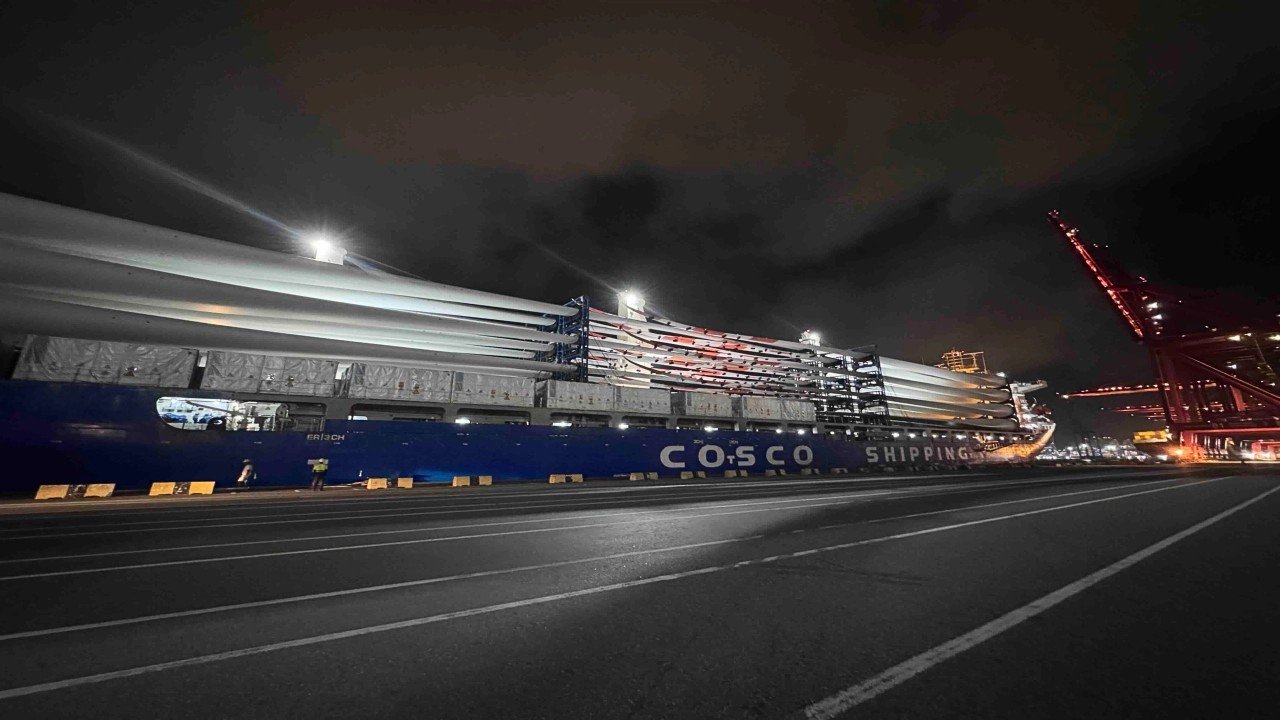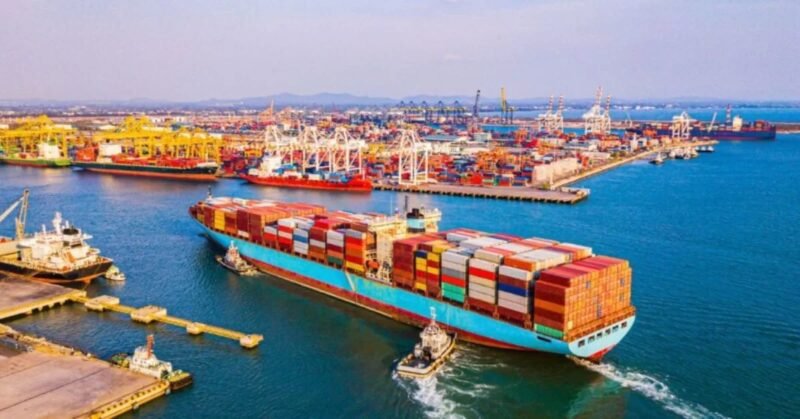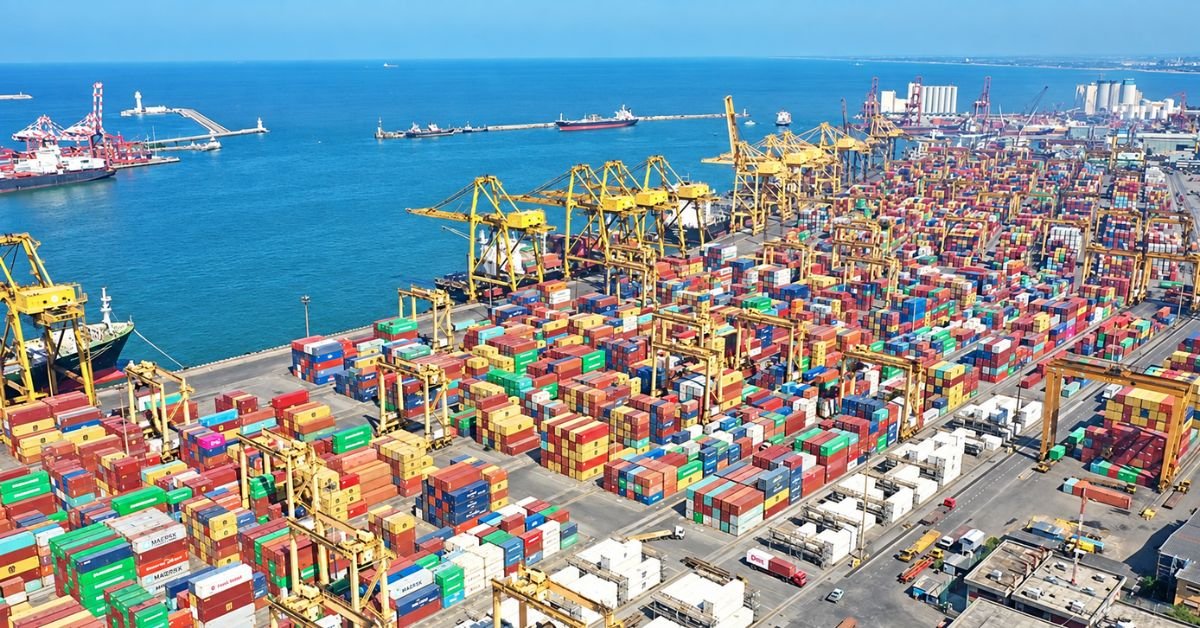
Congestion at the Port of Colombo is projected to last another two weeks, as vessel turnaround times at deep-draft terminals have reached up to six days. This bottleneck is largely due to a surge of cargo diverted from the Gulf, overwhelming the limited number of berths suited for large vessels. Adverse weather conditions, including strong winds, are complicating operations, particularly at the Colombo International Container Terminal (CICT) and Colombo West International Terminal (CWIT). While the South Asia Gateway Terminal and Jaya Container Terminal operate close to normal, extreme demand is for deeper drafts available at CICT and CWIT.
Delay reports from shipping lines indicate berthing hold-ups of 24 to 36 hours for contracted vessels, exacerbated by high yard density and a backlog of inter-terminal transfers. Such congestion extends beyond Colombo, affecting major Indian subcontinent ports, including Nhava Sheva and Mundra, where yard densities and delays are similarly high.
Despite these challenges, the port has witnessed a 7.3% year-on-year increase in container throughput, reaching 774,513 TEUs in July. Colombo has risen significantly in global rankings, now placed 20th among container ports, and the expected expansion of terminal capacity later this year may help alleviate ongoing congestion challenges.