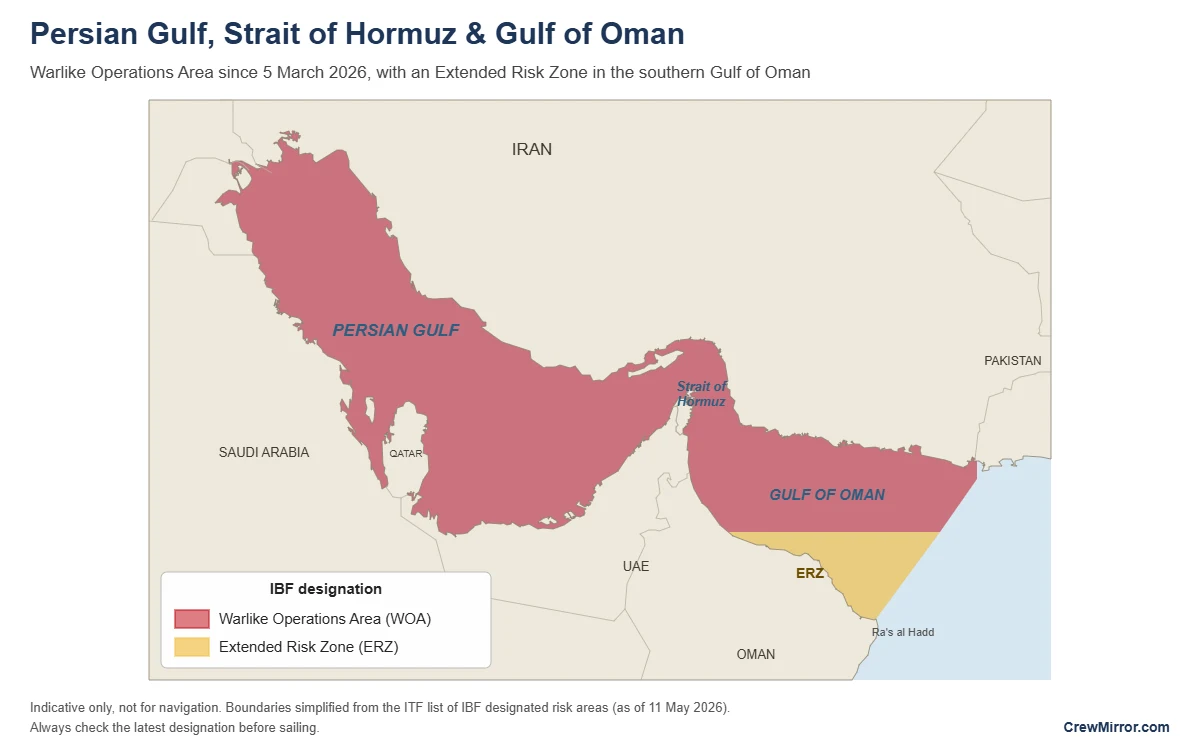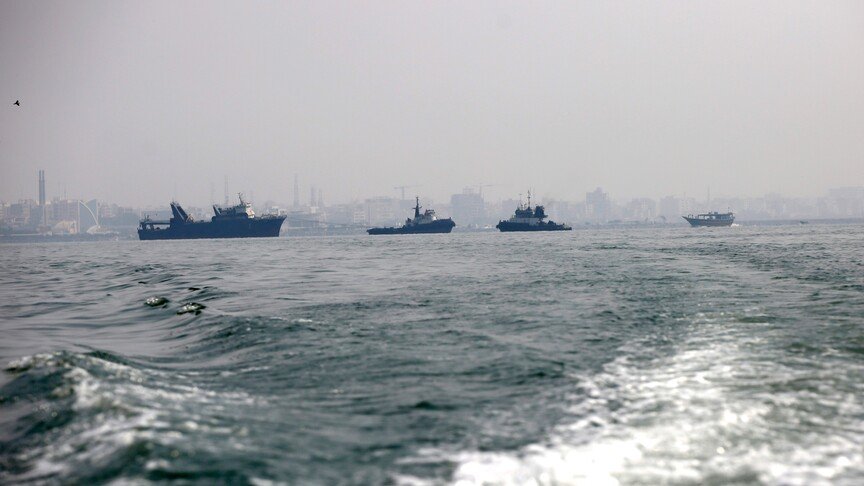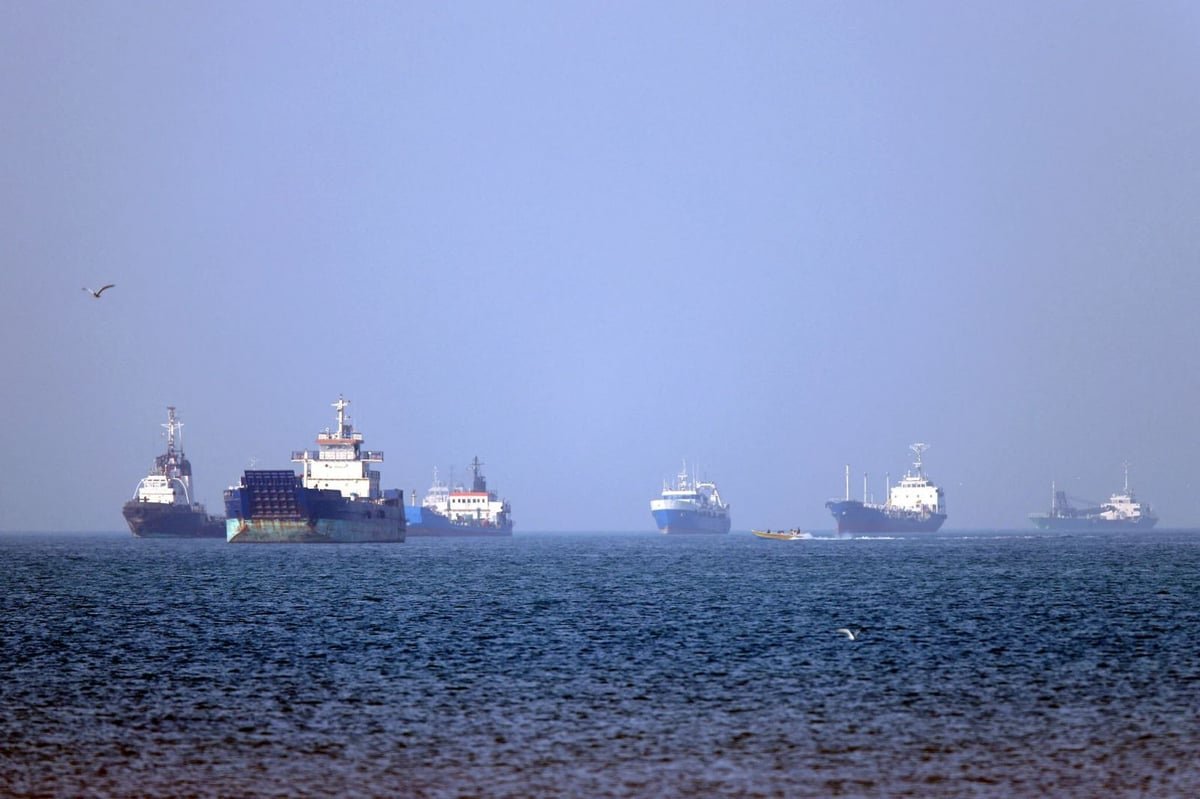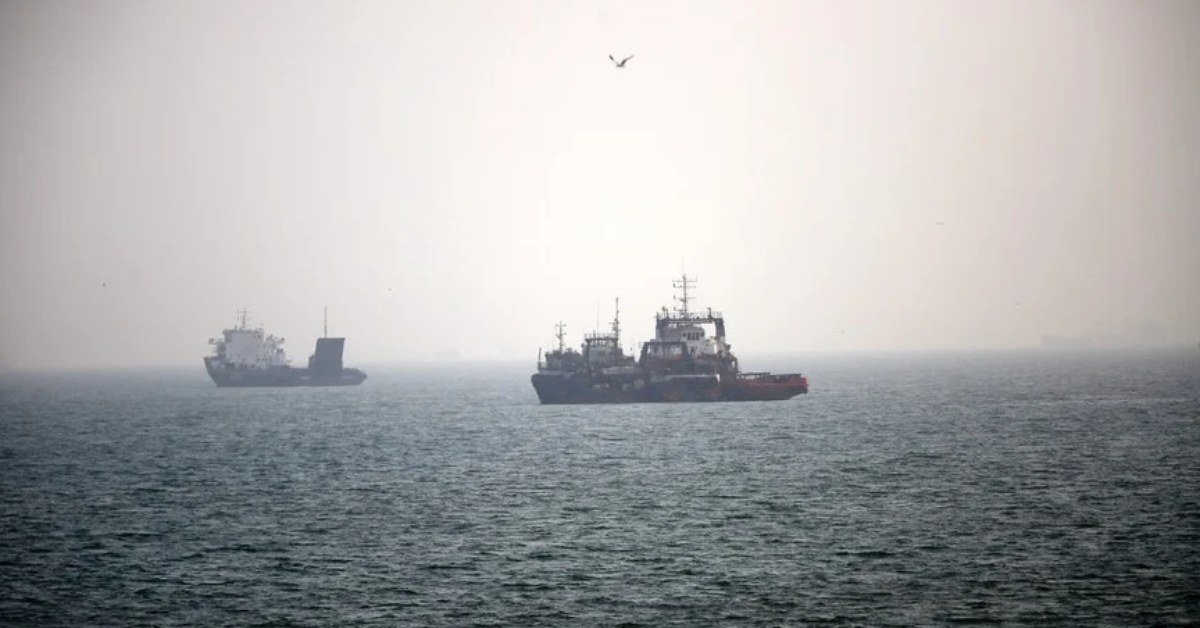
Iran’s Foreign Minister Abbas Araqchi recently reaffirmed the nation’s willingness to reopen the Strait of Hormuz within one week, stressing that the proposal remains valid. This initiative was initially put forward in mid-September following the collapse of a temporary ceasefire. While Iran acknowledged receiving a response from the United States, Araqchi noted that discussions have since stalled due to Washington’s failure to meet all seven conditions outlined by Tehran for reopening the strait.
Araqchi emphasized that the path to reopening hinges on the US demonstrating genuine commitment, which he feels has been lacking. Among Iran’s demands are the lifting of the US blockade on its ports, the removal of sanctions affecting its oil exports, and a cessation of hostilities across the region. Should the US agree to these terms, the strait could potentially reopen in six days, with subsequent negotiations commencing immediately after.
One major point of contention has been the US’s insistence on addressing Iran’s nuclear program from the outset of discussions. US Vice President JD Vance previously stated that Iran needs to significantly reduce its uranium enrichment capacity to fulfill American expectations and end the prolonged conflict between the two nations. Iran, however, maintains that initial talks should focus specifically on achieving security and reopening the vital waterway through which a significant portion of global oil and liquefied natural gas trade flows.