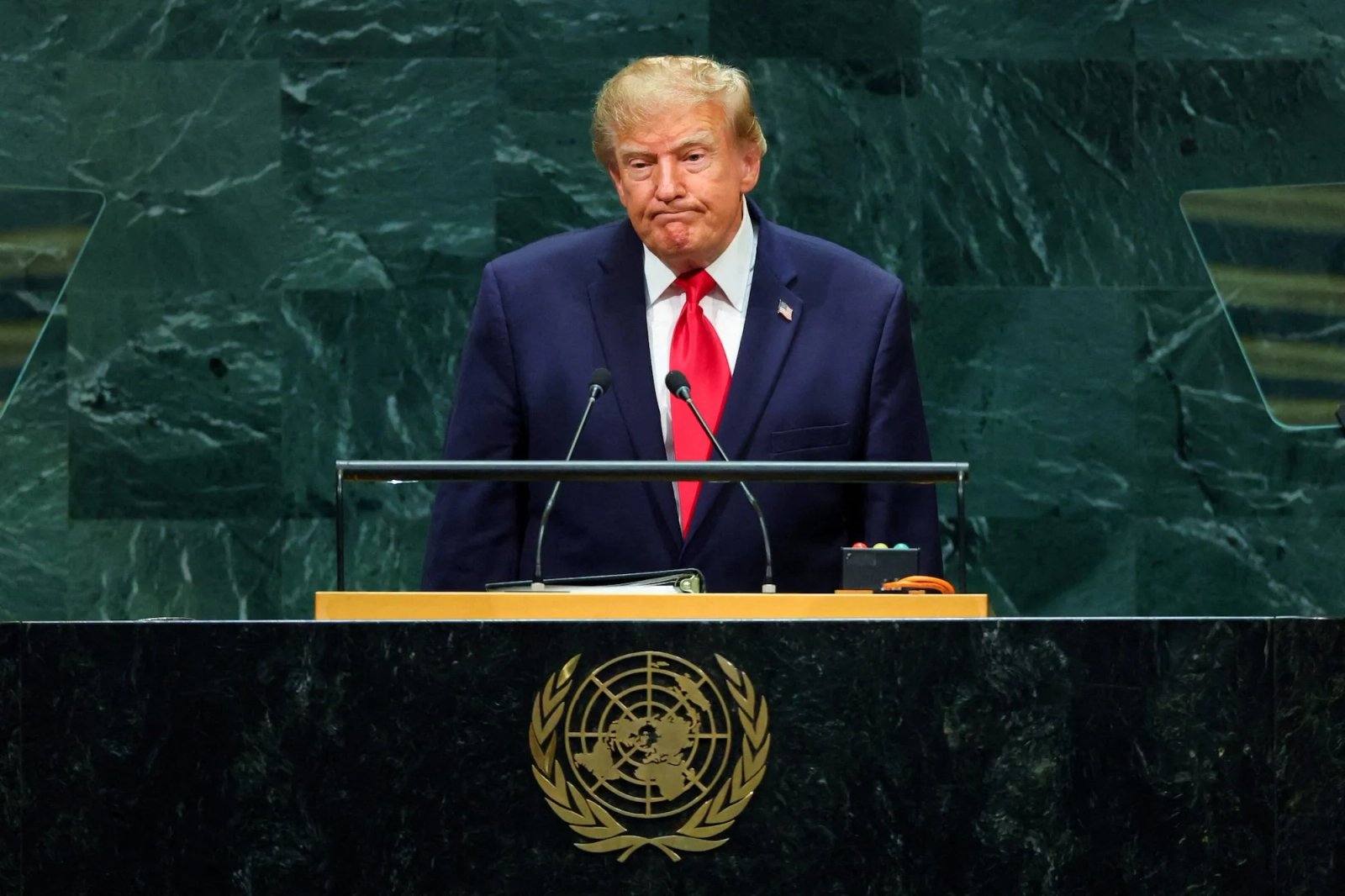
At the United Nations on September 22, U.S. President Donald Trump emphasized the need for comprehensive economic isolation of Iran, indicating no willingness to reinitiate discussions during the General Assembly. He expressed a belief that a deal might be achievable post midterm elections in November, while a senior Iranian official suggested that negotiations could be revived, contingent on the U.S. easing military pressures.
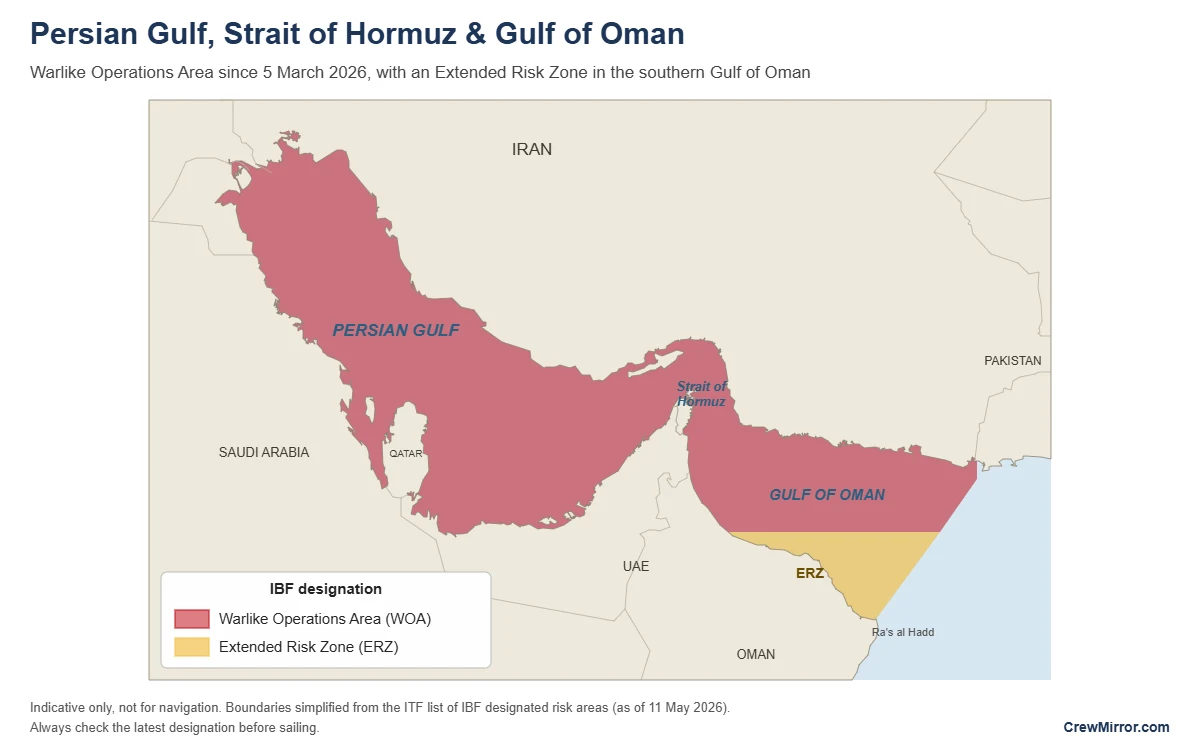
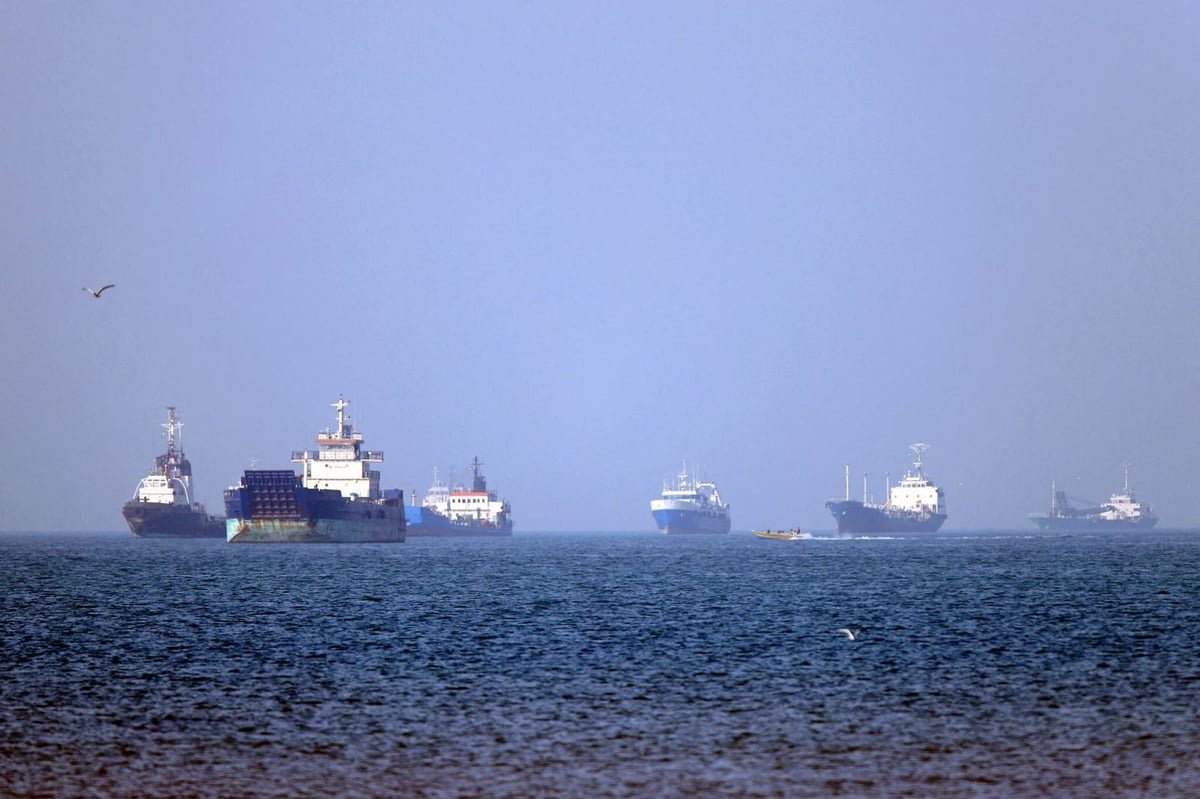
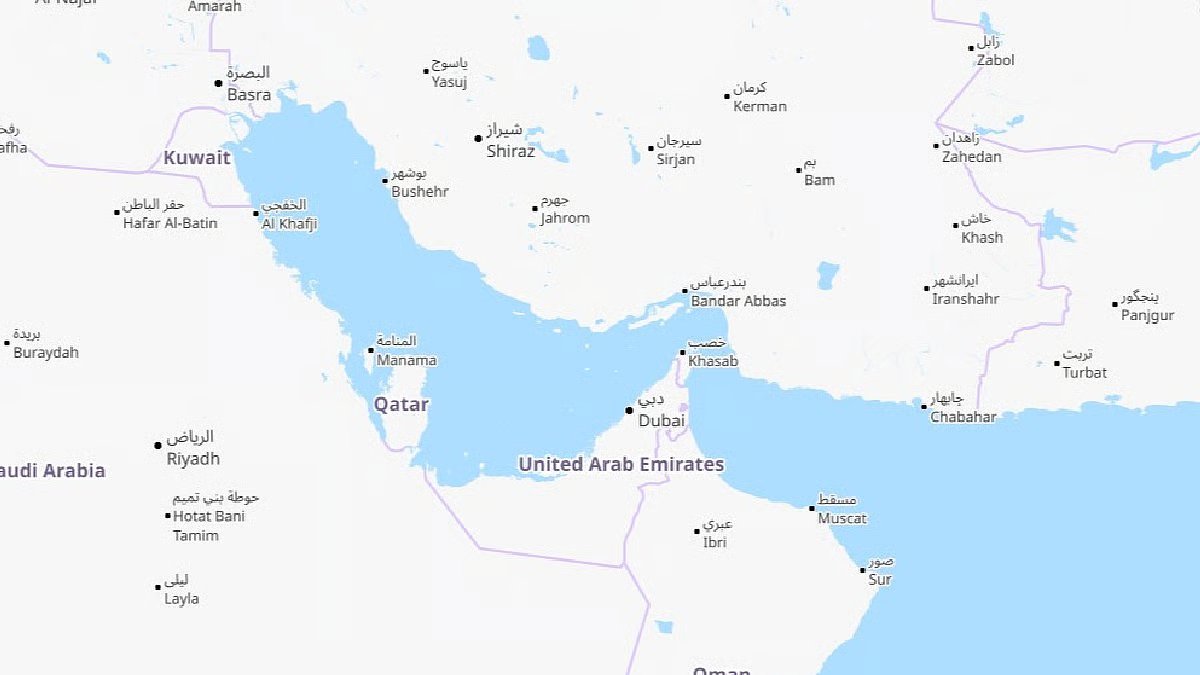
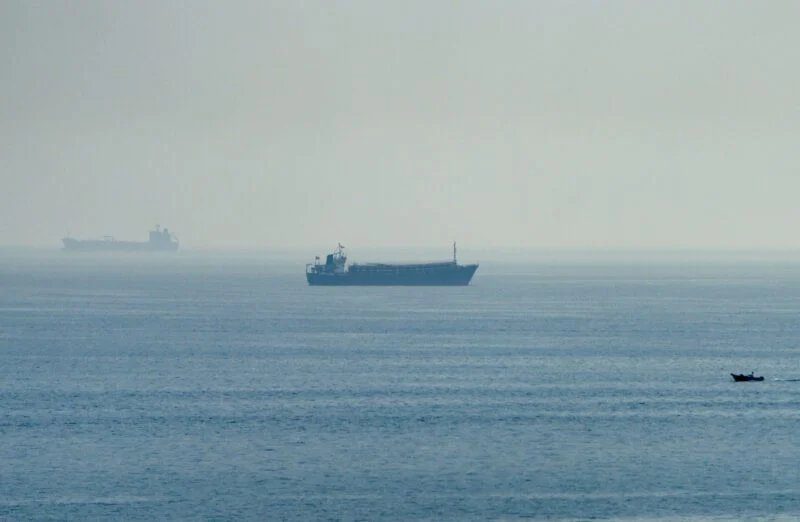
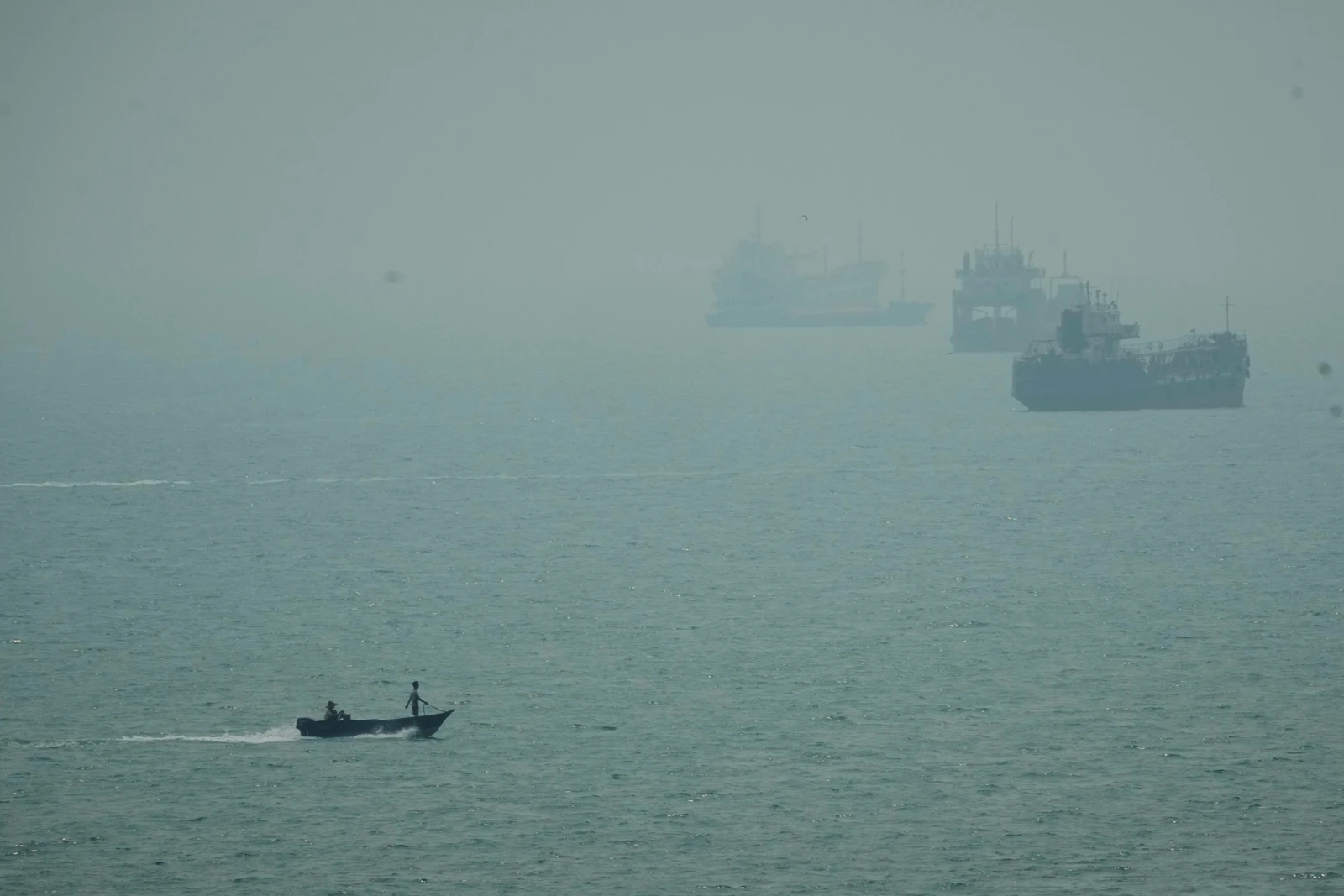
The Iranian official indicated that the Strait of Hormuz could be reopened to Gulf shipping within a week if their demands were met. While Secretary of State Marco Rubio acknowledged that the U.S. was open to diplomatic discussions with Iran, Trump’s combative UN speech reaffirmed his stance against compromising with Tehran. He called for global cooperation to enforce Iran’s economic isolation, asserting that the anticipated electoral results were influencing Iran’s negotiation strategy.
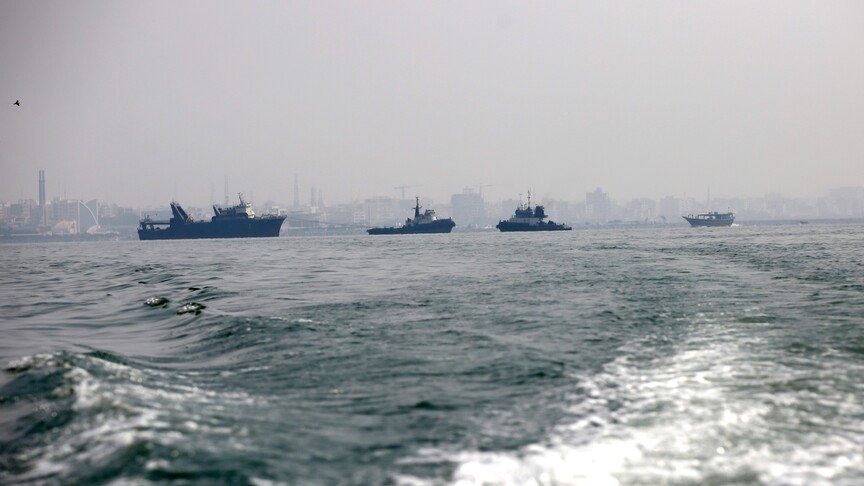
Iran’s Parliament Speaker reiterated that the country would not succumb to U.S. pressure, emphasizing a commitment to maintaining its dignity and autonomy. Furthermore, Trump was scheduled to meet with leaders from six Gulf states, expressing their shared interest in securing their shipping routes while remaining cautious of Iran’s potential influence.
Amid ongoing tensions, the Houthis have aggressively challenged Saudi forces, raising concerns that have prompted Saudi Crown Prince Mohammed bin Salman to seek U.S. support for military assistance. Despite past bombing campaigns against the Houthis, the U.S. has been reluctant to escalate military involvement. A proposal for a security framework linking Iran and the Gulf states is under consideration, emphasizing the need for a secure and economically cooperative environment in the region.