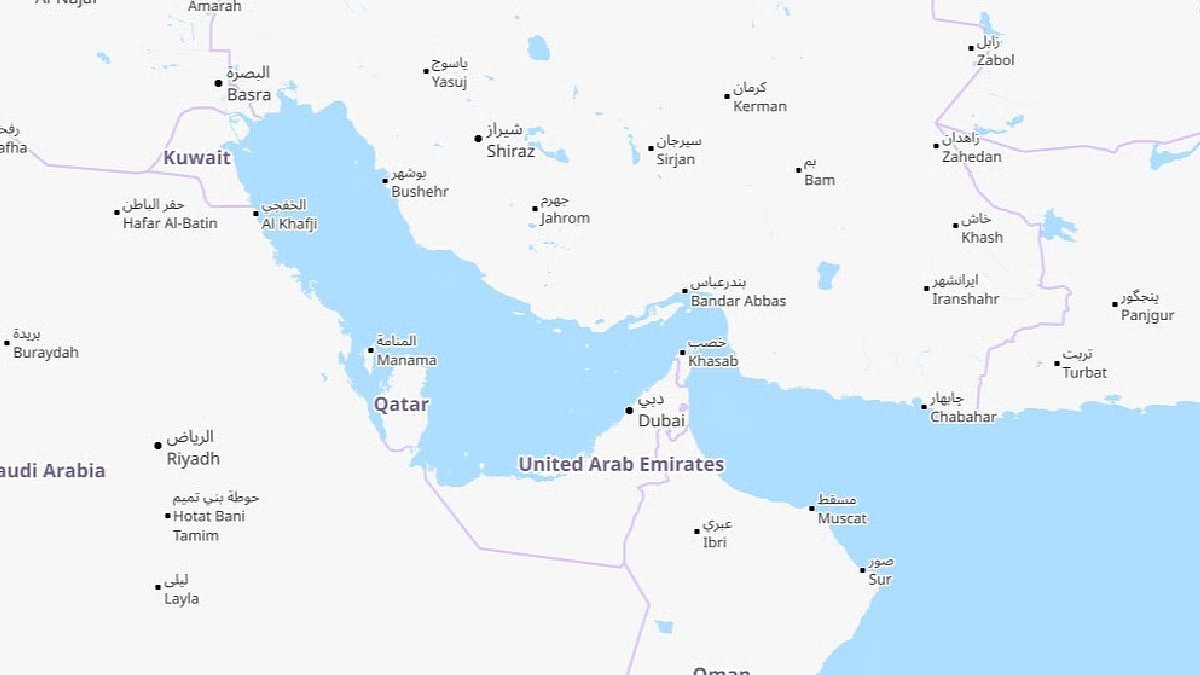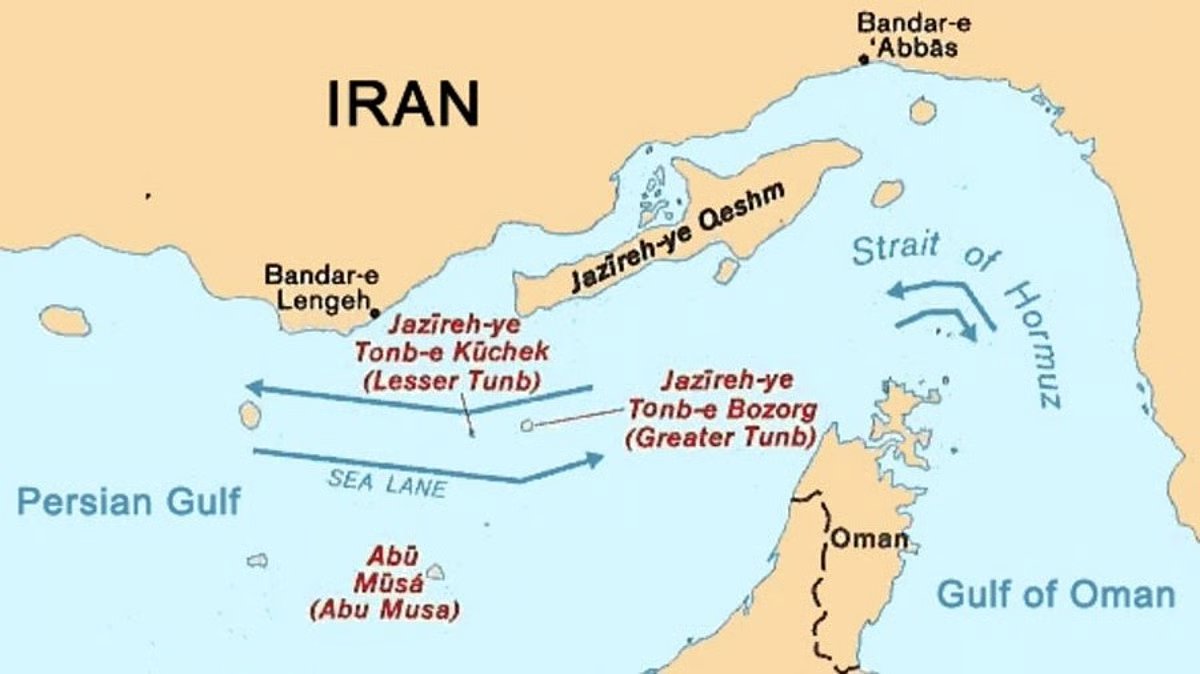
India’s merchandise exports rose to $44.20 billion in July 2026, up from $40.40 billion in June, continuing a recovery despite challenges from US tariffs and shipping disruptions linked to the Gulf conflict. The increase builds on a strong first quarter, where exports grew 15.92% year-on-year to $129.32 billion. However, imports surged even more, increasing 19.89% in the April-June quarter to $216.18 billion. This escalation pushed the monthly trade deficit to $30.43 billion, one of the widest gaps in recent years, primarily due to high energy costs driven by the ongoing global supply issues.
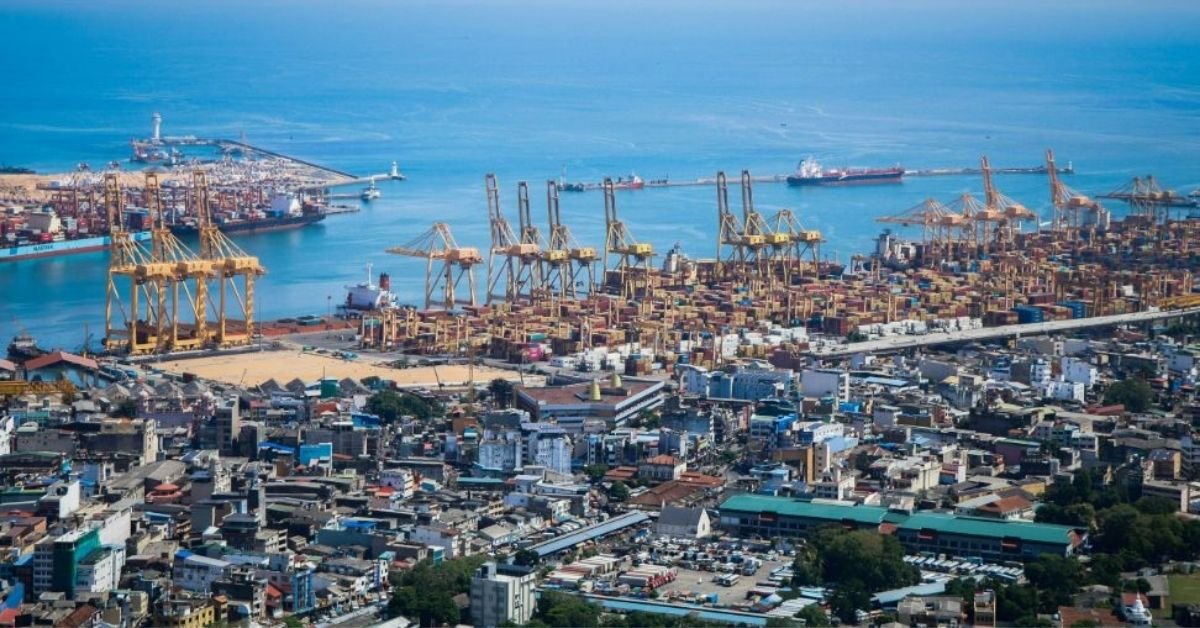
Trade analysts suggest India’s export performance is mixed, with resilience observed in sectors like engineering, pharmaceuticals, and textiles. However, export growth remains below the government’s ambitious long-term targets, particularly in labor-intensive sectors affected by tariffs. Rising export volumes are improving throughput at major ports, while the simultaneous surge in imports, especially energy cargo, stresses logistics capacity.
Economists predict that India’s import costs may remain high due to constrained Qatari LNG supplies and ongoing Gulf shipping issues. Therefore, maintaining momentum in both merchandise and services exports will be crucial in monitoring trade health moving forward. The government is focusing on diversifying export markets, with deeper trade engagement with the EU, ASEAN, and Gulf partners, as a strategy to lessen reliance on the US market.
Related posts:
 Indian Ports Set to Transform Global Trade with IMEC Project and UAE Corridor Agreement
 DP World Mundra Enhances Global Trade Connectivity with First Call of New Gemini Service
 India Plans Support Measures for Exporters Hit by US Tariffs
 India Summons Ukraine Ambassador Over Attack on Vessel Near Odesa