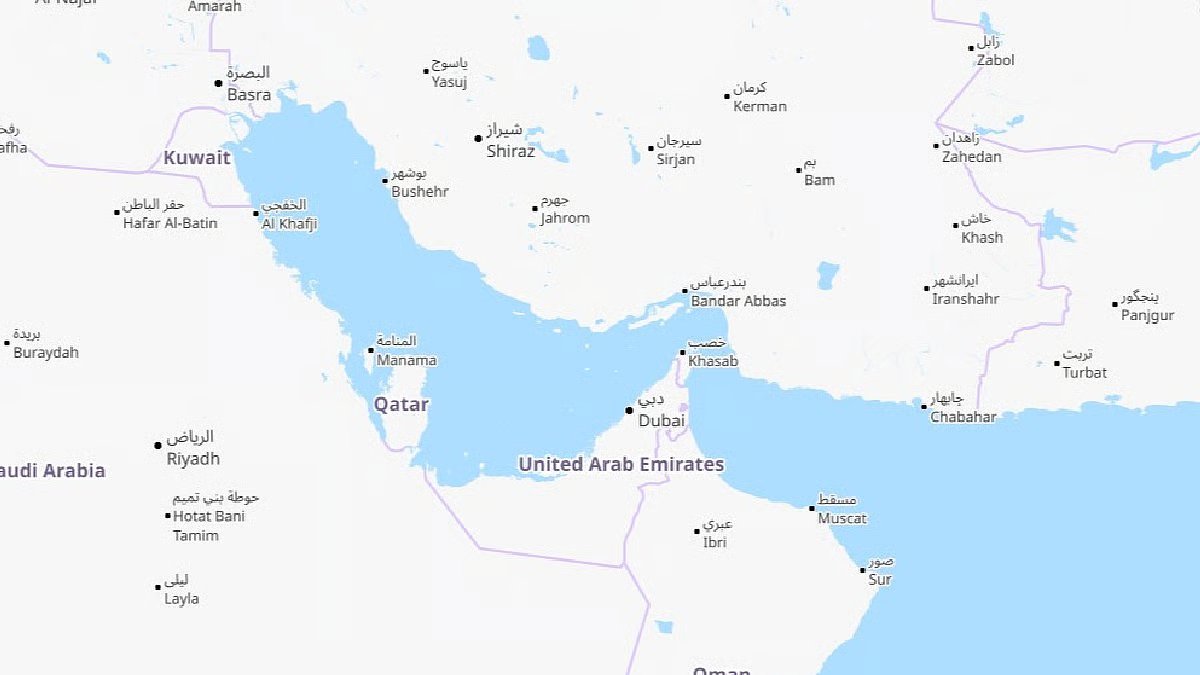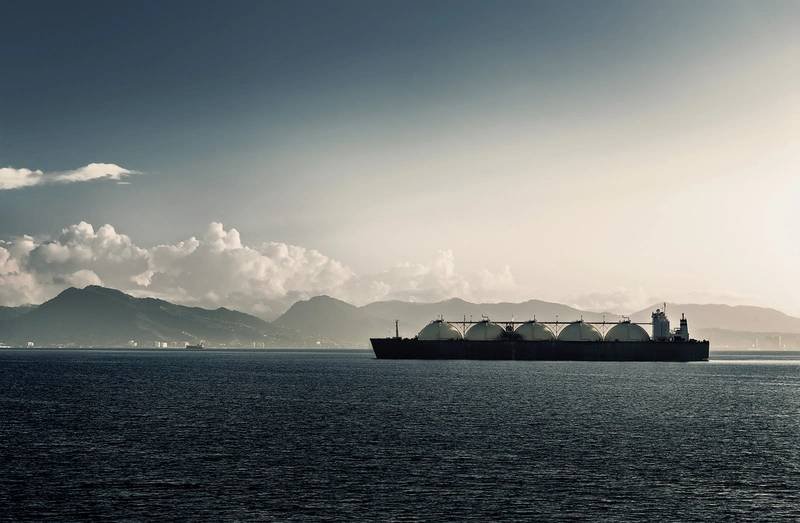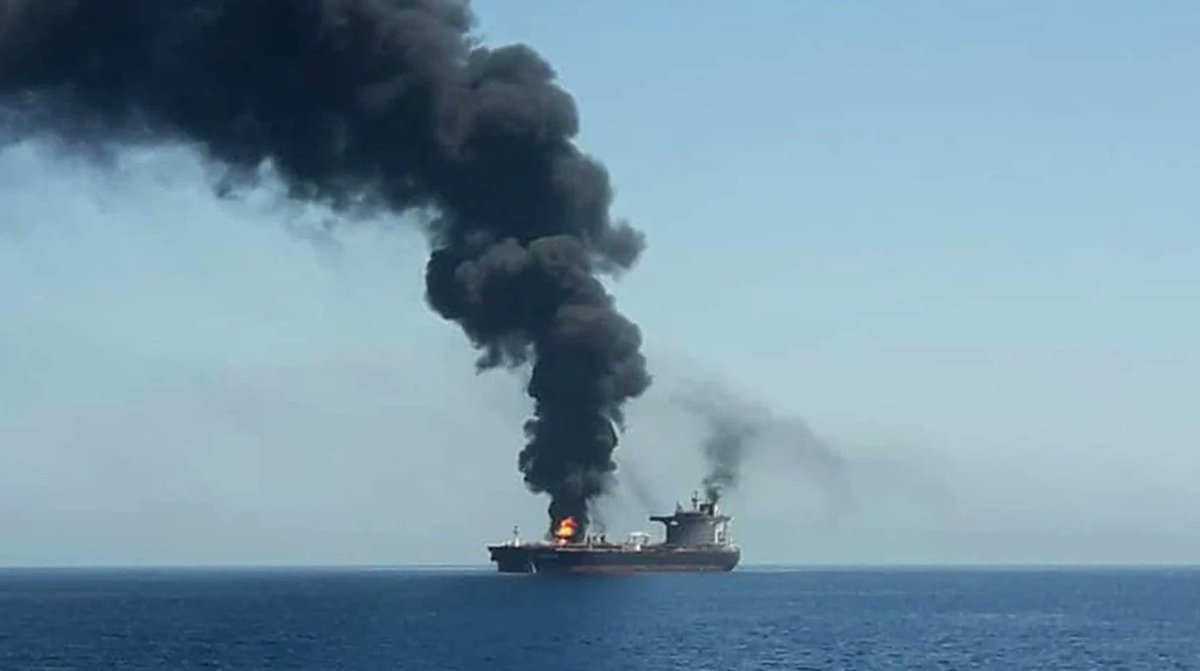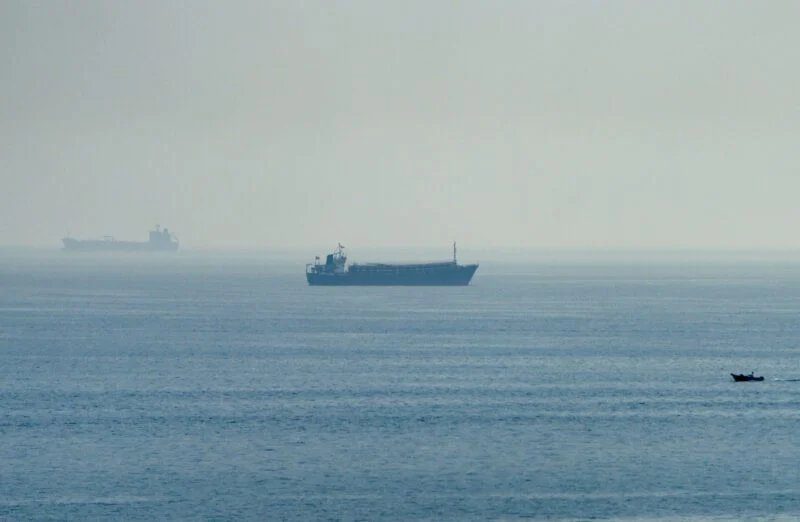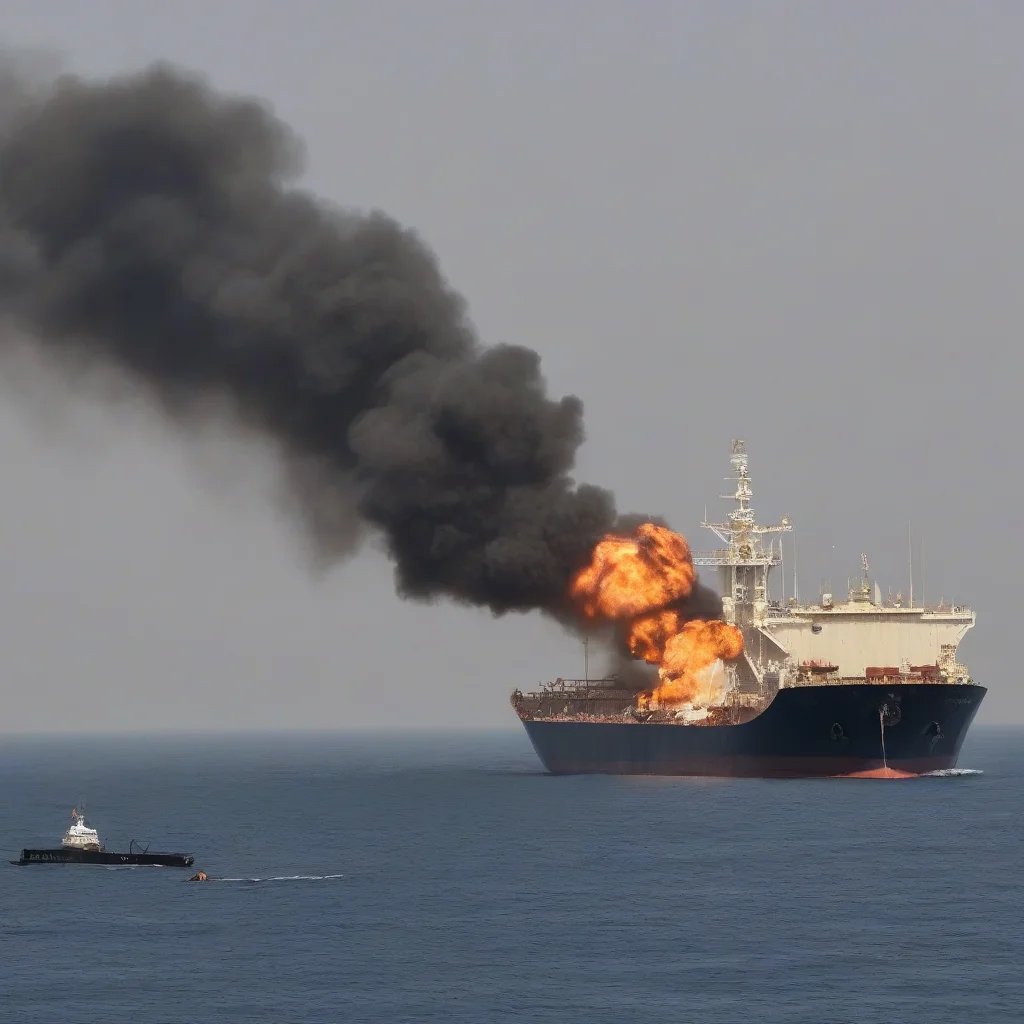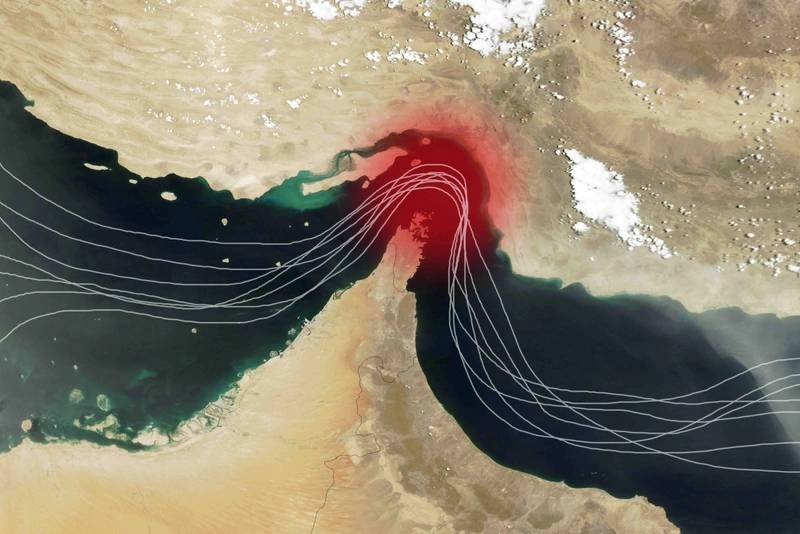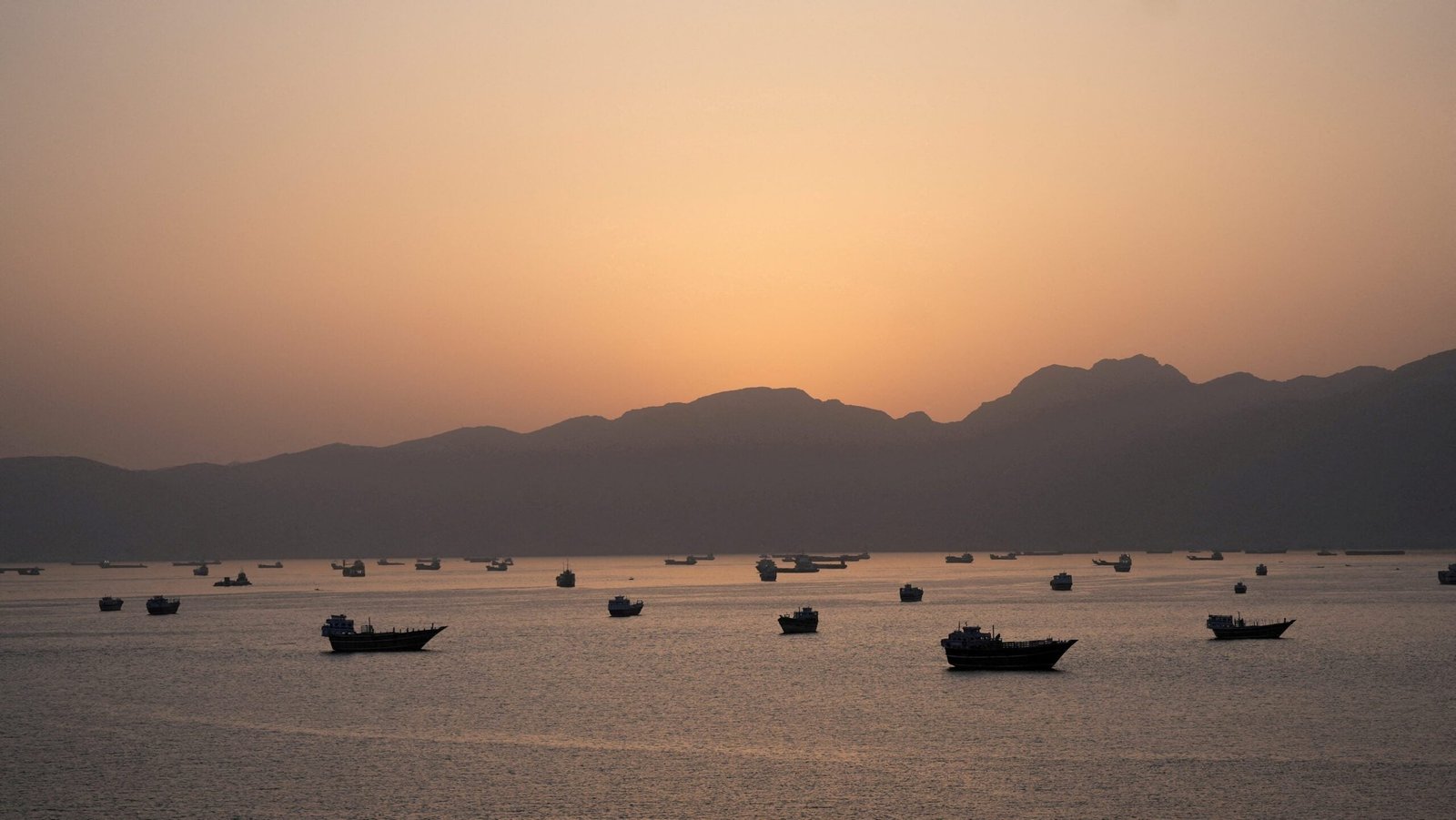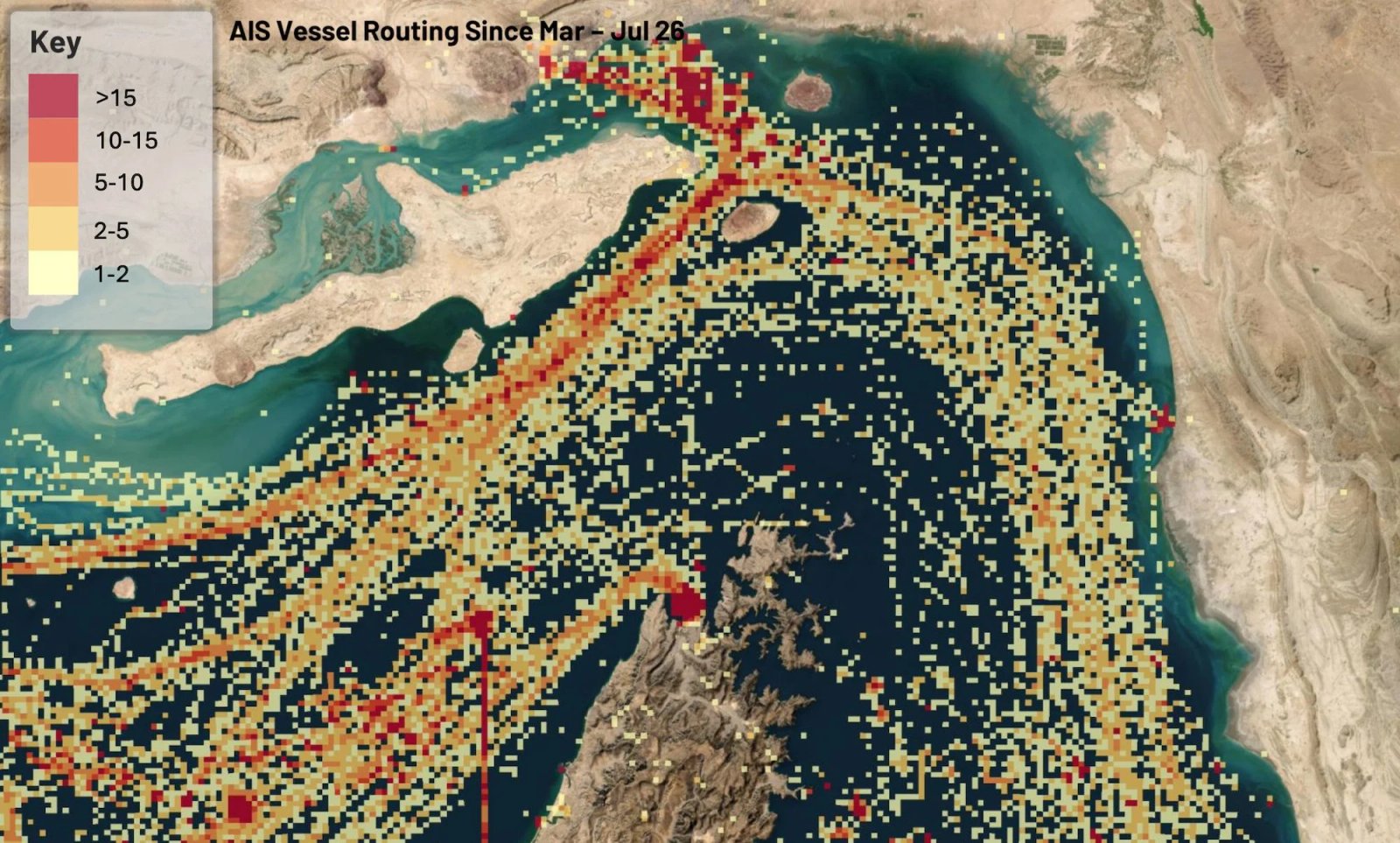
The ongoing Iran war is reshaping global trade dynamics, prompting Gulf nations to invest heavily in infrastructure, including energy pipelines and ports, to mitigate the conflict’s impact. The war has underscored the region’s dependence on the Strait of Hormuz, a critical passage for 20% of global oil flows, which has faced Iranian threats and blockages over the past six months. In response, Gulf energy exporters are committing billions to diversify and future-proof their economies amid a looming economic slowdown.
Trade is shifting to Saudi ports on the Red Sea and the UAE’s eastern ports, although these facilities currently have limited capacity. Gulf governments are exploring integrated solutions to bypass the Strait of Hormuz, with some seeking external funding to meet ambitious foreign direct investment targets. Ports have become a top priority, with significant investments expected in the coming years, as demonstrated by Abu Dhabi’s L’IMAD fund’s recent move to acquire AD Ports.
The conflict has also disrupted shipping and impacted various industries, including oil refineries and tourism, while economic growth forecasts for Qatar and Kuwait indicate significant contractions. As tensions persist, Gulf nations are pursuing alternative trade routes, including new pipelines and railways, to reduce reliance on the Strait of Hormuz and enhance regional stability.