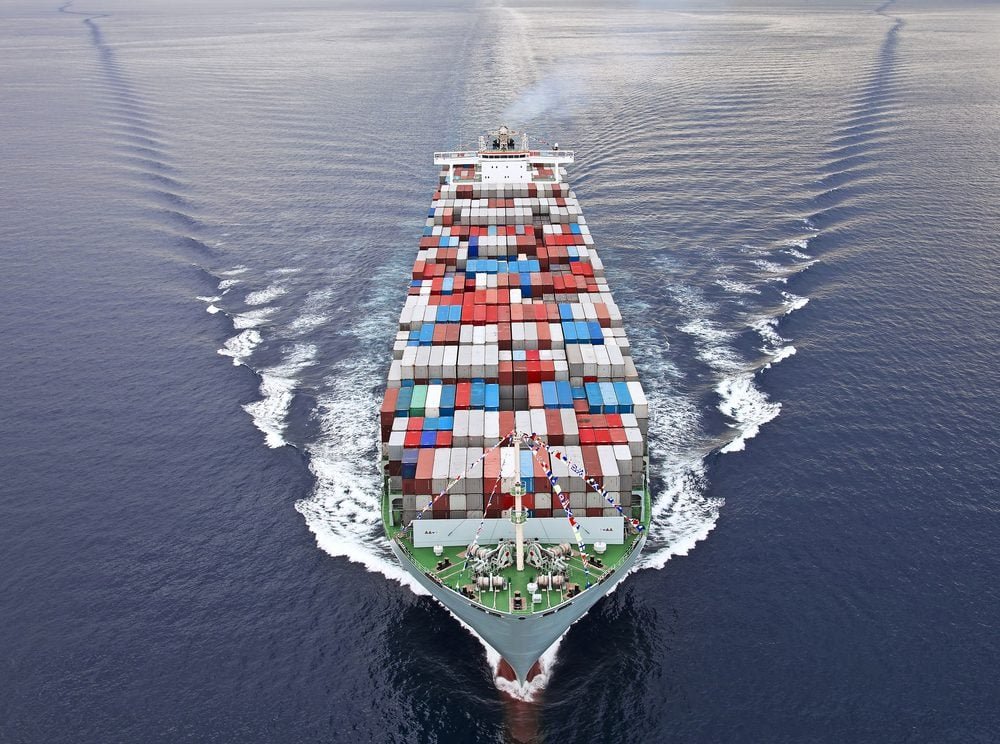
The container shipping industry continues to thrive due to geopolitical disturbances and extended voyage distances as 2026 progresses. However, BIMCO warns that an expanding fleet may lead to supply difficulties in 2027. According to their September report, the increase in ship supply is projected to outpace demand, especially with a significant influx of new vessels entering the market. Niels Rasmussen, BIMCO’s chief shipping analyst, noted that while disruptions and robust head-haul trade growth support the market in 2026, this momentum could shift to a supply-demand imbalance the following year.
Currently, the global container fleet has surpassed the 34 million TEU milestone, reflecting a dramatic increase of 10 million TEU in just over five years. BIMCO anticipates fleet capacity will grow by 4.6% in 2026 and an additional 9% in 2027, with a staggering 14 million TEU currently on order, representing about 42% of the existing fleet. Although the market is presently managing this capacity well, global container volumes have risen by 5.1% year-over-year in early 2026, fueled largely by exports from East and Southeast Asia.
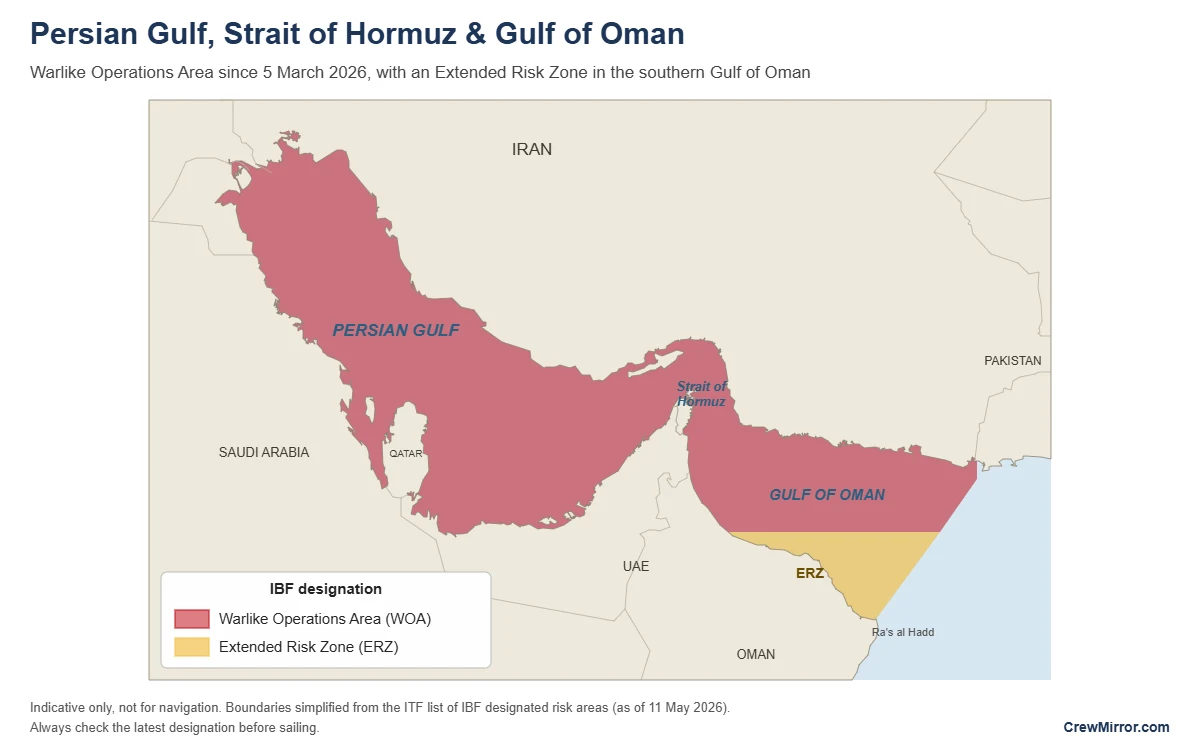
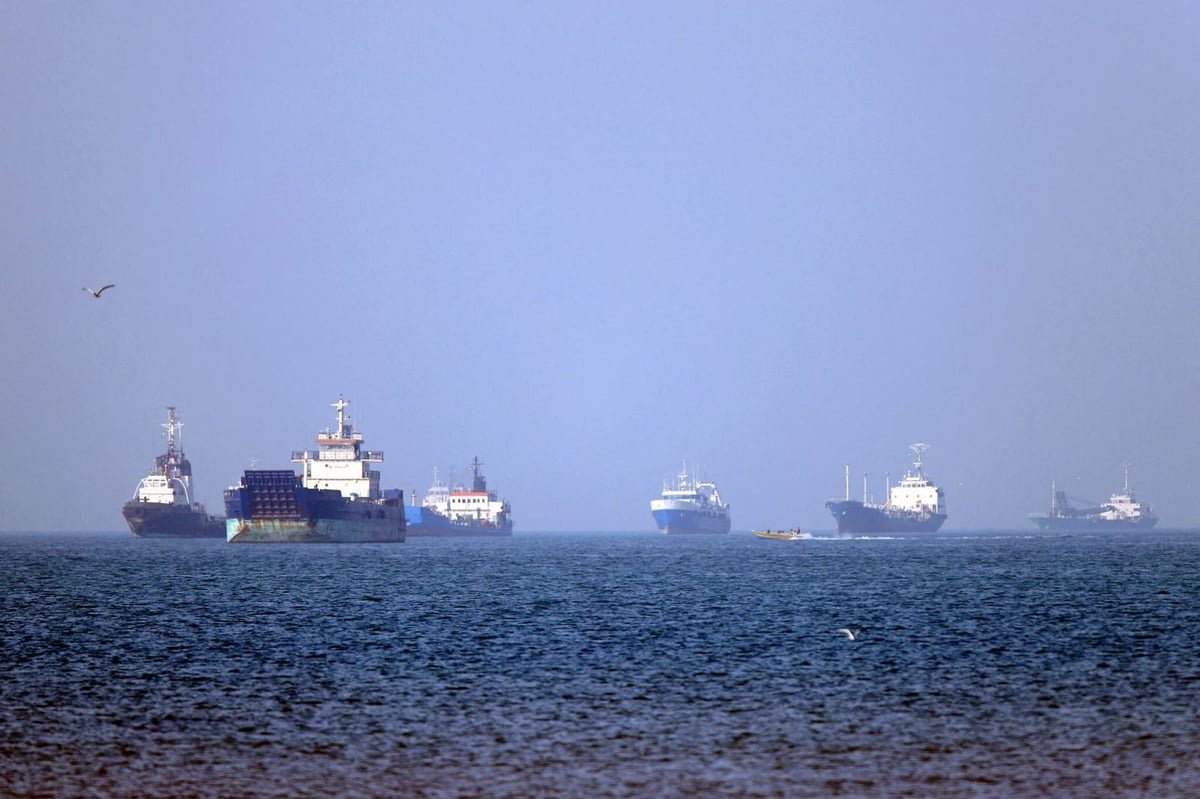
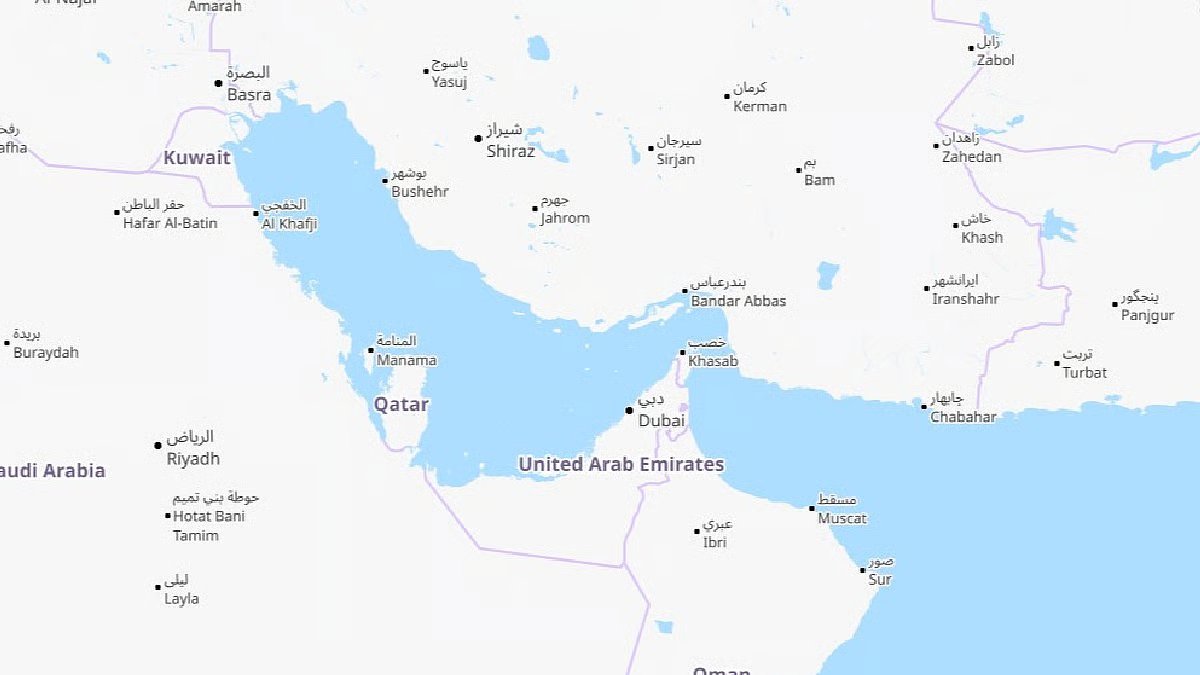
BIMCO is modeling two scenarios for 2027 concerning the Strait of Hormuz, with differing demands based on whether transit remains blocked or normalizes. The implications of these scenarios could significantly impact global economic conditions. A return to normal shipping routes could slightly alleviate demand but may not fully resolve the overcapacity challenge exacerbated by a large orderbook. As major shipping lines gradually shift back to Suez Canal operations, BIMCO suggests that demand might drop significantly, highlighting the complexity of the container shipping landscape moving forward.